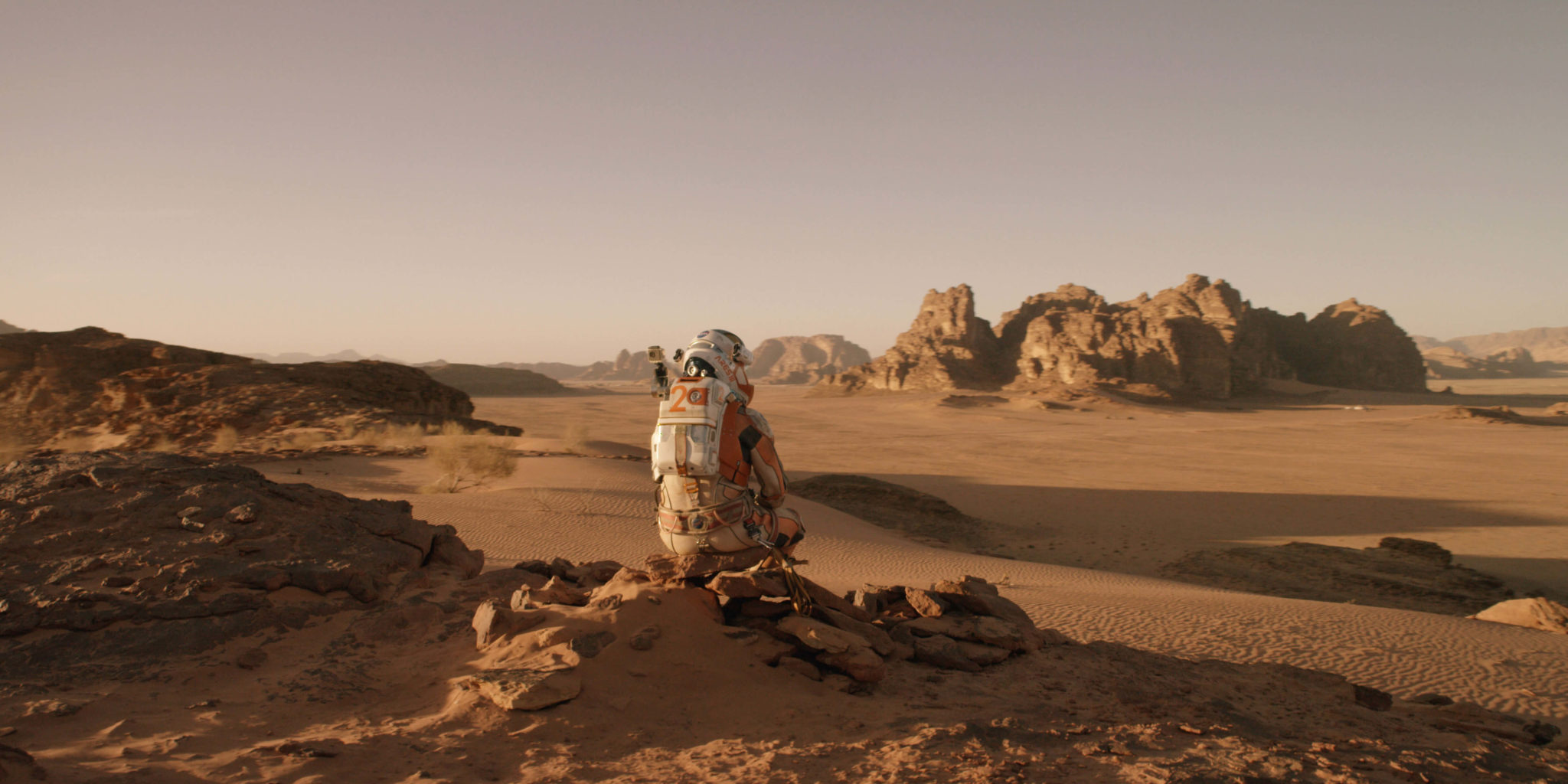
The success of The Martian, or all the other space movies made till date hardly scratch the surface of the problems that could potentially kill you in space. Before you get hyper-excited about the idea of living on Mars (what’s that? Too late?), here are the factors that could pull you down, no pun intended.
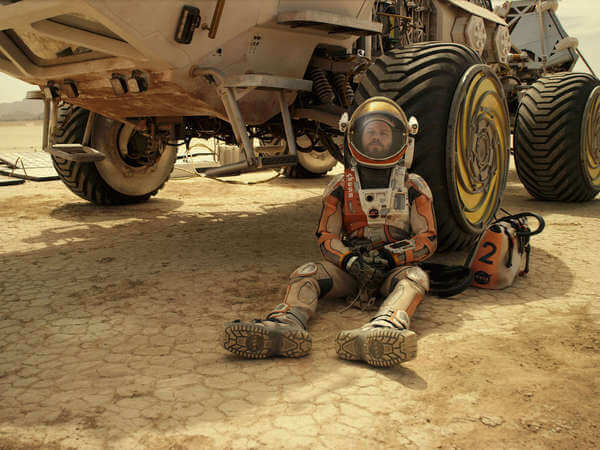
We fight every moment against gravity, we fight to lift our phones, we fight to stand up…when that fight suddenly disappears while floating around in outer space, our muscles have to be impacted.
- Muscular atrophy is one to the main problems astronauts struggle with in space. They have to exercise at least two hours daily to maintain their muscle toning for when they return to earth, and gravity threatens to collapse them once again.
“The atrophy of muscles in space can affect not only the performance of astronauts during missions, but it can lead to severe muscle injuries upon return to Earth,” NASA writes. “Astronauts landing on Mars may be susceptible to muscle injury once they step onto the planet.”
The gym is tiny, and the options are limited. Astronauts are strapped down with bungee cords so they can work out on the treadmills. I can see why; floating pushups would be a challenge.

- Losing your mind comes next on the list. Now, astronauts are really trained for this sort of things. They know what state of mind they might find themselves in, and mostly can overcome falling back to insanity. But, now that the question of regular inhabitants of earth to go live on Mars has sprung up, this possibility has become a lot real.
After a while, when the awe of looking at the awesome view wears off, we might find ourselves feeling stymied. Most of your waking hours will be spent meticulously labeling test tubes or checking system logs. These oh-so-boring, repetitive tasks will make you distant, quiet and distracted. And then BAM! You’ve gone completely bonkers, killing off your fellow passengers. I kid, of course, but then who knows?
NASA has spent the last several years sealing people in a dome on the barren, northern slope of the Mauna Loa volcano in Hawaii. The HI-SEAS (Hawaii Space Exploration Analog and Simulation) experiment aims to understand the effects of long-term isolation on individual psychology and group dynamics.
“Astronauts are highly motivated, trained, special people, no question,” Mark Shelhamer, Chief Scientist at NASA’s Human Research Program said. “But it’s just human nature that they’re going to go through a phase of not being motivated, of having problems with their crew mates. This is the kind of thing you want to recognize, but you also want to design the mission in a way that allows for it.”
“The crews have [so far] done really well,” HI-SEAS director Kim Binsted said. “There have been conflicts, but I think a big picture lesson is that conflicts are inevitable. What we need to do is make sure that the crew as a whole is resilient, so that they can recover and maintain performance.”
- Going Blind. Okay, this will not kill you, but will definitely make you pretty vulnerable. Follow-up studies conducted after people reported noticing visual acuity changes after stints in space, revealed that astronauts’ eyeballs tend to be a bit flattened after six months on the ISS — enough to account for the vision deterioration they’re reporting.
“When you go into space, gravity is no longer pulling fluids to the lower part of your body, and so they redistribute themselves more evenly,” Shelhamer explains. “We’re talking blood, lymphatic fluid, cerebrospinal fluid.”
So the pressure builds up in your brain and skull- and your eyes. “It’s like spraying water on the back of the balloon,” Shelhamer said. “The pressure works down the optic nerve, pushes on the back of the eyeball and deforms it a little. And when you flatten the eyeball, you change the focal length in the eye and your visual acuity.”
“It’s not really a Mars problem so much, because once you’re on Mars you’ve got some gravity,” Shelhamer said. (Martian gravity is about 0.38 g.) “It’s what happens during the six to eight months it takes to get to Mars and back that we’re worried about.”
The ever more worrying thing is that we don’t know yet if longer operations in space would lead to further magnitude of worsening of vision. Longest duration tested is 6 months.
[adinserter block=”7″]
Next Page For More