3D printed scaffolds to aid in nerve regeneration

Nerve damage is often a painful and long lasting experience for patients and if things go quite wrong it can be a paralysing one too! The reason for this is: the nerves take very long time to regenerate and that too very slowly assuming that they regenerate at all. To find ways to help the nerves regenerate faster a team of researchers has devised a way to 3 D print customized scaffolding that can help nerves regenerate.
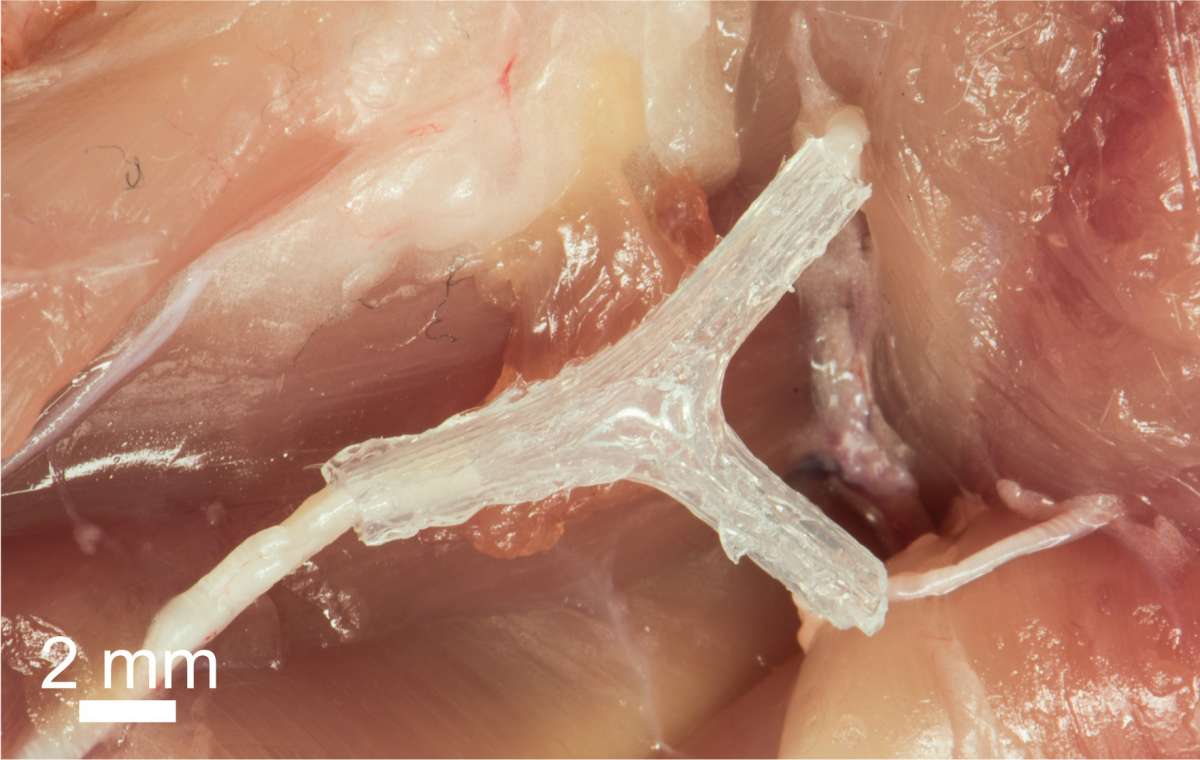
implanted_guide

Presently grafting is the most common method of repairing damaged nerves because regenerating nerves takes quite a long time. In grafting, nerves taken from some other healthy portion of the body are positioned around the damaged nerves to take their place. But since this procedure needs two surgeries, causes pain at the donor site and sometimes results in complete rejection of the grafted nerve; it is not an ideal one! In a more recent development researchers have experimented with nerve guidance channels, which are cylinders, made of bio-compatible materials that encourage nerve growth. Though these have more flexibility than nerve grafts, their limitation is that they can only help nerves grow only in a straight line, which in turn doesn’t help nerves damaged in large, geometrically complex injuries.
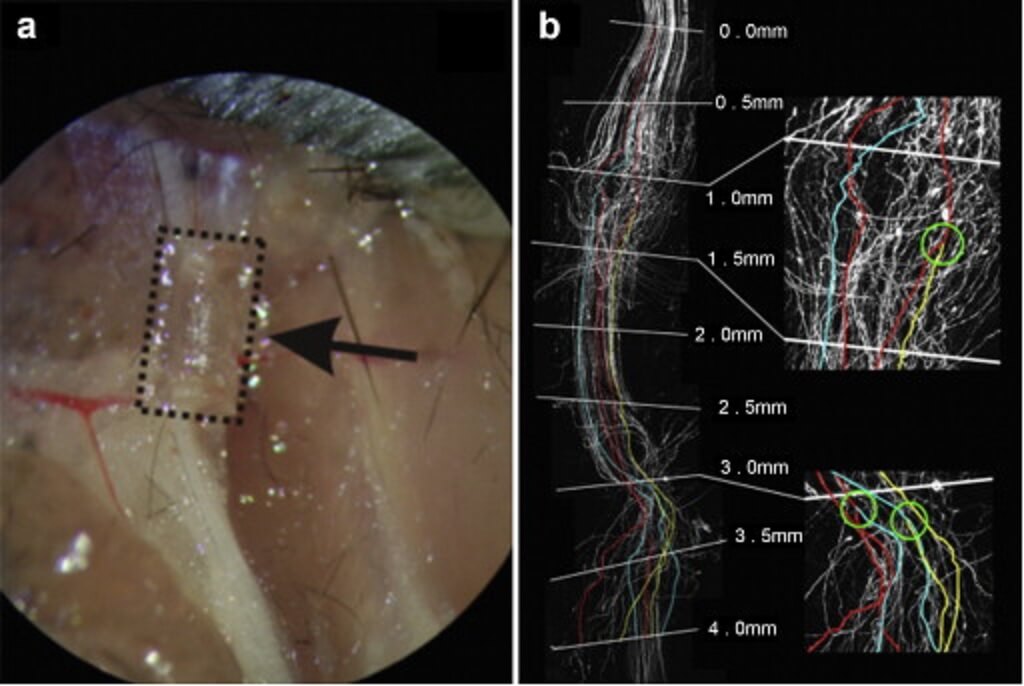
3D

So when the researchers moved on to this new idea of 3D scaffolds, the researchers focussed on the nerves that split into two different nerves that extend to different places in the body and are more complex than typical linear nerves. To conduct the experiment with the 3D scaffolds, the researchers took a scan of a nerve exposed by an incision using a structured light 3D scanner. Using that information, they created geometrically complex nerve guidance channels. These nerves work as a bridge to connect the two ends of regenerating nerves together.

The channels were made such that they would fit a specific area of the body; 3D printing was then used to print the perfect fit. The scaffold encourages the right kind of nerve growth because of its physical shape as well as the chemical composition of each branch of the channel.

After this, the researchers took scans of nerves in living patients, printed the scaffolds with silicone and special proteins mixed in, and tested their strength in a petri dish. The channels held up well—though not perfectly—and the proteins gradually released over three weeks to encourage nerve growth. They found similar results when they tested the scaffolds in mice.
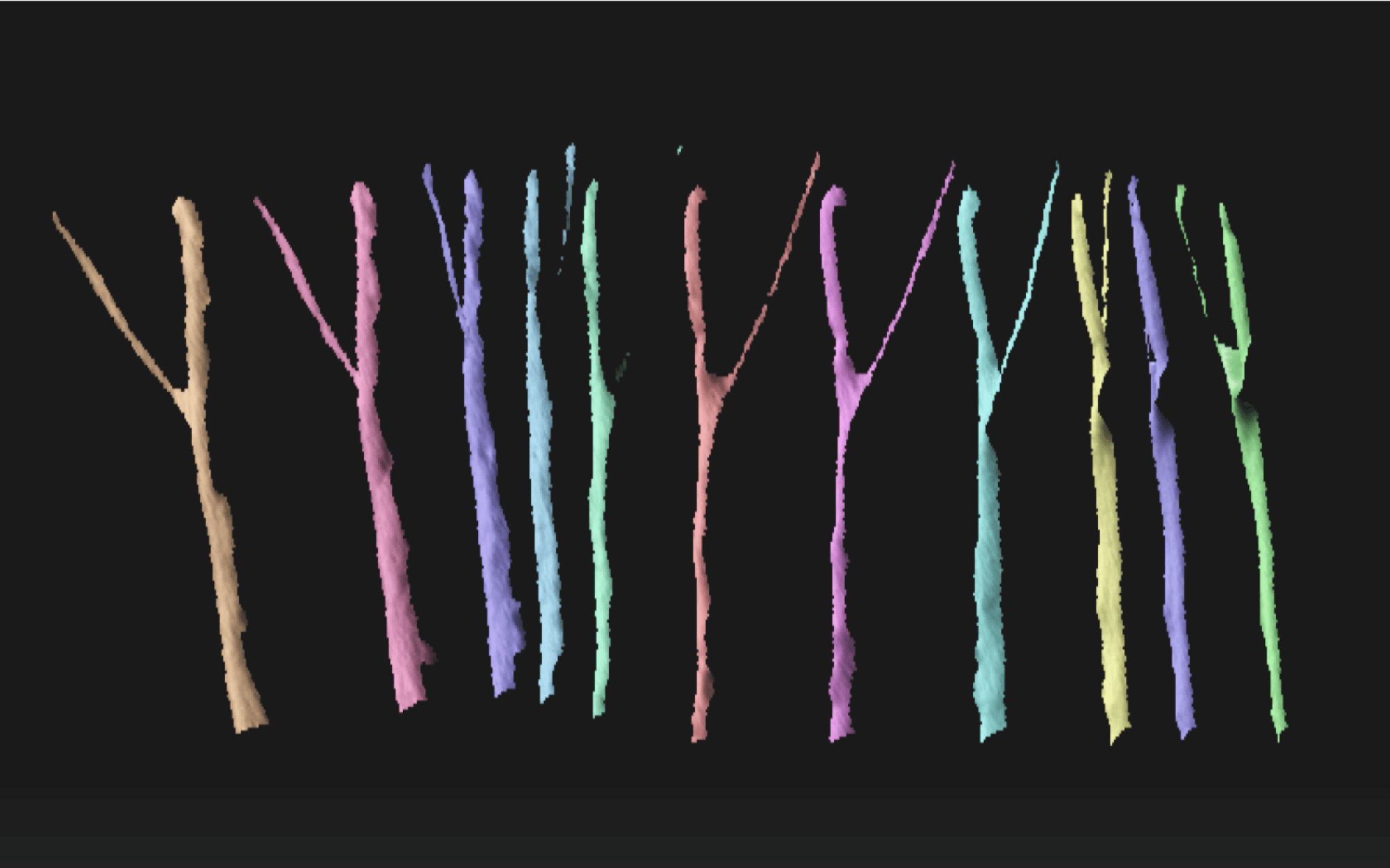
3d_nerve_scaffolds

Though this is just a proof of concept study, the researchers opine that it may be a breakthrough in nerve regeneration, if everything goes well.

[adinserter block=”7″]

Author: Technology Blog
Test Nail Paints Out in Virtual Reality before Buying

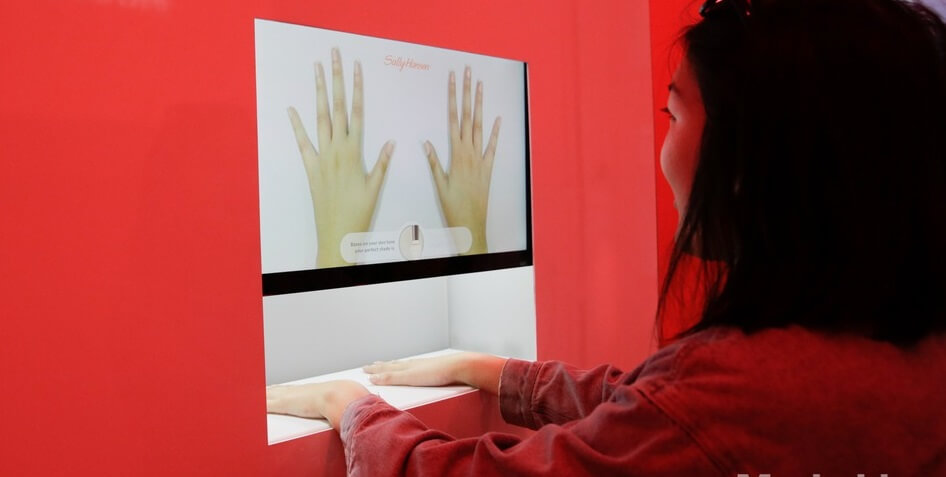
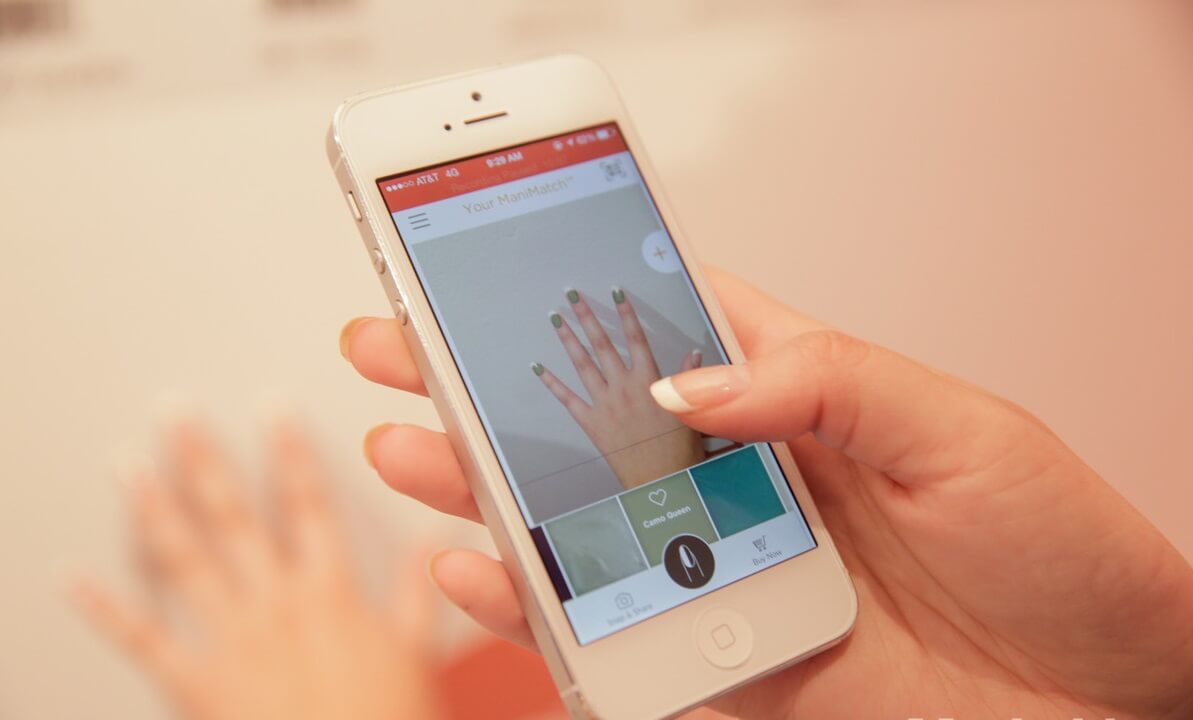
Eliminate the anguish and despair at picking up the wrong shade of nail colour at the store. The nail gurus at Sally Hansen launched ManiMatch, an app that lets you paint on nail polish virtually. All you have to do is start the app and place your hands below your phone’s camera. The app takes in the shape of your hands and nails and then paints over the nails-on the screen- with the selected shade.

Sephora-s-new-3D-mirror-leads-the-way-in-try-before-you-buy-beauty

“Everyone of course has different undertones and contrasts with the colors, so it’s important to be able to try it on,” Madeline Poole, Sally Hansen’s global color ambassador and trend expert, said. “You might try on a shirt. It looks amazing on a rack, but when you try it on, it washes you out, or it doesn’t bring out the color of your eyes or your hair or whatever, so it’s the same kind of concept.”

The app recommends shades to be tried on based on your skin tone. You can choose from the suggested shades, or go solo and wild with 200 different shades to choose from.  Once you’ve chosen a color, you can purchase the product directly in the app. What’s even better is that your choices of shades and brands are not only narrowed down to Sally Hansen’s line. You can scan the barcode of the desired shade of nail paint at a shop and then try it on in the app. The app is iPhone only for now but the company says an Android version is scheduled to roll out in the next few months.

nails-7

There is an upcoming exciting feature in the app which would make it near perfect- the option to try on nail art. I say near perfect as the app does have a few glitches that should soon be ironed out. For example, if you didn’t align your hand accurately with the outline on the screen, the nail polish blobs would scatter across the screen landing everywhere except the nails and then there is no back button to undo the process. The app has to be restarted and the process has to be redone.

[adinserter block=”7″]

Author: Technology Blog

Black Hole May Suck Stuff in Forever, But the Information Bounces Out

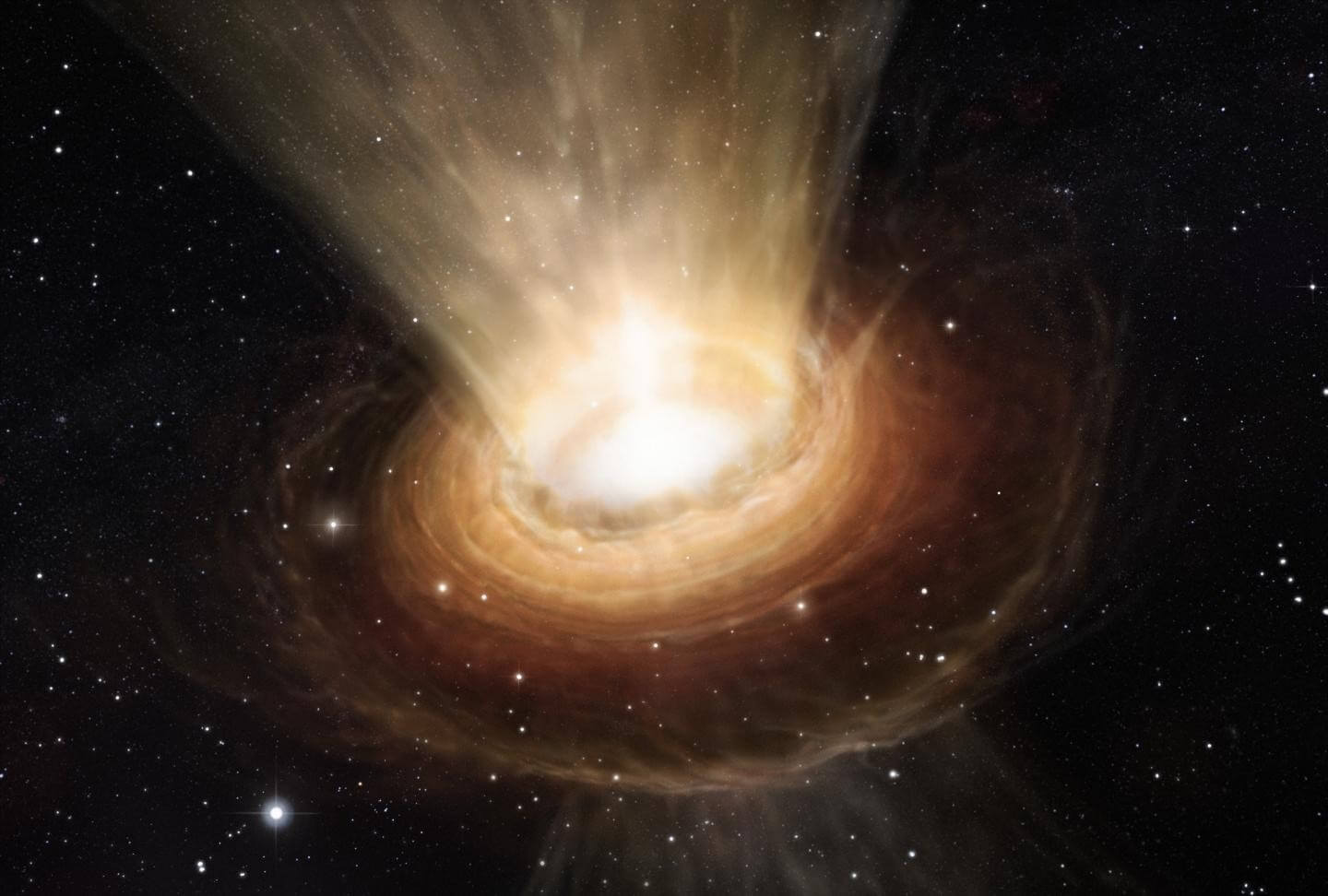
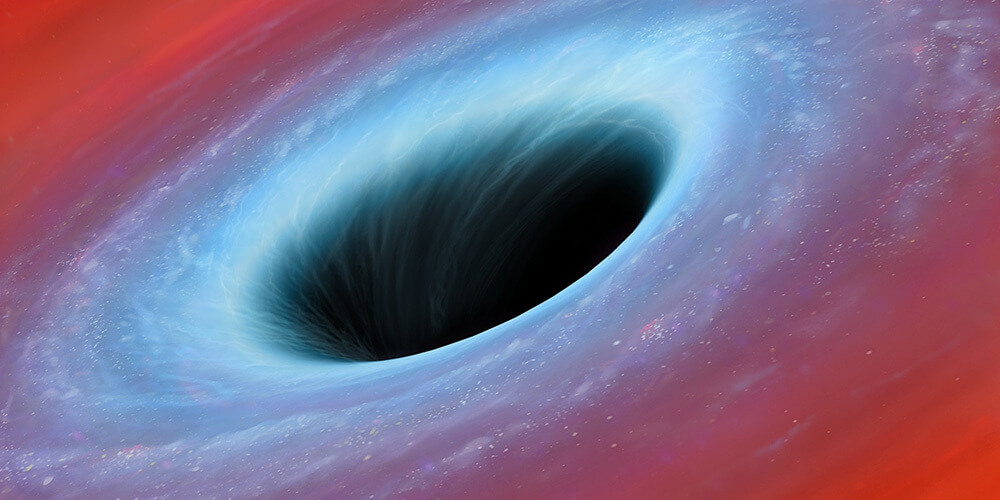
Nobel laureate Gerard ’t Hooft of Utrecht University in the Netherlands, was responding to Stephen Hawking’s 25 August announcement of a new solution to the information paradox-  edge of a black hole might be a brick wall against which information about in-falling stuff bounces back like a tennis ball.

BH

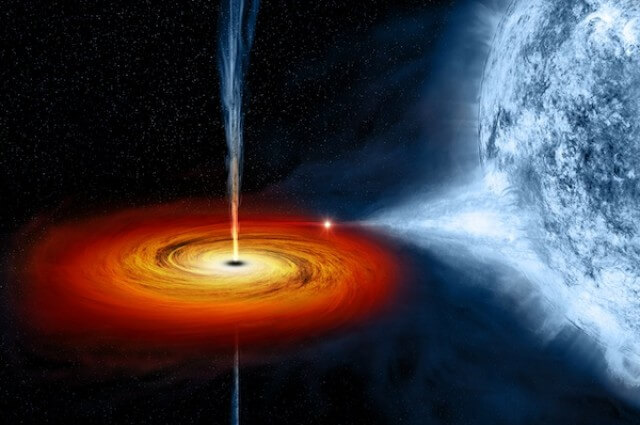
The paradox that has torn scientists for nearly four decades being that if any object, be it an iPhone or an elephant, ventures into a black hole, it stays there. From the outside, we will never be able to learn about any of its characteristics; information about it disappears behind the black curtain.

Then in 1974, Hawking managed to discover radiations emitting in the form of photons from the edge of the black hole, subsequently named Hawking radiations. These radiations supposedly over time, make the black hole lose mass and evaporate, snuffing out all the information. The new concern that arose with this revelation was about the contradicted law of quantum mechanics that says that the information can neither be created nor destroyed. Where does it go then?

“The answer is that matter going into the hole has an effect on outgoing Hawking particles,” says ’t Hooft. “Hawking did not believe that at first, but gradually he is revising that opinion.”

‘t Hooft claims that when the elephant slips into the black hole, it leaves a holographic imprint on the edge of the hole which is then picked up by the outgoing radiations that carry out the information on the elephant. ‘t Hooft speculates that gravity could be the answer to this problem: As the elephant slips over the black hole’s boundary, the animal’s gravitational field changes. When outgoing Hawking radiation passes through that gravitational field, its path is altered, and can convey information.

“Even though we describe modes of in-falling matter that ‘bounce back against the horizon’, these bounces only refer to the information our particles are carrying, while the particles will continue their way falling inwards,” ’t Hooft writes in the paper.

Both these ideas have a common problem- information overload. Quantum mechanics doesn’t allow duplication. Their solutions might actually make a second copy of the information, thus creating information instead of destroying it.

cygnus x1

It’s also unclear how a gravity-only information transfer meshes with quantum mechanics. “The devil is in those details,” says theoretical physicist Steven Giddings of the University of California, Santa Barbara.

[adinserter block=”7″]

Author: Technology Blog
Verified by ExactMetrics