Is Peanut Oil Really Healthy? Read on to Find the Truth

Is Peanut Oil Really Healthy? Read on to Find the Truth
Peanut oil, a common cooking oil derived from peanuts, has long been debated for its health implications. While some hail it as a heart-healthy option, others raise concerns about its potential drawbacks. Let’s delve into the facts and uncover the truth behind peanut oil’s health status.

Peanut Oil: A Nutritional Snapshot

Peanut oil is predominantly composed of unsaturated fats, with about 50% monounsaturated fats and 30% polyunsaturated fats. Monounsaturated fats, like those found in olive oil, are considered “good” fats, as they may help lower LDL (bad) cholesterol and raise HDL (good) cholesterol. Polyunsaturated fats, including omega-6 and omega-3 fatty acids, are also essential for various bodily functions.

Potential Health Benefits of Peanut Oil

Heart Health: Peanut oil’s high content of monounsaturated fats may help reduce the risk of heart disease by lowering LDL cholesterol levels and increasing HDL cholesterol levels.

Blood Sugar Control: Studies suggest that peanut oil may improve insulin sensitivity and blood sugar control in individuals with type 2 diabetes.

Antioxidant Properties: Peanut oil is a rich source of vitamin E, a potent antioxidant that helps protect cells from damage caused by free radicals. This may reduce the risk of chronic diseases like heart disease and cancer.

Potential Drawbacks of Peanut Oil

High Omega-6 Content: Peanut oil contains a high ratio of omega-6 fatty acids to omega-3 fatty acids. An imbalance in these fatty acids may increase inflammation and contribute to chronic diseases.

Refining Process Concerns: Peanut oil is often refined, which involves high heat and chemicals. This process may alter the oil’s nutritional profile and produce harmful compounds.

So, Is Peanut Oil Healthy?

The answer lies in moderation and balance. Peanut oil, in its unrefined form, can be part of a healthy diet due to its monounsaturated fats and vitamin E content. However, it’s crucial to limit overall fat intake and ensure a balance of omega-6 and omega-3 fatty acids in your diet.

Tips for Healthy Peanut Oil Consumption

  • Choose unrefined or cold-pressed peanut oil: This retains more of the oil’s natural nutrients.
  • Use peanut oil for high-heat cooking: It has a high smoke point, making it suitable for stir-frying and deep-frying.
  • Balance omega-3 intake: Include sources of omega-3 fatty acids, like fatty fish, flaxseeds, and walnuts, in your diet.
  • Moderate overall fat consumption: Consume fats in moderation, regardless of their type.

Remember, a healthy diet encompasses a variety of nutrient-rich foods, not just a single oil. Consult a healthcare professional or registered dietitian for personalized dietary advice.


Tagged : / / /

Amla In Winters : 7 Ways To Include This Vitamin C Powerhouse In Your Diet

Amla In Winters : 7 Ways To Include This Vitamin C Powerhouse In Your Diet
The Indian gooseberry, also known as amla, is a nutrient-rich fruit with a sour taste that is commonly used in Ayurvedic medicine. It is a valuable source of vitamin C, vitamin A, fiber, and antioxidants, making it a powerful addition to your daily diet. Here are five ways you can incorporate amla into your meals and reap its many health benefits:

1. Amla Juice
Amla juice is a refreshing and invigorating way to kickstart your morning. Simply extract the juice from fresh amlas and consume it on an empty stomach. You can also dilute the juice with water or add a touch of honey to balance the sourness.

2. Amla Smoothies
Blend amla with your favorite fruits, yogurt, and plant-based milk to create a nutrient-packed smoothie. The tartness of amla adds a unique flavor profile while providing a boost of vitamin C and other essential nutrients.

3. Amla Murabba
Amla murabba is a sweet and tangy preserve made from amlas cooked with sugar and spices. It’s a delicious and traditional way to consume amla, often enjoyed as an afternoon snack or after meals.

4. Add Amla to Curries and Dals
Amla powder can be added to curries and dals to enhance their flavor and nutritional value. The tartness of amla balances the richness of the dishes while providing a boost of vitamin C and antioxidants.

5. Amla Chutney
Amla chutney is a spicy and flavorful condiment that pairs well with Indian dishes. It’s made by blending amlas with spices, such as ginger, garlic, and cumin, resulting in a tangy and spicy relish.

6. Amla Candies
Amla candies are a delicious and nutritious way to enjoy the benefits of amla. They are made by coating amla pieces with sugar syrup, creating a sweet and tangy treat that is both enjoyable and beneficial for your health. Amla candies are a good source of vitamin C, which helps boost immunity and protect against cell damage. They are also a good source of fiber, which aids in digestion and promotes overall gut health.

7. Amla Pickle
Amla pickle is a savory and tangy condiment that is made by pickling amla in a mixture of spices, such as mustard seeds, turmeric, and chili powder. Amla pickle is a popular side dish in Indian cuisine and is often enjoyed with rice, roti, or paratha. It is a good source of vitamin C, fiber, and antioxidants. Amla pickle also contains probiotics, which are beneficial bacteria that promote gut health.

By incorporating amla into your daily diet, you can reap a multitude of health benefits, including improved immunity, better digestion, and enhanced skin health. So, embrace the sourness of amla and experience its transformative power on your overall well-being.

Tagged : / / / / /

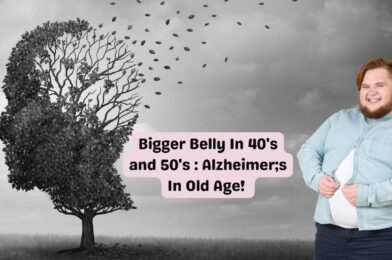
How Bigger Belly in 40s and 50s Linked to Alzheimer’s Disease in the Future

How Bigger Belly in 40s and 50s Linked to Alzheimer’s Disease in the Future
A new study has found that people with bigger bellies in their 40s and 50s are more likely to develop Alzheimer’s disease in the future. The study, which was published in the journal “Neurology,” found that people with the highest levels of visceral fat, or belly fat, were more likely to have amyloid plaques and tau tangles in their brains. These are two of the hallmarks of Alzheimer’s disease.

The researchers believe that the link between belly fat and Alzheimer’s disease may be due to inflammation. Inflammation is a natural response to injury or infection, but it can also damage healthy tissue. In the case of Alzheimer’s disease, inflammation is thought to damage brain cells and contribute to the formation of amyloid plaques and tau tangles.

There are a number of things that people can do to reduce their risk of Alzheimer’s disease, including:

  • Maintaining a healthy weight
  • Eating a healthy diet
  • Exercising regularly
  • Getting enough sleep
  • Managing stress

    In addition to these lifestyle changes, there are also a number of medications that are being developed to treat Alzheimer’s disease. These medications are still in the early stages of development, but they have shown some promise in slowing the progression of the disease.

The study’s findings suggest that people who are overweight or obese in their 40s and 50s should take steps to lose weight and reduce their belly fat. Losing even a small amount of weight can have a significant impact on a person’s risk of Alzheimer’s disease.

Here are some tips for losing weight and reducing belly fat:

  • Eat plenty of fruits, vegetables, and whole grains.
  • Choose lean protein sources, such as fish, chicken, and beans.
  • Limit your intake of processed foods, sugary drinks, and unhealthy fats.
  • Get regular exercise. Aim for at least 30 minutes of moderate-intensity activity most days of the week.

Losing weight and reducing belly fat can be challenging, but it is important for your overall health and well-being. By making lifestyle changes now, you can reduce your risk of developing Alzheimer’s disease in the future.

Tagged : / / / / /

Unraveling the Mystery of Second-Born Troublemakers

Unraveling the Mystery of Second-Born Troublemakers
The notion that second-born children are more prone to mischief than their older siblings has long been a topic of discussion and debate. While popular culture often portrays second-borns as rebels and rule-breakers, there’s more to this observation than meets the eye.

Parental Attention and Dynamics

One possible explanation for this phenomenon lies in the changing dynamics of parental attention. First-born children often enjoy undivided attention from their parents, who are still adjusting to the responsibilities of parenthood. However, as the family grows, this undivided attention is divided between the siblings.

This shift in attention can lead second-born children to feel less noticed or appreciated, potentially driving them to seek attention in other ways, sometimes through misbehavior. Additionally, second-borns may engage in rebellious behavior as a way to assert their individuality and stand out from their older siblings.

Role Models and Experimentation

Another factor to consider is the role models that second-born children have access to. With an older sibling already in the picture, second-borns may be exposed to a wider range of behaviors, some of which may be considered mischievous or rebellious.

This exposure can normalize certain behaviors for second-borns, making them more likely to experiment with them themselves. Additionally, second-borns may feel less pressure to conform to expectations, as they already have an older sibling who fills the role of the “good child.”

Breaking the Stereotype

While there may be some truth to the stereotype of second-born troublemakers, it’s important to remember that every child is an individual, shaped by a unique set of experiences and circumstances. Labeling children based on their birth order is unfair and can lead to harmful stereotypes.

Parents should focus on providing love, support, and understanding to all their children, regardless of their birth order. By recognizing each child’s individuality and fostering their unique talents and interests, parents can help all their children thrive and reach their full potential.

In conclusion, while there may be some factors that contribute to the perception of second-born children as troublemakers, it’s crucial to avoid generalizations and focus on nurturing each child’s individual potential. By providing a supportive and loving environment, parents can empower all their children to become well-adjusted, successful individuals.

Tagged : / / / /

10 Daily Habits That Indicate a Lack of Purpose In Your Life

10 Daily Habits That Indicate a Lack of Purpose In Your Life
Purpose is the driving force behind our actions and decisions. It’s what gives our lives meaning and direction. Without a clear sense of purpose, it can be easy to feel lost, unfulfilled, and adrift. Here are 10 daily habits that may indicate a lack of purpose in your life:

1. Hitting the Snooze Button

Consistently hitting the snooze button is a sign that you’re not excited about starting your day. This suggests a lack of motivation and drive, which are often rooted in a lack of purpose.

2. Scrolling Mindlessly

Spending hours aimlessly scrolling through social media or watching TV can be a sign that you’re trying to escape from reality and avoid facing your own thoughts and feelings. This escapism can be a symptom of a deeper sense of emptiness and lack of purpose.

3. Procrastination

Putting things off until the last minute is a form of self-sabotage that can prevent you from achieving your goals and living a fulfilling life. Procrastination often stems from a lack of motivation and direction, which are signs of a lack of purpose.

4. People-Pleasing

Constantly seeking approval from others and putting their needs before your own can indicate a lack of self-worth and a fear of rejection. This behavior can prevent you from pursuing your own goals and passions, leading to a sense of emptiness and lack of purpose.

5. Living in the Past

Dwelling on past mistakes or failures can trap you in a cycle of regret and hinder your progress. This inability to let go of the past can be a sign that you’re not moving forward with a clear sense of purpose.

6. Fear of Failure

Fear of failure can be a paralyzing force that prevents you from taking risks and pursuing your dreams. This fear often stems from a lack of belief in your abilities, which can be a sign that you’re lacking a clear sense of purpose.

7. Negativity

A negative mindset breeds pessimism and self-doubt. If you find yourself constantly complaining, criticizing, and focusing on the negative aspects of your life, it may indicate a lack of purpose and a sense of hopelessness.

8. Lack of Self-Care

Prioritizing self-care is essential for both physical and mental well-being. If you’re neglecting your own needs, such as eating healthy, getting enough sleep, and exercising regularly, it may be a sign that you’re putting your own well-being on hold, possibly due to a lack of purpose.

9. Lack of Goal Setting

Without clear goals, you lack direction and purpose. Setting SMART goals – Specific, Measurable, Achievable, Relevant, and Time-bound – provides a roadmap for your personal and professional growth.

10. Comparison Addiction

Comparing yourself to others is a recipe for dissatisfaction and self-doubt. It’s important to focus on your own unique strengths, celebrate your accomplishments, and run your own race.

If you identify with any of these habits, it doesn’t mean that you’re doomed to a life without purpose. It simply means that there’s room for growth and exploration. Take some time to reflect on your values, passions, and aspirations. Seek out new experiences and challenges that align with your interests. And don’t be afraid to ask for help from mentors, friends, or professionals along the way. Discovering your purpose is a journey, not a destination. Embrace the process and enjoy the ride.

Tagged : / /

9 Weakest Passwords That People Use : Over 70% Can Be Cracked In Less Than a Second

9 Weakest Passwords That People Use : Over 70% Can Be Cracked In Less Than a Second
n today’s digital age, passwords are our first line of defense against cyberattacks. However, many people continue to use weak and easily guessable passwords, making their online accounts vulnerable to hacking. According to a recent study, over 70% of passwords can be cracked in less than a second.

Common Weak Passwords

Here are some of the most common weak passwords that people use:

1. 123456
2. password
3. qwerty
4. 123456789
5. iloveyou
6. 111111
7. asdfghjkl
8. admin
9. 1234

These passwords are easy to remember, but they are also easy for hackers to guess. Hackers often use automated tools to try millions of different passwords at once, and these common passwords are among the first they will try.

Creating Strong Passwords

To protect your online accounts, it is important to create strong passwords that are difficult to guess. Here are some tips for creating strong passwords:

i. Use a password that is at least 12 characters long.
ii. Use a combination of upper and lowercase letters, numbers, and symbols.
iii. Avoid using personal information, such as your name, birthday, or address, in your password.
iv. Do not use the same password for multiple accounts.
v. Password Managers : If you have difficulty remembering multiple strong passwords, you can use a password manager. Password managers are software programs that store your passwords securely and can automatically enter them into websites and applications.

Additional Tips

In addition to creating strong passwords, there are other things you can do to protect your online accounts:

  • Enable two-factor authentication (2FA) whenever possible. 2FA adds an extra layer of security by requiring you to enter a code from your phone or another device in addition to your password.
  • Be careful about what information you share online. Do not share your personal information, such as your Social Security number or bank account information, on social media or other websites.
  • Be cautious about clicking on links in emails or text messages. These links can sometimes take you to fake websites that are designed to steal your information.

    Conclusion

By taking these steps, you can help protect your online accounts from hackers and keep your personal information safe.

Tagged : / / / /

5 Unexpected And Lesser Known Side Effects of Vigorous Exercise

5 Unexpected And Lesser Known Side Effects of Vigorous Exercise
While exercise is widely recognized for its numerous health benefits, it’s crucial to acknowledge that excessive or vigorous exercise can also lead to unintended side effects. These potential consequences, often overlooked in discussions about the advantages of exercise, warrant attention to ensure a balanced approach to fitness.

1. Weakened Immune System: Strenuous exercise can temporarily suppress the immune system, making individuals more susceptible to infections. This is because prolonged exercise triggers the release of cortisol, a hormone that can dampen immune response.

2. Increased Risk of Injury: Pushing your body too hard can lead to overuse injuries, such as stress fractures, tendonitis, and muscle strains. These injuries can be debilitating and hinder your ability to exercise for extended periods.

3. Digestive Issues: Intense exercise can disrupt normal digestive processes, causing symptoms like abdominal pain, nausea, and diarrhea. This is due to the diversion of blood flow from the digestive system to the working muscles during exercise.

4. Hormonal Imbalances: Excessive exercise can disrupt hormonal balance, particularly in women. This may lead to irregular menstrual cycles, decreased fertility, and even bone loss in extreme cases.

5. Emotional Strain: Overtraining can lead to emotional burnout, characterized by fatigue, irritability, and decreased motivation. This can negatively impact overall well-being and make it difficult to maintain a consistent exercise routine.

Navigating Vigorous Exercise Safely

To reap the benefits of exercise while minimizing potential side effects, it’s essential to approach fitness with moderation and listen to your body’s signals. Here are some tips:

Start Gradually: Don’t jump into intense exercise without proper preparation. Build up your endurance and intensity gradually to allow your body to adapt.

Prioritize Recovery: Adequate rest and recovery are crucial for muscle repair and overall well-being. Schedule rest days into your workout routine and prioritize quality sleep.

Stay Hydrated: Proper hydration is essential for optimal performance and injury prevention. Drink plenty of fluids before, during, and after exercise.

Nourish Your Body: Provide your body with the necessary nutrients to support your exercise routine. Consume a balanced diet rich in carbohydrates, protein, and healthy fats.

Seek Professional Guidance: Consult a certified trainer or healthcare professional to develop a personalized exercise plan that suits your fitness level and health goals.

Remember, exercise should be an enjoyable and rewarding experience, not a source of stress or injury. By approaching fitness with awareness and moderation, you can maximize the benefits of exercise while minimizing potential side effects and promoting overall well-being.

Tagged : / / / /

7 Most Gorgeous Wives Of Indian Cricketers!

7 Most Gorgeous Wives Of Indian Cricketers!
Cricket is one of the most popular sports in India, and its players are often celebrities. But what about their wives? Apparently, they too become celebrities owing to the hoopla around their husbands. The camera keeps panning towards them during the matches and people love to see the better halves of their favourite players. Interestingly, our talented cricketers with their beautiful shots have beautiful wives too. Here are 7 of the most gorgeous wives of Indian cricketers of 2023.

1. Anushka Sharma (wife of Virat Kohli)
This one is a no brainer and they make probably the most popular couple on an off field. Anushka is an established actor and producer and Virat is the King of cricket. They have a daughter named Vamika.

2. Natasa Stankovic ((wife of Hardik Pandya)
Married to our heavily tattooed batsman Hardik Pandya, Natasa is a Serbian model and actress based in Mumbai. Natasa and Hardik have a son named Agastya.

3. Sanjana Ganesan ((wife of Jaspreet Bumrah)
Married to our Bowling star Jaspreet Bumrah is a TV host and presenter. Sanjana had a short lived modelling career. She took part in various beauty pageants and managed to become one of the finalists. The duo tied the knot on 15 March 2021.

4. Rivaba Jadeja (wife of Ravindra Jadeja)
Rivaba is the wife of our star batsmen Ravindra Jadeja. They met through common friends and then Ravindra who wasn’t even interested in marriage fell in love with Rivaba in his first meeting. They have a daughter named Nidhyana.

5. Ritika Sajdeh ((wife of Rohit Sharma)
Ritika and Rohit met each other because of fellow cricketer Yuvraj Singh who is Ritika’s rakhi brother. Both of them gradually fell in love and Rohit proposed to Ritika after six years of dating. They have a daughter Samaira.

6. Athiya Shetty (wife of KL Rahul)
Athiya is the daughter of famous Bollywood actor Suniel Shetty. She too has acted in a couple of films. She is married to KL Rahul and is one of the most gorgeous looking wives.

7. Dhanashree Verma (wife of Yuzvendra Chahal)
Dhanashree is a dancer and choreographer and is the wife of Indian team’s star spinner Yuzvendra Chahal. She also has her own dance company and has a YouTube channel with 1.5 million subscribers.

So who do you think is the most gorgeous one here? We think – All of them!

Tagged : / / / / / / / / /

People Who Excel In Life Let Go of These 10 Behaviors

People Who Excel In Life Let Go of These 10 Behaviors
The path to excellence is paved with intention and conscious effort. It’s about recognizing and shedding the behaviors that hold us back, and embracing the ones that propel us forward. Here are 10 behaviors that people who excel in life consistently let go of:

1. Clinging to the Past: Dwelling on past mistakes or failures can trap you in a cycle of regret and hinder your progress. Embrace the lessons learned, forgive yourself and others, and move forward with renewed focus.

2. Fear of Failure: Fear is a powerful motivator, but it can also be a paralyzing force. Embrace failure as an opportunity for growth and learning. Don’t let fear of failure prevent you from taking risks and pursuing your dreams.

3. Negativity: A negative mindset breeds pessimism and self-doubt. Surround yourself with positive influences, practice gratitude, and cultivate an optimistic outlook. A positive mindset fuels motivation and opens up new possibilities.

4. Lack of Self-Care: Prioritizing self-care is essential for both physical and mental well-being. Make time for exercise, healthy eating, adequate sleep, and relaxation techniques. A well-nourished body and mind are the foundation of excellence.

5. Lack of Goal-Setting: Without clear goals, you lack direction and purpose. Set SMART goals – Specific, Measurable, Achievable, Relevant, and Time-bound – to provide a roadmap for your personal and professional growth.

6. Procrastination: Putting things off until later only creates unnecessary stress and hinder your progress. Develop effective time management strategies, break down large tasks into smaller ones, and avoid distractions.

7. People-Pleasing: Constantly seeking approval from others can lead to self-sacrifice and compromise of your values. Learn to assert yourself, set boundaries, and prioritize your own needs and goals.

8. Comparison Addiction: Comparing yourself to others is a recipe for dissatisfaction and self-doubt. Focus on your own unique strengths, celebrate your accomplishments, and run your own race.

9. Perfectionism: Striving for perfection can lead to procrastination, self-doubt, and fear of failure. Embrace imperfection as part of the learning process, focus on continuous improvement, and celebrate progress along the way.

10. Lack of Gratitude: Taking things for granted breeds discontent and hinders motivation. Practice gratitude daily, acknowledge the blessings in your life, and appreciate the people who support you.

Letting go of these 10 behaviors is not about becoming perfect or achieving overnight success. It’s about a continuous process of self-awareness, growth, and improvement. As you shed these limiting patterns, you open yourself up to new possibilities, greater fulfillment, and the realization of your true potential.

Tagged : / /

Unlocking Metabolic Health: Break This One Habit For Better Metabolism

Unlocking Metabolic Health: Break This One Habit For Better Metabolism
In the pursuit of health and wellness, we often focus on what we should add to our routines, but sometimes, the key lies in what we should stop doing. In the realm of metabolic health, the habit of undereating emerges as a crucial factor to break for a healthier and more energized life.

The Pitfalls of Undereating

Contrary to popular belief, consuming too few calories can have detrimental effects on our metabolism. When the body receives insufficient energy, it goes into “starvation mode,” slowing down its metabolic processes to conserve energy. This metabolic adaptation can lead to a myriad of health issues, including:

1. Weight regain: Despite restricting calories, undereating can lead to weight regain in the long run due to the slowed metabolism.

2. Reduced energy levels: Adequate calorie intake is essential for maintaining energy levels throughout the day. Undereating can cause fatigue, lethargy, and difficulty concentrating.

3. Nutrient deficiencies: Not consuming enough calories can lead to deficiencies in essential vitamins, minerals, and macronutrients, hindering overall health.

4. Hormonal imbalances: Undereating can disrupt hormone production, affecting functions like appetite control, metabolism, and reproductive health.

Rebuilding a Healthy Metabolism

To break the habit of undereating and restore metabolic health, dietitians recommend a few key strategies:

1. Prioritize nutrient-dense foods: Instead of focusing on calorie restriction, prioritize nutrient-dense foods like whole grains, fruits, vegetables, and lean proteins. These foods provide essential nutrients while keeping you satiated.

2. Listen to your body: Pay attention to your hunger cues and eat when you’re truly hungry. Don’t skip meals, as this can lead to overeating later in the day.

3. Gradually increase calorie intake: If you’ve been undereating for a while, gradually increase your calorie intake over time to allow your body to adjust.

4. Seek professional guidance: Consult a registered dietitian to develop a personalized plan that meets your individual needs and goals.

Embark on a Journey of Metabolic Wellness

By breaking the habit of undereating and adopting healthy eating habits, you can embark on a journey towards metabolic wellness. Remember, your body is an intricate system that thrives on nourishment. Give it the fuel it needs to function optimally, and you’ll reap the rewards of enhanced energy, improved health, and a vibrant spirit.

Tagged : / / / / / /

You Are Genuinely Intelligent If You Have These 10 Attributes, Says Psychology

You Are Genuinely Intelligent If You Have These 10 Attributes, Says Psychology
Intelligence is often seen as a fixed trait, something you’re either born with or not. But this isn’t the case. Intelligence is actually a complex and multifaceted concept that can be developed and nurtured over time.

In fact, there are a number of attributes that are common among genuinely intelligent people. Here are 10 of them:

1. You’re constantly curious
Intelligent people are always asking questions and seeking out new information. They’re not afraid to admit what they don’t know, and they’re always looking for new ways to learn and grow.

2. You are open-minded
Intelligent people are willing to consider different viewpoints and perspectives. They’re not afraid to challenge their own beliefs, and they’re always open to new ideas.

3. You are adaptable
Intelligent people are able to adjust to change and new situations. They’re not afraid of the unknown, and they’re always up for a challenge.

4. You enjoy your own company
Intelligent people are comfortable spending time alone. They enjoy their own thoughts and company, and they’re not afraid to be independent.

5. You have a good sense of humour
Studies have shown a strong correlation between humor and intelligence. It takes a sharp mind to understand and create humor that hits the mark. Intelligent people are able to see the humor in life. They’re not afraid to laugh at themselves, and they enjoy making others laugh.

6. You are a good listener
Intelligent people are good listeners. They’re able to pay attention to what others are saying, and they’re able to understand and respond to their points of view.

7. You are a good problem solver
Intelligent people are good problem solvers. They’re able to think critically and come up with creative solutions to problems.

8. You don’t shy away from saying you don’t know things
Intelligent people never shy away from telling people that they do not know a certain thing. Since they lack the false inflated ego of most people, they never hesitate to tell things they might not know or might not have any knowledge about. This way they pave the way for their learning.

9. You are constant learners
Intelligent people know that there are billions of things to learn in this universe that help a person grow. This is why they love learning anything new, anything that they think they might not know, actually challenges their mind and they start working towards acquiring that new knowledge.

10. You have empathy and hence high emotional intelligence
Intelligent people not just know ‘things’, they also know ’emotions’ well too! Psychological investigations have revealed that emotional intelligence requires empathy. This part of intelligence involves recognizing and managing one’s own emotions as well as others’. Emotional intelligence shows when you share others’ joy and sorrow. Deep empathy shows great awareness of human emotions and relationships. This skill improves all communication and relationships, demonstrating intellect.

Tagged : / / / /

8 Common Fears Of Men That Make Them Afraid Of Commitment

8 Common Fears Of Men That Make Them Afraid Of Commitment
Commitment is a scary thing for many people, and men are no exception. There are many reasons why men might be afraid of commitment, but some of the most common include:

1. Fear of loss of independence
Many men value their independence and freedom, and they worry that committing to a relationship will mean giving up these things. They may be afraid of losing their sense of self, their hobbies, or their friends.

2. Fear of vulnerability
Men are often socialized to be strong and stoic, and they may be afraid of being vulnerable with someone else. They may worry about being hurt or rejected, or they may simply not feel comfortable sharing their deepest thoughts and feelings.

3. Fear of change
Commitment often means making changes in your life, and some men are resistant to change. They may be afraid of the unknown, or they may simply be comfortable with the way things are.

4. Fear of failure
Men often put a lot of pressure on themselves to be successful in all aspects of their lives, including their relationships. They may be afraid of failing at a relationship, which could damage their self-esteem.


5. Fear of making the wrong choice
Men can be perfectionists, and they may worry about making the wrong choice when it comes to a partner. They may be afraid of settling down with the wrong person or of missing out on something better.

6. Fear of being controlled
Some men have had negative experiences in past relationships where they felt controlled by their partner. This can make them wary of committing to a new relationship for fear of being controlled again.

7. Fear of being emotionally hurt
Men can be just as emotionally vulnerable as women, but they may not always feel comfortable expressing their emotions. This can make it difficult for them to open up to a partner and let themselves be truly vulnerable.

8. Fear of being trapped
Some men have a fear of being trapped in a relationship that they can’t get out of. This can be especially true if they have seen friends or family members go through difficult divorces or other relationship problems.

If you’re a man who struggles with commitment, it’s important to understand why you have these fears. Once you understand the root of your fears, you can start to address them and work towards building healthy, committed relationships.


Here are a few tips for overcoming your fear of commitment:

Talk to someone you trust about your fears: This could be a friend, family member, therapist, or anyone else who you feel comfortable talking to.

Challenge your negative thoughts: When you start to think negatively about commitment, try to challenge those thoughts and replace them with more positive ones.

Focus on the present moment: Don’t worry about the future or the past. Just focus on enjoying the present moment with your partner.

Be honest with your partner about your fears: This will help them to understand you better and make sure that your expectations are aligned.

Don’t rush into things: Take your time getting to know your partner and make sure that you’re both on the same page before taking the next step.

Seek professional help if needed: If you’re struggling to overcome your fears on your own, a therapist can help you to identify the root of your fears and develop coping mechanisms.

Remember, commitment is not about losing your independence or giving up on your dreams. It’s about finding someone who loves and supports you, and who you can build a life with. If you’re willing to put in the work, you can overcome your fears and build a healthy, committed relationship.

Tagged : / / / /

Scientists Uncover the Secrets of Cat Communication

Scientists Uncover the Secrets of Cat Communication
For centuries, cats have been known for their enigmatic nature and seemingly aloof demeanor. But beneath their mysterious exterior lies a complex world of communication, one that scientists are now beginning to decipher.

Recent research has revealed that cats have a sophisticated system of communication that goes far beyond meows and purrs. In fact, cats use a variety of sensory modalities, including scent, body language, and vocalizations, to convey a wide range of emotions and messages.

Scent: The Language of Pheromones

Cats have a highly developed sense of smell, which they use to leave behind scent marks that convey information about their identity, territory, and reproductive status. These scent marks are made up of pheromones, which are chemical signals that can trigger specific behaviors in other cats.

For example, a female cat in heat may release pheromones that attract males, while a male cat may leave scent marks to warn other males from approaching his territory.

Body Language: The Art of Nonverbal Communication

Cats also communicate through their body language. A relaxed cat will have a loose, drooping body and a tail held high in the air. A cat that is feeling threatened or defensive may arch its back, flatten its ears, and swish its tail back and forth.

By observing a cat’s body language, we can get a good sense of how it is feeling and what it is trying to communicate.

Vocalizations: The Power of the Meow

While meows are often thought to be a way for cats to get our attention, they can also be used to communicate a variety of other things, such as happiness, contentment, or hunger.

The pitch, duration, and context of a meow can all convey different meanings. For example, a high-pitched meow may be a plea for attention, while a low-pitched meow may be a warning.

A Complex and Rewarding Language

The study of cat communication is still in its early stages, but scientists are constantly learning more about how these fascinating creatures interact with each other and with the world around them.

By understanding the nuances of cat communication, we can better understand our feline companions and build stronger bonds with them.

Tagged : / / / /

5 Zodiac Signs Who Are Extremely Wary of Commitment

5 Zodiac Signs Who Are Extremely Wary of Commitment
While many people dream of finding their forever love and settling down, not everyone is equally eager to commit to a relationship. Some zodiac signs are simply more cautious about opening their hearts and making promises they might not be able to keep.

Here are 5 zodiac signs who are typically wary of commitment:

1. Aquarius: Aquarians are known for their independent spirits and their need for freedom. They value their personal space and can find it difficult to give up their autonomy for the sake of a relationship. They often prefer to keep things casual and avoid the emotional baggage that comes with commitment.

2. Sagittarius: Sagittarians are adventurers at heart, always seeking new experiences and horizons. They are not afraid to explore different options and don’t want to feel tied down by a serious commitment. They often prefer to keep their relationships open and uncommitted, allowing them to maintain their sense of freedom.

3. Gemini: Geminis are known for their dual nature and their ability to see both sides of an issue. This can make it difficult for them to make a decision about committing to one person. They often feel torn between their desire for a partner and their fear of missing out on other possibilities.

4. Aries: Aries are passionate and impulsive, often acting on their instincts rather than taking the time to consider the consequences. This can lead them to rush into relationships without fully thinking through their decisions. They may also become bored and restless when the initial spark fades, making it difficult for them to stay committed long-term.

5. Libra: Libras are known for their desire for balance and harmony. They often avoid conflict and try to please everyone, which can make it difficult for them to make a firm decision about commitment. They may also be afraid of hurting their partner’s feelings, so they may stay in a relationship even if they’re not truly happy.

It’s important to note that these are just general tendencies, and there are always exceptions to the rule. Even the most cautious zodiac signs can find love and commitment if they’re open to it. However, if you’re dating someone who falls into one of these categories, it’s important to be patient and understanding. They may need more time to warm up to the idea of commitment, but with love, patience, and respect, it is possible to build a lasting relationship with even the most commitment-phobic person.

Tagged : / / / / /

How Companies Adopting Work From Home Are Benefitting More Than Those That Aren’t!

How Companies Adopting Work From Home Are Benefitting More Than Those That Aren’t!
The concept of work-from-home, once considered a fringe benefit or occasional luxury, has become a mainstream reality in recent years. With the advent of powerful communication and collaboration tools, the ability to work effectively from anywhere has become increasingly feasible. This shift has led many companies to question whether the traditional office-based work model is still the most efficient and productive one.

A recent survey by a global management consulting firm found that companies that offer work-from-home options are experiencing faster revenue growth than those that do not. The survey also found that these companies are able to attract and retain top talent more easily.

There are several reasons why work-from-home options can be beneficial for companies.

Increased productivity: Employees who work from home are often more productive than those who commute to an office. This is because they have fewer distractions and interruptions, and they can set their own work schedules to fit their personal productivity rhythms.

Reduced costs: Companies that offer work-from-home options can save money on office space, furniture, and utilities. Additionally, they can reduce turnover rates, which can save money on recruitment and training costs.

Improved employee morale: Employees who work from home are often happier and more satisfied with their jobs. This is because they have more flexibility and autonomy, and they can better balance their work and personal lives.

Access to a wider talent pool: Companies that offer work-from-home options can tap into a wider pool of talent, as they are not limited to hiring candidates who live near their office. This can lead to a more diverse and experienced workforce.

Increased employee retention: Employees who work from home are often more likely to stay with their companies for longer periods. This is because they are happier and more satisfied with their jobs, and they have a better work-life balance.

Of course, there are also some challenges associated with work-from-home options.

Communication and collaboration: It can be more challenging to communicate and collaborate with colleagues when you are not working in the same physical space. This can lead to misunderstandings and missed deadlines.

Productivity loss: Some employees may find it difficult to stay productive when they are working from home. This is because they may be more easily distracted by household chores or other activities.

Isolation: Some employees may feel isolated when they are working from home. This can lead to decreased motivation and morale.

Overall, the benefits of work-from-home options outweigh the challenges. Companies that are willing to adapt to this new reality can reap significant rewards in terms of productivity, cost savings, and employee satisfaction.

Tagged : / / /
Verified by ExactMetrics