Google Gemini: A Multimodal AI Powerhouse! Know Its Features And Limitations

Google Gemini: A Multimodal AI Powerhouse! Know Its Features And Limitations
Google’s AI journey has taken a giant leap with the introduction of Gemini, a family of multimodal large language models (LLMs). This successor to LaMDA and PaLM 2 promises to revolutionize how we interact with machines by understanding and processing information across various modalities, including text, images, videos, and audio.

What is Google Gemini?
Gemini is not just one model, but a family of three: Gemini Ultra, Gemini Pro, and Gemini Nano. Each model boasts varying levels of complexity and capability, catering to different needs. For instance, Gemini Ultra is the most powerful, designed for large-scale research and development. On the other hand, Gemini Nano is a more lightweight version, suitable for personal use and smaller projects.

What sets Gemini apart is its “multimodality.” Unlike previous LLMs that focused primarily on text, Gemini can process and understand information across various formats. This allows for a richer and more natural interaction, where users can communicate with the model using not just text but also images, audio, and even video.

How to Use Google Gemini?
Currently, Gemini is not yet publicly available for individual users. However, access can be granted through partnerships with Google or through research collaborations. Companies and organizations can leverage Gemini for various applications, such as:

  • Developing AI-powered assistants and chatbots that can understand and respond to complex queries, including those containing multimedia content.
  • Creating personalized learning experiences that adapt to individual needs and learning styles.
  • Generating content, such as marketing materials and product descriptions, in various formats.
  • Analyzing and interpreting data across different modalities, providing valuable insights for businesses and researchers.                                                                                                                                                                                              Features and Limitations of Google Gemini

Key Features:

  • Multimodal understanding: Processes text, images, videos, and audio seamlessly.
  • Sophisticated reasoning and decision-making: Can analyze complex situations and provide solutions or recommendations.
  • Code generation: Can generate high-quality code in various programming languages.
  • Creative content generation: Can create poems, scripts, musical pieces, and other forms of creative content.
  • Continuous learning: Adapts and improves over time based on new data and experiences.

Limitations:

  • Limited public availability: Currently only accessible through partnerships or research collaborations.
  • Bias and ethical considerations: Requires careful training and monitoring to prevent bias and ensure ethical use.
  • Limited interpretability: Can be difficult to understand how the model arrives at its decisions, especially for complex tasks.

    Conclusion
    Google Gemini represents a significant leap forward in AI development. Its ability to understand and process information across various modalities opens up a world of possibilities for how we interact with technology. While currently in its early stages, Gemini has the potential to revolutionize various industries and enhance our lives in countless ways. As the technology continues to evolve, we can expect even more transformative applications to emerge.


Tagged : / / / /

5 Zodiac Signs With The Most Creative Minds

5 Zodiac Signs With The Most Creative Minds
When it comes to creative minds, some individuals seem to possess an innate ability to think outside the box and generate unique ideas. While creativity can blossom in anyone, certain zodiac signs are naturally inclined towards it. Here are 5 zodiac signs known for their exceptional creativity:

1. Pisces (February 19 – March 20):

Ruled by Neptune, the planet of dreams and illusions, Pisces individuals have boundless imaginations. Their intuitive nature allows them to tap into the depths of their subconscious mind, generating unique and often fantastical ideas. Pisces are natural artists, writers, and musicians, effortlessly expressing their emotions and visions through various mediums.

2. Leo (July 23 – August 22):

Leos are natural performers with an innate flair for the dramatic. Ruled by the Sun, the source of light and warmth, they possess a confident and outgoing personality that fuels their creativity. Leos are drawn to the spotlight and love to express themselves through art, music, and acting. Their inherent leadership qualities make them excellent creative directors and visionaries.

3. Cancer (June 21 – July 22):

Cancers are highly intuitive and emotionally sensitive individuals, allowing them to tap into a deep well of emotions for creative inspiration. Ruled by the Moon, the celestial body associated with nurturing and intuition, Cancers are drawn to creating art that evokes feelings and connects with people on an emotional level. Their sensitivity makes them excellent writers, poets, and musicians.

4. Gemini (May 21 – June 20):

Geminis are known for their quick wit, intellectual curiosity, and love for communication. Ruled by Mercury, the planet of communication and thought, they possess a versatile mind that can effortlessly switch between different creative pursuits. Their adaptability makes them excellent writers, actors, and designers.

5. Sagittarius (November 22 – December 21):

Sagittarians are adventurous souls with a zest for life and a love for exploration. Ruled by Jupiter, the planet of expansion and luck, they are constantly seeking new experiences and perspectives. Their adventurous spirit fuels their creative fire, inspiring them to create art that pushes boundaries and challenges conventions. Sagittarians are often drawn to writing, photography, and filmmaking.

These are just a few of the zodiac signs with a strong creative aptitude. Remember, creativity exists within all of us, and regardless of your sign, you can tap into your creative potential with dedication and self-belief.

Tagged : / / / /

5 Herbs that Help in Rapid Hair Growth

5 Herbs that Help in Rapid Hair Growth
Hair fall and slow growth can be frustrating problems, affecting both men and women. While there are numerous hair care products available, some individuals prefer a more natural approach. Using herbs for hair growth is a centuries-old tradition with promising results.

Here are 5 herbs known to promote rapid hair growth:

1. Rosemary
This herb is rich in antioxidants and improves blood circulation to the scalp. Rosemary helps strengthen hair follicles, reduce breakage, and stimulate new hair growth. You can use rosemary oil diluted with a carrier oil like jojoba or coconut oil for a scalp massage or add it to your shampoo and conditioner.

2. Peppermint
Peppermint oil is another potent herb for hair growth. It contains menthol, a compound that increases blood flow to the scalp. This, in turn, stimulates hair follicles and promotes new hair growth. You can use peppermint oil in the same way as rosemary oil, or you can add it to a DIY hair mask.

3. Amla (Indian gooseberry)
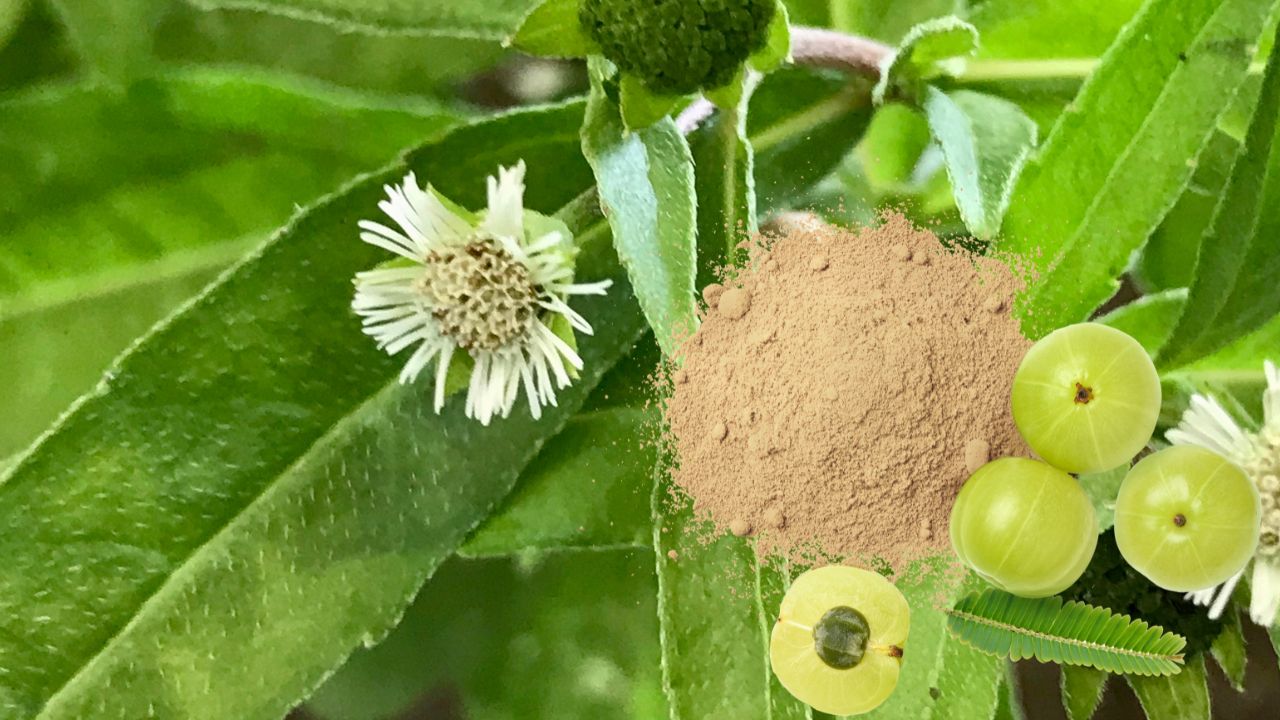
This fruit is a powerhouse of vitamin C and antioxidants. Amla helps strengthen hair roots, reduce hair fall, and promote scalp health. You can eat fresh amla or drink amla juice. You can also use amla powder in a hair mask.

4. Bhringraj
This herb is known as the “king of hair” in Ayurveda. Bhringraj oil is rich in fatty acids that nourish hair follicles and promote hair growth. You can use bhringraj oil for a scalp massage or add it to your shampoo and conditioner.

5. Fenugreek
Fenugreek seeds are rich in protein and nicotinic acid, which are beneficial for hair growth. Fenugreek can be used in a hair mask or as a hair rinse.

Additional tips for rapid hair growth:

  • Eat a healthy diet rich in vitamins, minerals, and protein.
  • Drink plenty of water to stay hydrated.
  • Manage stress levels, as stress can contribute to hair loss.
  • Get regular exercise.
  • Use a gentle shampoo and conditioner.
  • Avoid using harsh chemicals and heat styling tools.

Remember, it takes time to see results from using herbs for hair growth. Be patient and consistent with your treatment.
Disclaimer: This blog post is for informational purposes only and should not be construed as medical advice. Please consult with your doctor before using any new herbs or supplements.

Tagged : / / /

Veteran Actor Junior Mehmood Dies at 67 : Bollywood mourns the loss of a beloved actor

Veteran Actor Junior Mehmood Dies at 67 : Bollywood mourns the loss of a beloved actor
Veteran actor Junior Mehmood, known for his comedic roles in films like Caravan, Haathi Mere Saathi, and Mera Naam Joker, passed away on December 8, 2023, after a long battle with stomach cancer. He was 67.

Mehmood, whose real name was Naeem Sayyed, began his career as a child artist in the 1960s. He went on to act in over 250 films in seven languages, earning a reputation for his versatile comic timing and infectious energy. He started working in films as a kid actor in the movie Naunihal, which also starred Sanjeev Kumar, Balraj Sahni, and Indrani Mukherjee.

The father of Junior Mehmood was an engine driver, and the family lived in the railway cottages. He was the third child out of six. He still had an older brother who worked as a photographer in the movie business.

Mehmood Ali, who had become Naeem Sayyed’s teacher, gave him the name Junior Mehmood.

People know the actor for his great work in well-known films like Caravan, Mera Naam Joker, Haathi Mere Saathi, and Kati Patang.

Junior Mehmood and Sachin Pilgaonkar were a well-known child artists team back in the day. They have worked together on projects like Brahmachari, Bachpan, and Geet Gaata Chal.

He has also been in films with Jeetendra, including Suhaag Raat, Caravan, and Sadaa Suhagan.

It was in his later years that the actor became a director and mostly worked on Marathi pictures.

A close friend of Junior Mehmood, Salam Kazi, told ANI that the actor had been sick for two months, but at first, the actor’s family thought it was nothing serious. After that His medical records showed that he had a tumour in his stomach and cancer in his liver and lungs. The doctors were sure it was cancer in its fourth stage. Johnny Lever, Jeetendra, and Sachin Pilgaonkar, some of his best friends in the business, came to see him in his last days. Junior Mehmood’s wife, two kids, a daughter-in-law, and a grandson will all miss him.

Tagged : / /

5 Unwritten Rules Of Friendship That Ensure Great Friendships

5 Unwritten Rules Of Friendship That Ensure Great Friendships
Friendship is a beautiful tapestry woven with shared experiences, laughter, and unwavering support. But like any intricate art, it requires certain unwritten rules to ensure its strength and longevity. These rules act as the invisible threads that bind friends together, fostering a connection that transcends time and circumstance.

1. The Art of Communication: At the heart of every great friendship lies honest communication. This includes being able to share your thoughts and feelings openly, offering constructive criticism, and actively listening without judgment. Open communication allows friends to build trust and understanding, fostering a safe space for vulnerability and growth.

2. The Power of Quality Time: In our fast-paced world, it’s easy to neglect the importance of quality time with friends. However, making dedicated time for shared activities, whether it’s grabbing coffee, embarking on adventures, or simply enjoying each other’s company, strengthens the bond of friendship. These moments create lasting memories and nurture the emotional connection that distinguishes true friends from acquaintances.

3. The Reciprocity Ritual: Friendship is a two-way street. It’s essential to be present for your friends, offering support during difficult times and celebrating their successes with genuine enthusiasm. This doesn’t have to be grand gestures; even small acts of kindness, like lending a listening ear or running errands, demonstrate care and solidify the reciprocal nature of the relationship.

4. The Forgiveness Formula: We all make mistakes, and true friends understand and forgive. While holding grudges can erode trust and resentment can fester, forgiveness paves the way for a stronger, healthier connection. It’s important to remember that forgiveness is not about condoning the action but about choosing to move forward with love and understanding.

5. The Growth and Change Agreement: As individuals, we are constantly evolving, and our friendships should evolve with us. It’s important to accept that people change and grow over time, and to encourage each other’s individual journeys. This may involve embracing new interests, supporting different life choices, and respecting each other’s evolving values.

These unwritten rules are not rigid mandates, but guiding principles that can help cultivate and nurture lasting friendships. By incorporating them into our interactions, we create a foundation for a bond that is strong, supportive, and ultimately, enriching.

Remember, true friendship is a precious gift. By nurturing it with these unwritten rules, we can create a haven of support and joy, a source of strength and laughter that will forever enrich our lives.

Tagged : / / /

The Scary Thing That Happens To Astronauts’ Fingernails After A Walk In Space

The Scary Thing That Happens To Astronauts’ Fingernails After A Walk In Space
Imagine venturing into the vastness of space, leaving the familiar blue Earth behind. Sounds thrilling, right? But what if I told you that this adventure might come with a rather disturbing side effect – losing your fingernails?

Yes, you read that right. Astronauts who perform spacewalks, also known as Extravehicular Activities (EVAs), often experience a phenomenon called “onycholysis” – the detachment of their fingernails. While it may sound like something out of a sci-fi movie, this physiological quirk is a real consequence of space travel.

The culprit behind this unsettling phenomenon is the lack of atmospheric pressure in space. Compared to Earth’s pressure, the environment outside a spacecraft is almost a vacuum. This drastic difference in pressure can affect the delicate balance of fluids and tissues within the body, including those in the fingertips.

During an EVA, astronauts wear specially designed spacesuits that provide a pressurized environment. However, the gloves of these suits are often tight-fitting to ensure dexterity and control. This tightness, combined with the changes in pressure, can lead to micro-traumas on the fingernails, causing them to eventually detach.

While the exact mechanism behind onycholysis is still being researched, it’s not necessarily a painful experience. Astronauts often report feeling a tingling or numbness in their fingertips during and after an EVA, but the detachment itself usually occurs gradually and painlessly.

However, the psychological impact of losing fingernails can be significant. Seeing a part of your body fall off, no matter how small, can be unsettling. Additionally, the exposed nail beds can be vulnerable to infections and other complications.

So, what are scientists doing to prevent this spacewalk side effect? Researchers are exploring new glove designs that provide better pressure distribution and comfort. Additionally, astronauts are encouraged to wear special fingertip protectors during EVAs to minimize the risk of onycholysis.

While losing fingernails might seem like a bizarre and somewhat scary consequence of space travel, it serves as a reminder of the challenges and adaptations our bodies face in the extraordinary environment of space. As we continue to explore the cosmos, understanding and addressing these physiological changes will be crucial for ensuring the health and well-being of future astronauts.

Tagged : / / /

Could Tiny Black Holes End Our Future Energy Woes?

Could Tiny Black Holes End Our Future Energy Woes?
This blog explores the exciting possibility of harnessing the power of primordial black holes (PBHs) as a clean and sustainable energy source. We’ll delve into the science behind this concept, the challenges involved, and the potential rewards.

Primordial black holes are thought to have formed in the incredibly dense and hot conditions of the early universe. Unlike the large black holes found at the center of galaxies, PBHs are much smaller, with masses ranging from a few times the sun to mere grams.

Scientists have theorized that these tiny black holes or Primordial Black Holes (PBHs), could be used as a source of nuclear power. These black holes are thought to have formed in the very early universe and could be incredibly small, with masses just a few times that of the sun.

A new study by physicists at the University of California, Santa Barbara, suggests that these PBHs could be used to create miniature power plants. The researchers calculated that a PBH with a mass of just 10^15 grams could generate up to 10^24 watts of power, which is equivalent to the output of a large nuclear power plant.

The study’s authors say that their findings could lead to the development of a new generation of power plants that are much smaller and more efficient than existing technologies. However, they caution that there are still many challenges that need to be overcome before PBHs can be used as a practical source of energy.

One of the biggest challenges is that PBHs are very difficult to detect. They are so small and emit so little radiation that they are almost impossible to find. Even if a PBH were to be found, it would be very difficult to capture and contain it.

Another challenge is that PBHs are incredibly dangerous. If a PBH were to come into contact with Earth, it could cause a devastating explosion. For this reason, any attempt to harness the power of PBHs would need to be done with extreme caution.

Despite the challenges, the potential rewards of using PBHs as a source of energy are vast. If scientists can overcome the technical hurdles, PBHs could provide a clean and sustainable source of energy for centuries to come.

The study’s authors say that they are hopeful that their findings will inspire further research into the potential of PBHs. They believe that PBHs could one day revolutionize the way we generate power.

Tagged : / / /

Why Walking Speed Matters More Than Hitting 10,000 Steps Per Day

Why Walking Speed Matters More Than Hitting 10,000 Steps Per Day
For decades, the magic number of 10,000 steps a day has been ingrained in our minds as the key to a healthy lifestyle. While getting your steps in is undeniably important, recent research suggests that focusing on your walking speed might actually be more beneficial for your health.

Here’s why:

Intensity Matters: It’s not just about quantity, but also about quality. Walking slowly for hours doesn’t offer the same health benefits as walking briskly for a shorter duration. And these benefits are:

1. Cardiovascular Health: A faster pace gets your heart rate up, promoting better cardiovascular health and lowering your risk of heart disease.

2. Reduced Risk of Chronic Diseases: Studies have shown that brisk walking can help reduce the risk of various chronic diseases like diabetes, cancer, and dementia.

3. Improved Fitness: Walking at a faster pace strengthens your muscles, improves bone density, and boosts your overall fitness level.

4. Calories Burned: Brisk walking burns more calories than walking slowly, aiding in weight management and promoting a healthy metabolism.

What’s the ideal walking speed?

While research suggests aiming for a brisk pace of around 3-4 miles per hour (5-6.5 kilometers per hour), the ideal speed ultimately depends on your individual fitness level and health goals. If you’re a beginner, start slowly and gradually increase your pace as you get fitter.

Here are some tips for incorporating brisk walking into your routine:

  • Start with a brisk walk for 10-15 minutes a day and gradually increase the duration and intensity.
  • Incorporate interval training by alternating between walking briskly and walking slowly for short periods.
  • Find a walking buddy or group to keep you motivated and accountable.
  • Listen to music or podcasts to make your walks more enjoyable.
  • Track your progress using a fitness tracker or app.

    Remember, consistency is key. Even if you don’t hit 10,000 steps every day, making time for regular brisk walks can significantly benefit your health and well-being. By focusing on both quantity and quality, you can unlock the full potential of walking and take a step towards a healthier and happier you.

Tagged : / / / / /

Lasting Love: 10 Habits of Couples Who Don’t Break Up And Thrive

Lasting Love: 10 Habits of Couples Who Don’t Break Up And Thrive
Ever wondered what makes couples stay strong and happy together? Look no further! This blog dives into 10 key habits that cultivate lasting love, from communication to shared responsibility. Discover the secrets of couples who navigate life’s challenges and build a foundation for a lifetime of joy. So, embrace these habits and watch your relationship blossom!

1. Spending Time Together: It is important for couples to make time for each other, even when they are busy. Spending quality time together helps couples stay connected and build intimacy.

2. Romance: Keeping the romance alive is important for any relationship. Couples should make an effort to be romantic and express their love for each other.

3. Trust: Trust is essential in any relationship. Couples who trust each other are able to feel secure and supported.

4. Shared Responsibilities: Sharing household chores and other responsibilities helps to create a sense of equality and fairness in a relationship.

5. Value Each Other: Couples should make each other feel valued and appreciated. This can be done through words of affirmation, acts of service, gifts, quality time, and physical touch.

6. Apologize When Wrong: Everyone makes mistakes. It is important for couples to be able to apologize when they are wrong and to forgive each other.

7. Check In On Each Other: Checking in on each other regularly shows that you care and are interested in each other’s lives.

8. Fight Fair: When couples fight, it is important to do so in a fair and respectful way. Avoid name-calling, yelling, and other forms of abuse.

9. Seek Help When Needed: If you are struggling in your relationship, don’t be afraid to seek help from a therapist or counselor.

10. Healthy Communication: Communication is key in any relationship. Couples who are able to communicate effectively are able to resolve conflict and build a strong foundation for their relationship.

By following these tips, couples can increase their chances of staying together and having a happy and fulfilling relationship.

Tagged : / /

5 Health Benefits of Black Carrots: Nature’s Hidden Gems

5 Health Benefits of Black Carrots: Nature’s Hidden Gems
Black carrots, with their striking dark purple color, are gaining popularity not just for their unique appearance, but also for their impressive health benefits. Packed with powerful antioxidants and essential nutrients, these colorful beauties offer a variety of advantages for your well-being. Let’s explore five key benefits of black carrots:

1. Vision Boost: Black carrots are rich in anthocyanins, the same pigments that give blueberries their vibrant color. These antioxidants have been shown to improve eye health and protect against age-related macular degeneration and cataracts.

2. Weight Management: Black carrots are high in fiber, which helps you feel full for longer and promotes digestive health. This can be beneficial for weight management as it reduces cravings and controls calorie intake.

3. Improved Heart Health: The anthocyanins in black carrots help protect against cardiovascular diseases by lowering bad cholesterol levels and reducing inflammation. Additionally, black carrots are a good source of potassium, which is essential for maintaining healthy blood pressure.

4. Skin Health: The antioxidants in black carrots help protect your skin from harmful UV rays and environmental damage. They also promote collagen production, which keeps your skin looking youthful and radiant.

5. Stronger Immune System: Black carrots are rich in vitamin C, a powerful antioxidant that boosts your immune system and helps your body fight off infections and diseases.

In addition to these benefits, black carrots are also a good source of vitamins A, K, and B vitamins. They are also low in calories and fat, making them a healthy and nutritious addition to your diet.

Here are some ways to enjoy the benefits of black carrots:

  • Eat them raw as a snack or add them to salads.
  • Juice them and enjoy them fresh.
  • Roast them and add them to stir-fries or soups.
  • Use them to make black carrot cake or muffins.
    With its vibrant color and impressive health benefits, the black carrot is a hidden gem that deserves a place in your diet. So, next time you’re at the grocery store, be sure to pick up a bunch of these colorful beauties and experience their amazing benefits for yourself.
Tagged : / / / /

Fueling Your Fight: How Nutrition Can Boost Your Immune System During Sickness

Fueling Your Fight: How Nutrition Can Boost Your Immune System During Sickness
With autumn’s arrival comes the dreaded cold and flu season. As temperatures drop, so do our immune defenses, making us more susceptible to these unwelcome visitors. While there’s no magic bullet to prevent illness entirely, proper nutrition can play a vital role in strengthening your immune system and helping your body fight back.

Food for Defense: Key Nutrients to Boost Immunity
1. Vitamin C
This antioxidant powerhouse is renowned for its immune-boosting properties. Citrus fruits like oranges and grapefruits are excellent sources, but don’t forget about bell peppers, broccoli, and strawberries.

2. Vitamin D
Often dubbed the “sunshine vitamin,” Vitamin D plays a crucial role in regulating immune function. Fatty fish like salmon and tuna are rich sources, as are fortified milk and egg yolks.

3. Zinc
This essential mineral is vital for cell growth and immune function. Oysters, beef, and pumpkin seeds are excellent dietary sources of zinc.

4. Probiotics
These “good bacteria” residing in our gut play a crucial role in overall health, including immune function. Fermented foods like yogurt, kimchi, and sauerkraut are excellent sources.

5. Protein
This building block of life is essential for building and repairing tissues, including immune cells. Lean protein sources like poultry, fish, and legumes are key dietary components.

Beyond the Plate: Additional Tips for Immune Support

i. Hydration is Key: Water is essential for overall health and immune function. Aim to drink eight glasses of water daily, especially during cold and flu season.

ii. Prioritize Sleep: Sleep deprivation can weaken your immune system. Aim for 7-8 hours of quality sleep each night.

iii. Manage Stress: Chronic stress can negatively impact your immune system. Practice stress-reducing techniques like yoga, meditation, or deep breathing exercises.

iv. Move Your Body: Regular exercise helps boost your immune system and overall health. Aim for at least 30 minutes of moderate-intensity exercise most days of the week.

v. Consider Supplements: While a balanced diet should provide most essential nutrients, some individuals may benefit from supplements like Vitamin D or Zinc, especially during cold and flu season. Consult your doctor before starting any supplements.

Remember: A healthy immune system is your body’s best defense against colds and flu. By incorporating these nutritional and lifestyle changes into your routine, you can empower your immune system and stay strong during cold and flu season.

Tagged : / / / / /

5 Simple Habits To Keep Your Leg Muscles Healthy And Running Strong

5 Simple Habits To Keep Your Leg Muscles Healthy And Running Strong
ur legs are the workhorses of our bodies, carrying us throughout the day and allowing us to participate in activities we enjoy. Keeping them strong and healthy is essential for maintaining mobility, preventing injuries, and optimizing performance. Here are five simple habits you can incorporate into your daily routine to keep your leg muscles healthy and running strong:

1. Stretch Regularly

Stretching is crucial for improving flexibility and range of motion, reducing muscle stiffness, and preventing injuries. Make it a point to stretch your legs for at least 10-15 minutes daily, focusing on major muscle groups like hamstrings, quadriceps, calves, and glutes. Hold each stretch for 30-60 seconds and repeat 2-3 times.

2. Engage in Strength Training

Building strong leg muscles is essential for supporting your body weight, absorbing impact, and preventing injuries. Include strength training exercises like squats, lunges, calf raises, and leg presses in your workout routine at least twice a week. Start with lighter weights and gradually increase intensity as your muscles get stronger.

3. Fuel Your Body Properly

Providing your body with the right nutrients is vital for muscle growth and recovery. Ensure you consume a balanced diet rich in protein, carbohydrates, and healthy fats. Protein is essential for building and repairing muscle tissue, while carbohydrates provide energy for workouts. Healthy fats promote overall health and contribute to muscle function.

4. Stay Hydrated

Water plays a crucial role in transporting nutrients to your muscles and aiding in muscle recovery. Aim to drink eight glasses of water daily, especially before, during, and after workouts.

5. Get Enough Sleep

Sleep is essential for muscle growth and repair. When you sleep, your body releases hormones that help your muscles recover from exercise and grow stronger. Aim for 7-8 hours of quality sleep each night.

Bonus Tip:
In addition to these habits, consider incorporating activities like walking, running, cycling, or swimming into your routine. These activities are excellent ways to engage your leg muscles in a cardio-focused workout, promoting overall health and fitness.

By incorporating these simple habits into your daily life, you can strengthen your leg muscles, reduce your risk of injuries, and keep your body running strong for years to come. Remember, consistency is key, so make these habits a regular part of your routine to reap the benefits.

Tagged : / / / /

Not Just Beetroot, Banana, These Foods Too Lower Your Blood Pressure Naturally

Not Just Beetroot, Banana, These Foods Too Lower Your Blood Pressure Naturally
High blood pressure, also known as hypertension, affects millions worldwide. While medication plays a crucial role in managing this condition, incorporating certain foods into your diet can also significantly contribute to lowering blood pressure. Here are five naturally potent options:

1. Beetroot
This vibrant root vegetable is rich in nitrates, which your body converts into nitric oxide. This essential molecule helps relax and dilate blood vessels, leading to improved blood flow and reduced blood pressure. Enjoy beetroot roasted, juiced, or added to salads and soups.

2. Potassium Powerhouse: Bananas
Bananas are renowned for their high potassium content. Potassium helps counteract the negative effects of sodium on blood pressure by relaxing blood vessel walls. Aim for one to two bananas daily to reap the benefits.

3. Leafy Greens
Spinach, kale, and other leafy greens are packed with nutrients beneficial for blood pressure control. They’re rich in potassium, magnesium, and nitrates, which work together to promote relaxation and reduce blood pressure. Incorporate these greens into your diet through salads, smoothies, or stir-fries.

4. Berries
These antioxidant-rich fruits offer a delicious way to support your blood pressure health. Berries are low in sodium and high in potassium and fiber, contributing to improved blood vessel function and reduced inflammation. Enjoy a handful of berries as a snack or add them to your yogurt or oatmeal.

5. The Heart-Healthy Nut: Almonds
These crunchy nuts are packed with magnesium, potassium, and healthy fats that benefit heart health. Including almonds in your diet can help lower blood pressure and improve overall cardiovascular health. Enjoy a handful of almonds as a snack or incorporate them into recipes like salads and trail mix.

Remember, incorporating these foods into your diet alongside a healthy lifestyle can significantly contribute to managing your blood pressure. Consult your doctor for personalized advice on how to manage your blood pressure effectively.

Tagged : / / / /

How Stress Eating Leads To Weight Gain? Follow These 8 Tips To Combat It

How Stress Eating Leads To Weight Gain? Follow These 8 Tips To Combat It
Stress eating is a common phenomenon where individuals turn to food for comfort and relief during times of stress or emotional turmoil. While it may provide temporary solace, stress eating can lead to long-term consequences, including weight gain. This blog delves into the science behind stress eating and its impact on weight, offering eight practical tips to combat this unhealthy habit.

Understanding the Science of Stress and Appetite

When we are stressed, our bodies release hormones like cortisol, adrenaline, and norepinephrine. These hormones trigger the “fight-or-flight” response, preparing us to deal with the perceived threat. As part of this response, cortisol also stimulates the appetite, leading us to crave calorie-dense foods high in fat, sugar, and salt. These foods provide a quick burst of energy and help us feel momentarily better, but they can contribute to weight gain over time.

The Weight Gain Connection

Stress eating often leads to consuming more calories than we burn, resulting in a calorie surplus. This surplus is stored as fat, leading to gradual weight gain. Additionally, stress can disrupt sleep patterns and impair our body’s ability to regulate hormones like insulin, further contributing to weight gain.

8 Tips to Combat Stress Eating

Fortunately, there are several effective strategies to combat stress eating and prevent its negative consequences. Here are eight practical tips you can try:

1. Identify Your Stress Triggers: What situations or emotions make you crave unhealthy foods? Once you identify your triggers, you can develop healthier coping mechanisms like taking a walk, listening to music, or practicing relaxation techniques.

2. Plan Your Meals and Snacks: Planning ahead ensures you have healthy food readily available, reducing the temptation to reach for unhealthy options when stressed. Stock your pantry and fridge with nutritious snacks like fruits, nuts, and yogurt.

3. Practice Mindful Eating: Be present in the moment while eating. Pay attention to your body’s hunger and fullness cues. Eat slowly and savor your food, allowing yourself to experience real satisfaction from healthy meals.

4. Prioritize Regular Exercise: Physical activity is a potent stress reliever. Aim for at least 30 minutes of moderate-intensity exercise most days of the week. Whether it’s going for a brisk walk, running, or dancing, exercise helps reduce stress hormones and improve mood.

5. Ensure Adequate Sleep: Chronic sleep deprivation can increase stress and cortisol levels, promoting stress eating. Aim for 7-8 hours of quality sleep each night to improve your body’s ability to cope with stress in a healthy way.

6. Limit Alcohol Consumption: Alcohol can worsen stress and impair judgment, making it difficult to resist unhealthy cravings. Consider limiting or avoiding alcohol altogether to better manage stress eating.

7. Seek Social Support: Surround yourself with positive and supportive individuals who can offer emotional support and help you navigate stressful situations.

8. Consider Professional Help: If you struggle to manage stress eating on your own, don’t hesitate to seek help from a therapist or registered dietitian. They can provide personalized guidance and support to develop healthier coping mechanisms and address the underlying causes of stress eating.

Remember, breaking the cycle of stress eating requires consistent effort and self-compassion. By implementing these tips and prioritizing your well-being, you can effectively combat stress eating and achieve your weight and health goals.

Tagged : / / /

Effective Home Remedies To Get Rid Of Dandruff From Your Kid’s Scalp

Effective Home Remedies To Get Rid Of Dandruff From Your Kid’s Scalp
Dandruff can be a frustrating and embarrassing condition, especially for a child. While it’s usually harmless, it can be itchy and uncomfortable. Luckily, there are several effective home remedies that can help get rid of dandruff from your kid’s scalp.

1. Coconut Oil

Coconut oil is a natural moisturizer and anti-inflammatory agent that can help soothe the scalp and reduce flaking. To use, apply a few tablespoons of coconut oil to your child’s scalp and massage it in. Leave it on for at least 30 minutes before shampooing it out.

2. Apple Cider Vinegar

Apple cider vinegar is another natural remedy that can help fight dandruff. It has anti-fungal and anti-bacterial properties that can help kill the yeast that causes dandruff. Mix equal parts apple cider vinegar and water in a spray bottle. Spray the mixture on your child’s scalp and let it sit for 15 minutes before shampooing it out.

3. Tea Tree Oil

Tea tree oil is a powerful essential oil that has anti-fungal and anti-inflammatory properties. It can be used to treat a variety of skin conditions, including dandruff. Mix 2-3 drops of tea tree oil with a tablespoon of carrier oil, such as jojoba or almond oil. Apply the mixture to your child’s scalp and massage it in. Leave it on for 30 minutes before shampooing it out.

4. Baking Soda

Baking soda is a natural exfoliant that can help remove dead skin cells and flakes from the scalp. To use, wet your child’s hair and sprinkle a small amount of baking soda on their scalp. Massage it in for a few minutes before rinsing it out.

5. Aloe Vera

Aloe vera is a natural soothing agent that can help reduce inflammation and irritation. It can also help condition the hair and scalp. Apply a small amount of aloe vera gel to your child’s scalp and massage it in. Leave it on for 30 minutes before shampooing it out.

In addition to the home remedies above, there are a few other things you can do to help get rid of dandruff from your child’s scalp:

  • Use a mild shampoo. Avoid harsh shampoos that can strip the scalp of its natural oils.
  • Wash your child’s hair regularly. This will help remove dead skin cells and flakes from the scalp.
  • Brush your child’s hair regularly. This will help to stimulate the scalp and distribute natural oils.
  • Avoid using too much heat on your child’s hair. Heat can dry out the scalp and make dandruff worse.
  • Keep your child’s hair clean and dry. This will help prevent the growth of yeast and bacteria that can cause dandruff.

    If your child’s dandruff is severe or doesn’t improve with home treatment, consult with a pediatrician or dermatologist. They can diagnose the underlying cause of your child’s dandruff and recommend the best treatment options.

It’s important to remember that everyone is different, and what works for one child may not work for another. If you find that one home remedy doesn’t work, try another. You may need to experiment a bit to find what works best for your child.

With a little patience and persistence, you can help your child get rid of dandruff and enjoy healthy, flake-free hair.

Tagged : / / / / /
Verified by ExactMetrics