Shreyas Talpade, 47 Collapses Of Heart Attack At A Film Set, Undergoes Angioplasty

Shreyas Talpade, 47 Collapses Of Heart Attack At A Film Set, Undergoes Angioplasty
‘Iqbal’ fame actor Shreyas Talpade aged 47 collapsed after completing the shooting for the day for his film ‘Welcome To The Jungle’ where he stars along side Akshay Kumar. According to people present on the set, he was laughing and joking the entire day but after reaching home, he complained to his wife about feeling uneasy. He then collapsed and was immediately rushed to the Bellevue Hospital. The doctors at the hospital performed angioplasty and the update is that Shreyas is doing good and his condition is stable now.

The hospital said that the angioplasty took place around 10 p.m. on Thursday, December 14, and that he is doing fine now. They also said the surgery went well and the star is now stable. “He was admitted late at night, and the surgery took place around 10 pm.” “He is fine now and should be sent home in a few days,” the hospital said.

Talpade, who is 47 years old, is a well-known actress in Hindi and Marathi films. He became well-known for playing an athlete with special needs in the 2005 movie “Iqbal,” which also starred Naseeruddin Shah. Before Iqbal, Shreyas Talpade became well-known for his work in Marathi TV shows and plays. Among the films he’s been in are “Om Shanti Om,” “Golmaal Returns,” and “Housefull 2.” Other films, like “Dor,” have also done well at the box office. Here is wishing a speedy recovery for Shreyas.

Tagged : / / / /

Does Using Tissues Mean Getting More Trees Cut? Should We Stop Using Tissues?

Does Using Tissues Mean Getting More Trees Cut? Should We Stop Using Tissues?”
The humble tissue, a ubiquitous companion in sneezes, spills, and runny noses, has sparked debate about its environmental impact. Is its convenience worth the potential deforestation it causes? Should we ditch tissues altogether and embrace a more sustainable alternative? Let’s unravel the tangled threads of this issue.

Tissues and Trees: A Complex Connection

The paper industry, a major source of tissue production, relies heavily on trees. Wood pulp, derived from harvested trees, forms the backbone of tissue paper. While some mills use recycled paper, virgin wood pulp remains a significant component. This raises concerns about deforestation, habitat loss, and the carbon footprint associated with tree harvesting and paper production.

However, the picture isn’t entirely black and white. The paper industry has made strides towards sustainable practices. Many mills source wood from certified forests, which are managed responsibly to ensure long-term forest health. Additionally, advancements in recycling technology have increased the use of recycled paper in tissue production, reducing the reliance on virgin wood.

Beyond Tissues: The Bigger Sustainability Picture

Tissues are just one piece of the paper puzzle. Paper towels, toilet paper, and other paper products also contribute to deforestation. A holistic approach to paper consumption and waste reduction is crucial for minimizing our environmental impact. Here are some alternative options to consider:

  • Reusable handkerchiefs and cloth napkins: These classic options offer a sustainable and stylish alternative to tissues.
  • Air dryers: Opting for air dryers in public restrooms can significantly reduce paper towel usage.
  • Compostable tissues: Look for tissues made from recycled paper or bamboo, which can be composted and returned to the soil.                                                                                                                                                                                  Finding the Balance: Responsible Tissue Use

While eliminating tissues entirely might seem ideal, it’s not always practical or realistic. The key lies in responsible use and conscious choices. Here are some tips:

  • Use tissues only when necessary. Avoid using them for minor spills or wiping surfaces that can be cleaned with a cloth.
  • Buy tissues in bulk. This reduces packaging waste and minimizes the number of trips to the store.
  • Support sustainable brands. Choose tissues made from recycled paper or bamboo, and look for certifications like FSC (Forest Stewardship Council) to ensure responsible forestry practices.

Ultimately, the issue of tissues and sustainability is a complex one. While their use can contribute to deforestation, responsible consumption and a shift towards sustainable alternatives can minimize their environmental impact. Remember, every little step counts in the journey towards a greener future. So, the next time you reach for a tissue, take a moment to consider the alternatives and choose wisely.

By making informed choices and embracing sustainable practices, we can ensure that our everyday actions don’t come at the cost of our precious trees. Let’s strive for a future where convenience and sustainability coexist, and tissues become a symbol of responsible resource management, not deforestation.

Tagged : / /

Lenovo’s Tiny Titan: Chromebox Micro Turns Any Display into a Chromebook for $219

Lenovo’s Tiny Titan: Chromebox Micro Turns Any Display into a Chromebook for $219
Move over, bulky desktops and clunky laptops! Lenovo has unleashed a pocket-sized powerhouse that’ll redefine your computing experience. Introducing the Chromebox Micro, a miniature marvel that transforms any display into a Chromebook, all for a budget-friendly $219.

Small But Mighty:

Don’t let its size fool you. This ultra-compact device, roughly the size of two smartphones stacked together (163 x 79 x 20mm), packs a serious punch. Under the hood, you’ll find:

  • Powerful MediaTek MT8183 octa-core processor: Stream your favorite shows, breeze through documents, and even tackle light gaming with ease.
  • 2GB or 4GB of RAM: Choose the configuration that best suits your multitasking needs.
  • 16GB or 32GB of eMMC storage: Save your essential files and applications locally.
  • Wi-Fi 6e: Experience blazing-fast wireless connectivity for seamless browsing and streaming.
  • USB-C 3.2 Gen 2 ports: Connect to external displays, keyboards, mice, and other peripherals with ease.

Versatility is Key:

The true magic of the Chromebox Micro lies in its adaptability. Simply plug it into any HDMI-equipped display, and boom! You’ve got a fully functional Chromebook at your fingertips. This makes it ideal for:

Breathing new life into old TVs: Turn that dusty TV in the corner into a smart display for streaming, web browsing, and even video conferencing.
Creating a clutter-free workspace: Set up a dedicated Chromebook station for work or study without breaking the bank.
Building a portable entertainment system: Take your movies, music, and games on the go with this pocket-sized powerhouse.

Big Value, Small Price:

Starting at $219 for the 2GB/16GB configuration, the Chromebox Micro is an incredibly affordable way to experience the best of ChromeOS. Plus, Lenovo is collaborating with display manufacturers to offer 15.6″ and 21.5″ displays with built-in cutouts for mounting the Chromebox Micro, creating a sleek and seamless setup.

Availability and Excitement:

Mark your calendars, because the Chromebox Micro is expected to hit the market in the first quarter of 2024. So, start planning your pocket-powered Chromebook adventures! Whether you’re a tech enthusiast, a budget-conscious consumer, or simply looking for a versatile way to get online, the Lenovo Chromebox Micro is definitely worth keeping an eye on.

Ready to downsize your computing experience and embrace the power of the pocket-sized Chromebox Micro? Let us know in the comments below!

Tagged : / /

7 Warning Signs Your Body Sends When You Have Heart Blockage

7 Warning Signs Your Body Sends When You Have Heart Blockage
Your heart is the engine that keeps you going, and maintaining its health is vital. Unfortunately, blockages in the arteries supplying your heart with blood can silently develop, putting your health at risk. While chest pain is a classic symptom, several other seemingly unrelated signs can indicate heart blockage. Early detection and intervention are crucial, so pay attention to these 7 warning signs your body sends:

1. Unexplained Fatigue: Feeling constantly drained, even after adequate sleep, could be a sign of reduced blood flow to your heart. Your body prioritizes blood flow to vital organs, so activities that normally wouldn’t tire you out might feel incredibly taxing.

2. Excessive Sweating: Cold sweats, especially during activity or at rest, can be a sign your heart is working harder than usual to compensate for the blockage. This isn’t the same as exercise-induced sweating, so be mindful of unusual perspiration.

3. Dizziness or Lightheadedness: Feeling lightheaded or like you might faint could indicate a sudden drop in blood pressure due to the heart struggling to pump effectively. This can happen even when you’re standing still or getting up from a seated position.

4. Shortness of Breath: Difficulty catching your breath, even after minimal exertion or while lying down, can signal your heart isn’t getting enough oxygen-rich blood to meet your body’s demands. This can be a frightening symptom and requires immediate medical attention.

5. Nausea and Indigestion: While digestive issues can have various causes, persistent nausea, vomiting, or indigestion that doesn’t improve with medication could be a sign of reduced blood flow to the heart. This can mimic symptoms of other conditions, so consulting a doctor is crucial for proper diagnosis.

6. Pain Beyond the Chest: While chest pain is a typical symptom, heart blockages can also cause pain in unexpected places like the neck, jaw, shoulders, upper back, or even the arms. This pain can be sharp or dull and come and go, making it easy to dismiss. Don’t ignore persistent pain, especially if it radiates beyond your chest.

7. Swelling in the Legs and Ankles: Fluid buildup in the lower extremities can occur due to reduced blood flow from the heart. This swelling can be noticeable in the ankles and feet, particularly at the end of the day or after prolonged sitting.

Remember: These symptoms can have various causes, and experiencing one or two doesn’t necessarily mean you have a heart blockage. However, it’s always best to err on the side of caution and consult a doctor if you experience any of these symptoms persistently or with concerning intensity. Early diagnosis and treatment can significantly improve your prognosis and prevent serious complications.

Listen to your body, and don’t hesitate to seek medical help if you notice any of these warning signs. Your heart health is too important to ignore!

Tagged : / / / /

The Lingering Shadow: Absent Parenting and its Far-Reaching Effects on Kids

The Lingering Shadow: Absent Parenting and its Far-Reaching Effects on Kids
Across the globe, millions of children navigate the complexities of life without the guiding hand of involved parents. Absent parenting, encompassing physical or emotional unavailability, casts a long shadow on their lives, shaping their emotional, social, and cognitive development in profound ways.

The Vacuum of Care

Imagine a young sapling struggling to find sunlight amidst a dense forest canopy. That’s the reality for children of absent parents. They crave the warmth of connection, the nourishment of emotional support, and the steadying hand of guidance. In its absence, they grapple with a gnawing emptiness, often leading to:

1. Emotional turmoil: Loneliness, anxiety, and depression become unwelcome companions. The constant yearning for connection can manifest in anger, withdrawal, or self-destructive behaviors.

2. Low self-esteem: The absence of parental validation and affirmation chips away at their sense of worth. They may feel inadequate, unlovable, and question their place in the world.

3. Academic challenges: Difficulty concentrating, a lack of motivation, and poor study habits can become significant hurdles to academic success.

The Ripple Effect

The impact of absent parenting extends far beyond the individual child. It affects their relationships, their ability to form healthy attachments, and ultimately, the fabric of society. We see:

1. Increased risk of substance abuse and criminal activity: As coping mechanisms, children may turn to drugs, alcohol, or risky behavior to numb the pain of neglect.

2. Intergenerational cycles of dysfunction: The patterns of absent parenting can repeat themselves, perpetuating a cycle of neglect and emotional unavailability.

3. Increased risk of mental health issues: Children with absent parents during the growing years tend to succumb to mental health issues more than those who had involved parents.

Lighting the Path Forward

While the consequences of absent parenting are significant, there is hope. By acknowledging the problem, providing support systems for both children and families, and fostering a culture of understanding and compassion, we can work towards a brighter future. Here are some steps we can take:

  • Strengthening community support networks: Mentorship programs, foster care, and family counseling can provide much-needed support and guidance for children and families struggling with absent parenting.
  • Promoting responsible parenting initiatives: Educational programs can equip parents with the tools and resources necessary to raise healthy, well-adjusted children.
  • Combating stigma and discrimination: Society needs to move away from blaming and shaming children of absent parents and instead offer them empathy and understanding.

Remember, every child deserves a chance to bloom. By addressing the issue of absent parenting with compassion and proactive solutions, we can create a world where every child has the opportunity to thrive, regardless of their circumstances.

Let’s work together to ensure that no child grows up in the shadow of neglect. Their well-being is our collective responsibility.

Tagged : / / /

Day and Night: Why Your Skin Needs Two Different Creams

Day and Night: Why Your Skin Needs Two Different Creams
We all know the importance of a good skincare routine, but when it comes to moisturizers, are you using the right one for the right time? Many people reach for the same cream morning and night, but the truth is, your skin has different needs depending on the time of day. That’s where separate day and night creams come in.

Day Cream: Your Shield Against the Daytime Grind

Think of your day cream as your skin’s armor against the environmental aggressors it faces throughout the day. Pollution, UV rays, and even blue light from screens can damage your skin, leading to premature aging, hyperpigmentation, and dryness. A good day cream should:

  • Contain SPF: This is non-negotiable! SPF protects your skin from harmful UV rays that can cause sunburn, wrinkles, and even skin cancer. Look for a day cream with SPF 30 or higher.
  • Be lightweight and hydrating: Day creams should be light enough to wear under makeup but still provide adequate hydration. Hyaluronic acid and glycerin are great hydrating ingredients to look for.
  • Have antioxidant properties: Antioxidants like vitamin C and E help to neutralize free radicals that damage skin cells.

Night Cream: Your Skin’s Repair and Rejuvenation Partner

While your day cream is on defense duty, your night cream is all about repair and restoration. At night, your skin goes into repair mode, and the right night cream can help to:

  • Boost collagen production: Collagen is a protein that gives skin its plumpness and elasticity. Night creams often contain retinol, which stimulates collagen production and helps to reduce wrinkles.
  • Deeply hydrate: Night creams are typically richer and more emollient than day creams, providing your skin with the deep hydration it needs to repair itself overnight.
  • Soothe and calm: Night creams can help to soothe irritation and inflammation, leaving your skin feeling soft and smooth in the morning.
  •                                      
    The Importance of Using Separate Creams

Using separate day and night creams is not just about marketing hype; it’s about giving your skin the targeted care it needs to thrive. Day creams are formulated to protect your skin from external factors, while night creams focus on repair and rejuvenation. Using the right cream for the right time can:

  • Improve the overall health and appearance of your skin.
  • Help to prevent premature aging.
  • Reduce the appearance of wrinkles and fine lines.
  • Give your skin a healthy, radiant glow.
  • Making the Switch to Separate Creams

If you’re not already using separate day and night creams, it’s easy to make the switch. Simply talk to your dermatologist or esthetician for recommendations based on your skin type and concerns. Start by incorporating one new cream at a time, either your day cream or night cream, and see how your skin reacts. Once you’ve found the right products for you, you’ll be on your way to healthier, happier skin.

Remember, your skin is unique, so what works for one person may not work for another. Experiment with different products and find what works best for you. And most importantly, be patient! It takes time to see the full benefits of a good skincare routine.

Tagged : / / / /

We Bet You Didn’t Know These 10 Benefits Of Using Rose Water On Your Face

We Bet You Didn’t Know These 10 Benefits Of Using Rose Water On Your Face
Rose water, a fragrant liquid extracted from rose petals, has been used for centuries for its beauty and health benefits. It’s a natural toner, astringent, and anti-inflammatory agent that can be used on all skin types. Here are 10 reasons why you should add rose water to your skincare routine:

1. Reduces redness and inflammation: Rose water’s anti-inflammatory properties can help to reduce redness and irritation caused by acne, sunburn, and eczema.

2. Soothes and hydrates: Rose water’s cooling and hydrating properties can help to soothe dry, irritated skin. It can also help to balance the skin’s pH level.

3. Controls oil: Rose water’s astringent properties can help to control excess oil production, making it beneficial for oily and acne-prone skin.

4. Treats acne: Rose water’s antibacterial properties can help to fight acne-causing bacteria. It can also help to reduce the appearance of acne scars.

5. Heals wounds: Rose water’s antiseptic properties can help to heal wounds and prevent infections.

6. Mood-enhancing: Rose water’s aroma is known to have mood-enhancing and calming properties. It can be used as a natural pick-me-up or to promote relaxation before bed.

7. Anti-aging: Rose water’s antioxidant properties can help to protect the skin from damage caused by free radicals. This can help to reduce the appearance of wrinkles and fine lines.

8. Soothes digestion: Rose water is sometimes used to soothe digestive problems such as indigestion and constipation.

9. Brightens skin: Rose water can help to brighten the skin and give it a natural glow.

10. Safe for all skin types: Rose water is gentle enough for all skin types, even sensitive skin.

In addition to these benefits, rose water is also affordable and easy to find. You can buy it at most drugstores and beauty stores.

Here are a few ways to use rose water on your face:

  • As a toner: After cleansing your face, spritz some rose water onto a cotton pad and wipe it over your face.
  • As a mask: Soak a cotton pad in rose water and place it on your face for 10-15 minutes.
  • As a mist: Keep a bottle of rose water in your refrigerator and spritz it on your face throughout the day to refresh and hydrate your skin.
  • In DIY skincare recipes: Rose water can be used in DIY skincare recipes such as face masks, toners, and serums.

This is why Rose Water is great for your skin. But always remember, everybody’s skin is different so always contact a doctor if you feel the rose water is not working on your skin or there are any side effects.

Tagged : / / /

7 Superfoods to Soothe Acid Reflux and Heartburn Naturally

7 Superfoods to Soothe Acid Reflux and Heartburn Naturally
Acid reflux, that burning sensation creeping up your chest, can make even the simplest meal a daunting task. But fear not, fellow heartburn warriors! Mother Nature has provided us with an arsenal of delicious “superfoods” that can help calm the flames and bring peace to your gut. Ditch the antacids and embrace these 7 natural heartburn heroes:

1. Melons: Watermelon, cantaloupe, and honeydew are nature’s candy, packed with water and electrolytes that help dilute stomach acid and soothe irritation. Plus, their high fiber content aids digestion, preventing food from sitting in your stomach and triggering reflux.

2. Bananas: This potassium-rich fruit is a natural antacid, neutralizing stomach acid and preventing heartburn. Their creamy texture also coats the esophagus, providing a protective barrier against irritation. Bonus points for ripe bananas, as unripe ones can be acidic.

3. Leafy Greens: Don’t underestimate the power of greens! Spinach, kale, and collard greens are low in fat and acid, making them easy on your stomach. They’re also packed with vitamins and minerals that support overall gut health and digestion.

4. Ginger: This spicy root is a natural anti-inflammatory and has been used for centuries to soothe digestive issues. Ginger tea or a few slices chewed after a meal can help calm stomach upset and reduce acid reflux symptoms.

5. Oatmeal: This fiber-rich breakfast staple is a lifesaver for heartburn sufferers. Oatmeal absorbs excess stomach acid and creates a barrier against irritation. Opt for steel-cut oats for the most fiber and avoid sugary toppings.

6. Almonds: These crunchy nuts are a good source of healthy fats and magnesium, both of which can help relax the esophageal sphincter and prevent reflux. Enjoy a handful as a snack or sprinkle them on yogurt for added texture and flavor.

7. Yogurt: Plain, unsweetened yogurt is a probiotic powerhouse, teeming with good bacteria that aid digestion and keep your gut microbiome happy. This can help prevent acid reflux and other digestive issues. Choose low-fat or fat-free options for optimal comfort.

Remember, everyone’s triggers are different, so experiment and find what works best for you. Incorporate these superfoods into your diet, listen to your body, and enjoy the freedom of a heartburn-free life!

Bonus Tip: Lifestyle changes like eating smaller meals more frequently, managing stress, and avoiding trigger foods can also significantly improve acid reflux symptoms. Consult your doctor if symptoms persist or worsen.

With these superfoods and a little lifestyle tweaking, you can say goodbye to heartburn and embrace a life of delicious, comfortable meals!

Tagged : / / / / / /

The Curious Case of Taste Buds: Why Do We Crave Sweet or Salty?

The Curious Case of Taste Buds: Why Do We Crave Sweet or Salty?
Have you ever wondered why your friend douses their popcorn in ketchup while you reach for the chili flakes? Or why some people swoon over a plate of Brussels sprouts while others recoil in horror? The fascinating mystery of taste preferences is as old as humanity itself, and the answer lies in a complex interplay of biology, environment, and even personal history.

The Science of Sweetness and Salt:

Our taste buds, those tiny bumps on our tongue, are equipped with specialized receptors for five basic tastes: sweet, salty, bitter, sour, and umami (savory). These receptors send signals to the brain, triggering the flavor sensations we experience.

Sweetness: Our love for sugar can be traced back to our evolutionary past. Sweet foods often indicate high energy content, essential for survival. Receptors for sweetness, located primarily on the tip of the tongue, trigger a pleasurable dopamine release, reinforcing our desire for sugary treats.

Saltiness: Our craving for salt is equally rooted in biology. Sodium is crucial for maintaining proper fluid balance and nerve function. Salt receptors, found across the tongue, alert us to potential deficiencies and drive us to seek out salty foods.

Beyond Biology: The Role of Experience and Environment:

While our taste buds play a crucial role, our preferences are far from preordained. Experience and environment play a significant role in shaping our palates.

Early Exposure: Babies exposed to a variety of flavors during breastfeeding and early weaning tend to have more diverse palates. Cultural and family food traditions also influence our preferences.
Learned Associations: If you associate a particular food with positive memories or emotional comfort, you’re more likely to develop a fondness for it. Conversely, negative experiences, like childhood food poisoning, can lead to aversions.
Sensory Cues: The color, aroma, and texture of food can also influence our perception of taste. Creamy textures often enhance sweetness, while bright colors can make salty foods more appealing.

The Genetic Factor:

Emerging research suggests that genetics may also play a part. Studies have identified genes linked to taste sensitivity, with some individuals possessing more or fewer taste receptors for specific flavors. This could explain why some people find bitter vegetables intensely unpleasant, while others find them surprisingly enjoyable.

The Takeaway: A Spectrum of Deliciousness:

Ultimately, taste preferences are unique and multifaceted. There’s no single answer to why some people crave sweet while others seek out salty. It’s a beautiful tapestry woven from biology, experience, and personal history. So next time you find yourself reaching for a different flavor than your friend, remember – there’s no right or wrong answer in the world of taste! Embrace the diversity and celebrate the unique flavor journey of each individual palate.

Tagged : / / /

Space Tomato Mystery Solved: The Tomato Was In Hiding It Seems!

Space Tomato Mystery Solved: The Tomato Was In Hiding It Seems!
After eight months, NASA astronauts finally found the lost tomato grown in space. It was in a corner of the International Space Station (ISS). After being carefully grown at the ISS, the tomato went missing on March 29, 2023. It quickly became a running joke among the team. Space.com says that astronaut Frank Rubio was blamed for eating the lost tomato. This tomato was grown in space as part of NASA’s VEG-05 project, which also grew cabbage, kale, and other vegetables. Each ISS astronaut got a sample of the tomatoes in March, after they were picked safely.

But the pilots were hesitant to eat the crops grown in space because they were afraid that fungi might be growing on them. Astronaut Frank Rubio lost his tomato, and his team made fun of the idea that he ate it and was not paying attention.

Last but not least, on Wednesday, astronauts on the International Space Station (ISS) talked about finding the lost tomato in a live-streamed event to honour the ISS’s 25th anniversary. During the video, NASA astronaut Jasmin Moghbeli said, “For a long time, our good friend Frank Rubio, who went home, has been blamed for eating the tomato.” We can clear him though. The tomato was found.

In September, Rubio talked to NASA Administrator Bill Nelson and Deputy Administrator Pam Melroy through a live stream about his long stay at ISS. He was asked in jest about the missing tomato during the talk. “I didn’t eat the tomato, and I wish I had at this point because I think everyone thinks I did,” the 47-year-old said. It took me hours and hours to find that thing.

Tagged : / / / /

Cotton Goes High-Tech: New Conductive Fiber Paves the Way for Smart Textiles

Cotton Goes High-Tech: New Conductive Fiber Paves the Way for Smart Textiles
Move over, polyester and nylon, cotton is getting a tech makeover! Researchers at Washington State University (WSU) have developed a revolutionary new cotton-based fiber that combines the natural comfort of cotton with the electrical conductivity of a polymer, paving the way for a future of smart and functional textiles.

This innovative fiber, a single strand thinner than a human hair, holds immense potential for wearable electronics, healthcare applications, and even environmental monitoring. It’s made by coating natural cotton fibers with a thin layer of polyaniline, a conductive polymer, using a unique green chemistry process. This process preserves the breathability and softness of cotton while imbuing it with the ability to conduct electricity.

“This is a significant breakthrough,” says WSU professor Xinhai Lu, lead author of the study published in the journal Carbohydrate Polymers. “It allows us to create smart textiles that are comfortable to wear, unlike some existing options that can be stiff and irritating.”

Imagine a shirt that could monitor your heart rate and breathing, or a pair of socks that could track your steps and calories burned. This is the future that the WSU team envisions for their conductive cotton fibers. They have already successfully tested the fibers in prototypes for a system that powers an LED light and another that senses ammonia gas, showcasing their potential for real-world applications.

The benefits of this technology extend beyond wearable electronics. The conductive fibers could be used to create self-heating fabrics for cold weather gear or wound dressings that monitor healing progress. They could even be woven into sensors for environmental monitoring, tracking temperature, humidity, and pollution levels.

“The possibilities are endless,” says Lu. “This technology has the potential to revolutionize the textile industry and create a new generation of smart and functional fabrics.”

The WSU team is now working on scaling up the production process and exploring partnerships with textile manufacturers to bring their invention to market. While there are still some challenges to overcome, such as ensuring the long-term durability and wash-resistance of the conductive coating, the potential of this technology is undeniable.

Cotton, a natural and sustainable material, is poised to become the next frontier in smart textiles. This innovative fiber is a testament to the power of green chemistry and its potential to create sustainable and functional materials for a better future. So, the next time you slip on a cotton T-shirt, remember, it might not just be comfortable, it could be the future of technology woven into your skin.

Tagged : / / /

8 Leafy Superstars to Power Up Your Plate : Know The Benefits!

8 Leafy Superstars to Power Up Your Plate : Know The Benefits!
We often focus on fruits and vegetables, but the humble leaf often gets relegated to garnish duty. It’s time to give these leafy powerhouses their due! They’re packed with nutrients, antioxidants, and unique flavors that can transform your meals and your health. Here are 8 amazing leaves to add to your diet and their incredible benefits:

1. Neem: This bitter-tasting wonder from the Indian subcontinent is revered for its medicinal properties. Neem leaves are loaded with antioxidants, anti-inflammatory compounds, and blood sugar regulators. They can be used to make tea, chutneys, or even toothpaste!

2. Curry Leaves: Don’t underestimate these tiny, citrusy leaves! They’re a staple in South Indian cuisine and are rich in vitamin A, C, and E. Curry leaves boost immunity, aid digestion, and even have anti-cancer properties. Toss them into curries, dals, or even chutneys for a flavor and health boost.

3. Basil: The fragrant king of herbs, basil, is not just for pesto. It’s an excellent source of vitamins K, A, and C, as well as magnesium and iron. Basil has anti-inflammatory, antibacterial, and mood-boosting properties. Enjoy it fresh in salads, stir-fries, or infused in your favorite oils.

4. Mint: This refreshing herb is more than just a breath freshener. Mint leaves are packed with antioxidants, digestive enzymes, and pain-relieving menthol. They can aid digestion, soothe nausea, and even freshen your breath naturally. Add them to teas, smoothies, or simply chew on a few leaves after a meal.

5. Cilantro: This vibrant herb, also known as coriander, adds a unique citrusy punch to dishes. It’s rich in vitamin K, C, and folate, as well as powerful antioxidants. Cilantro can help lower cholesterol, fight inflammation, and even protect brain health. Sprinkle it on tacos, salsas, or even toss it into your smoothie for a surprising twist.

6. Spinach: This leafy green superstar is a nutritional powerhouse. It’s loaded with vitamins A, C, K, and iron, as well as fiber and folate. Spinach strengthens bones, boosts immunity, and improves eye health. Enjoy it raw in salads, steamed, or even blended into your favorite smoothie.

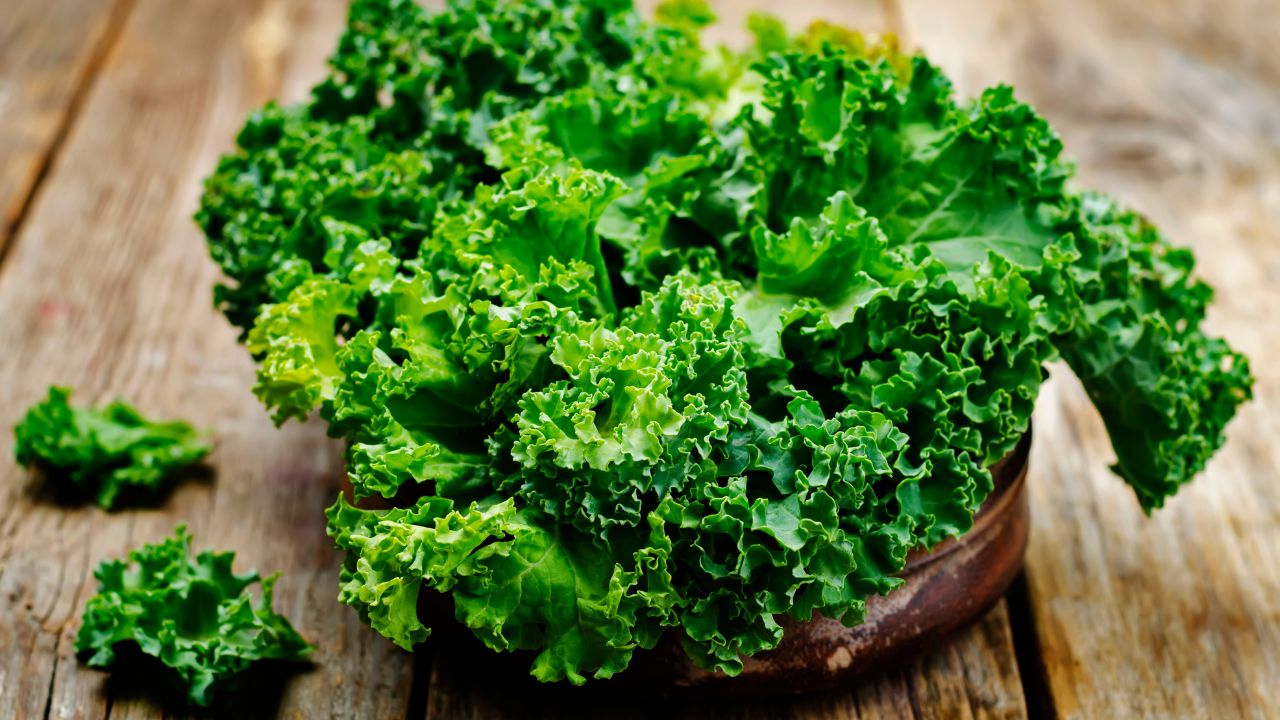
7. Kale: This trendy green is here to stay for a reason! It’s a nutritional powerhouse, boasting vitamins A, C, K, and B6, as well as fiber and antioxidants. Kale can help lower cholesterol, fight inflammation, and even protect against certain cancers. Sauté it, blend it into smoothies, or enjoy it raw in salads for a burst of flavor and nutrients.
8. Oregano: This aromatic herb is not just for pizza! Oregano leaves are rich in antioxidants, anti-inflammatory compounds, and immune-boosting vitamins. They can aid digestion, fight infections, and even improve oral health. Sprinkle it on pizzas, pastas, or even enjoy it as a tea for a soothing and flavorful experience.

Remember, these are just a few of the many amazing leaves out there. Experiment, explore, and discover new leafy favorites to add variety and a nutritional punch to your diet. Your taste buds and your body will thank you!

So, ditch the boring lettuce and embrace the leafy revolution! These 8 amazing leaves are just the tip of the iceberg when it comes to the health and flavor potential hidden in the plant kingdom. Go green, get leafy, and watch your health and taste buds soar!

Tagged : / / /

7 Morning Rituals for a Flatter Belly: Ditch the Crunch Time, Embrace the Sunrise Shine

7 Morning Rituals for a Flatter Belly: Ditch the Crunch Time, Embrace the Sunrise Shine
Belly fat, the stubborn cousin of body fat, can feel like an unwelcome guest that just won’t leave. But fear not, fellow fitness warriors! While genetics and hormones play a role, there are simple tweaks you can make, especially in your mornings, to send that unwanted guest packing. Ditch the pre-dawn panic and embrace these 7 amazing morning habits that’ll help you shed belly fat and rock that swimsuit with confidence:

1. Hydrate Like a Hydro Hero: Before that first sip of coffee, reach for a glass of warm water with lemon. This simple act kickstarts your metabolism, flushes toxins, and preps your digestive system for the day ahead. Bonus points for adding cucumber slices or a sprig of mint for extra flavor and detox power.

2. Protein Power for Breakfast: Ditch the sugary cereals and opt for a protein-rich breakfast like Greek yogurt with berries, eggs with spinach, or a protein smoothie. Protein keeps you feeling fuller for longer, curbs cravings throughout the day, and helps build muscle, which in turn burns more calories.

3. HIIT Your Way to a Flatter Tummy: Forget spending hours on the treadmill. High-intensity interval training (HIIT) is your morning fat-burning BFF. Short bursts of intense exercise followed by recovery periods get your heart rate soaring and metabolism revved, all in 20-30 minutes. Think jumping jacks, sprints, burpees – anything that gets you sweating and gasping for air (in a good way!).

4. Mindful Munching is Key: Eating with awareness is crucial for weight management. Savor your food, chew slowly, and stop when you’re comfortably full, not stuffed. This prevents overeating and helps you make healthier food choices throughout the day.

5. Fiber Fiesta for Your Gut: Include a good source of fiber in your morning meal, like fruits, vegetables, or whole grains. Fiber keeps you feeling full, regulates digestion, and feeds your gut microbiome, which plays a surprising role in belly fat storage. Think oatmeal with nuts and berries, a veggie omelet, or a whole-wheat toast with avocado.

6. Sleep Your Way to Slim: Prioritizing sleep is non-negotiable for belly fat reduction. When you’re sleep-deprived, your body releases cortisol, a stress hormone that promotes belly fat storage. Aim for 7-8 hours of quality sleep each night to keep your cortisol levels in check and your metabolism humming.

7. Stress Less, Belly Bliss: Chronic stress is another belly fat culprit. Find healthy ways to manage stress, like yoga, meditation, spending time in nature, or listening to calming music. When you’re stressed, your body releases cortisol, just like with sleep deprivation, leading to unwanted belly fat accumulation.

Remember, consistency is key. Implement these habits into your morning routine and watch your belly fat shrink as your confidence soars. And don’t forget, these tips are just the beginning of your journey. Consult a healthcare professional or a registered dietitian for personalized guidance and support. So, rise and shine, belly fat fighters! Embrace the morning, embrace these amazing habits, and get ready to rock that flat and fabulous midsection!

Tagged : / / / /

Skies Take Flight Without Pilots: Cessna 208B Completes Historic 12-Minute Autonomous Flight

Skies Take Flight Without Pilots: Cessna 208B Completes Historic 12-Minute Autonomous Flight
A Cessna 208B Caravan, eerily silent and devoid of human piloting, etched its name in aviation history on November 21st as it flawlessly completed a 12-minute autonomous test flight in California. This landmark achievement by Reliable Robotics marks a giant leap towards a future where pilotless planes could revolutionize air travel, safety, and accessibility.

The Cessna 208B, a twin-engine turboprop typically used for cargo transportation, soared through the skies of Hollister Municipal Airport, meticulously executing its pre-programmed flight plan. Sensors and sophisticated algorithms guided the aircraft through take-off, navigation, and a smooth landing, all without a single human hand on the controls. This autonomous ballet in the air was monitored and controlled by engineers from a ground station located 50 miles away, proving the viability of remote piloting.

This successful test flight isn’t just a technological marvel; it holds the potential to unlock a plethora of benefits for the aviation industry. Pilotless planes could significantly enhance safety by eliminating human error, a major contributor to aviation accidents. Imagine unmanned cargo flights delivering essential supplies to disaster zones or medical aid to remote locations currently inaccessible to conventional aircraft. Additionally, autonomous planes could operate more efficiently, optimizing flight paths and reducing fuel consumption, leading to a smaller environmental footprint.

However, the journey towards widespread adoption of pilotless technology is still in its nascent stages. Reliable Robotics is now aiming for Federal Aviation Administration (FAA) certification, a crucial step before commercially integrating these aircraft into the skies. This certification process will involve rigorous testing and safety evaluations, ensuring the highest standards of reliability and performance.

Despite the challenges ahead, the successful test flight of the Cessna 208B is a resounding testament to the power of innovation and its potential to transform the way we travel. The future of aviation appears to be one where humans and machines collaborate, with pilots transitioning from manual control to overseeing the safe and efficient operation of autonomous aircraft. As Reliable Robotics continues to refine its technology and pave the way for regulatory approval, the skies above us are poised for a revolution – one where the only sound might be the gentle hum of engines and the whisper of a future where pilotless planes take flight.

Tagged : / /

Sweeten Your Winter with Figs: A Treasure Trove of Health Benefits

Sweeten Your Winter with Figs: A Treasure Trove of Health Benefits
As winter settles in, our bodies crave warmth and nourishment. While we often turn to hearty soups and stews, a little sweetness can go a long way in boosting our spirits and well-being. Enter the humble fig, a fruit bursting with flavor and a surprising array of health benefits that are ideal for the colder months.

1. Immunity Booster: Figs are packed with vitamin C, a natural antioxidant that strengthens our immune system, helping us fight off those pesky winter colds and flus. A single serving of fresh figs can provide over 20% of our daily recommended intake of vitamin C, making them a delicious way to stay healthy and energized throughout the season.

2. Digestive Delight: The high fiber content in figs keeps our digestive system happy and regular. This is especially helpful during winter when heavier meals and holiday indulgences can lead to constipation. Figs act as a gentle laxative, promoting healthy digestion and gut health.

3. Bone Builder: Figs are a rich source of calcium, magnesium, and phosphorus, all essential minerals for maintaining strong bones. This is particularly important for women and older adults who are at higher risk of osteoporosis. Snacking on figs regularly can help prevent bone loss and keep your skeleton sturdy throughout the winter months.

4. Energy Enhancer: Figs are a natural source of sugar, providing a quick burst of energy when you need it most. Unlike processed sugars, the natural sugars in figs are released slowly into the bloodstream, preventing energy crashes and keeping you feeling satisfied for longer. This makes them a perfect pre-workout snack or a healthy afternoon pick-me-up.

5. Warmth from Within: Figs are naturally sweet and have a warming, almost honey-like flavor. They can be enjoyed fresh, dried, or incorporated into warm winter dishes like oatmeal, stews, or even baked into pies and cakes. Their sweetness adds a touch of luxury to any winter meal, while the warming spices often used with them further enhance their comforting properties.

Beyond the benefits mentioned above, figs are also a good source of potassium, manganese, and iron, all essential for overall health and well-being. So, this winter, don’t just reach for the hot cocoa or mulled wine. Grab a handful of figs and discover the delightful taste of good health. Your body will thank you for it!

Here are some additional tips for incorporating figs into your winter diet:

  • Pair fresh figs with creamy cheeses like ricotta or goat cheese for a delicious and satisfying appetizer.
  • Add chopped dried figs to your oatmeal or yogurt for a natural sweetness boost.
  • Make a warm fig compote to serve with roasted meats or grilled cheese.
  • Infuse water with fresh figs and herbs for a refreshing and healthy beverage.

    With a little creativity, you can enjoy the many health benefits and deliciousness of figs all winter long. So, embrace the season and let the sweetness of figs warm you up from the inside out!

Tagged : / / / /
Verified by ExactMetrics