Futuristic tiny drones to see the world just like an insect does!

According to a study published recently in The Royal Society Interface researchers from the Swiss Federal Institute of Technology have created an artificial eye and navigation system for tiny insect drones that can contribute in the field of disaster-area surveillance or delivering supplies to people in inaccessible areas. This artificial eye designed by the Swiss researchers weighs only two milligrams and made of three photodetectors arranged in a triangular configuration with a lens at the top.

article-0-0CF8A9B500000578-634_634x409

Based on a combination of data received from the photodetectors, the device can determine the speed and direction in its view, with equal ease in poorly lit indoors and bright outdoors and that too three times faster than real-life insects.

The algorithm and design of the photosensor is ready so the researchers now plan to move ahead in the direction of configuring several artificial eyes on one drone to create a more sophisticated visual system. This system is expected to allow the tiny drone to take off, land and stabilize its flying position while in the air.

Drone-Tiny-Handheld-1

A plan to develop a strip of artificial eyes called ‘vision tape’ (a flexible patch that can be attached to any type of surface, such as other types of robots or even furniture or clothing) is also in the pipeline.

As a technology lover you may like our daily important technology news series. It’s a playlist and you can retrieve the total day-wise videos. Please consider subscribing our YouTube channel:

Author: Technology and Beyond

Tagged : /

THIS is how technology and the nature bonds in a seamless fashion giving each other a space to grow!

Technology and the nature:

We live in a world dominated by tech gadgets and hi-tech maneuvers. There is a common notion that our dear earth, with all its natural resources and species, is suffering immensely because of the invasion of technology in everything around us, particularly in the natural process. Obviously the notion is not absolutely baseless and there are irrefutable reasons rather, to become vocal on this issue. In real sense, technology can be put into the aid of nature as well. In the recent years, with the declining natural resources becoming a concerning issue, tech maneuvers and research are increasingly focusing to address these emerging crises. Here, we are introducing few uncommon ways to bring technology and the nature together.

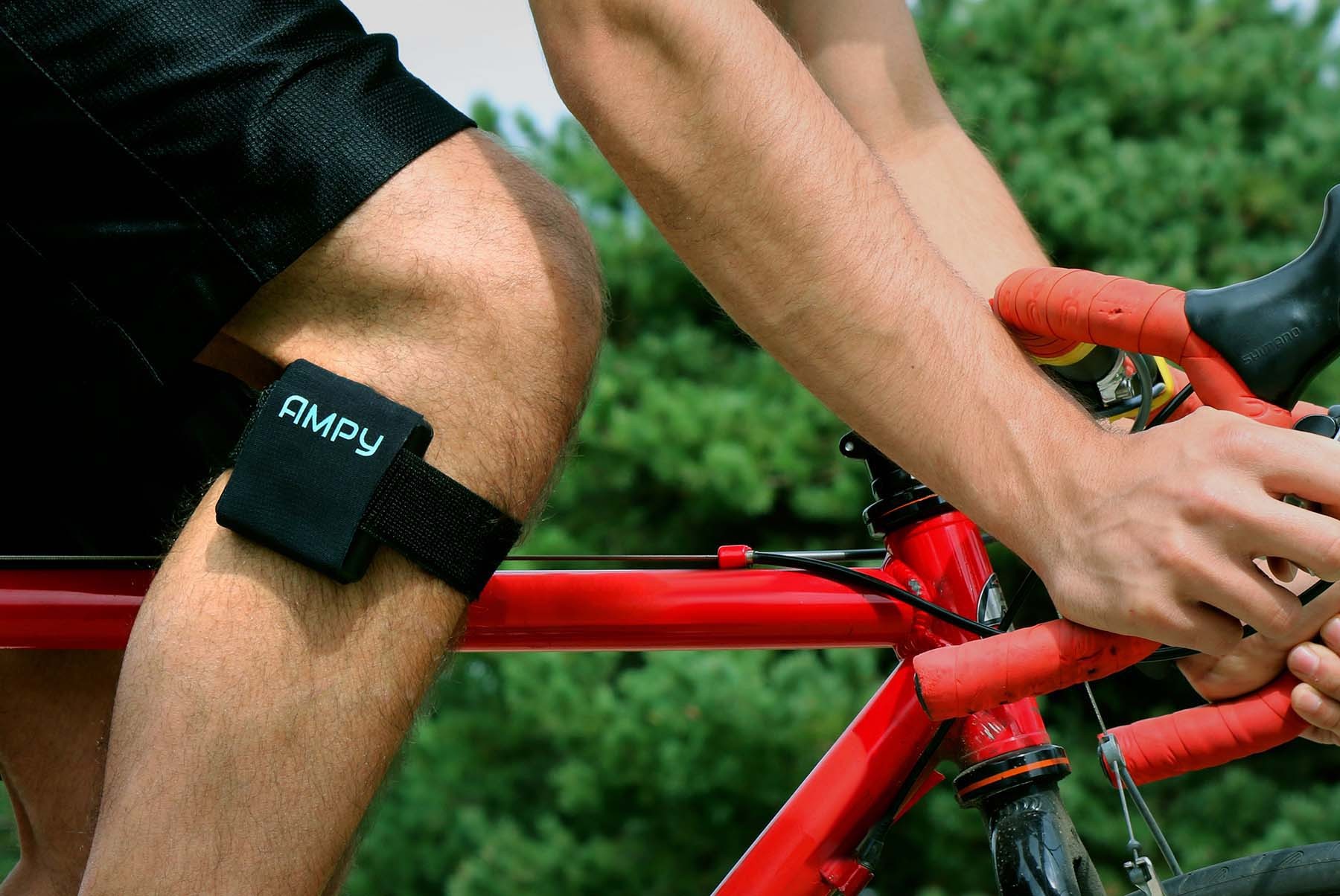
Generating kinetic energy from body movement

MaleCyclist images

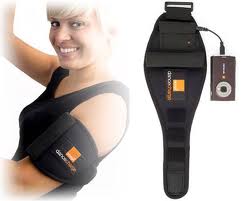
Already a few devices are out there to hit the mass market and the idea is gaining momentum. You have your daily morning jogging or few kilometers of cycling and the energy spent from your body movement gets converted into tangible kinetic energy to charge your mobile phone or other devices on the go. The concept is still in its nascent state but took the imagination of an array of developers and marketers. The popularity and marketing potential aside this can be a path-breaking technology to save energy. This is definitely the way to go to bring technology and the nature together.

Electronic paper

i2r-epaper-3

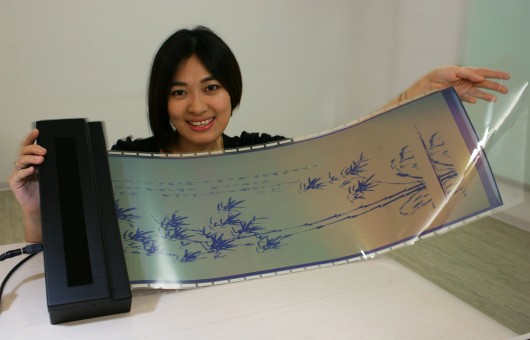
E-Paper is there for quite some time and still a vast majority of the reading population is not quite habituated with this. The flexible display is similar enough to real paper and the tiny electrically charged microcapsules contained in it can both offer a black on white or white on black view just like real printed paper. The benefit is you can erase and rewrite on it innumerable times and save the huge natural resources spent on readable paper products. Kindle has already become a popular option for reading books on the go, but there are still to come until real paper become obsolete.

[adinserter block=”7″]

Next Page For More

Tagged :

Weather in a box forecasts weather with real rain and clouds

Ken Kawamoto, who is software engineer by profession, is a gadget inventor too and he carries out his inventions during his so-called off time. His passion, in his own language, is to “break the barrier between the digital world and the real world”.

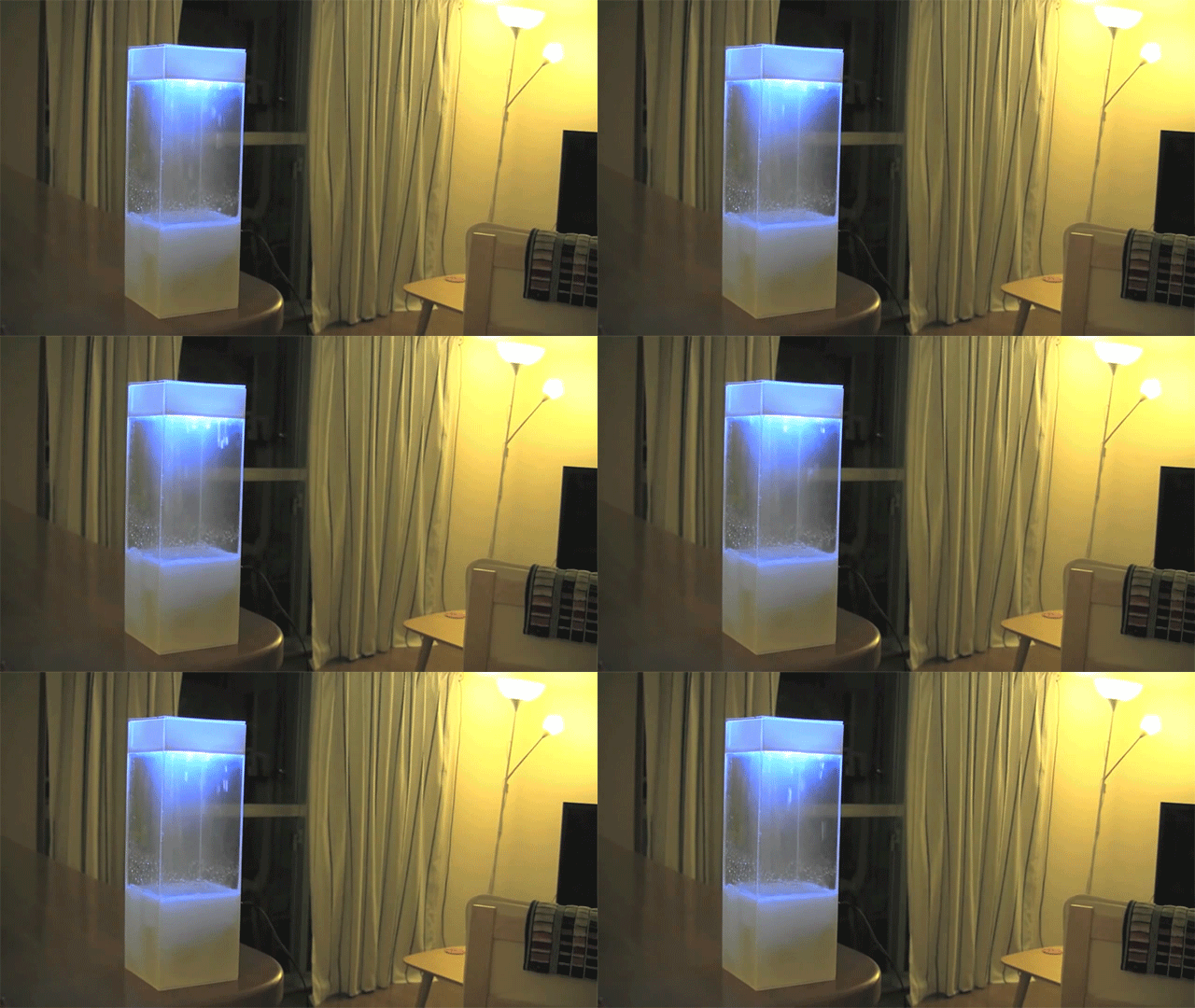
In the case of his latest invention, at least, he is successful in achieving his objectives. Tempescope is a cure little box that is able to create real raindrops and clouds. His device is also capable of simulating sunlight and lightning. According to your choice, it can either show you real-time weather or predict the weather for tomorrow.

weather-forecast-box-tempescope-ken-kawamoto-7

weather-forecast-box-tempescope-ken-kawamoto-4

weather-forecast-box-tempescope-ken-kawamoto-3

weather-forecast-box-tempescope-ken-kawamoto-2

The device fetches the weather forecast data and information from the weather program of your choice. Though, it can create most of the weather conditions but, it cannot produce snow right now. May be, it will be able to do that in future.

Kawamoto has released the detailed source codes and schematics on open source and if you are technology savvy, you will be make the device on your own. But, the rest of us, should not be disheartened, as he is supposed to launch a crowdfunding campaign very soon.

You may follow this invention here. You may be interested regarding his Cloud lamp as well!

[adinserter block=”7″]

Author: Technology and Beyond
Tagged :

This bike mounted device is attractive and effective!

Before dealing with this attractive and effective device, we need to know exactly why this device is so important. Cycling safety is always a concern. Cyclists are vulnerable and the points mentioned below explains the cause of their vulnerability:

  • Per kilometer accident rates for bikes are 26 to 48 times higher than for all types of automobiles.
  • A staggering 44,000 cyclists have died so far in traffic accidents in the United States alone, since 1932.
  • S. cyclists are three times more prone to accidents than German cyclists. This figure goes upto six times when compared with Dutch cyclists.
  • Cyclists fear motor traffic the most as per the British Medical Journal data.
  • More often than not, motorists accuse cyclists for the accidents. A Toronto analysis of 2572 police collision reports was an eye opener. It demonstrates that in 90% of the cases motorists are responsible for the accidents. The most common causes include motorist violating red light, not stopping in proper place or starting early, unsafe overtaking or opening of car door onto incoming cyclists etc.

3

7

4

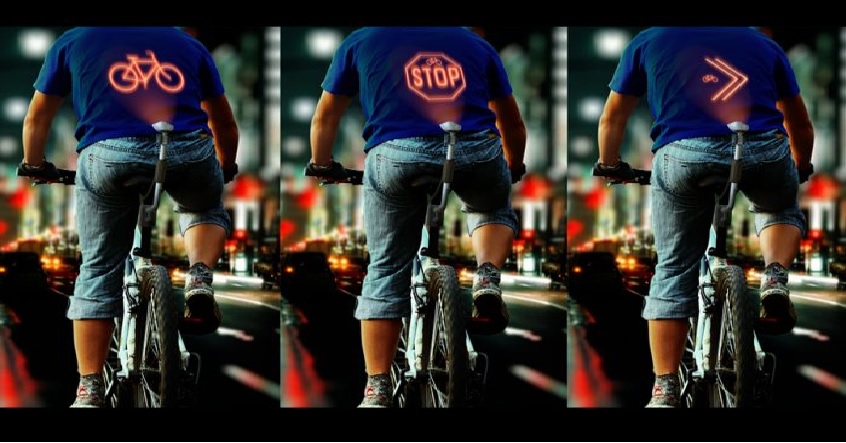
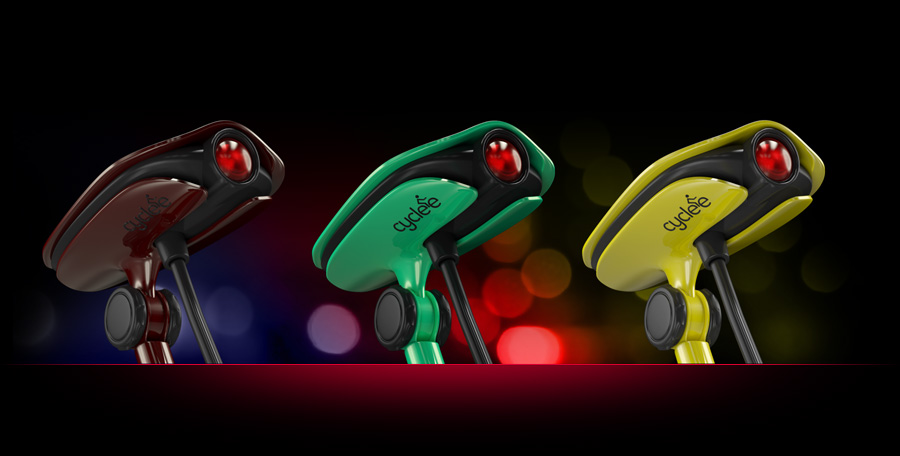
“Cyclee” product has been developed keeping in mind the safety of the cyclists. It is basically a sign projector concept which is to be used at night. It projects the relevant warning signs on the back of the cyclist so that motorists at the back are fully aware about the intentions and actions of cyclist. The chipset present in the projection device is highly programmable and configurable which can be modified wirelessly through a mobile App. This device is compatible with all bicycle models. The mounting part is bicycle model dependent.

This great device, if it is used properly, can make life easy for both motorists and the cyclists and save the lives of a lot of people avoiding unnecessary road accidents.

[adinserter block=”7″]

Author: Technology and Beyond

Tagged : /

Throw them around! THESE coffee cups will grow into real green tress and save the environment!

In America alone, 400 million cups of coffee are consumed each day! You are right when you think about the volume of waste paper cups and get frightened about the amount of pollution they create! But, fear not, a Californian company has a creative idea for you regarding upcycling the waste coffee cups.

Resized-SJNPV

The company Reduce, Reuse, Grow is an environment friendly company who is coming out with biodegradable cups which is supposed to degrade within six months.

Hold on! We know that there is nothing new in this idea but this company has taken the upcycling to a whole new level. The disposable paper cups, which you throw away, eventually grow into trees or native flowers.

Not only that, you have two options in this regard. You may plant the cup yourself or put it inside a special bin outside the associated coffee shops. This organization will get those collected and distribute them to different communities who need seeds for reforestation.

Resized-H6P1P

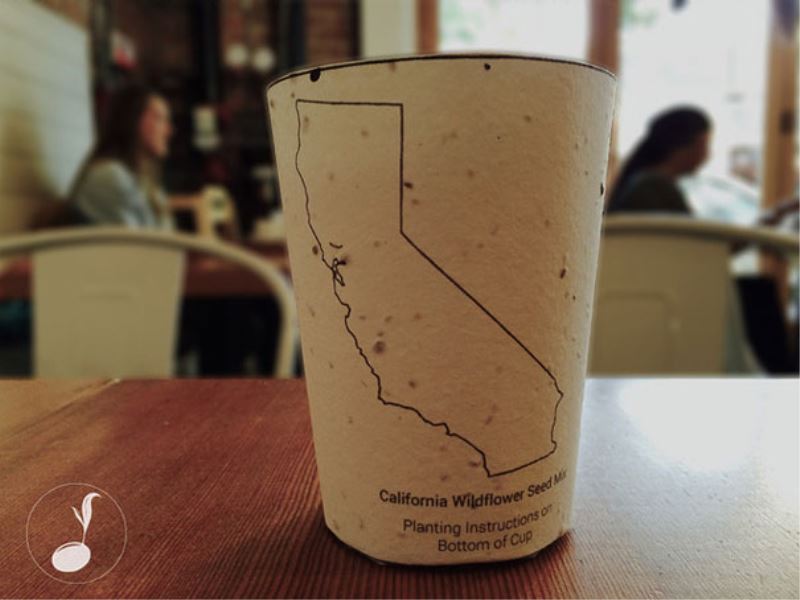
Being environment friendly, this organization also takes initiative to place seeds native to the region where coffee cups are being used. Like, in California, you get coffee cups with seeds of poppy flowers and redwood trees.

For more information, please visit www.plantTrash.com

[adinserter block=”7″]

Author: Technology and Beyond
Tagged : /

For god’s sake stop using THESE passwords! Take a note of the dumbest passwords of 2015!

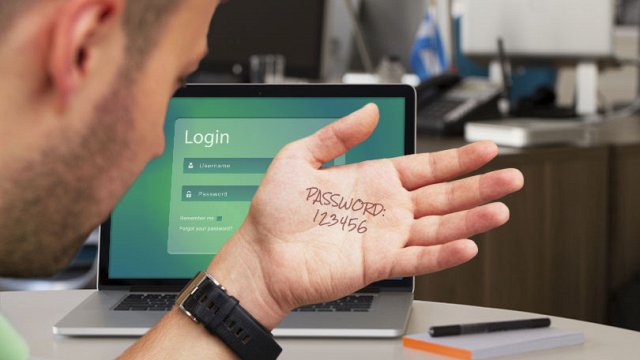
People serious about their privacy and data security are always concerned about their passwords. If you are one of them, chances are there that you will be aware about the rules of generating a good and secure password. But, it is not the case in general. Splashdata is a password management company well known for their product called SplashID. They came out with the list of passwords which are popular during 2015.

Now, it works in a reverse way. The most popular passwords are the least secured passwords. Here is the list of popular passwords during 2015 and needless to say, you should steer clear of these passwords and we seriously hope that yours is not on the list:

  • 12345 (and variations 123456 and 12345678)
  • password (and its variant, passw0rd)
  • qwerty
  • abc123
  • 111111
  • login
  • welcome
  • football
  • baseball
  • monkey
  • starwars
  • solo
  • princess
  • dragon
  • master

The interesting part is, all these passwords are very different but they have something in common. These are all short, easy to remember common names and words. These passwords also capture common trends during that period. The words starwars, solo and princess are clearly influenced by latest Start wars movie release during 2015.

Beyond a good laughter, seeing this list you realize the lack of awareness on the part of the users which make them easy victims of cyber-attacks and identity theft. There is one and only one way to protect your vital data and information and that is by having a strong password.

How you generate a good password?

You need not reinvent the password management system. Rather, if you are attentive, you will be able to generate strong passwords using the good old password generation suggestions. Here are the golden rules:

  • Long passwords are better. Try to keep it around 12 to 15 characters
  • Mix the characters. It should be a good combination of Uppercase letters, lowercase letters, numerals, and symbols. Always remember that the more comfortably you will type it the easier it will be for the hackers to crack it.
  • Obvious substitutions like replacing “o” with “0” and “s” with “$” or “l” with “1” doesn’t help you. By this logic using “pa$$word” instead of “password” hardly makes any difference.
  • Avoid biasness and the way to do that is NOT to get personal. Please don’t use your name or any of the names of family members or pets, birth dates, phone numbers, addresses, or any other words associated with public domain personal data.
  • Stay away from trending words and phrases. If it is a trend or if it is in news, hackers are likely try to with that first.
  • Use as many different passwords as possible and use entirely different passwords for each financial entity. If it is too difficult to remember so many passwords, please use a password manager.
  • Change your passwords as frequently as possible.

[adinserter block=”7″]

Next Page For More

Tagged :

THIS is how the new-born babies perceive the emotions of their parents

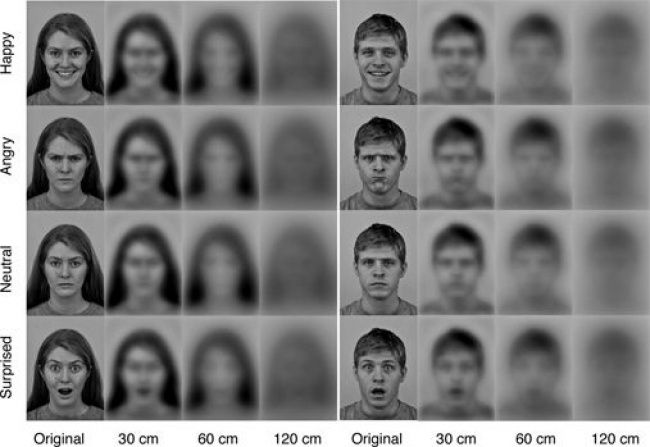
If you are going out in a hurry and leaning over your new-born just to say a few quick sweet words, make sure that lean sufficiently so that your baby can see your face and perceive your emotion. And when we say “sufficiently”, we are asking you to maintain a maximum distance of 12 inches. Otherwise, your baby will not be able to understand you or your emotions.

This has been confirmed by latest scientific research.

Researchers at the University of Oslo took the help of technology, probability and previous studies to conclude that newborns can be visually aware and can distinguish emotions. Even a baby of two / three days old can distinguish faces and emotional facial expression from a distance of 12 inches. This distance is the ideal distance between a mother and her nursing baby.

Beyond 12 inches, the visual image gets blurred for the baby to comprehend facial expressions.

This is how babies perceive our faces, depending on the distance.

baby-vision-2

To arrive at the conclusion, scientists blended modern simulation techniques and probabilistic analysis with previous knowledge-base.  Video has been captured to record various facial expressions and exceptions have been recorded where infants couldn’t process the expressions. It is only at this point adults were allowed to view the footage.

By this process, they wanted to ensure that adults themselves can identify the emotions. Otherwise, it was obvious that infants will not be able to do that.

Interestingly, adult participants could identify the facial expressions in three fourth of the cases while seeing the footage from a distance of 12 inches.

This is actually why babies meet you with blank stares when you try to capture their attention from a distance beyond 12 inches.

[adinserter block=”7″]

Author: Technology and Beyond
Tagged : /

The humane face of the technology: This mobile system can prevent flood anywhere!

We, the living being, get devastated while facing natural calamities such as flooding. Let alone facing such situations, the thought itself induces traumatic experience for us. However, it seems, brilliant engineering effort can stop at least one natural calamity; flooding.

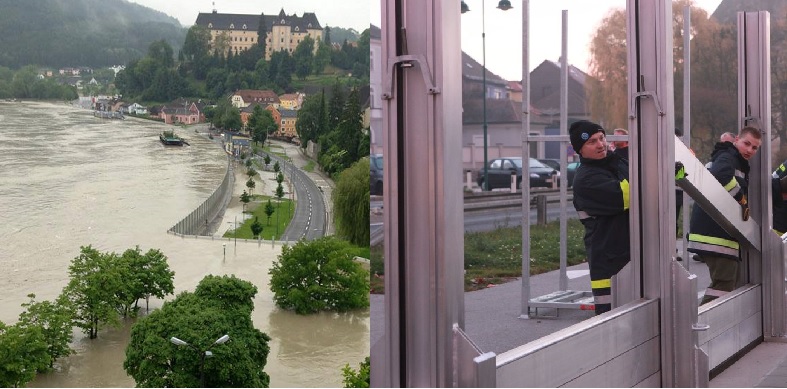
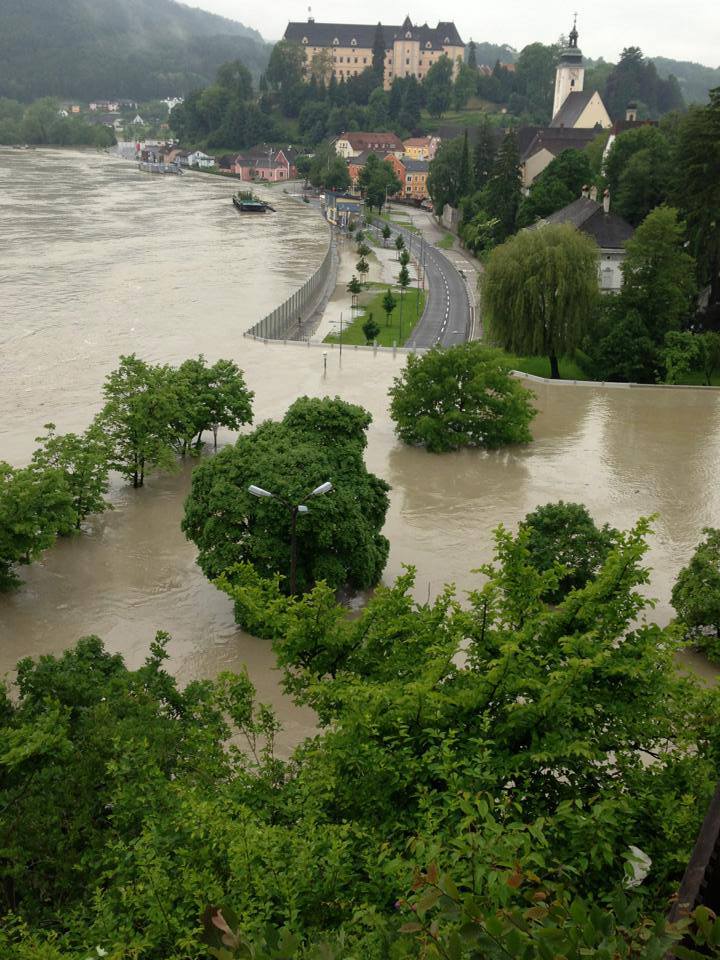
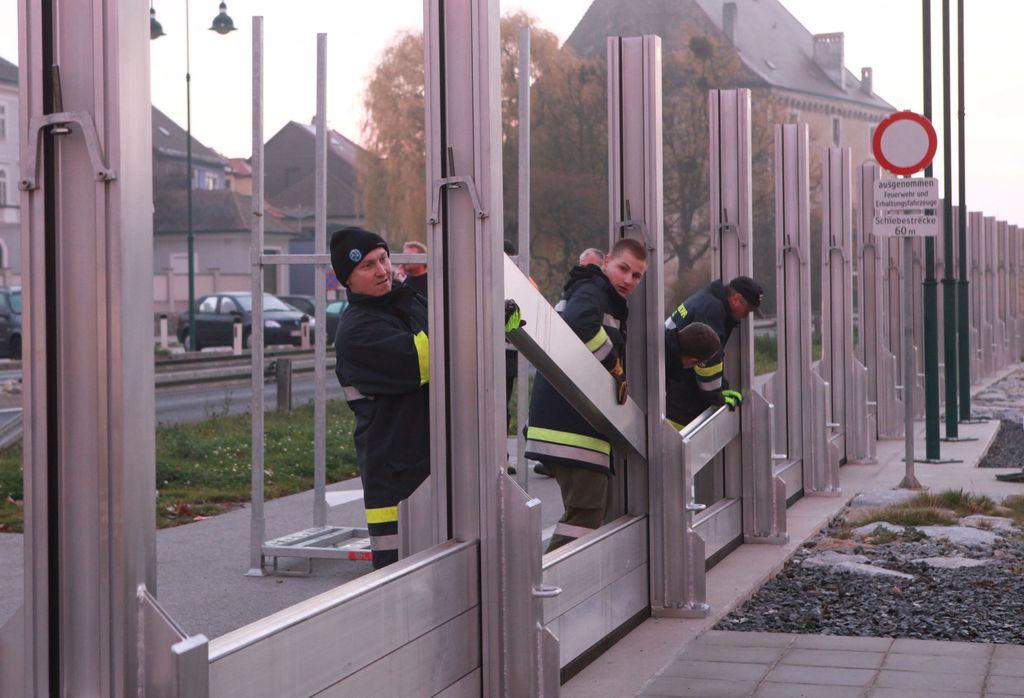
Take the case of city of Grein, Austria which used to suffer from devastating flood from Danube River until a few years back. Authorities quickly reacted by installing demountable or mobile flood walls to ensure the safety of the citizens.

Fantastic feature: Look how water is being prevented to enter the city

Machlanddamm-flood-wall-austria (1)

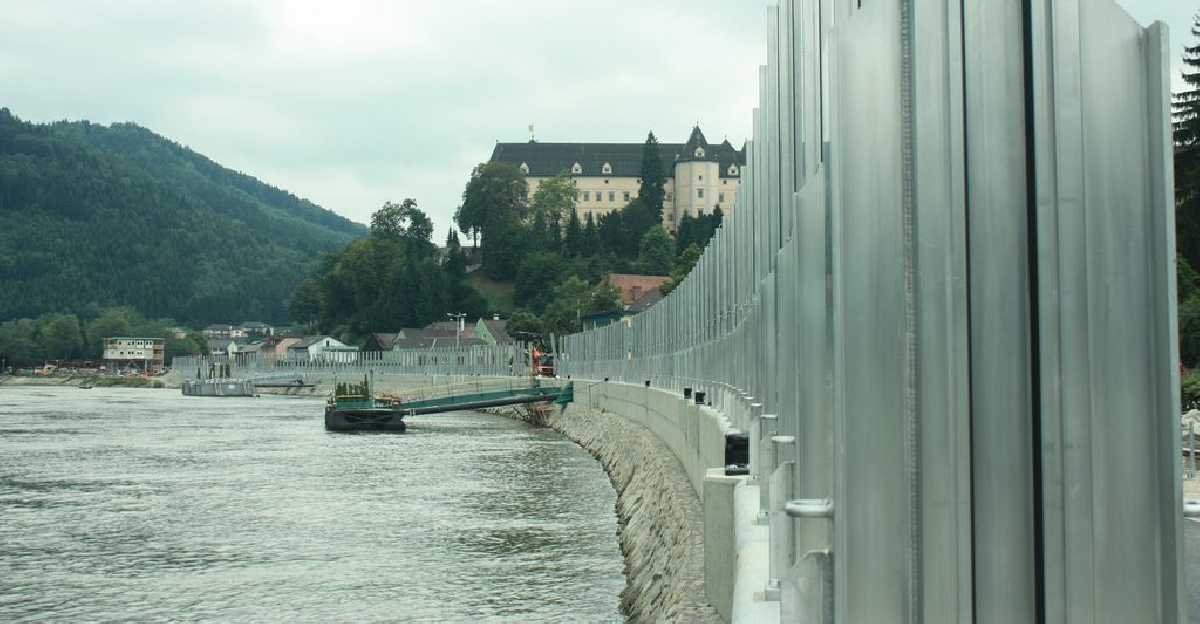
The system has been designed by a UK-based company called Flood Resolution Co. Ltd. The so-called mobile wall consists of two sub-systems: permanently built solid foundations with associated infrastructure and detachable mobile barriers.

The company elaborated, “The system is based on an underground wall, protecting an area against groundwater that rises simultaneously with the level of flood waters. The depth of the underground wall is based on a bedrock and subsequently determines the height of the barrier.”

This is the example of cutting edge technology

Austria-2

The underground wall is built with reinforced concrete and on the top, it is designed with elaborate mechanized wall fittings to keep the water out.

The wall looks mundane without floods

Machlanddamm-flood-wall-without-flood (1)

IBS Tehcnics who studies the system in detail, published a paper on the mobile wall and they pointed out that “the highest and most spectacular mobile flood wall was completed in December 2010 in Grein, with a total barrier height of 3.6 meters on a base wall that’s one meter high.”

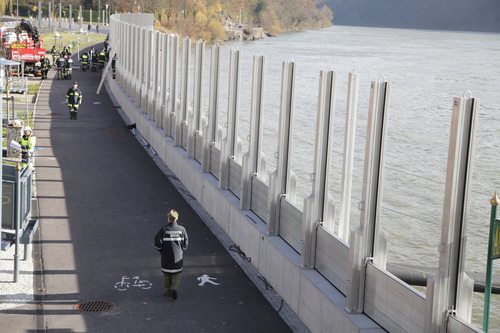
This is how stop planks are placed between the columns to quickly install the wall

Mobile Dämme sind oft die einzige Möglichkeit, um zu schützen.  

The paper further elaborated, “The system protects the land behind it to a flood level of 4.6 meters at the upstream end of the site — a height which is equal to the upper storeys of the adjacent properties.”

This is how the river is held back

Austria-4 (1)

Grein flood protection project was part of a greater project called Machland Dam project wherein six such sections of mobile walls were installed. The total project was completed on 25th August,2012. The real test of the mobile wall happened during monsoon, during June 2013. Because of its effectiveness it soon became famous.

You may be interested in the video below which shows how flooding is effectively being prevented.

width="560" height="314" allowfullscreen="allowfullscreen">

Every Country should embrace this technology. People always talk about technology making us unsocial and mechanized but this application really brings out the humane face of the technology which is literally a lifesaver.

[adinserter block=”7″]

Author: Technology and Beyond
Tagged : /

From Russia with love! THIS crazy new vehicle drives on all surfaces, even on water!


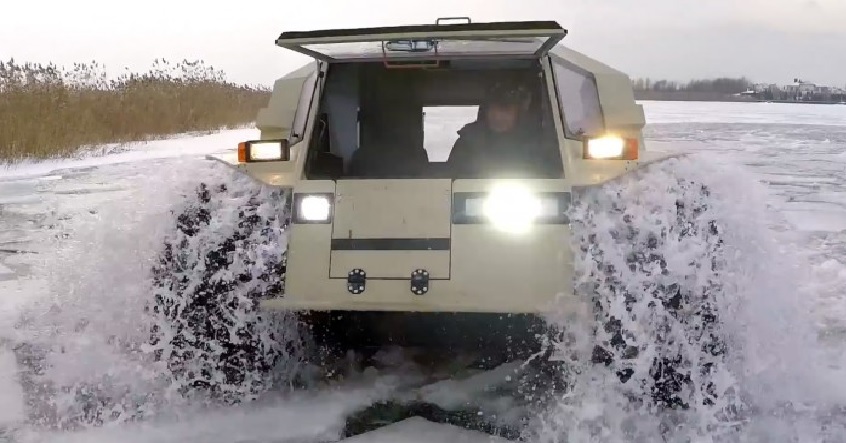
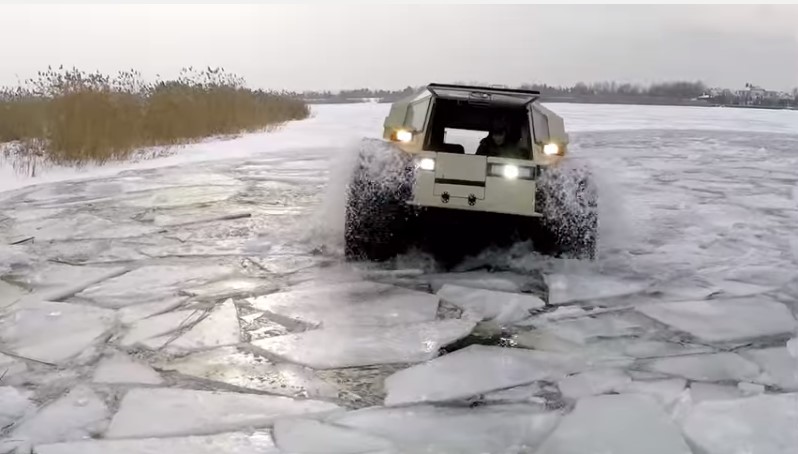
If you have a fixed mind-set about choosing suitable vehicles according to the surfaces/ terrains, this truck is bound to alter that notion in a big way. SHARP ATVs are supposed to be used on all surfaces.

sherp-atv-russia-2

Not only riding on various surfaces, this wonder vehicle climbs over obstacles, takes 360- degree turns and comfortably crosses water bodies. This vehicle, developed by Alexei Garagashyan, costs $49,000.

SHERP ATV is equipped with self-inflated tires, a rugged polymer exterior, and a 15.3-gallon capacity fuel tank. It can easily climb over obstacles upto a height of 2.4 feet and It automatically floats while in water. The vehicle has a top speed of 28 mph. When you are driving it on water, it manages an impressive 3.7 mph. Huge tires have been equipped with threads which doubles as paddles while the truck is in water.

Generally, the military vehicles are not sold to public but this truck, though it looks like a military vehicle, is available for purchase and anyone can buy it.

The SHERP ATV is 11 feet in length and accommodates two. This beast, weighing 2866 pounds, is equipped with a 44 horse power Kubota diesel engine.

Are you concern about zombie apocalypse? Well, in that case, it will be an ideal fit. Otherwise also, it can act as a perfect survival vehicle.

You may be interested in the video below:

width="560" height="314" allowfullscreen="allowfullscreen">

[adinserter block=”7″]

Author: Technology and Beyond

Tagged : /

CO2 to Concrete: CO2ncrete may build buildings in future!

Carbon emission worries have been around from quite a while. All around the world people talk and discuss and study this and try to find out ways to reduce the total carbon emissions so that the continuous rise in the temperatures and the ever warming earth’s atmosphere can be changed for better.

323F817E00000578-0-image-a-17_1458148448699

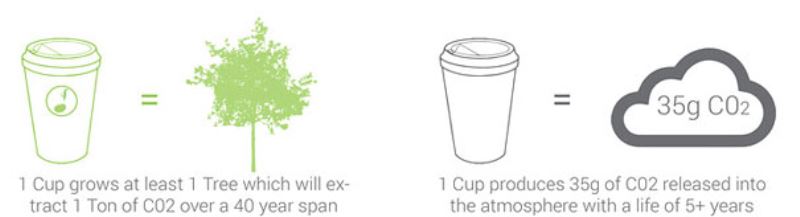
One solution that is being talked about is catching the carbon at the source of its emission, but this solution comes with its own problem: where to store all this carbon? If ever there was a way of capturing these huge stores of carbon and putting it to some good use, it will be a great victory in the fight against emissions. Thinking on the same line, the researchers at the University of California (UCLA) are trying to convert this CO2 into concrete. The researchers have named this complex process ‘upcycling’.

The ‘upcycling’ process will be an achievement in itself because concrete production itself is a very emission based process accounting for five percent of all carbon emissions. The scientist’s main target though is flue gas, the combustion exhaust gas from power plants – an even larger source of carbon emissions.

The scientists say that the carbon captured from such sources will become the raw material for the new concrete which they prefer to call CO2ncrete! For their experiments, the researchers used carbon dioxide with a purity of more than 99 percet. The carbon was extracted from a pressurized reservoir maintained at 20 MPa (megapascal) using a siphon, which was employed in all of the carbonation experiments. At this stage, the material has been produced at lab scale and 3D printed into tiny cones.

J.R. DeShazo and Gaurav Sant are working on this project and according to DeShazo: “This technology could change the economic incentives associated with these power plants in their operations and turn the smokestack flue gas into a resource countries can use, to build up their cities, extend their road systems.”

You may be interested about the video below:

width="639" height="639" allowfullscreen="allowfullscreen">

[adinserter block=”7″]

Author: Technology and Beyond
Tagged : /

This is where the word ‘Robot’ came from!

Do you remember the movie iRobot? That Will Smith movie had delved deeper into the scenario of Robots taking over the humans and that too in a well calculated manner. The movie wasn’t of course the first in this genre.

Robot

There have always been discussions and arguments about the probability of robots taking over the humans and the earth and till now they all have been based on cinematic or some fiction novels. Even if you think that ‘robots taking over the world’ is a far-fetched idea then the very recent ‘robots taking over our jobs’ isn’t that unconvincing. Robots have indeed entered in various spheres of our life. But do you wonder why do we call a robot a ‘robot’?

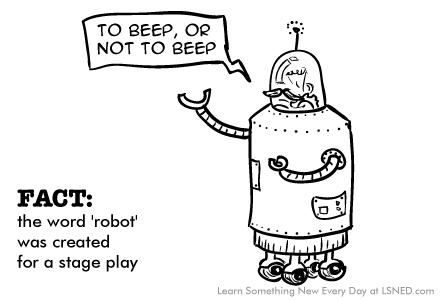
The word robot derives its roots from the Czech word ‘robotnik’ which means ‘slave’. ‘Robotnik’ comes from ‘rabota’ which is an Old Church Slavonic word for servitude. The English language first used the word ‘robot’ in a translation of Czech playwright Karel Capek’s 1920 sci-fi drama ‘RUR’ or ‘Rosum’s Universal Robots’. Capek’s play described a company that manufactures and sells workers that look and act like humans, but lack souls.

The intelligent servants then rebel against their human masters. And this is something that has been recreated in many films and novels long after that. Whether robots will snatch away our jobs or not, whether they will take over our world or not is a question better left unanswered because as long as humans aren’t too dependent on robots and robots aren’t too intelligent, the chances are quite bleak.

[adinserter block=”7″]

Author: Technology and Beyond
Tagged : /

This wonder machine consumes greenhouse gas and yields Gasoline

Handling and reducing Greenhouse gas is always a concern for us. Keeping that into account, having a machine sucking carbon emissions from the air and converting it into gasoline, sounds like a science fiction movie.

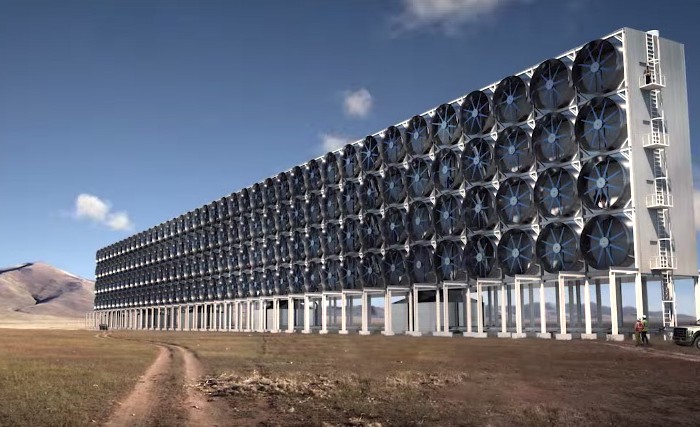
However, a Canadian company, Carbon Engineering, is currently working on a massive project which aims to absorb massive amount of carbon Dioxide emissions. The amount of emissions we are talking about is equivalent to CO2 produced by 300,000 cars on yearly basis. In order to achieve that, they deployed a big-ass machine which is housed at University of Calgary.

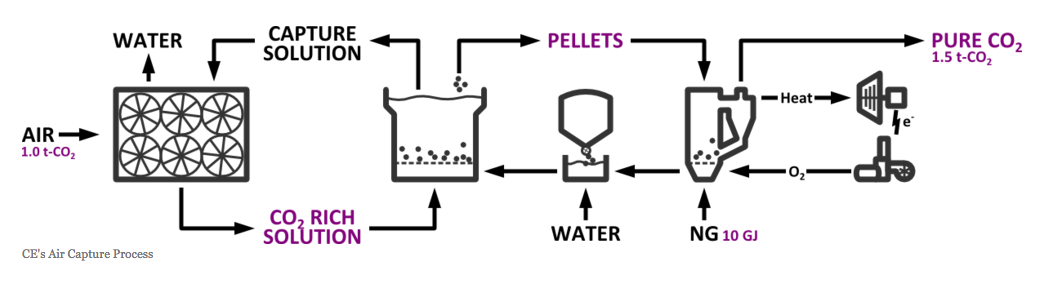
The working principle is simple. The absorbed CO2 goes to a scrubber where Air and CO2 absorbent liquid flows in cross-current orientation. The corrugated PVC sheets positioned in the scrubber increases the contact area and absorption efficiency. The resultant carbonate solution is collected in a chamber placed at the bottom of the scrubber.

carbon-sucking-4 carbon-sucking-2

Currently, the carbonate liquid is being disposed in a safe way. At present, the prototype machine is absorbing around 100 kg CO2 on daily basis.

carbon-sucking-3

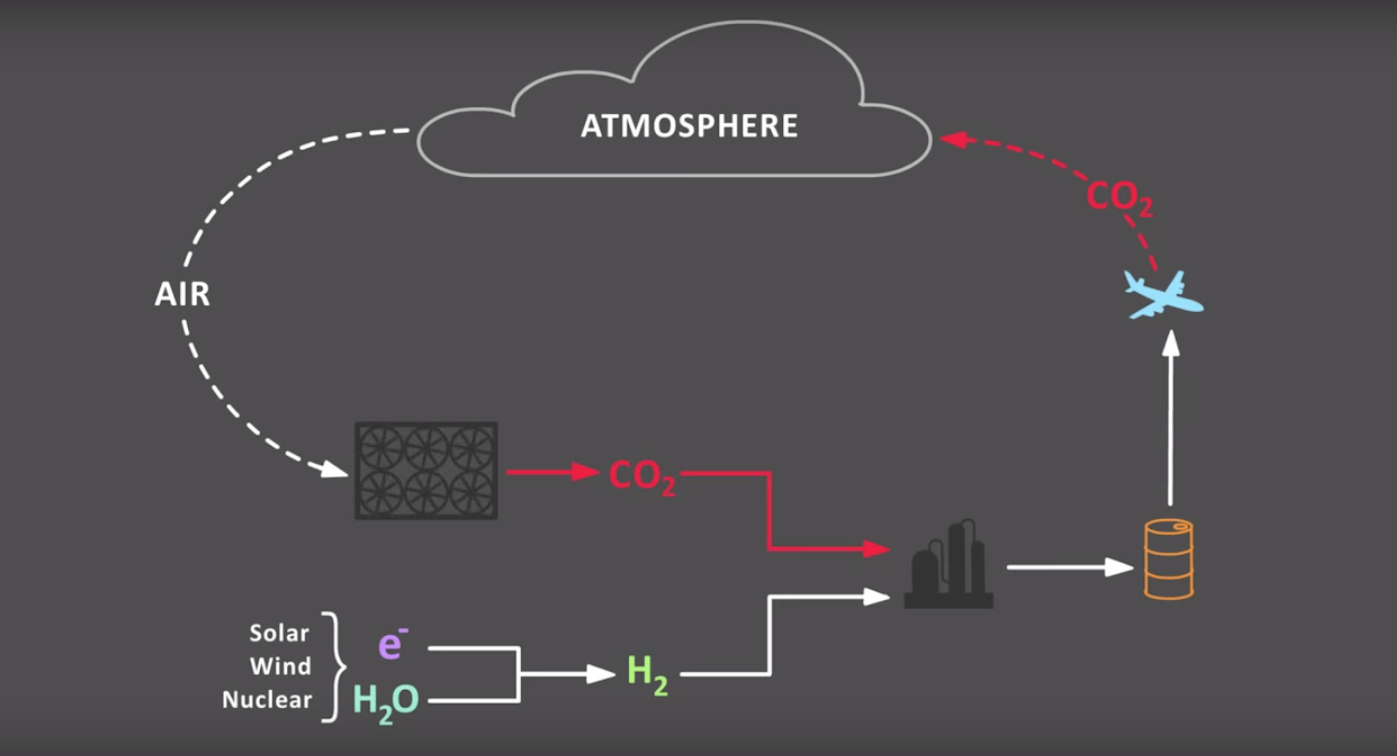
Apart from reducing carbon content in the air, this project is trying to convert the emissions into hydrocarbon products, such as gasoline and jet fuel. For this purpose, the carbonate is needed to be converted into hydrocarbon with the help of Hydrogen. Once the hydrocarbon is produced, it can be burnt to produce energy. The resultant emission can again be converted into hydrocarbons. So, the machine should be able to run in a cycle.

The good thing is that, Carbon Engineering is already having the technology in prototype scale. They just need to scale up the operation so that the project works in much bigger scale.

“We can and must transition to sustainable sources of low carbon energy. We’re doing that, but it will take time. With the appropriate design, and the right scale, we can start today,” clarifies David Keith, the President of Carbon Engineering.

[adinserter block=”7″]

You may be interested in the video below:

width="697" height="697" allowfullscreen="allowfullscreen">

Author: Technology and Beyond

Tagged :

Believe it or not! Microwave Oven Was invented by a pure accident

Modern day kitchen is pretty much incomplete without a microwave oven. According to the statistics given by Popular Mechanics, 90% kitchen in America is equipped with microwave ovens and it’s not a surprise at all.

microwave-oven-1

Nowadays, microwave is being used for almost everything, starting from heating to cooking food. The main reason for its popularity is the ease of use. It is really difficult to believe that such a useful gadget was invented purely by accident.

It was probably originated about 70 years ago (during 1946) when engineer and inventor Percy Spencer was working with a military grade magnetron. He was focusing on enhancement of power level of the magnetron so that it can be used in a radar set. At this point, he was trying to take out a peanut cluster bar from his pocket. To his surprise, it was totally melted. In his own language it was “a gooey, sticky mess.”

George “Rod” Spencer Jr, the grandson of the inventor, mentioned:

“He loved nature (due to his childhood in Maine)… especially his little friends the squirrels and the chipmunks,” young Spencer continued, “so he would always carry a peanut cluster bar in his pocket to break up and feed them during lunch.”

He was curious about melting of the bar and had some doubt in mind that it was something to do with the magnetron experiment. Spencer again conducted a magnetron test and this time he put an egg under the tube. The egg was exploded after some time and Spencer really got interested about it. Next day, when he conducted the same experiment by placing some corn kernels under the tube, those became popcorns.

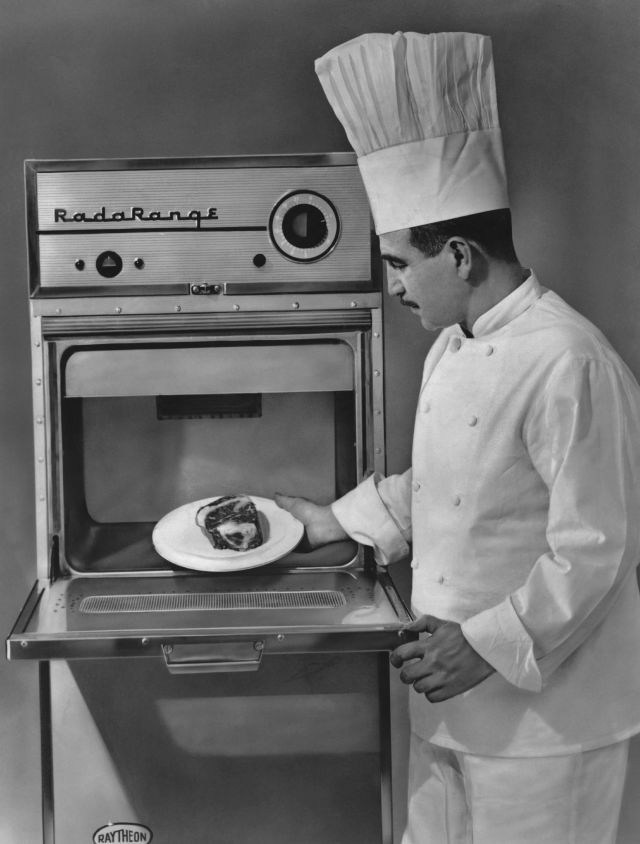
During 1947, Spencer introduced Radarange, the first generation microwave oven. It was heavy weighing almost 750 pounds and had a price tag of over $2,000. Due to its heavy weight and high price tag, it didn’t become popular at that point of time.

During 1955, Spencer introduced his first domestic microwave but the technology still didn’t gather momentum. Long after that, during 1967, Amana introduced a compact version of the Radarange which got traction from the market. It got popular and from 1975 onwards, over I million microwave ovens were sold each year.

During 1958, Percy Spencer introduced Raytheon Radarange III, which was an early version of a commercial microwave oven.

Junior Rod Spencer, who is also an engineer, is currently writing a book about his grandfather, mentioned:

“Gramps was loud, wanted to make everything happen at all times… There were no ‘challenges,’ simply everything was a goddamn problem that needed to be solved. Everyone trusted him to do just that.”

[adinserter block=”7″]

Author: Technology and Beyond
Tagged :

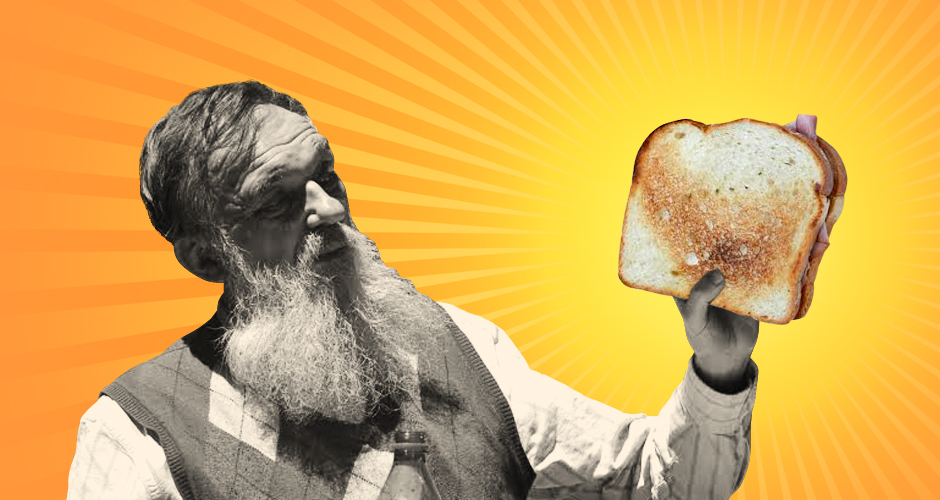
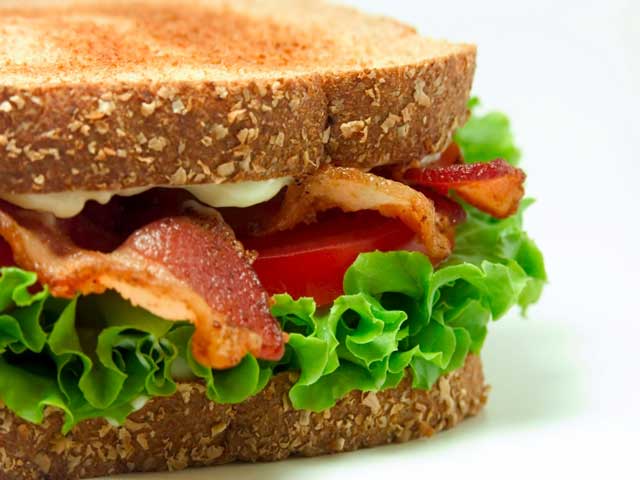
This is WHY two pieces of breads with a filling is called a “Sandwich”!

It is said that sandwich was invented by the John Montagu, the fourth Earl of Sandwich who was addicted to gambling and did not want to leave his table even for meal. He asked his servant for a meal between two pieces of bread and thus sandwich was invented.
sandwich-02

Another story doing the rounds is with regard to sage Hillel born in the first century BC in Babylonia. It is said that he devoted his time to study the Torah during the time of debate on the Jewish law. During the celebration of Passover, roasted lamb was eaten with bitter herbs and matzah. During those times, the traditional meal made from meat of lamb was shared among friends and family and Hillel interpreted to make it in the form of a meat stack and herbs bound together between the slices of unleavened bread. It was known as “korech” which is the Hebrew word for “to wrap”. That’s how the ancient sandwich was created.

The first recorded sandwich is said to be made by mixing nuts, apples and spices with wine and placing it between two pieces of flat bread. Bread was used as plates during the 6th to 16th century and then meat and vegetables were placed on the bread and people ate with their fingers. These open sandwiches as they were called were known as trenchers in those times.

One more anecdote relates to Edward Montagu who was John Montagu’s successor. Edward’s original title was as Earl of Portsmouth and he was active in the admiralty. His fleet was docked on the coast of Sandwich. It is said that Edward decided to take the title of Earl of Sandwich to have a connection to his family. Montagu’s travels to the Mediterranean led him to observe how the mezze platters were served. Items like Dips, cheese and meat were sandwiched between layers of bread and he replicated it to avoid getting up from the gambling table.

[adinserter block=”7″]

Next Page For More

Tagged :

THIS is why you should give your job a ditch and form your own start-up

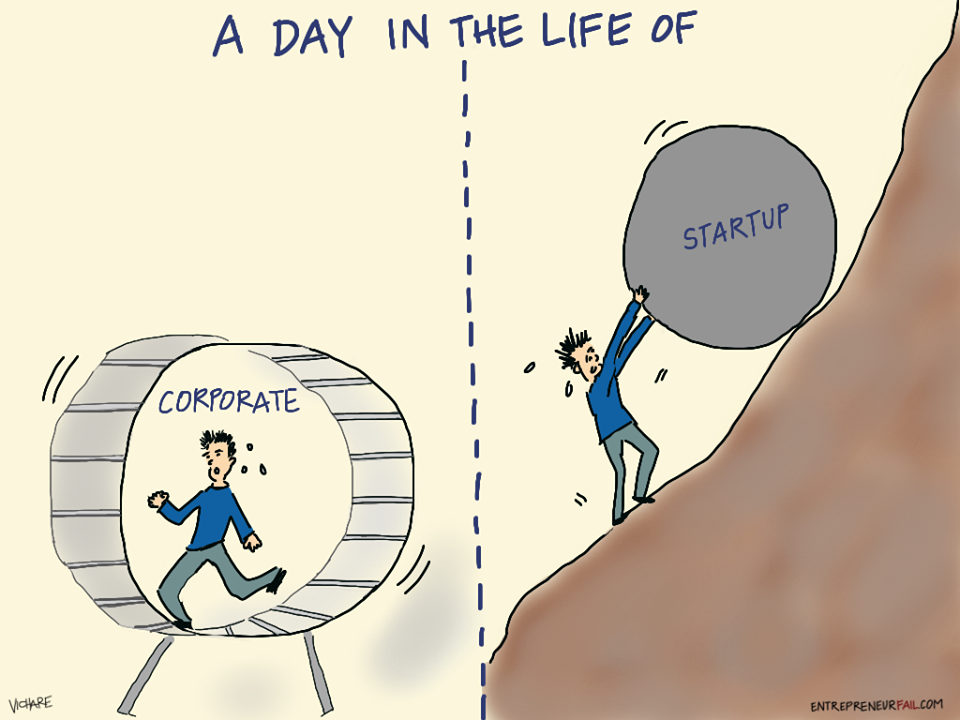
A corporate entity is a stable one where systems and processes are well established. Even for minor jobs also, there are work instructions and standard operating procedures. All these are possible because over the years, the entity has created a niche for itself and has been doing the same operation for years together. People working in the corporate for a long time develop some kind of boredom. It is not, as if, challenges are less so far as corporate world is concerned but challenges are more structured and often connected to volumes rather than the quality.

The stability of the corporate world often let the workers develop an inertia, while they feel stagnancy and the boredom, they are often not inclined to go out and try something new for themselves. This is also because of the fact that creating and running a start-up involves a bigger risk; the Risk of failure. Risk of failure is also present in the corporate world but that is generally minimized by collective responsibility, wisdom and decision making. On the other hand, any mistake in the start-up operation can completely wipe out the resources and make it nonviable.

But, you have to keep in mind that the rate of return will be much higher in the case of start-ups. And, apart from that, the biggest company you know today, has once started as a start-up only. The following stories in visual format should inspire you to do something of your own.

corporate-vs-startup-7
Source: Anna Vital
corporate-vs-startup-6
Source: Anna Vital

[adinserter block=”7″]

Next Page For More

Tagged :
Verified by ExactMetrics