5 Health Benefits of Eating Pistachios and Side Effects of Over Eating It

5 Health Benefits of Eating Pistachios and Side Effects of Over Eating It
Pistachios are a delicious and nutritious snack that can offer a number of health benefits. They are a good source of protein, fiber, healthy fats, vitamins, and minerals.

Here are five of the health benefits of eating pistachios:

1. Improved heart health: Pistachios are a good source of monounsaturated and polyunsaturated fats, which are healthy fats that can help to lower cholesterol levels and improve heart health. Pistachios also contain antioxidants, which can help to protect the heart from damage.

2. Reduced risk of type 2 diabetes: Pistachios have a low glycemic index, which means that they do not cause a sudden spike in blood sugar levels. This makes them a good snack choice for people with diabetes or prediabetes. Pistachios also contain fiber, which can help to slow down digestion and regulate blood sugar levels.

3. Weight loss: Pistachios are a good source of protein and fiber, which can help to keep you feeling full and satisfied. This can help you to eat fewer calories overall and promote weight loss.

4. Gut health: Pistachios are a good source of fiber, which is important for gut health. Fiber helps to keep the digestive system healthy and regular. Pistachios also contain prebiotics, which are non-digestible fibers that feed the good bacteria in the gut.

5. Eye health: Pistachios contain lutein and zeaxanthin, which are carotenoids that are important for eye health. Lutein and zeaxanthin can help to protect the eyes from damage and reduce the risk of age-related macular degeneration.


Side effects of overeating pistachios:

While pistachios are a healthy snack, overeating them can lead to some side effects, such as:

  • Weight gain: Pistachios are high in calories, so overeating them can lead to weight gain.
  • Digestive problems: Pistachios are a good source of fiber, but too much fiber can cause digestive problems such as gas, bloating, and diarrhea.
  • Nausea and vomiting: Eating too many pistachios can cause nausea and vomiting.
  • Allergic reactions: Some people may be allergic to pistachios. Symptoms of a pistachio allergy can include hives, itching, swelling, difficulty breathing, and anaphylaxis.                                                                                                                                                                                                                                          How many pistachios should you eat per day?

The recommended daily serving of pistachios is one ounce, which is about 49 nuts. This is about the amount that can fit in the palm of your hand.

Tips for eating pistachios in moderation:

  • Buy pistachios in the shell. This will help you to eat fewer pistachios, as it takes longer to shell them.
  • Eat pistachios as a snack or with a meal. Avoid eating pistachios while watching TV or doing other activities, as this can lead to overeating.
  • Pair pistachios with other healthy foods, such as fruits, vegetables, or yogurt. This will help you to feel full and satisfied.

Overall, pistachios are a healthy and nutritious snack. However, it is important to eat them in moderation to avoid side effects such as weight gain, digestive problems, and allergic reactions.

Tagged : / / /

5 Fruits That Are Great For Asthma Patients

5 Fruits That Are Great For Asthma Patients
Asthma is a chronic lung condition that causes inflammation and narrowing of the airways. This can lead to symptoms such as wheezing, coughing, shortness of breath, and chest tightness. While there is no cure for asthma, there are treatments that can help to control the symptoms and improve quality of life.

In addition to medical treatment, there are also some lifestyle changes that asthma patients can make to help manage their condition. One important change is to eat a healthy diet. Eating a variety of nutritious foods can help to reduce inflammation, improve lung function, and boost the immune system.

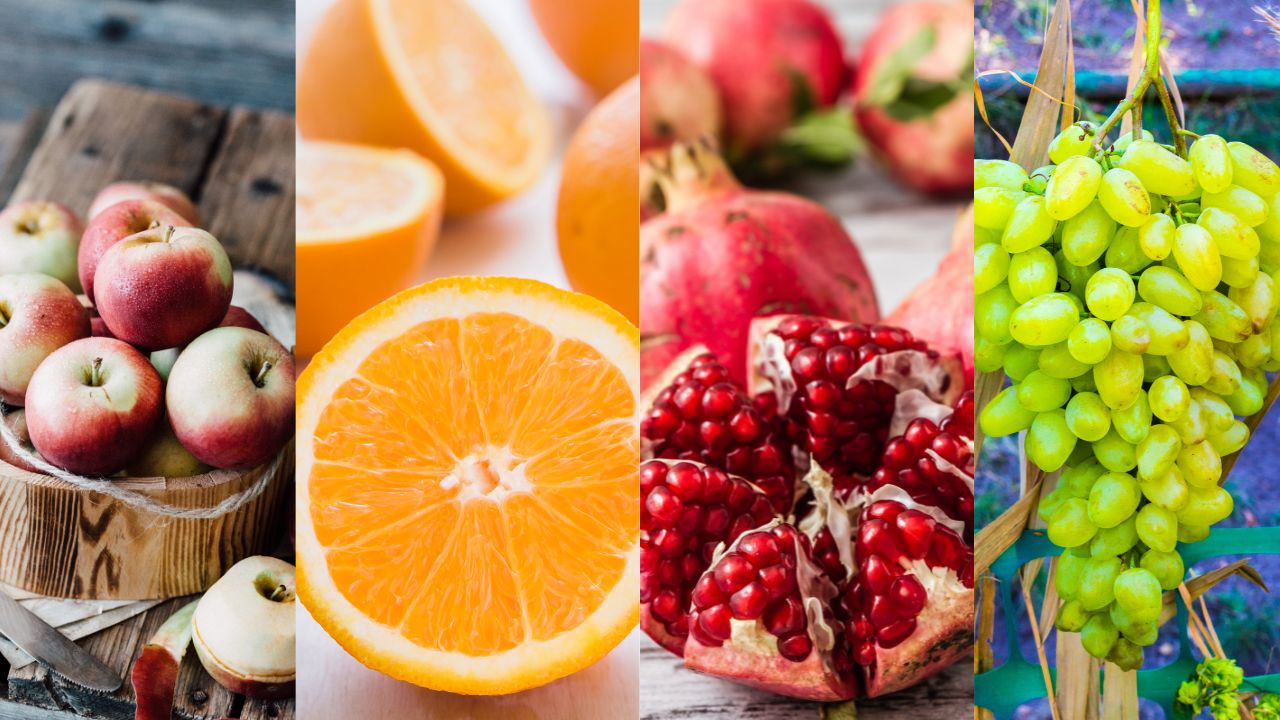
Fruits are a great part of a healthy diet for asthma patients. They are packed with vitamins, minerals, and antioxidants that can help to improve overall health and well-being. Here are five fruits that are especially beneficial for asthma patients:

1. Apples

Apples are a good source of vitamin C, which is an antioxidant that can help to reduce inflammation. Apples also contain quercetin, a flavonoid that has anti-inflammatory and anti-allergic properties.

2. Oranges

Oranges are another good source of vitamin C. They also contain potassium, which can help to relax the muscles in the airways and make breathing easier.

3. Bananas

Bananas are a good source of potassium and magnesium. Potassium can help to relax the muscles in the airways, while magnesium can help to reduce inflammation.

4. Grapes

Grapes are a good source of antioxidants, including resveratrol and quercetin. These antioxidants can help to reduce inflammation and improve lung function.

5. Pomegranates

Pomegranates are a good source of antioxidants, including vitamin C, vitamin E, and polyphenols. These antioxidants can help to reduce inflammation and protect the lungs from damage.

In addition to the fruits listed above, other fruits that are beneficial for asthma patients include berries, melons, and papayas. All of these fruits are packed with vitamins, minerals, and antioxidants that can help to improve overall health and well-being.

Here are some tips for incorporating more fruits into your diet:

  • Start your day with a fruit smoothie.
  • Add fresh fruit to your cereal or oatmeal.
  • Snack on fruit throughout the day.
  • Add fruit to your salads and main dishes.
    Make your own fruit desserts, such as fruit salad, fruit popsicles, or fruit yogurt parfaits.

    Eating a variety of fruits is a great way to improve your overall health and well-being. For asthma patients, eating fruits can also help to reduce inflammation, improve lung function, and boost the immune system.

Tagged : / / /

9 Foods to Avoid When You Have an Upset Stomach

9 Foods to Avoid When You Have an Upset Stomach
An upset stomach can be a miserable experience, causing nausea, vomiting, diarrhea, and abdominal pain. While there are many things you can do to relieve your symptoms, one of the most important is to avoid foods that can make things worse.

Here is a list of foods to avoid when you have an upset stomach:

1. Fatty foods: Fatty foods are difficult to digest and can slow down digestion, which can lead to stomach upset. Avoid foods such as fried foods, full-fat dairy products, and fatty meats.

2. Spicy foods: Spicy foods can irritate the lining of the stomach and cause inflammation. If you have an upset stomach, it’s best to avoid spicy foods altogether.

3. Caffeinated drinks: Caffeine can relax the lower esophageal sphincter, which can allow stomach acid to back up into the esophagus, causing heartburn and acid reflux. Avoid caffeinated drinks such as coffee, tea, and soda.

4. Carbonated drinks: Carbonated drinks can also relax the lower esophageal sphincter and cause stomach upset. Avoid carbonated drinks such as soda and sparkling water.

5. Sugary drinks: Sugary drinks can draw water into the intestines, which can lead to diarrhea. Avoid sugary drinks such as soda, juice, and sports drinks.

6. Acidic foods and drinks: Acidic foods and drinks can irritate the lining of the stomach and cause stomach upset. Avoid acidic foods and drinks such as citrus fruits, tomatoes, and vinegar.

7. Raw fruits and vegetables: Raw fruits and vegetables are high in fiber, which can be difficult to digest when you have an upset stomach. Avoid raw fruits and vegetables such as apples, broccoli, and carrots.

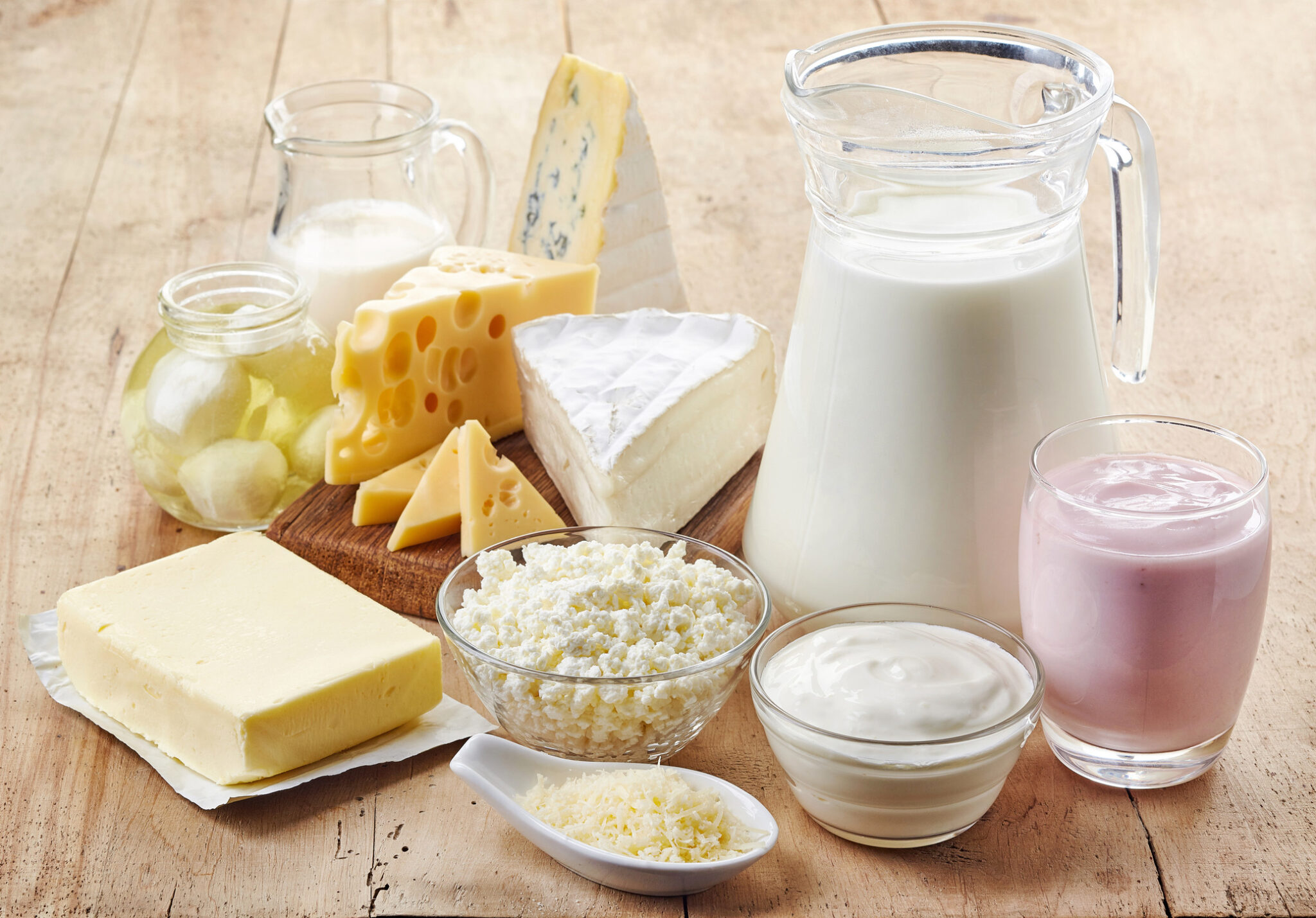
8. Dairy products: Dairy products can be difficult to digest, especially for people with lactose intolerance. If you have an upset stomach, it’s best to avoid dairy products altogether.

9. Alcohol: Alcohol can irritate the lining of the stomach and cause stomach upset. Avoid alcohol when you have an upset stomach.

In addition to the foods listed above, there are also some other foods that you may want to avoid when you have an upset stomach, such as:

  • Beans: Beans are high in fiber and can cause gas and bloating.
  • Lentils: Lentils are also high in fiber and can cause gas and bloating.
  • Onions: Onions can irritate the lining of the stomach and cause stomach upset.
  • Garlic: Garlic can also irritate the lining of the stomach and cause stomach upset.
  • Chocolate: Chocolate contains caffeine, which can relax the lower esophageal sphincter and cause stomach upset.

If you have an upset stomach, it’s best to eat bland, easy-to-digest foods. Some good options include:

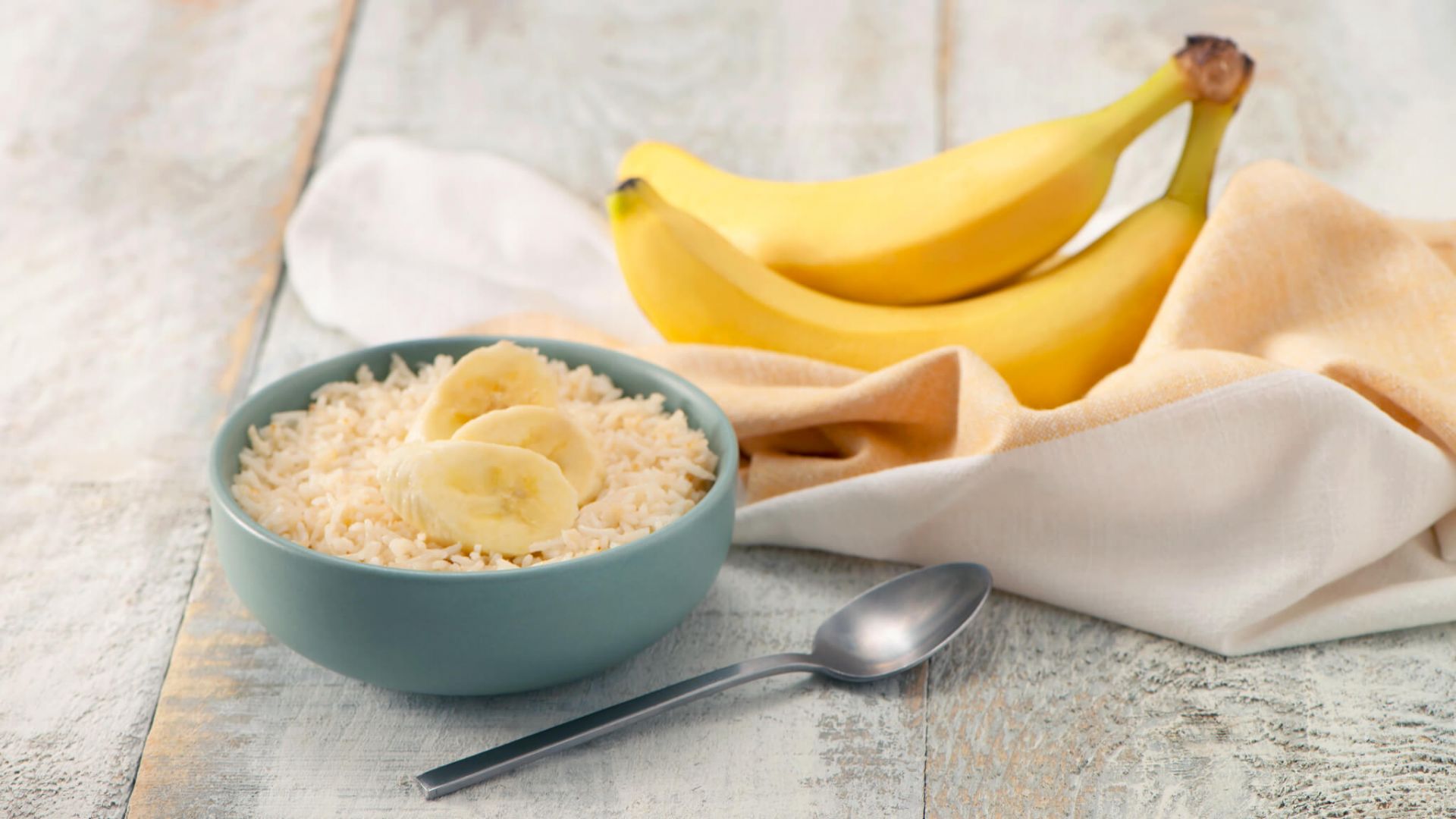
  • Bananas: Bananas are a good source of potassium, which can help to replace electrolytes lost through diarrhea.
  • Rice: Rice is a bland, easy-to-digest food that can help to settle an upset stomach.
  • Applesauce: Applesauce is a bland, easy-to-digest food that can help to settle an upset stomach.
  • Broth: Broth is a good source of electrolytes and can help to keep you hydrated.It’s also important to stay hydrated when you have an upset stomach. Drink plenty of fluids, such as water, clear broths, and sports drinks.
Tagged : / / /

Best and worst foods for people trying to quit smoking

Best and worst foods for people trying to quit smoking
Quitting smoking is one of the best things you can do for your health, but it can also be one of the hardest. One way to make the process a little bit easier is to be mindful of the foods you eat and drink.

Best foods for people trying to quit smoking

Here are some of the best foods for people trying to quit smoking:

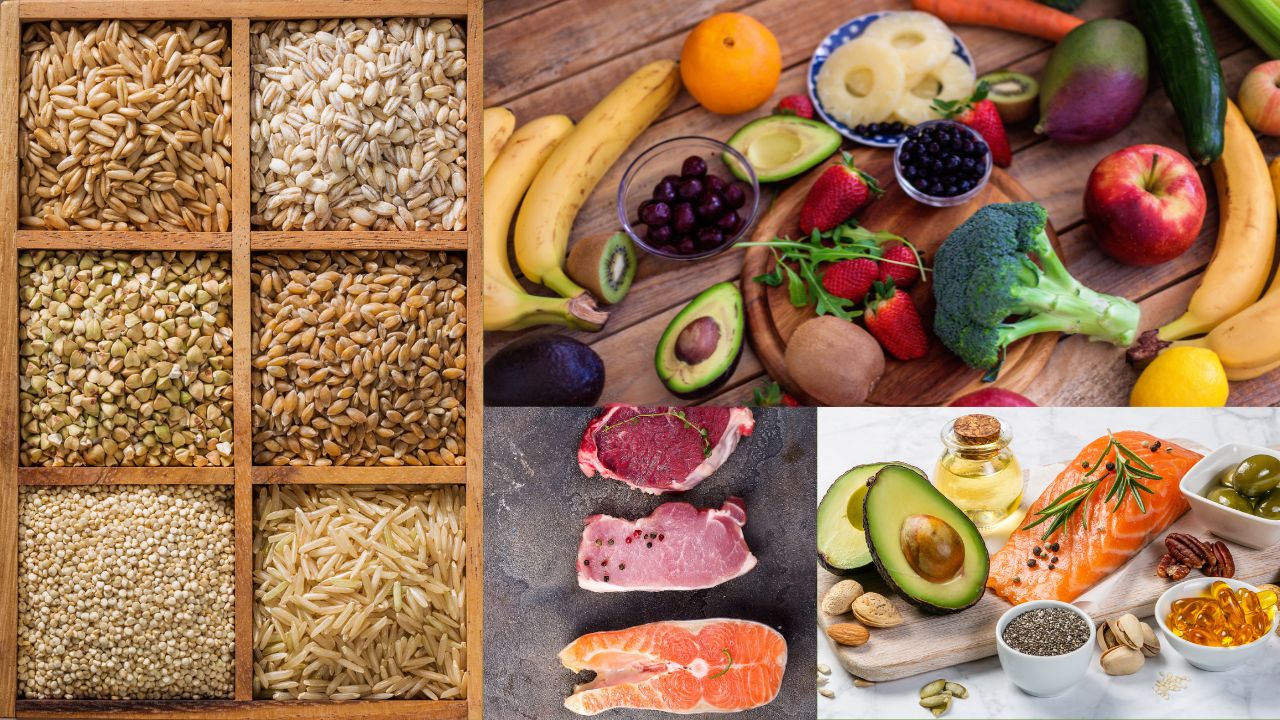
1. Fruits and vegetables: Fruits and vegetables are packed with vitamins, minerals, and antioxidants, which can help to support your body during the withdrawal process. They can also help to reduce cravings and improve your mood.

2. Whole grains: Whole grains are a good source of complex carbohydrates, which provide your body with sustained energy. They are also a good source of fiber, which can help to keep you feeling full and satisfied.

3. Lean protein: Lean protein sources, such as chicken, fish, and beans, can help to reduce cravings and improve your mood. They can also help to build and repair muscle tissue.

4. Healthy fats: Healthy fats, such as those found in avocados, nuts, and seeds, can help to improve your mood and reduce stress levels. They can also help to reduce inflammation throughout the body.

5. Water: Water is essential for overall health and well-being. It can also help to flush toxins from the body and reduce cravings.

Worst foods for people trying to quit smoking

Here are some of the worst foods for people trying to quit smoking:

Caffeinated beverages: Caffeine can trigger cravings and make it more difficult to quit smoking. It is best to avoid caffeine altogether when trying to quit.

Alcohol: Alcohol can also trigger cravings and make it more difficult to quit smoking. It is best to avoid alcohol altogether when trying to quit.

Sugary foods and drinks: Sugary foods and drinks can cause blood sugar levels to spike and crash, which can lead to cravings. It is best to avoid sugary foods and drinks altogether when trying to quit.

Fatty and processed foods: Fatty and processed foods are often high in unhealthy fats, sodium, and sugar. They can also cause inflammation throughout the body. It is best to avoid fatty and processed foods altogether when trying to quit.

Tips for eating a healthy diet while trying to quit smoking

Here are a few tips for eating a healthy diet while trying to quit smoking:

  • Plan your meals ahead of time. This will help you to avoid making unhealthy choices when you are hungry.
  • Keep healthy snacks on hand. This will help you to avoid reaching for unhealthy snacks when you have a craving.
  • Eat regular meals and snacks. This will help to keep your blood sugar levels stable and reduce cravings.
  • Drink plenty of water. This will help to flush toxins from the body and reduce cravings.
  • Avoid trigger foods and drinks. Identify the foods and drinks that trigger your cravings and avoid them altogether.
    Quitting smoking is not easy, but it is possible. By eating a healthy diet, you can give yourself the best chance of success.
Tagged : / / / /

Why Millets Are The Best Food For You And The Easy Ways To Include Them In Your Diet

Why Millets Are The Best Food For You And The Easy Ways To Include Them In Your Diet
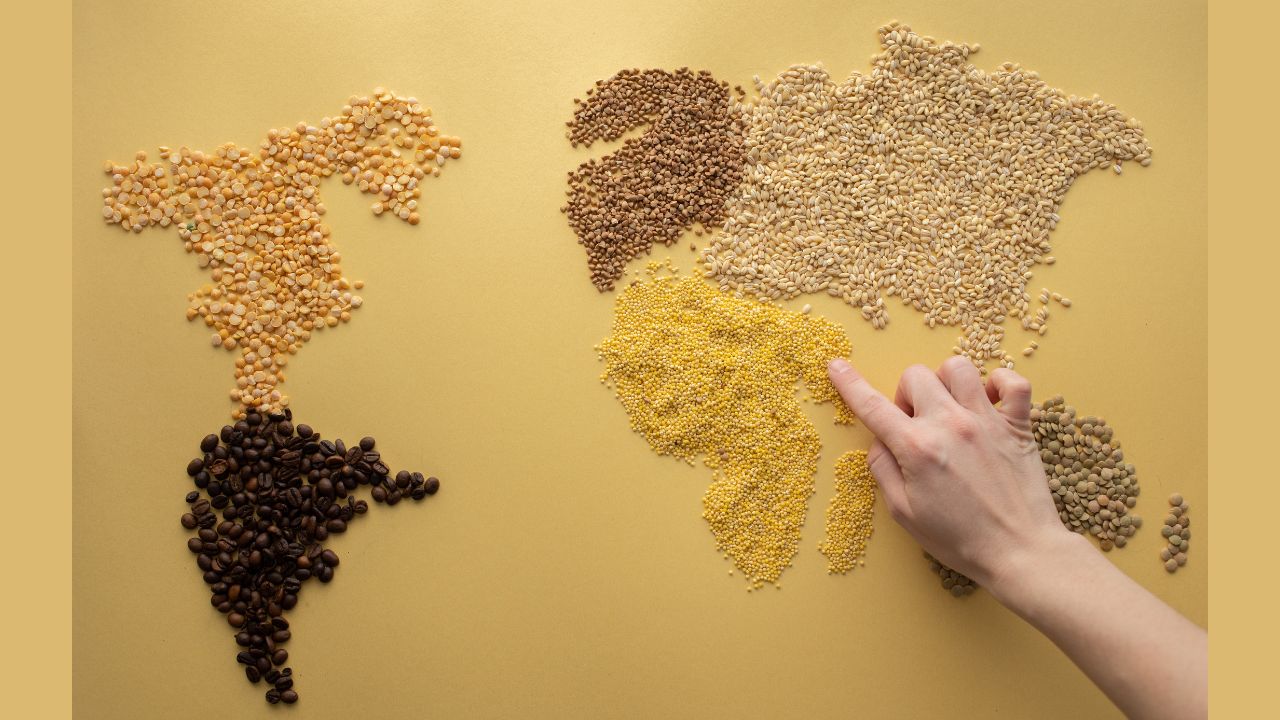
Millets are a group of small-seeded grasses that have been cultivated for thousands of years. They are a good source of protein, fiber, vitamins, and minerals. Millets are also gluten-free, making them a good choice for people with celiac disease or gluten intolerance.

Health benefits of millets

Millets have a number of potential health benefits, including:

1. Lowering blood sugar levels: Millets have a low glycemic index (GI), meaning that they don’t cause blood sugar levels to spike after eating. This makes them a good choice for people with diabetes or prediabetes.

2. Reducing cholesterol levels: Millets contain soluble fiber, which can help to reduce cholesterol levels.

3. Promoting weight loss: Millets are low in calories and high in fiber, making them a good food for people trying to lose weight.

4. Improving gut health: Millets contain prebiotics, which are fibers that feed the good bacteria in the gut. A healthy gut microbiome is important for overall health and well-being.

5. Reducing inflammation: Millets contain antioxidants and other compounds that can help to reduce inflammation throughout the body.

6. Preventing chronic diseases: Millets have been linked to a reduced risk of chronic diseases such as heart disease, stroke, type 2 diabetes, and some types of cancer.

How to include millets in your diet?

There are many ways to include millets in your diet. Here are a few ideas:

Breakfast: Start your day with a nutritious millet breakfast, such as millet porridge, millet idlis, or millet pancakes.
Lunch: Millet roti, millet khichdi, and millet salads are all great options for a healthy lunch.
Dinner: Millet can be used to make a variety of main dishes, such as millet biryani, millet pulao, and millet lasagna.
Snacks: Millet snacks, such as millet chikki, millet ladoo, and millet popcorn, are a healthy and delicious way to snack.

Tagged : / / / / / /

What is Hypothyroidism? 7 Superfoods For Hypothyroidism

What is Hypothyroidism? 7 Superfoods For Hypothyroidism
Hypothyroidism is a condition in which the thyroid gland does not produce enough thyroid hormone. The thyroid gland is a small gland located in the neck that produces hormones that regulate metabolism, growth, and development. Hypothyroidism can cause a variety of symptoms, including Fatigue, Weight gain, Sensitivity to cold, Constipation, Dry skin, Hair loss, Brittle nails, Difficulty concentrating, Depression.
7 Superfoods for Hypothyroidism

There is no cure for hypothyroidism, but it can be managed with medication and lifestyle changes. Eating a healthy diet is important for people with hypothyroidism, and certain foods can help to improve symptoms and support thyroid function.

Here are 7 superfoods for hypothyroidism:

1. Seaweed: Seaweed is a good source of iodine, an essential mineral for thyroid function. Iodine is needed to produce thyroid hormone.

2. Brazil nuts: Brazil nuts are an excellent source of selenium, a mineral that is important for thyroid function. Selenium helps to protect the thyroid gland and promote the production of thyroid hormone.

3. Fish: Fish is a good source of omega-3 fatty acids, which have anti-inflammatory properties. Inflammation can interfere with thyroid function, so eating omega-3 fatty acids can help to improve thyroid function.

4. Eggs: Eggs are a good source of iodine and selenium. They are also a good source of protein, which is important for overall health.

5. Berries: Berries are a good source of antioxidants, which can help to protect the thyroid gland from damage.

6. Sweet potatoes: Sweet potatoes are a good source of beta-carotene, which the body converts to vitamin A. Vitamin A is important for thyroid function.

7. Spinach: Spinach is a good source of iodine and selenium. It is also a good source of fiber, which can help to improve digestion.

In addition to eating these superfoods, it is also important to avoid certain foods that can interfere with thyroid function. These foods include:

  • Soy products
  • Cruciferous vegetables, such as broccoli, cabbage, and cauliflower
  • Processed foods
  • Sugary drinksIf you have hypothyroidism, it is important to talk to your doctor or a registered dietitian about the best diet for you.
Tagged : / / / / / /

India’s Favourite Milk Tea aka ‘Chai’ May Have These 7 Side Effects!

India’s Favourite Milk Tea aka ‘Chai’ May Have These 7 Side Effects!
Milk tea is a popular beverage that is made by adding milk to tea. It is enjoyed by people all over the world and is available in many different flavors. While milk tea can be a delicious and refreshing drink, it is important to be aware of the potential side effects of drinking it too often.

Here are 7 side effects of drinking milk tea:

1. Bloating and gas

Milk tea contains both caffeine and tannins, which can irritate the digestive system and cause bloating and gas. Additionally, the milk in milk tea can also contribute to digestive problems, especially for people who are lactose intolerant.

2. Constipation

Caffeine can have a dehydrating effect on the body, which can lead to constipation. Additionally, the tannins in milk tea can also bind to iron in the food you eat, making it more difficult for your body to absorb. This can also lead to constipation.

3. Anxiety

Caffeine is a stimulant, and consuming too much of it can lead to anxiety and jitteriness. Milk tea typically contains less caffeine than coffee, but it is still important to be mindful of your intake, especially if you are sensitive to caffeine.

4. Insomnia

Caffeine can also interfere with sleep, so drinking milk tea too close to bedtime can make it difficult to fall asleep. If you are struggling with insomnia, it is best to avoid drinking milk tea in the evening.

5. Weight gain

Milk tea can be high in calories and sugar, especially if you add sweeteners and toppings to it. Consuming too much milk tea can lead to weight gain, especially over time.

6. Headaches

Caffeine can cause headaches, especially if you are not used to consuming it regularly. If you experience headaches after drinking milk tea, it is best to reduce your intake or avoid it altogether.

7. Acne

Some people believe that drinking milk tea can cause acne. This is because milk tea contains hormones and other compounds that can stimulate oil production in the skin. However, more research is needed to confirm this link.

Overall, milk tea is a safe beverage to consume in moderation. However, it is important to be aware of the potential side effects, especially if you have any underlying health conditions or are sensitive to caffeine.

Here are some tips for reducing the side effects of drinking milk tea:

  • Choose a smaller size of milk tea or split a drink with a friend.
  • Avoid adding sugar or syrup to your milk tea.
  • Choose a milk tea made with low-fat or non-fat milk.
  • Drink milk tea with a meal to help slow down digestion.
  • Avoid drinking milk tea before bed.
  • If you experience any negative side effects after drinking milk tea, reduce your intake or avoid it altogether.
    If you are concerned about the potential side effects of drinking milk tea, talk to your doctor. They can help you determine if milk tea is right for you and how to consume it safely.
Tagged : / / / / / / /

Esophageal cancer (Cancer of the Food Pipe) : Why and how it is caused, symptoms, and cure

Esophageal cancer (Cancer of the Food Pipe ) : Why and how it is caused, symptoms, and cure
Esophageal cancer is a type of cancer that begins in the esophagus, a long muscular tube that connects the throat to the stomach. It is the eighth most common cancer worldwide and the sixth leading cause of cancer death.

Why and how it is caused?

The exact cause of esophageal cancer is unknown, but there are a number of risk factors that can increase your chances of developing the disease. These risk factors include:

  • Smoking
  • Heavy alcohol consumption
  • Barrett’s esophagus (a precancerous condition)
  • Obesity
  • Gastroesophageal reflux disease (GERD)
  • Human papillomavirus (HPV) infection
  • Achalasia (a condition in which the muscles at the bottom of the esophagus do not relax properly)
  • Tylosis with esophageal cancer (TECE), a rare genetic disorder
    Symptoms

The symptoms of esophageal cancer can vary depending on the stage of the disease. However, some of the most common symptoms include:

  • Difficulty swallowing (dysphagia)
  • Pain when swallowing (odynophagia)
  • Regurgitation of food or liquid
  • Unintentional weight loss
  • Heartburn
  • Chest pain
  • Hoarseness
  • Chronic cough
    If you are experiencing any of these symptoms, it is important to see a doctor to get a diagnosis.

Diagnosis

If your doctor suspects that you may have esophageal cancer, they will order a number of tests, including:

Endoscopy: An endoscopy is a procedure in which a thin, flexible tube with a camera at the end is inserted through the mouth or nose and into the esophagus. This allows the doctor to examine the lining of the esophagus for any abnormalities.

Biopsy: If a suspicious area is found during an endoscopy, the doctor may take a biopsy, which is a small sample of tissue, for further testing.

Imaging tests: Imaging tests, such as a CT scan or MRI scan, may be used to determine the size and stage of the cancer.
Treatment

The treatment for esophageal cancer will depend on the stage of the disease and the patient’s overall health. Treatment options may include:

Surgery: Surgery is the most common treatment for esophageal cancer. The type of surgery performed will depend on the stage and location of the cancer.

Radiation therapy: Radiation therapy uses high-energy beams to kill cancer cells. It may be used before or after surgery or as a standalone treatment.

Chemotherapy: Chemotherapy uses drugs to kill cancer cells. It may be used before or after surgery or as a standalone treatment.

Targeted therapy: Targeted therapy drugs are designed to specifically target cancer cells, leaving healthy cells unharmed. They may be used in combination with other treatments, such as chemotherapy or radiation therapy.

Prognosis

The prognosis for esophageal cancer depends on the stage of the disease at diagnosis and the patient’s response to treatment. The five-year survival rate for people with esophageal cancer diagnosed at stage I is about 70%. However, the survival rate drops to about 5% for people diagnosed at stage IV.

Prevention

There is no surefire way to prevent esophageal cancer, but there are a number of things you can do to reduce your risk, such as:

  • Quit smoking
  • Limit alcohol consumption
  • Maintain a healthy weight
  • Eat a healthy diet that is rich in fruits, vegetables, and whole grains
  • Treat GERD if you have it

    If you have any of the risk factors for esophageal cancer, it is important to talk to your doctor about ways to reduce your risk.

Tagged : / / / / /

Is Okra Good For Your Health? What Is Its Nutritional Value and Health Benefits?

Is Okra Good For Your Health? What Is Its Nutritional Value and Health Benefits?
Okra is a flowering plant native to Africa and Asia. The edible part of the plant is the seed pod, which is often referred to as a “lady’s finger.” Okra is a popular ingredient in many cuisines around the world, and it is known for its unique flavor and texture.

Nutritional value of okra

Okra is a good source of vitamins, minerals, and antioxidants. It is particularly low in calories and fat, and it is a good source of dietary fiber.

Here is a breakdown of the nutritional value of one cup of cooked okra:

Calories: 33
Fat: 0 grams
Carbohydrates: 7 grams
Fiber: 4 grams
Protein: 2 grams
Vitamin C: 25% of the daily recommended value
Vitamin K: 20% of the daily recommended value
Folate: 15% of the daily recommended value
Magnesium: 10% of the daily recommended value
Potassium: 7% of the daily recommended value
Health benefits of okra

Okra has been shown to have a number of health benefits, including:

Heart health: Okra contains soluble fiber, which can help to lower cholesterol levels. It also contains potassium, which can help to regulate blood pressure.

Gut health: Okra is a good source of prebiotic fiber, which can help to feed the good bacteria in the gut. Prebiotic fiber helps to promote a healthy gut microbiome, which is important for overall health.

Bone health: Okra is a good source of vitamin K, which is important for bone health. Vitamin K helps the body to absorb calcium, which is essential for strong bones.

Blood sugar control: Okra contains a compound called inositol, which can help to improve insulin sensitivity and regulate blood sugar levels.

Other potential health benefits of okra:

  • Okra may help to protect against cancer. Okra contains antioxidants that can help to protect cells from damage.
  • Okra may help to boost the immune system. Okra is a good source of vitamin C, which is important for immune function.
  • Okra may help to improve weight loss. Okra is a low-calorie food that is high in fiber. Fiber can help to promote feelings of fullness and satisfaction, which can lead to weight loss.                                                                                                                                                                                                                                      Okra is a versatile vegetable that can be used in a variety of dishes. It can be eaten fresh, cooked, or dried.

Conclusion

Okra is a healthy and versatile vegetable that can be added to a variety of dishes. It is a good source of vitamins, minerals, and antioxidants, and it has a number of potential health benefits.

If you are looking for a nutritious and delicious way to boost your diet, okra is a great option.

Tagged : / / / / / / /

How the color of your sunglasses affect your eye health?

How the color of your sunglasses affect your eye health?
Sunglasses are an essential accessory for protecting your eyes from the sun’s harmful ultraviolet (UV) rays. But did you know that the color of your sunglasses can also affect your eye health?

Here is a detailed blog on how the color of your sunglasses affects your eye health:

1. UV protection

The most important thing to consider when choosing sunglasses is UV protection. All sunglasses should block 99-100% of both UVA and UVB rays. UVA rays can penetrate deep into the eye and damage the retina, while UVB rays are responsible for sunburns and cataracts.

The color of your sunglasses does not affect UV protection. However, it is important to note that darker lenses do not necessarily block more UV rays. Look for sunglasses that are labeled as having 100% UV protection, regardless of the lens color.

2. Glare reduction

Glare is another factor to consider when choosing sunglasses. Glare is caused by sunlight reflecting off of surfaces such as water, snow, and pavement. It can be uncomfortable and even dangerous, especially when driving.

Some lens colors are better at reducing glare than others. Gray, green, and brown lenses are all good choices for reducing glare. Yellow and orange lenses can also reduce glare, but they may distort colors.

3. Color perception

The color of your sunglasses can also affect your color perception. Some lens colors can make colors appear more vibrant or muted.

Gray lenses are a good choice for everyday wear because they do not distort colors. Green lenses can enhance contrast and make colors appear more vibrant, which can be helpful for activities such as golf and fishing. Brown lenses can reduce glare and make objects appear sharper.

4. Specific activities

Some lens colors are better suited for specific activities than others. For example, if you spend a lot of time on the water, you may want to choose sunglasses with blue or violet lenses. These colors can help to reduce glare and improve contrast.

If you play sports, you may want to choose sunglasses with gray or brown lenses. These colors can help to reduce glare and improve your depth perception.

Here is a more detailed breakdown of how different lens colors affect your eye health and vision:

Gray lenses: Gray lenses are a popular choice for sunglasses because they do not distort colors. They are also good at reducing glare and improving contrast. Gray lenses are a good choice for everyday wear and for activities such as driving, walking, and hiking.

Green lenses: Green lenses enhance contrast and make colors appear more vibrant. This can be helpful for activities such as golf, fishing, and hunting. Green lenses can also help to reduce glare.

Brown lenses: Brown lenses reduce glare and make objects appear sharper. Brown lenses are a good choice for everyday wear and for activities such as driving, walking, and hiking. They are also a good choice for people with sensitive eyes.

Yellow and orange lenses: Yellow and orange lenses can help to improve visibility in low-light conditions. They can also help to reduce glare. However, yellow and orange lenses can distort colors, so they are not a good choice for everyday wear.

Blue and violet lenses: Blue and violet lenses can help to reduce glare and improve contrast. They are a good choice for activities such as water sports and snow sports. However, blue and violet lenses can also distort colors, so they are not a good choice for everyday wear.

Which lens color is right for you?

The best lens color for you depends on your individual needs and preferences. Consider the activities you will be using your sunglasses for and the type of environment you will be in when choosing a lens color.

If you are unsure which lens color is right for you, ask your eye doctor for a recommendation. They can help you to choose the right lens color for your eye health and vision needs.

Here are some additional tips for choosing sunglasses:

  • Make sure your sunglasses block 99-100% of both UVA and UVB rays.
  • Choose a lens color that is appropriate for the activities you will be using your sunglasses for and the type of environment you will be in.
  • Consider your individual needs and preferences when choosing a lens color.
  • Ask your eye doctor for a recommendation if you are unsure which lens color is right for you.

    Protect your eyes from the sun’s harmful UV rays and improve your vision with the right pair of sunglasses.

Tagged : / / / /

5 Benefits of Beetroot Juice: A Superfood for Your Health

5 Benefits of Beetroot Juice: A Superfood for Your Health
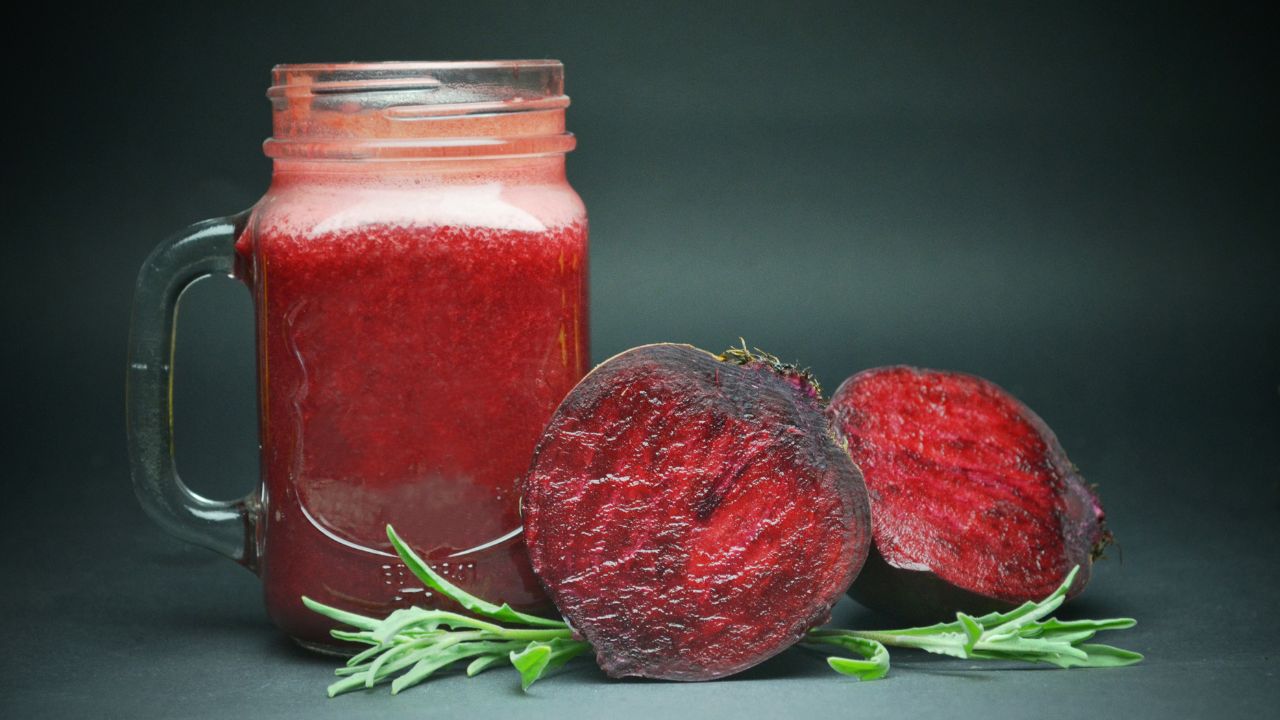
Beetroot juice is a popular superfood that has been shown to have a number of health benefits. It is a good source of vitamins, minerals, and antioxidants, and it has been linked to improved athletic performance, reduced blood pressure, and a number of other benefits.

Here are some of the key benefits of beetroot juice:

1. Improved athletic performance: Beetroot juice contains nitrates, which are converted to nitric oxide in the body. Nitric oxide is a vasodilator, which means that it widens blood vessels. This can improve blood flow and oxygen delivery to muscles, which can lead to improved athletic performance.

2. Reduced blood pressure: Beetroot juice has been shown to lower blood pressure in people with both high blood pressure and normal blood pressure. This is likely due to the presence of nitrates in beetroot juice.

3. Improved heart health: Beetroot juice has been shown to improve heart health by reducing inflammation and improving blood flow. It has also been shown to lower cholesterol levels.

4. Reduced risk of cancer: Beetroot juice contains antioxidants that can help to protect cells from damage. These antioxidants may help to reduce the risk of developing cancer.

5. Improved cognitive function: Beetroot juice has been shown to improve cognitive function in older adults. This is likely due to the presence of nitrates in beetroot juice.


How to drink beetroot juice?

Beetroot juice can be purchased at most grocery stores or made at home. To make beetroot juice at home, simply juice beets and carrots in a juicer. Beetroot juice can be drunk on its own or added to smoothies or juices.

It is important to note that beetroot juice can have some side effects, such as increased urination, red stools, and headache. If you experience any side effects, stop drinking beetroot juice and talk to your doctor.

Here are some tips for adding beetroot juice to your diet:

  • Add beetroot juice to your morning smoothie.
  • Drink beetroot juice before a workout to improve your performance.
  • Add beetroot juice to your favorite soup or stew.
  • Use beetroot juice as a marinade for meat or poultry.
  • Make a beetroot vinaigrette dressing for your salad.
  • Add beetroot juice to your favorite juice or cocktail.

    Beetroot juice is a delicious and nutritious drink that can offer a number of health benefits. If you are looking for a way to improve your overall health, consider adding beetroot juice to your diet.

Tagged : / / / /

How you can prevent weight gain by switching the type of carbohydrates you eat

How you can prevent weight gain by switching the type of carbohydrates you eat
Carbohydrates are one of the three macronutrients that our bodies need for energy. However, not all carbs are created equal. Some carbs are more likely to lead to weight gain than others.

Refined carbohydrates, such as white bread, white rice, and sugary cereals, are quickly digested and absorbed into the bloodstream. This can lead to a spike in blood sugar levels, followed by a crash. This blood sugar roller coaster ride can make you feel hungry and tired, and can also lead to weight gain over time.

Complex carbohydrates, on the other hand, are digested and absorbed more slowly. This helps to keep blood sugar levels stable and provides you with sustained energy. Complex carbohydrates are also typically higher in fiber, which can help you feel full and satisfied after eating.

If you are trying to prevent weight gain, it is important to switch to complex carbohydrates. Here are some tips:

1.Choose whole grains over refined grains. Whole grains are a good source of fiber and other nutrients. Examples of whole grains include oats, brown rice, quinoa, and whole-wheat bread and pasta.

2.Eat plenty of fruits and vegetables. Fruits and vegetables are low in calories and high in nutrients, including fiber. Aim to eat at least five servings of fruits and vegetables per day.

3.Limit sugary drinks. Sugary drinks are high in calories and low in nutrients. Instead of sugary drinks, water, unsweetened tea, and coffee are all good choices.

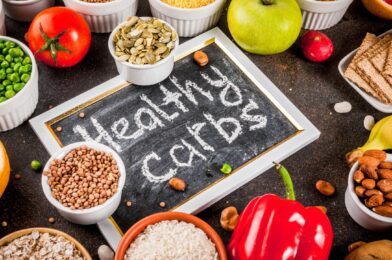
These are some examples of healthy carb choices:

  • Whole grains: oats, brown rice, quinoa, whole-wheat bread and pasta
  • Fruits and vegetables: apples, bananas, berries, broccoli, carrots, leafy greens, tomatoes
  • Legumes: beans, lentils, peas

If you are wondering then let us list down some unhealthy carbohydrate choices

  • Refined grains: white bread, white rice, sugary cereals
  • Starchy vegetables: potatoes, corn, peas
  • Sugary drinks: soda, juice, sports drinks

Follow these for switching to complex carbohydrates:

Start by making small changes For example, you could switch to whole-wheat bread instead of white bread, or eat brown rice instead of white rice.
Experiment with different complex carbohydrates to find ones that you enjoy. There are many different types of complex carbohydrates available, so you are sure to find some that you like.
Make sure to include a variety of complex carbohydrates in your diet. This will help you to get all of the nutrients that you need.
Switching to complex carbohydrates can help you to prevent weight gain by keeping your blood sugar levels stable and providing you with sustained energy. It can also help you to feel full and satisfied after eating, which can help you to eat less overall.

If you have any questions or concerns about switching to complex carbohydrates, be sure to talk to your doctor or a registered dietitian.

Tagged : / / / / /

Drug that mimics exercise triggers weight loss and builds lean muscle

Drug that mimics exercise triggers weight loss and builds lean muscle
Exercise is one of the best things you can do for your overall health and well-being. It helps you lose weight, build muscle, reduce your risk of chronic diseases, and improve your mood and energy levels. However, for many people, exercise can be difficult to find time for or impossible due to health conditions.

That’s where exercise mimetics come in. Exercise mimetics are drugs that mimic the effects of exercise on the body without the need to actually exercise. They work by targeting the same molecular pathways that are activated during exercise, such as those involved in fat metabolism and muscle growth.

One promising exercise mimetic is a drug called SLU-PP-332. In a recent study, researchers at the University of Florida found that SLU-PP-332 was able to promote weight loss and build lean muscle in obese mice without any changes to diet or exercise.

SLU-PP-332 works by activating a specific estrogen-related receptor (ERR) in skeletal muscle. ERRs are proteins that play a role in regulating metabolism and muscle growth. When SLU-PP-332 activates ERRs, it triggers a cascade of events that lead to increased fat burning and muscle building.

In the mouse study, mice that were given SLU-PP-332 twice a day for a month lost 12% of their body weight and gained 10 times less fat than mice in the control group. They also showed significant increases in lean muscle mass and muscle strength.

The researchers were very excited about the results of the study, as they suggest that SLU-PP-332 could be a safe and effective way to help people lose weight and build muscle without having to exercise. However, more research is needed to confirm the safety and efficacy of SLU-PP-332 in humans.

Another promising exercise mimetic is a drug called bexarotene. Bexarotene is currently approved by the FDA to treat cutaneous T-cell lymphoma (CTCL), a type of skin cancer. However, researchers have also found that bexarotene has exercise mimetic effects.

In a study published in the journal Cell Metabolism, researchers found that bexarotene was able to promote weight loss and build muscle in obese mice without any changes to diet or exercise. Bexarotene also improved the metabolic health of the mice, reducing their blood sugar levels and cholesterol levels.

Bexarotene is a more potent drug than SLU-PP-332, and it has some serious side effects, such as liver toxicity. However, researchers are working to develop safer and more effective exercise mimetics that can be used to treat obesity and other chronic diseases.

Exercise mimetics are still in their early stages of development, but they have the potential to revolutionize the way we treat obesity and other chronic diseases. If exercise mimetics are proven to be safe and effective in humans, they could provide a valuable new tool for helping people lose weight, build muscle, and improve their overall health.

Potential benefits of exercise mimetics

1. Weight loss: Exercise mimetics can help people lose weight by increasing their metabolic rate and promoting fat burning.

2. Muscle building: Exercise mimetics can help people build muscle by stimulating muscle growth and repair.

3. Improved metabolic health: Exercise mimetics can improve metabolic health by reducing blood sugar levels, cholesterol levels, and other risk factors for chronic diseases.

4. Reduced risk of chronic diseases: Exercise mimetics may help to reduce the risk of chronic diseases such as obesity, diabetes, heart disease, and cancer.

5. Improved cardiovascular health: Exercise mimetics may help to improve cardiovascular health by increasing blood flow and reducing inflammation.

6. Improved bone health: Exercise mimetics may help to improve bone health by increasing bone density and reducing the risk of fractures.

7. Improved mood and energy levels: Exercise mimetics may help to improve mood and energy levels by reducing stress and promoting the release of endorphins.

Potential drawbacks of exercise mimetics

1. Side effects: Exercise mimetics may have side effects, depending on the specific drug. Some potential side effects include liver toxicity, muscle pain, and fatigue.

2. Safety: Exercise mimetics are still in their early stages of development, and their long-term safety is unknown.

3. Cost: Exercise mimetics are likely to be expensive drugs, especially if they are used for long-term treatment.

4. Not a substitute for exercise: Exercise mimetics should not be seen as a substitute for exercise. Exercise has many benefits that cannot be replicated by drugs, such as improved cardiovascular health, reduced stress levels, and stronger social connections.

Tagged : / / / /

8 Foods You Should Not Eat With Eggs

8 Foods You Should Not Eat With Eggs
Eggs are a versatile and nutritious food that can be enjoyed in a variety of ways. However, there are some foods that should not be eaten with eggs, as they can interfere with their absorption or cause other health problems.

Here are 8 foods you should not eat with eggs and why:

1. Bacon: Bacon is a popular breakfast food that is often paired with eggs. However, bacon is high in saturated fat and sodium, which can increase your risk of heart disease and other health problems. Eating bacon with eggs can also make it difficult for your body to absorb the nutrients in eggs.

2. Sugar: Eating sugar with eggs can cause a spike in blood sugar levels. This can lead to weight gain, diabetes, and other health problems. If you are craving something sweet with your eggs, try adding a piece of fruit or a small amount of honey instead of sugar.

3. Soy milk: Soy milk is a popular alternative to cow’s milk, but it should not be eaten with eggs. Soy milk contains a protein called trypsin inhibitor, which can interfere with the absorption of nutrients from eggs. If you are looking for a plant-based milk to pair with your eggs, try almond milk or oat milk instead.

4. Tea: Tea is a healthy beverage that is often enjoyed with breakfast. However, tea contains tannins, which can interfere with the absorption of iron from eggs. If you are enjoying a cup of tea with your breakfast, try to wait at least 30 minutes after eating eggs before drinking your tea.

5. Bananas: Bananas are a healthy and nutritious fruit, but they should not be eaten with eggs. Bananas contain a compound called lectin, which can bind to proteins in eggs and make them difficult to digest. If you are craving a banana with your breakfast, try eating it separately from your eggs.

6. Meat: Meat is a good source of protein, but it should not be eaten with eggs. Meat is high in saturated fat and cholesterol, which can increase your risk of heart disease. Eating meat with eggs can also make it difficult for your body to absorb the nutrients in eggs.

7. Dairy products: Dairy products are a good source of protein and calcium, but they should not be eaten with eggs. Dairy products contain a compound called lactose, which can cause digestive problems in people who are lactose intolerant. Eating dairy products with eggs can also make it difficult for your body to absorb the nutrients in eggs.

8. Citrus fruits: Citrus fruits, such as oranges and lemons, are a good source of vitamin C, but they should not be eaten with eggs. Citrus fruits contain a compound called citric acid, which can interfere with the absorption of protein from eggs. If you are craving citrus fruit with your breakfast, try eating it separately from your eggs.

It is important to note that there is some debate about whether or not some of the foods on this list actually interact with eggs in a negative way. For example, some people believe that eating soy milk with eggs can cause indigestion, while others believe that there is no scientific evidence to support this claim.

Ultimately, the best way to determine whether or not a particular food interacts with eggs in a negative way is to listen to your body and pay attention to how you feel after eating it. If you experience any digestive problems or other discomfort after eating a particular food with eggs, it is best to avoid eating the two together in the future.

Tagged : / / /

10 Simple Daily Habits to Care for Your Eye Health Naturally

10 Simple Daily Habits to Care for Your Eye Health Naturally
Your eyes are one of your most important senses, and it’s important to take care of them. There are a number of things you can do to keep your eyes healthy, and many of them are simple things you can do every day.

Here are 10 daily habits to care for your eye health naturally:

1. Eat a healthy diet
A healthy diet is important for overall health, including eye health. Make sure to eat plenty of fruits, vegetables, and whole grains. These foods are packed with vitamins, minerals, and antioxidants that are essential for healthy eyes.

2. Get enough sleep
When you don’t get enough sleep, your eyes can become red, dry, and irritated. Aim for 7-8 hours of sleep each night.

3. Take breaks from screens
Spending too much time looking at screens can put strain on your eyes. Take breaks every 20 minutes or so to look away from the screen and focus on something else.

4. Protect your eyes from the sun
Wear sunglasses when you’re outdoors to protect your eyes from the harmful UV rays of the sun. Sunglasses should block at least 99% of UVA and UVB rays.

5. Don’t smoke
Smoking is bad for your overall health, including your eye health. Smoking can increase your risk of developing cataracts, macular degeneration, and other eye problems.

6. Get regular eye exams
Even if you don’t have any vision problems, it’s important to get regular eye exams. Eye exams can detect eye problems early on, when they’re most treatable.

7. Exercise regularly
Exercise is good for your overall health, including your eye health. Exercise can help to lower blood pressure and reduce the risk of developing diabetes, both of which can lead to eye problems.

8. Maintain a healthy weight
Being overweight or obese can increase your risk of developing eye problems such as glaucoma and diabetic retinopathy.

9. Manage stress
Stress can worsen many eye problems, such as dry eyes and eye strain. Find healthy ways to manage stress, such as exercise, yoga, or meditation.

10. Give your eyes a break
If you spend a lot of time on the computer, take breaks every 20 minutes or so to look away from the screen and focus on something else. You can also try doing some eye exercises, such as rolling your eyes in circles or focusing on a distant object.

Following these simple tips can help you to keep your eyes healthy for many years to come.

Here are some additional tips for taking care of your eye health:

Wash your hands regularly :This is especially important before handling contact lenses or putting on eye makeup.
Avoid rubbing your eyes : Rubbing your eyes can irritate them and spread germs.
Use artificial tears if your eyes are dry : Artificial tears can help to lubricate your eyes and relieve dryness.
Remove your eye makeup before going to bed : This will help to prevent eye infections.

If you have any concerns about your eye health, be sure to see an eye doctor.

Tagged : / / / /
Verified by ExactMetrics