The Rainbow Diet: Eating Your Way to Better Health

The Rainbow Diet: Eating Your Way to Better Health
The rainbow diet is a simple concept: eat a variety of fruits and vegetables of different colors. The idea is that each color of food contains different nutrients that can benefit your health.

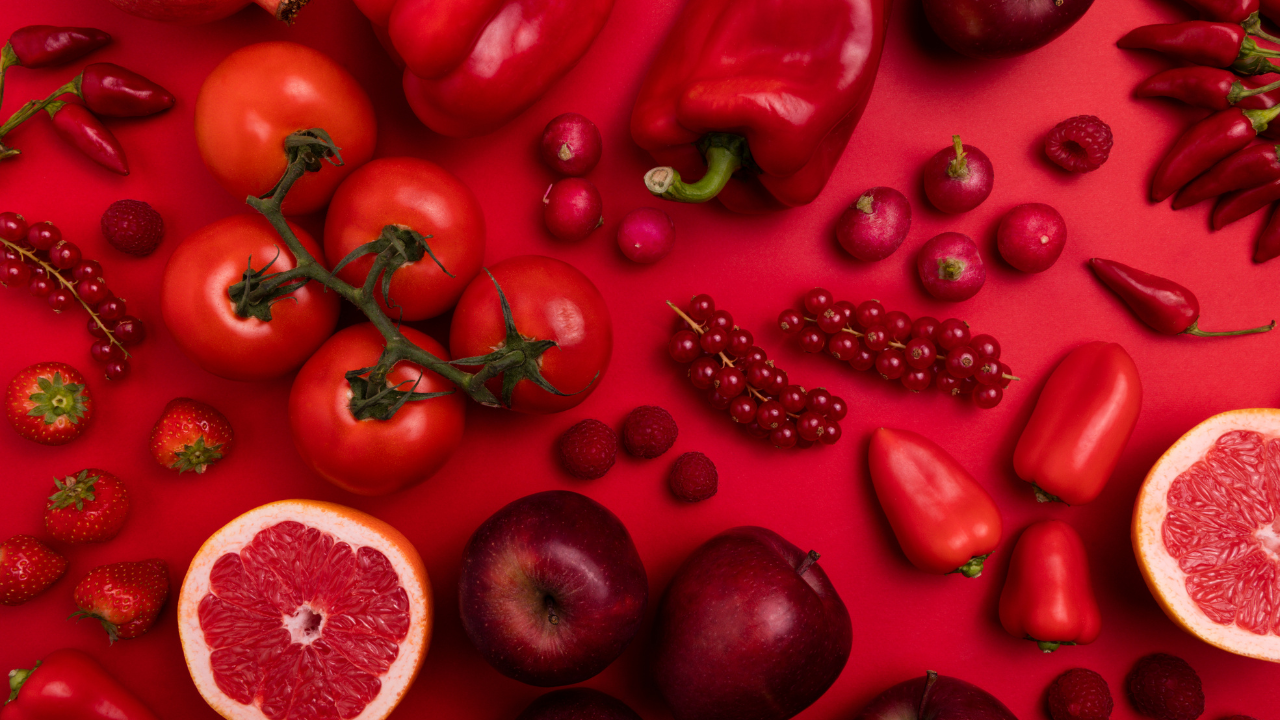
For example, red fruits and vegetables are rich in lycopene, an antioxidant that has been linked to a reduced risk of cancer. Orange fruits and vegetables are a good source of vitamin C, which is important for immune function. Yellow fruits and vegetables are high in beta-carotene, which can help protect your skin from sun damage. Green vegetables are packed with vitamins A and K, as well as fiber. And purple fruits and vegetables are a good source of anthocyanins, antioxidants that may help improve heart health.

You can try different colours of foods from these options:

1.Red
• Tomatoes
• Red bell peppers
• Strawberries
• Cherries
• Watermelon
• Red apples
• Red grapes
• Pomegranates
2. Orange or yellow
• Carrots
• Sweet potatoes
• Oranges
• Mangoes
• Pineapples
• Yellow bell peppers
• Peaches
• Apricots

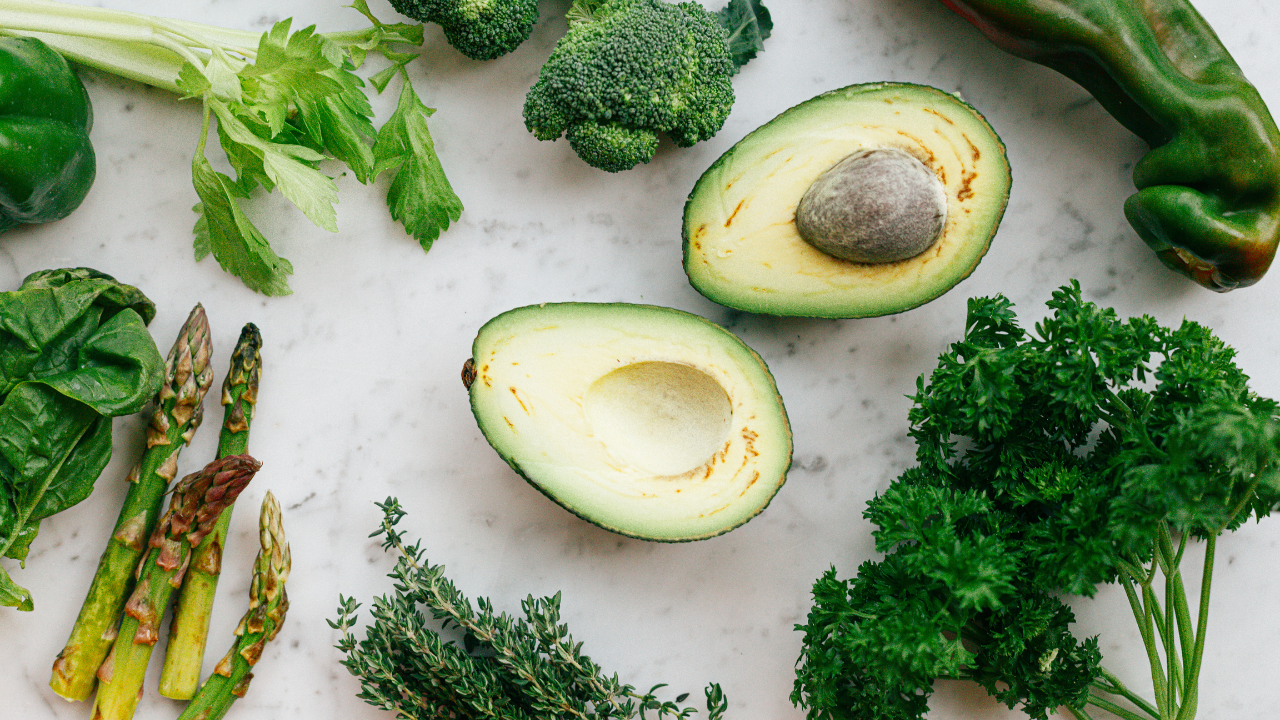
3. Green
• Spinach
• Broccoli
• Kale
• Zucchini
• Green peas
• Avocado
• Green beans
• Kiwi
4. Blue or purple
• Blueberries
• Blackberries
• Purple grapes
• Eggplant
• Purple cabbage
• Raisins

5. White
• Cauliflower
• Mushroom
• Onion
• Garlic

By eating a rainbow diet, you can get a wide range of nutrients that your body needs to stay healthy. Here are some of the specific health benefits of eating a rainbow diet:

1. Reduced risk of chronic diseases: A diet rich in fruits and vegetables has been linked to a reduced risk of chronic diseases such as heart disease, stroke, cancer, and type 2 diabetes.

2. Improved heart health: The nutrients in fruits and vegetables, such as fiber, potassium, and vitamin C, can help improve heart health by lowering blood pressure, cholesterol, and inflammation.
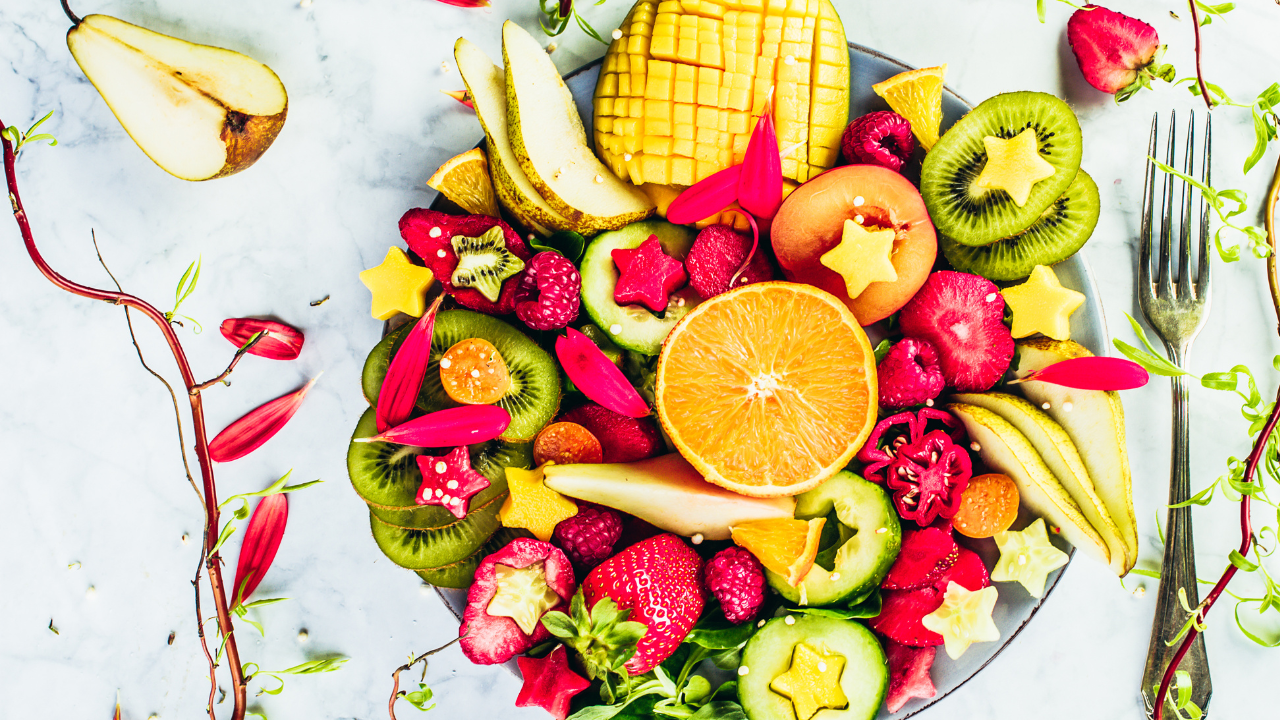
3. Weight loss: Fruits and vegetables are low in calories and high in fiber, which can help you feel full and satisfied, making it easier to lose weight or maintain a healthy weight.

4. Improved gut health: The fiber in fruits and vegetables can help feed the healthy bacteria in your gut, which is important for gut health.

5. Boosted immunity: The vitamins and minerals in fruits and vegetables can help boost your immune system, helping you fight off infections.

6. Improved skin health: The antioxidants in fruits and vegetables can help protect your skin from sun damage and premature aging.

The rainbow diet is a simple and delicious way to improve your health. By making sure to include a variety of fruits and vegetables in your diet, you can get the nutrients you need to stay healthy and strong.

Here are some recipes to help you get started on the rainbow diet:
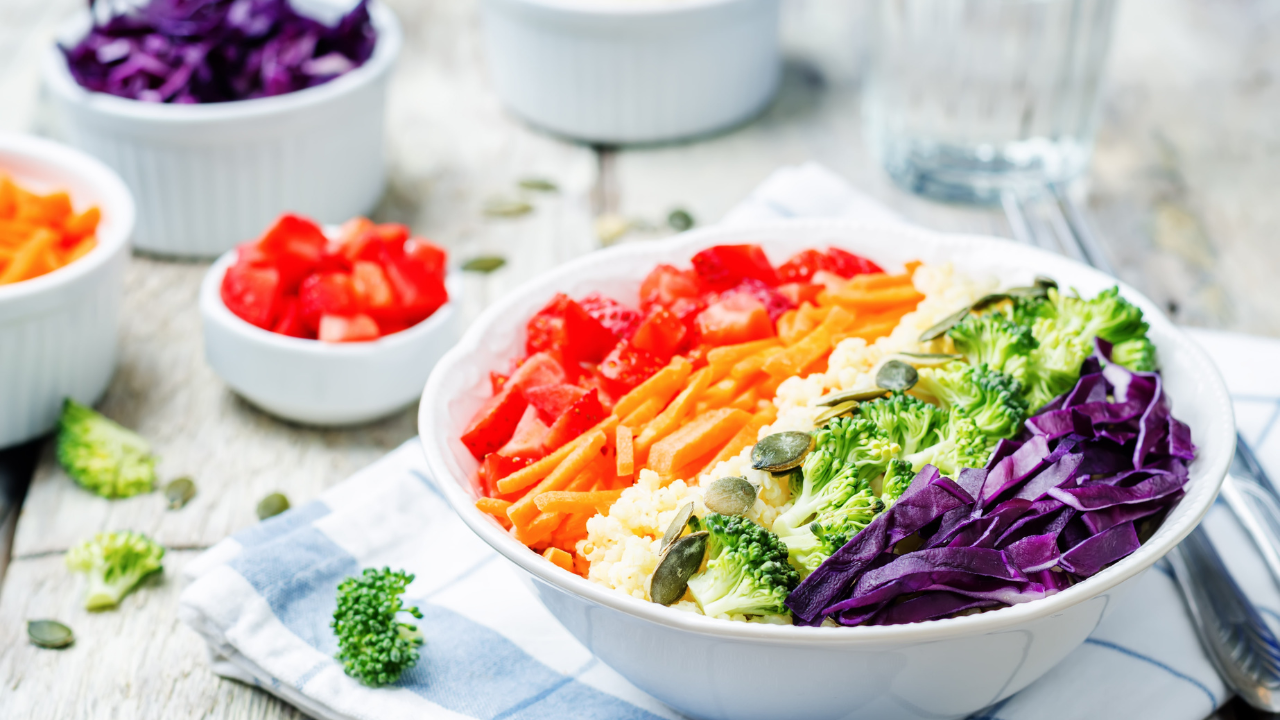
Rainbow salad: This colorful salad is packed with nutrients from a variety of fruits and vegetables.
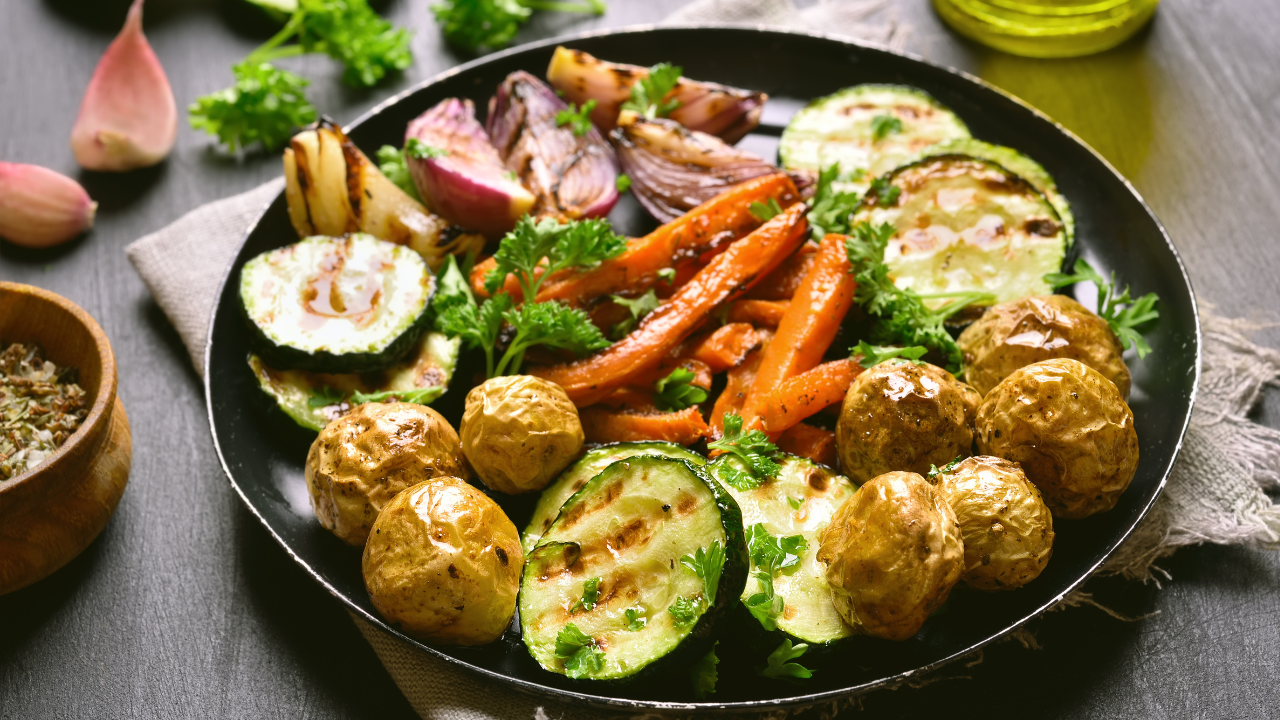
Roasted vegetable medley: This dish is a great way to enjoy a variety of roasted vegetables.
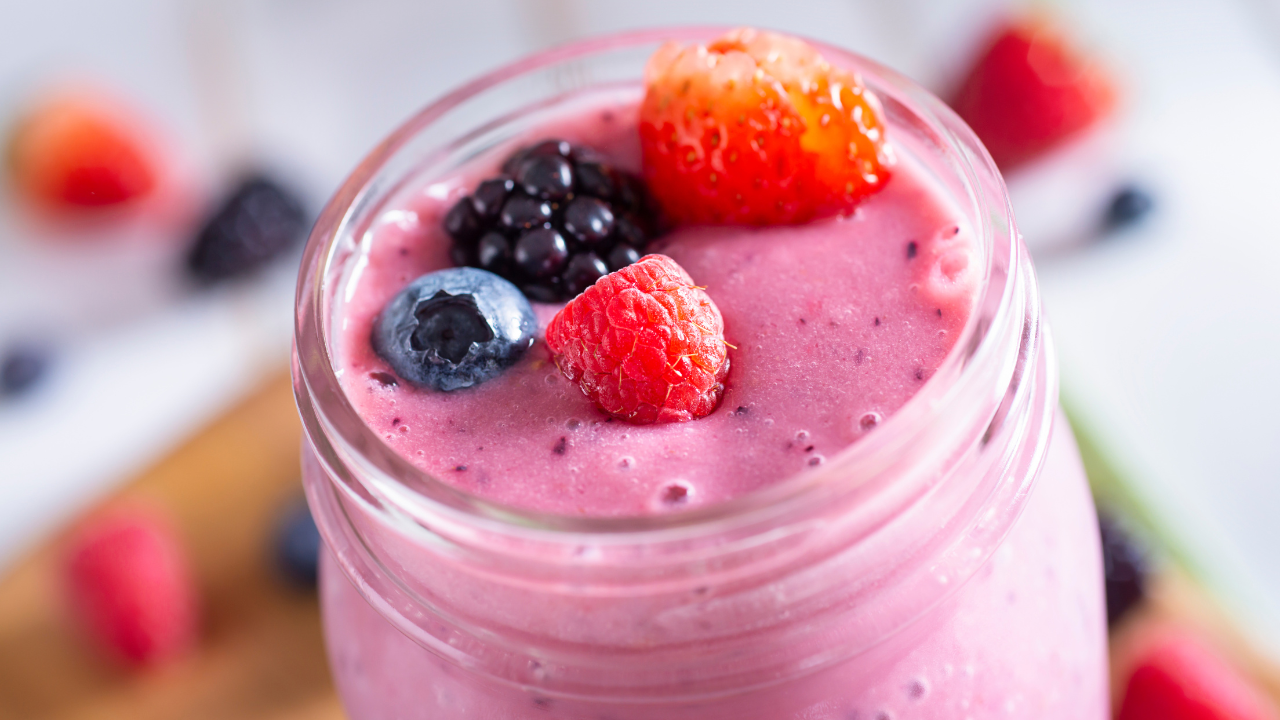
Fruit smoothie: This smoothie is a delicious and easy way to get your daily dose of fruits and vegetables.
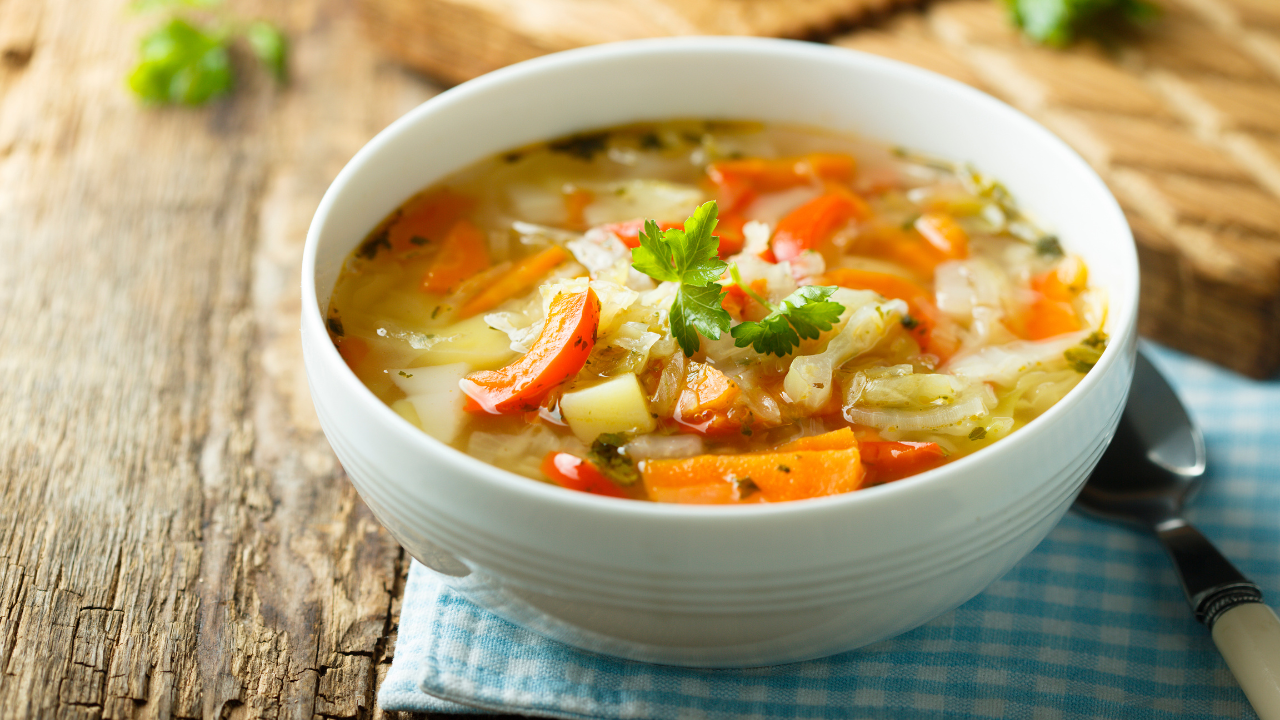
Vegetable soup: This soup is a hearty and satisfying way to warm up on a cold day.
The rainbow diet is a healthy and delicious way to eat. By following these tips, you can easily incorporate more fruits and vegetables into your diet and improve your overall health.

Tagged : / / / / /

Want To Start Drinking Apple Cider Vinegar? These Are The Do’s and Don’ts

Want To Start Drinking Apple Cider Vinegar? These Are The Do’s and Don’ts
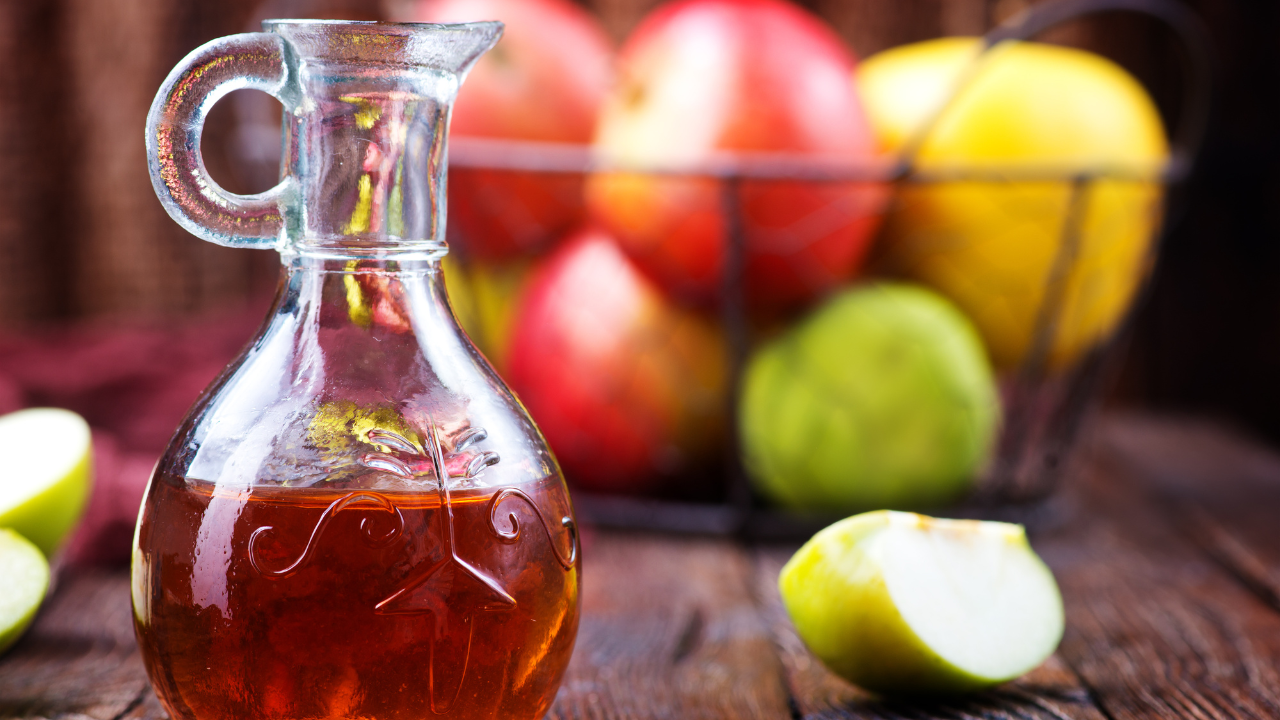
Apple cider vinegar (ACV) is a fermented liquid made from apples. It is rich in acetic acid, which has many health benefits. ACV has been shown to help with weight loss, blood sugar control, and digestion. It can also be used to treat acne, dandruff, and other skin conditions.

However, there are some things you should know about ACV before you start using it. Here are some of the dos and don’ts of ACV:

Dos:

1. Dilute it before drinking: ACV is very acidic and can damage your teeth and throat if you drink it straight. Dilute it with water or juice before drinking.

2. Start with a small amount: ACV can cause stomach upset in some people. Start with a small amount and gradually increase the amount you take.

3. ake it with food: Taking ACV with food can help to reduce stomach upset.
Store it in a cool, dark place: ACV can spoil if it is not stored properly. Store it in a cool, dark place.

Don’ts:

1. Don’t drink it straight: As mentioned earlier, ACV is very acidic and can damage your teeth and throat if you drink it straight.

2. Don’t take it if you are pregnant or breastfeeding: There is not enough research to say whether ACV is safe for pregnant or breastfeeding women.

3. Don’t take it if you have a stomach ulcer: ACV can irritate a stomach ulcer.

4. Don’t take it if you are taking medications: ACV can interact with some medications, so talk to your doctor before taking it.

Overall, ACV is a safe and effective way to improve your health. However, it is important to start with a small amount and gradually increase the amount you take. You should also dilute it with water or juice before drinking it. And if you have any health concerns, talk to your doctor before taking ACV.

Here are some additional tips for using ACV:

Add it to salad dressings or marinades.
Take it as a shot mixed with water or juice.
Add it to a glass of water and drink it before meals.
Apply it to your skin as a toner or mask.

Tagged : / / /

What is the Difference Between Paneer and Tofu Which Of The Two Is Better?

What is the Difference Between Paneer and Tofu Which Of The Two Is Better?
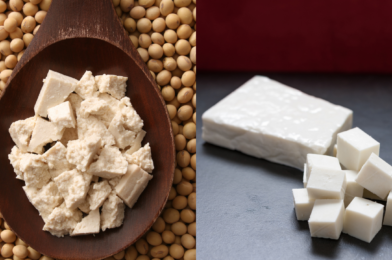
Paneer and tofu are both high-protein foods that are popular in many cuisines around the world. They are both made from curdled milk, but they are made from different types of milk and have different textures and flavors.

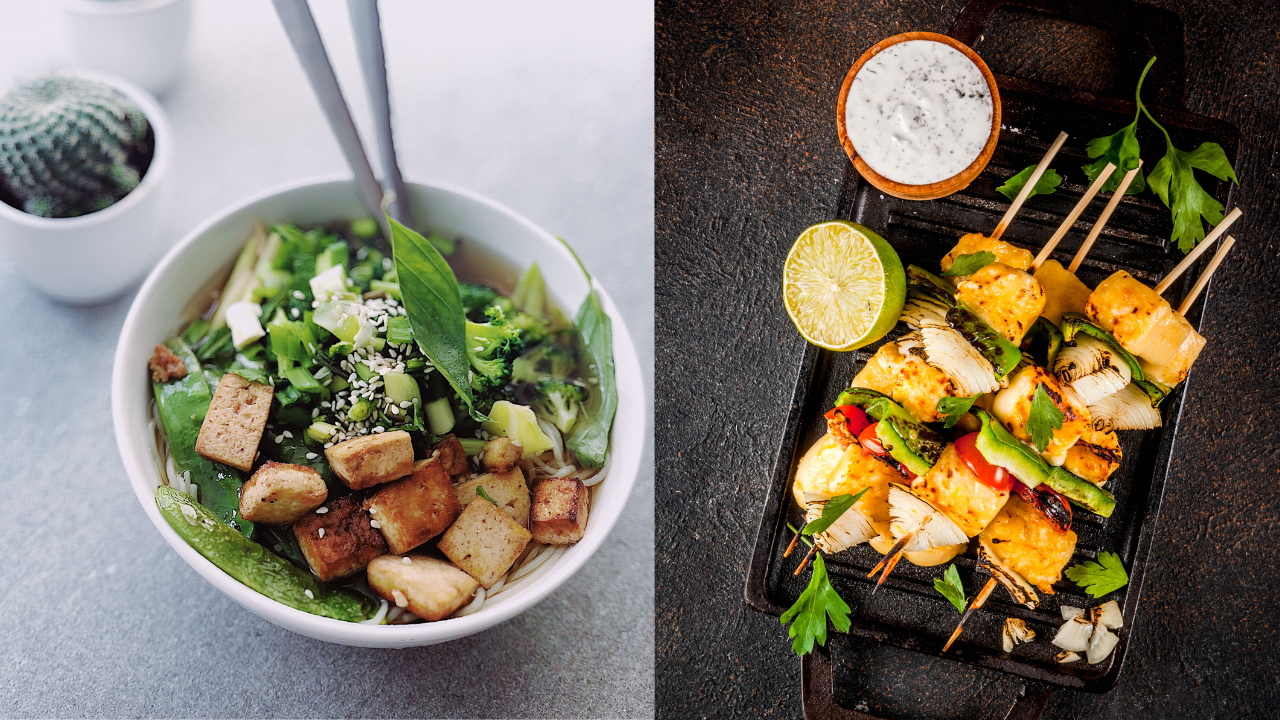
Paneer is a type of cheese that is made from cow, buffalo, or goat milk. It is made by curdling the milk with lemon juice or vinegar. Paneer has a soft, white texture and a mild flavor. It is often used in Indian cuisine, where it is used in curries, stir-fries, and desserts.

Tofu is a type of bean curd that is made from soy milk. It is made by coagulating the soy milk with a coagulant, such as calcium sulfate or magnesium chloride. Tofu has a spongy texture and a bland flavor. It can be flavored and cooked in many different ways.

Here are the key differences between paneer and tofu:
1. Origin
Paneer is a traditional Indian cheese, while tofu is a Chinese food.

2. Milk
Paneer is made from cow, buffalo, or goat milk, while tofu is made from soy milk.

3. Coagulating agent
Paneer is curdled with lemon juice or vinegar, while tofu is coagulated with a coagulant, such as calcium sulfate or magnesium chloride.

4. Texture
Paneer has a soft, white texture, while tofu has a spongy texture.

5. Flavor
Paneer has a mild flavor, while tofu has a bland flavor.

6. Cooking methods
Paneer can be cooked in a variety of ways, including stir-frying, curries, and baking. Tofu can also be cooked in a variety of ways, but it is often used in dishes that require it to be pressed or drained, such as tofu scramble or tofu stir-fry.

7. Availability
Paneer is more readily available in Indian grocery stores, while tofu is more readily available in most grocery stores.

Which of the two is better?
The best choice for you will depend on your personal preferences and dietary needs. If you are looking for a mild-flavored food that can be cooked in a variety of ways, then paneer is a good option. If you are looking for a food that can be seasoned to your liking and that can be used in dishes that require it to be pressed or drained, then tofu is a good option.

Here are some additional factors to consider when choosing between paneer and tofu:

  • Dietary restrictions: If you are lactose intolerant or vegan, then tofu is a better choice than paneer.
  • Nutrient content: Tofu is a good source of iron and magnesium, while paneer is a good source of calcium.
  • Cost: Paneer is typically more expensive than tofu.
Tagged : / / /

Is Poha A Good Breakfast ? This Is What Nutritionists Have To Say

Is Poha A Good Breakfast ? This Is What Nutritionists Have To Say
Poha is one of the most common and likeable breakfast option in most Indian homes. Before a few years ago, when the Indian market started to be saturated with so-called ‘healthy’ grains from other countries like oats and quinoa, poha was traditionally one of the most popular breakfast foods in India, and no one ever considered it to be bad. Call it the product of their creative marketing or just our poor luck, but all of a sudden, the foods that we ate for our regular breakfasts were unhealthy. However, there is a shift in the air that can already be detected on the horizon, and it is being fueled by the advocacy of prominent nutritionists in favour of the indigenous breakfast choices. Poha, despite its lowly reputation, maintains a place among the most nutritious choices available for breakfast because of the following reasons:

1. Rich in carbohydrates
Poha is made up of approximately 76.9% carbs, 23.1% lipids. Because your body requires energy in the form of carbohydrates first thing in the morning, this is an excellent choice for breakfast.

2. Protein in accompaniment
The traidional poha always has peanuts in it. This simple addition makes poha a protein rich food too.

3. Good for heart health
Curry Leaves are a must for anyone who is making poha. Curry leaves are known to be beneficial for your heart. Also, very less oil is needed to prepare poha. This means less cholesterol and heart happy!

4. Vitamin C
Poha is incomplete without the zing of lemon juice sprinkled on it in generous quantities. This means that poha is also a good source of Vitamin C for anyone who eats it regularly.

5. Easy on the stomach
Unlike butter-laden toasts or breads, poha is easily digested by the body. As a result you do not feel bloated or sleepy while working in your office or studying post breakfast.

So don’t worry, just pick up a plate and start eating your all time favourite breakfast poha.

Tagged : / / / /

5 Inexpensive Foods That Can Replace Avocado Anytime

5 Inexpensive Foods That Can Replace Avocado Anytime
Avocados are a wonder fruit when it comes to nutrition and benefits for the body but there is a catch. This fruit is quite expensive and if you are someone who can not keep spending a considerable amount of money on buying this exotic fruit, then you just have to replace it with other foods that are as good as the avocados. Even if you can afford avocado but do not like the taste , you can try out these substitutes.

1. Nuts and seeds
Nuts and seeds are a great source of healthy fats, fiber, and protein. They can be eaten on their own, added to yogurt or oatmeal, or used as a topping for salads or sandwiches. Some good choices include almonds, walnuts, chia seeds, and flaxseeds.

2. Greek Yogurt
Greek yoghurt is an alternative that can be used in a variety of ways and is high in protein. It has calcium and probiotics, both of which are essential for healthy bones and guts. Its creamy consistency can be used as an excellent alternative in salads, dips, and dressings, and it can provide a pleasing mouthfeel even when avocados are not present.

3. Hummus
Chickpeas, which are the primary ingredient in hummus, are an excellent source of protein as well as fibre and healthy fats. Additionally, it is a source of vitamins and minerals, including folic acid, iron, and zinc. According to nutritionists, a healthy boost can be achieved by spreading hummus over whole-grain bread, using it as a dip for veggies, or including it in wraps.

4. Extra Virgin Olive Oil
Even though it’s not a whole food like avocados, extra virgin olive oil is a fantastic source of monounsaturated fats, the presence of which has been related to improved cardiovascular health. To enhance the flavour of salads, veggies, or foods made with whole grains while also gaining the health benefits of doing so, drizzle this dressing over the top.

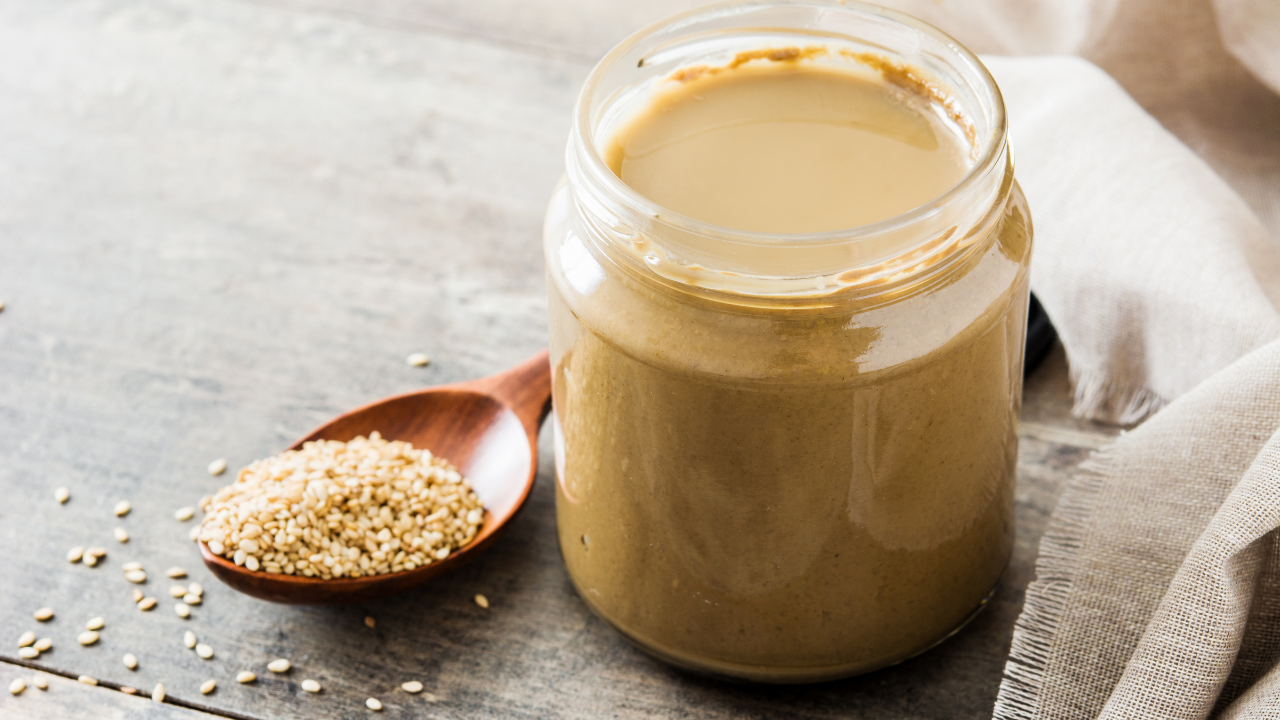
5. Tahini
Tahini is a paste formed from sesame seeds, and it has a creamy consistency in addition to a nutty flavour. It contains an abundance of beneficial fats, protein, and minerals such as calcium and iron. Make a dressing out of it, use it as a dip, or even drizzle it over roasted veggies.

These are just a few of the many affordable and healthy alternatives to avocados. When choosing a substitute, it’s important to consider your individual dietary needs and preferences.

Tagged : / /

7 Things You Should Never Order Through Room Service

7 Things You Should Never Order Through Room Service
When you are on a holiday or an official trip and have had a long day where you do not want to go out and eat at a restaurant, when you just want to be tucked in your bed and enjoy the food there and then in the comfort of your room; you should know the foods that you should not order through room service and why not. Here are 7 foods you shouldn’t:

1. Fried foods 

Fried foods don’t travel well and they are likely to be soggy and greasy by the time they reach your room.

2. Scrambled Eggs 

Scrambled Eggs are another food that doesn’t travel well. They can get rubbery and lukewarm whereas they taste best when hot and fresh.

3. Seafood  

Seafood is also a risky choice for room service. It can spoil quickly because it is almost always ordered in bulk, and it is difficult to tell if it has been handled properly or not.

4. Soups and salad 

Soups and salads can also be risky, as they can easily become contaminated because of greens present in them. Also, the crunch of the vegetables and the ingredients will be completely gone if you order via room service. What’s a salad without its crunch!

5. Desserts

Desserts are often made with whipped cream or other perishable ingredients that can spoil quickly and if not spoiled completely, they will never reach you in their perfect state if your room is far from the hotel’s kitchen. The dessert may melt or turn runny.

6. Pizza 

Take our word! Pizza will never taste good when ordered through room service. It will not be crunchy and the cheese will not be the stretchy creamy one you like. So better head out to a pizzeria and eat it fresh out of the oven.

7. Sandwiches with mayonnaise 

Sandwiches with mayonnaise can also become soggy and oily and you will not enjoy the taste of soggy bread along with all its soggy ingredients.

It is important to note that these are just general guidelines. There may be some exceptions, depending on the specific hotel and the quality of the room service. If you are unsure about whether or not to order a certain food, it is always best to err on the side of caution and avoid it.

Tagged : / / /

8 Superfoods To Prevent Kidney Stones

8 Superfoods To Prevent Kidney Stones
Kidney stones are hard deposits that form in the kidneys. They can be very painful and can lead to serious complications if they are not treated. There are a number of things that can increase your risk of developing kidney stones, including dehydration, obesity, and family history.

There are also a number of foods that can help to prevent kidney stones. Here are 8 superfoods that are good for your kidneys:

1. Water
Staying hydrated is one of the best things you can do to prevent kidney stones. Water helps to flush out the toxins and minerals that can build up in the kidneys and form stones. Aim to drink 8 glasses of water per day.

2. Milk
In order for your kidneys to run properly, you should not have a calcium deficiency. So milk is your best friend when it comes to fulfilling your calcium needs. Your regular intake of milk will reduce the risk of chronic kidney disease and stop the formation of kidney stones as well.

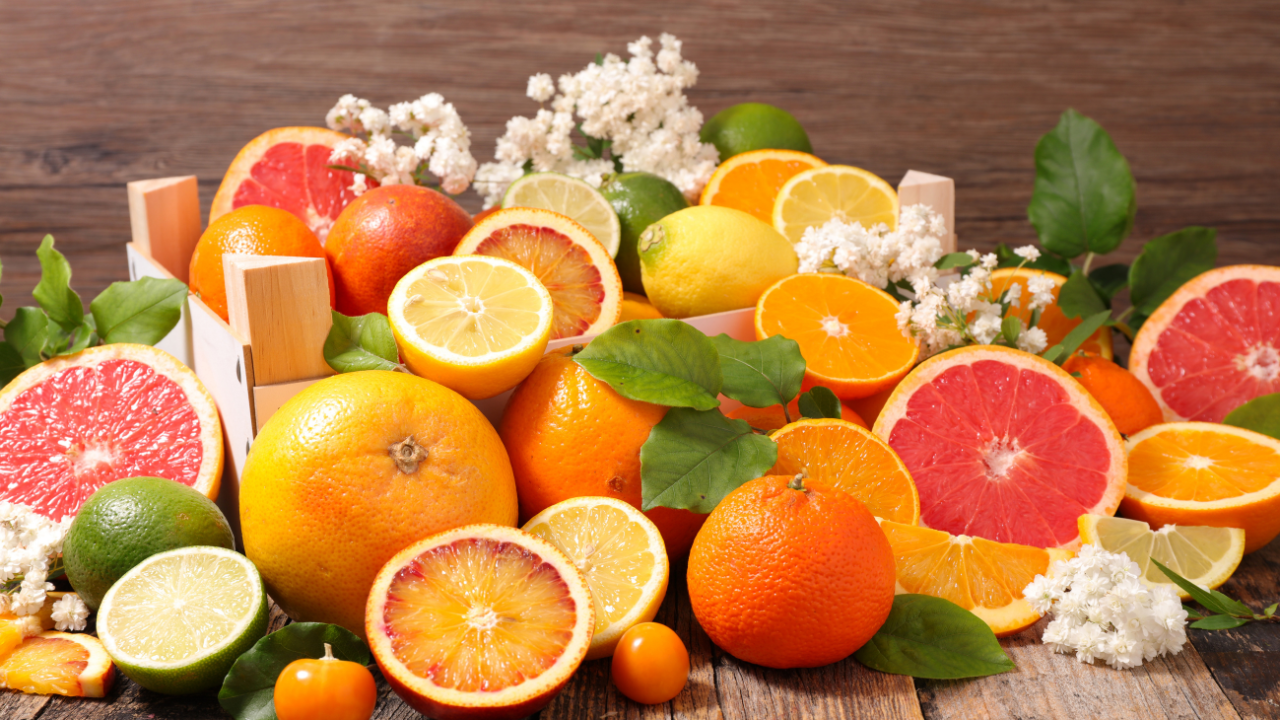
3. Citrus fruits
Citrus fruits such as oranges, lemons, and grapefruits are high in citrate, which helps to prevent calcium stones from forming. They are also a good source of vitamin C, which is essential for overall kidney health.

4. Banana
Bananas are a good source of potassium, which helps to balance out the effects of sodium and prevent calcium stones from forming. They are also a good source of fiber, which can help to keep you regular and reduce your risk of kidney stones.

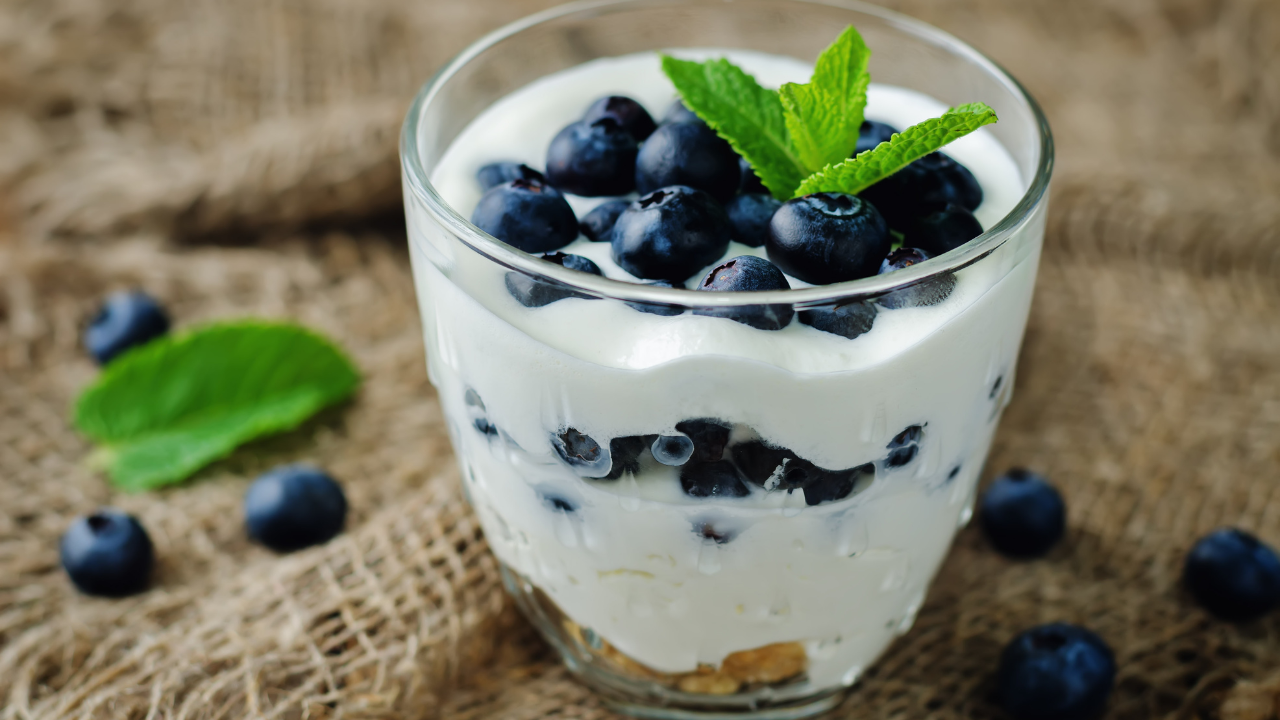
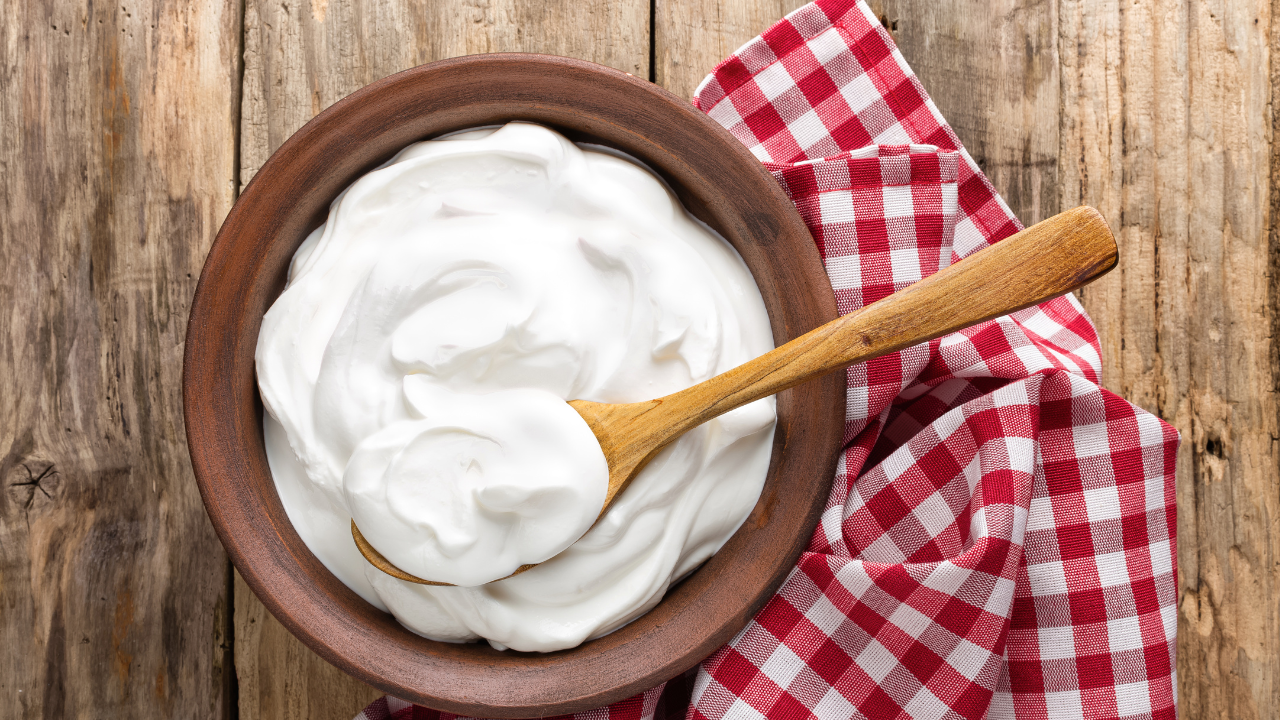
5. Yogurt
Yogurt is a good source of calcium, which is essential for kidney health. It is also a good source of probiotics, which can help to keep your gut healthy and reduce your risk of kidney stones.

6. Leafy green vegetables
Leafy green vegetables such as spinach, kale, and broccoli are high in potassium, magnesium, and vitamin C, all of which are important for kidney health. They are also a good source of fiber, which can help to keep you regular and reduce your risk of kidney stones.

7. Salmon
Salmon is a good source of omega-3 fatty acids, which have been shown to help reduce inflammation and improve kidney function. It is also a good source of protein, which is important for overall health.
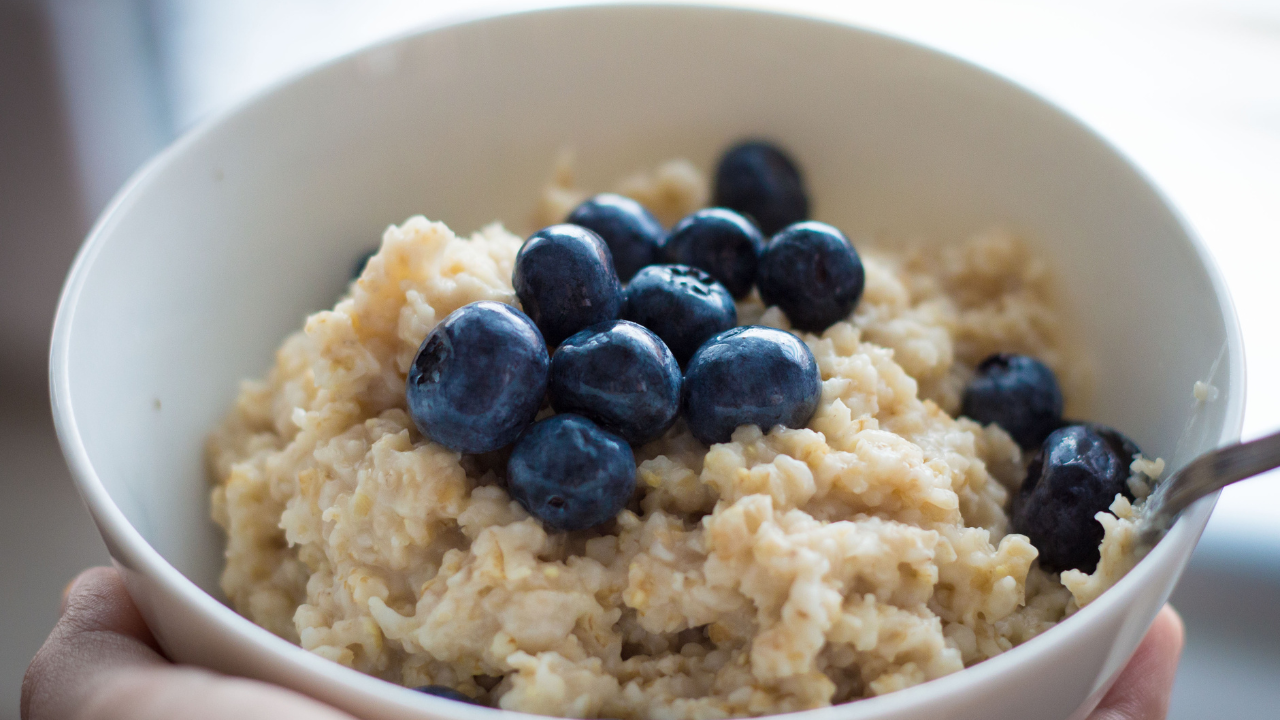
8. Oats
Oats are a good source of soluble fiber, which can help to lower cholesterol and reduce the risk of kidney stones. They are also a good source of magnesium, which is essential for kidney health.

If you have a history of kidney stones, it is important to talk to your doctor about ways to prevent them from recurring. By following these tips, you can help to keep your kidneys healthy and reduce your risk of developing kidney stones.

Tagged : / / / / /

6 Lesser Known Side Effects Of Eating A Totally Plant-Based Diet

6 Lesser Known Side Effects Of Eating A Totally Plant-Based Diet
With increasing awareness about eating meat and its environmental impacts, more and more people are becoming vegetarians. Some of them are so dedicated to this cause that they have become vegans where they do not consume any animal based food. Plant-based diets have many health benefits, but they can also have some side effects. Some of the lesser known side-effects of plant-based diets include:

1. Micronutrient deficiencies
Plant-based diets are not always a good source of all the essential vitamins and minerals, such as vitamin B12, iron, zinc, calcium, and omega-3 fatty acids. If you are not careful, you may not get enough of these nutrients, which can lead to health problems.

2. Digestive issues
Plant-based diets are often high in fiber, which can cause gas, bloating, and diarrhea in some people. If you experience these symptoms, you may need to gradually increase your fiber intake or choose different plant-based foods that are lower in fiber.

3. Weight gain
Plant-based diets can be healthy, but they can also be high in calories and fat, especially if you rely on processed foods. If you are trying to lose weight, it is important to choose healthy plant-based foods and watch your portion sizes.

4. Bone health concerns
Some plant-based diets may not be a good source of calcium, which is important for bone health. If you are concerned about your bone health, talk to your doctor about taking a calcium supplement.
5. Thyroid function
Some plant-based foods, such as soy, contain goitrogens, which can interfere with thyroid function. If you have a thyroid condition, talk to your doctor about whether a plant-based diet is right for you.

6. Protein deficiency
Plant-based proteins are not as complete as animal proteins, meaning they may not contain all the essential amino acids. If you are not getting enough protein from your diet, you may experience fatigue, muscle weakness, and weight loss.

It is important to talk to your doctor before starting a plant-based diet, especially if you have any health conditions. They can help you create a diet that is right for you and avoid any potential side effects.

Tagged : / / / / /

8 Reasons Why You Should Eat Dates Daily

8 Reasons Why You Should Eat Dates Daily
Dates are a sweet fruit that is native to the Middle East and North Africa. They are a good source of fiber, potassium, and other nutrients. Dates are also a good source of energy and can help to improve digestion. They can be eaten fresh or dried, and are often used in desserts and pastries. You should include dates in your daily diet because it has some amazing benefits. Here are 8 such benefits:

1. Improve bone strength
Dates are a good source of magnesium, which is a mineral that is important for bone health. Magnesium helps to regulate calcium levels in the body and can help to prevent osteoporosis.
2. Help boost the immune system
Dates are a good source of vitamins and minerals, which are essential for a healthy immune system. They are a good choice for people who are sick or who are trying to boost their immune system.

3. Help improve digestion
Dates are a good source of fiber, which can help to improve digestion. Fiber helps to keep the digestive system healthy and can help to prevent constipation.

4. Good source of potassium
Dates are a good source of potassium, which is an important mineral for heart health. Potassium helps to regulate blood pressure and can help to prevent heart disease.
5. Help lower cholesterol
Some studies have shown that dates may help to lower cholesterol levels. This is because dates are a good source of soluble fiber, which can help to bind to cholesterol and remove it from the body.

6. Help protect against cancer
Some studies have shown that dates may help to protect against cancer. This is because dates are a good source of antioxidants, which can help to protect cells from damage.

7. Good Source of iron
They are a good source of iron, which is important for blood health. People suffering from anemia are often advised to include dates in their diet.

8. Improves sleep
Dates contain melatonin, a hormone that helps to regulate sleep. Eating dates before bed can help to improve sleep quality and duration.

If you are looking for a healthy and nutritious snack, dates are a good option. They are a good source of fiber, potassium, and other nutrients. Dates are also a good source of energy and can help to improve digestion. By adding dates to your diet, you can reap the many health benefits that they offer.

Tagged : / / / /

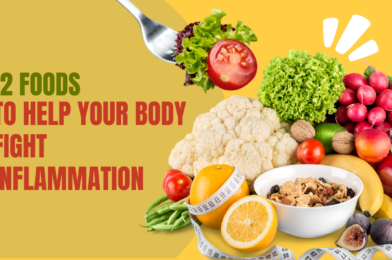
12 Healing Nutrient-Rich Vegetarian Foods That Help Your Body To Fight Inflammation

12 Healing Nutrient-Rich Vegetarian Foods That Help Your Body To Fight Inflammation
Inflammation is a natural immune response that helps the body heal from injury or infection. However, chronic inflammation can lead to a number of health problems, including heart disease, cancer, and arthritis. There are a number of things you can do to reduce inflammation, including exercising regularly, getting enough sleep, and managing stress. You can also add certain foods to your diet that have anti-inflammatory properties such as:

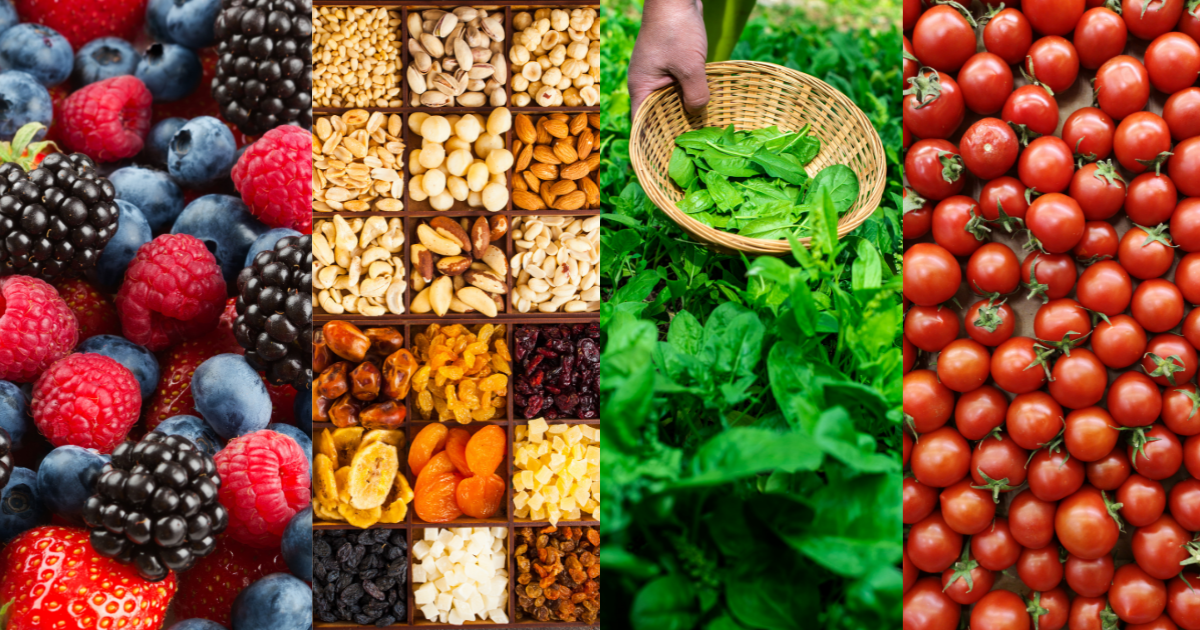
1. Berries
Berries are a good source of antioxidants, which can help protect cells from damage. Some of the best berries for fighting inflammation include blueberries, strawberries, raspberries, and blackberries.

2. Nuts and seeds
Nuts and seeds are a good source of healthy fats, which can help reduce inflammation. Some of the best nuts and seeds for fighting inflammation include almonds, walnuts, chia seeds, and flaxseeds.

3. Green leafy vegetables
Green leafy vegetables are a good source of vitamins, minerals, and antioxidants, all of which can help fight inflammation. Some of the best green leafy vegetables for fighting inflammation include spinach, kale, and collard greens.

4. Tomatoes
Tomatoes are a good source of lycopene, an antioxidant that has been shown to have anti-inflammatory properties. Lycopene is found in the highest concentrations in cooked tomatoes, so dishes like tomato sauce, salsa, and chili are good sources.

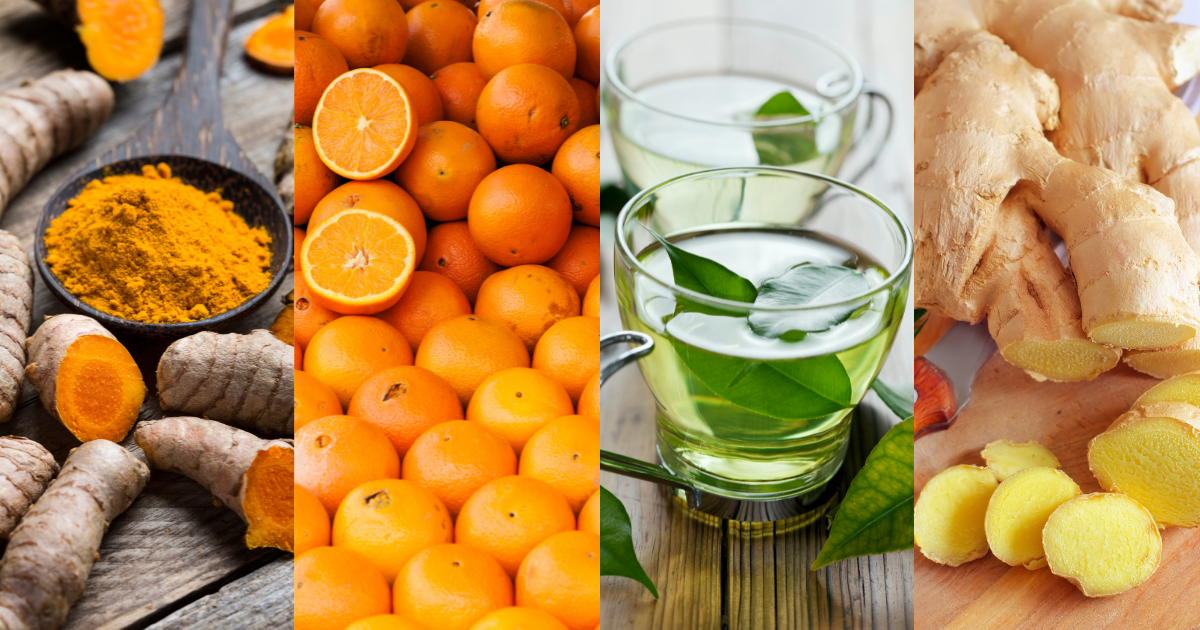
5. Turmeric
Turmeric is a spice that contains curcumin, a compound with powerful anti-inflammatory properties. Curcumin has been shown to reduce inflammation in the body, and it may also help to protect against cancer and Alzheimer’s disease.

6. Oranges
Oranges are a good source of vitamin C, an antioxidant that helps protect the body from damage. Vitamin C has also been shown to have anti-inflammatory properties.

7. Green tea
Green tea is made from the leaves of the Camellia sinensis plant. It contains a variety of antioxidants, including catechins, which have been shown to have anti-inflammatory properties. Green tea may also help to boost the immune system and protect against cancer.

8. Ginger
Ginger is a spice that has been used for centuries for its medicinal properties. It contains gingerol, a compound with anti-inflammatory and antioxidant properties. Ginger can help to reduce inflammation in the body, and it may also help to relieve nausea and vomiting.

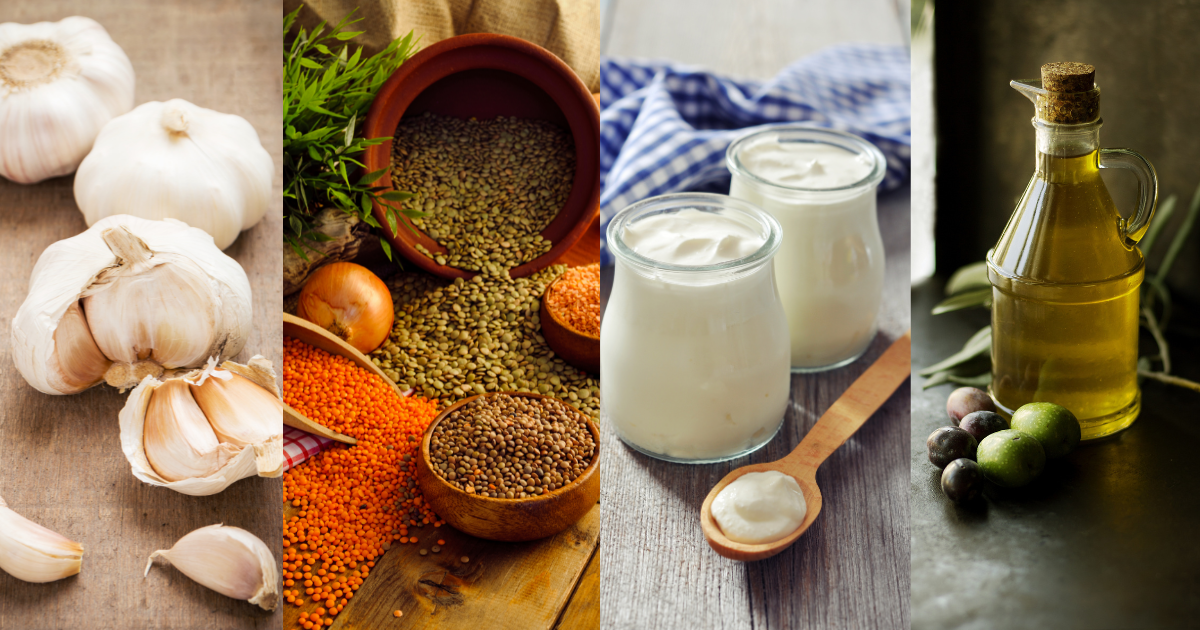
9. Garlic
Garlic is another spice that has been shown to have anti-inflammatory properties. It contains allicin, a compound that can help to reduce inflammation in the body. Garlic may also help to boost the immune system and protect against disease.

10. Lentils
Lentils are a good source of protein, fiber, and folate. They also contain antioxidants that can help to reduce inflammation. Lentils can be a good addition to a healthy diet for people who are looking to reduce inflammation.

11. Yogurt
Yogurt is a good source of protein and probiotics. Probiotics are live bacteria that are good for the gut. They can help to improve gut health and reduce inflammation. Yogurt can be a good addition to a healthy diet for people who are looking to reduce inflammation.

12. Olive Oil
Olive oil is a type of vegetable oil that is extracted from olives. It is a major component of the Mediterranean diet, which is known for its health benefits. Olive oil is high in monounsaturated fats, which have been shown to have anti-inflammatory properties. Olive oil contains a number of antioxidants, including oleocanthal, which has been shown to have similar anti-inflammatory properties to ibuprofen. Olive oil may also help to protect against heart disease, cancer, and Alzheimer’s disease.

If you are looking to reduce inflammation in your body, adding these foods to your diet is a good place to start. However, it is important to talk to your doctor before making any major changes to your diet.

Tagged : / / / /

5 Benefits of Drinking Aloe Vera Juice Everyday

5 Benefits of Drinking Aloe Vera Juice Everyday
Aloe vera is a succulent plant that has been used for centuries for its medicinal properties. The gel from the aloe vera plant is known for its moisturizing and soothing effects on the skin. But did you know that drinking aloe vera juice can also have a number of health benefits?

Here are 5 benefits of drinking aloe vera juice everyday:

1. Improves digestion. Aloe vera juice can help to improve digestion by increasing the production of gastric juices and enzymes. It can also help to soothe the stomach and intestines, making it a good choice for people with digestive problems such as ulcers, gastritis, and irritable bowel syndrome (IBS).

2. Boosts immunity. Aloe vera juice is a good source of antioxidants, which can help to boost the immune system and protect the body against infection. It also contains vitamins A, C, and E, which are all important for immune function.

3. Moisturizes the skin. The gel from the aloe vera plant is a natural humectant, which means that it attracts and retains moisture. This makes it a great way to hydrate the skin and keep it looking and feeling soft and smooth.

4. Reduces inflammation. Aloe vera juice has anti-inflammatory properties that can help to reduce swelling and pain in the body. This makes it a good choice for people with conditions such as arthritis, muscle pain, and joint pain.

5. Promotes wound healing. The gel from the aloe vera plant has been shown to promote wound healing. It can help to reduce inflammation and pain, and it can also help to prevent infection. This makes it a good choice for people with cuts, scrapes, and burns.

Aloe vera juice is generally safe to drink, but it is important to start with a small amount and gradually increase the amount you drink as tolerated. If you have any underlying health conditions, it is always a good idea to talk to your doctor before starting to drink aloe vera juice. By drinking aloe vera juice, you can reap the many health benefits of this amazing plant. So why not give it a try today?

Tagged : / / / / /

Is Skipping Dinner for Weight Loss Healthy?

Is Skipping Dinner for Weight Loss Healthy?
Skipping dinner is a popular weight loss strategy that has been around for many years. The idea is that by skipping a meal, you will consume fewer calories overall and lose weight.

However, there is no scientific evidence to support the claim that skipping dinner is an effective way to lose weight. In fact, some studies have shown that skipping dinner can actually lead to weight gain.

One study published in the journal “Obesity” found that people who skipped dinner were more likely to gain weight over a 12-month period than those who ate dinner every day. The study’s authors believe that skipping dinner may lead to overeating later in the day or night.

Another study published in the journal “Nutrition and Metabolism” found that people who skipped dinner had lower levels of leptin, a hormone that helps regulate appetite. This suggests that skipping dinner may make it harder to feel full and satisfied, which could lead to overeating later.

If you are considering skipping dinner for weight loss, it is important to talk to your doctor first. There are other, more effective ways to lose weight that do not involve skipping meals.

Here are some healthy and effective ways to lose weight:

  • Eat a balanced diet that includes plenty of fruits, vegetables, and whole grains.
  • Limit processed foods, sugary drinks, and unhealthy fats.
  • Exercise regularly. Aim for at least 30 minutes of moderate-intensity exercise most days of the week.
  • Get enough sleep. Most adults need 7-8 hours of sleep per night.
    If you are overweight or obese, talk to your doctor about a safe and effective weight loss plan.

Here are some additional things to keep in mind if you are considering skipping dinner:

  • Skipping dinner can lead to hunger and cravings, which can make it difficult to stick to your weight loss plan.
  • Skipping dinner can disrupt your sleep, which can also make it harder to lose weight.
  • Skipping dinner can lead to nutrient deficiencies, especially if you are not eating other healthy meals throughout the day.
    If you are considering skipping dinner, it is important to weigh the risks and benefits carefully. There are other, more effective ways to lose weight that do not involve skipping meals.
Tagged : / / / /

Magnesium Deficiency Causes Heart Problems! Eat These 8 Magnesium Rich Foods Daily!

Magnesium Deficiency Causes Heart Problems! Eat These 8 Magnesium Rich Foods Daily!
Magnesium is an essential mineral that plays a vital role in many bodily functions, including heart health. Magnesium helps regulate blood pressure, blood sugar levels, and heart rhythm. It also helps to keep the arteries relaxed, which can help to prevent heart disease. This is why you should make it a point to include Magnesium rich foods in your diet on a daily basis. Here are 8 good sources of Magnesium:

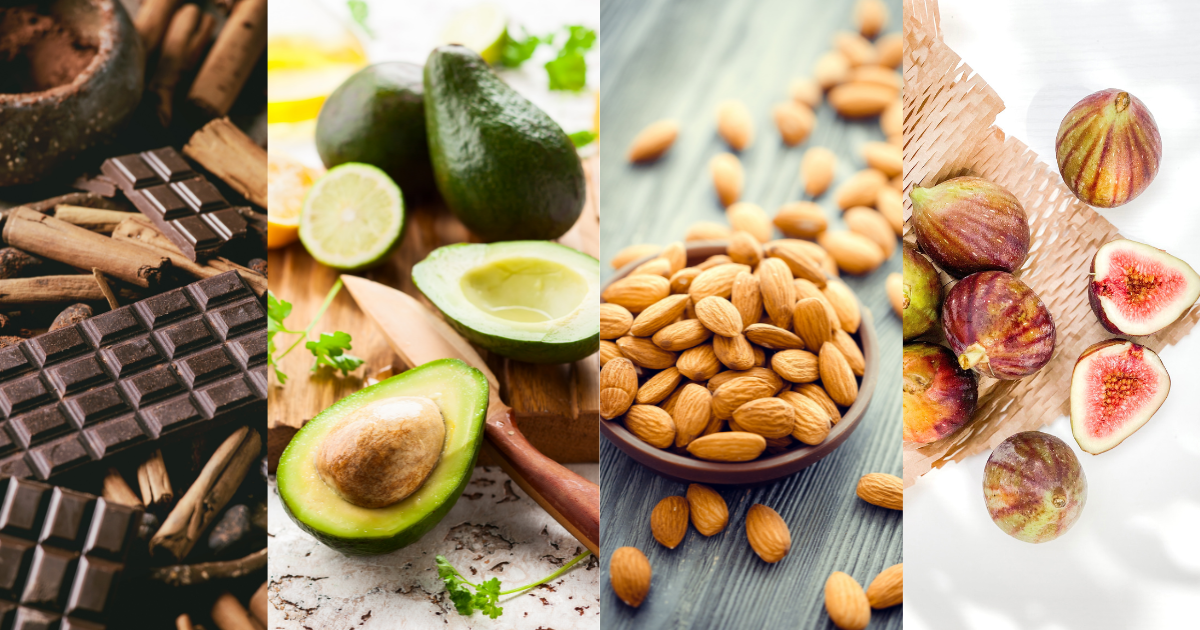
1. Dark Chocolate
Dark chocolate is a good source of magnesium, as well as other nutrients that are beneficial for heart health, such as antioxidants and flavonoids. A study published in the journal “Nutrition, Metabolism and Cardiovascular Diseases” found that people who ate 2 ounces of dark chocolate per day for two weeks had lower blood pressure and improved blood vessel function than those who did not eat dark chocolate.

2. Avocados
Avocados are another good source of magnesium, as well as healthy fats that can help to lower cholesterol levels. A study published in the journal “Nutrition Research” found that people who ate avocados for five days had lower levels of LDL (bad) cholesterol and triglycerides than those who did not eat avocados.

3. Almonds
Almonds are a good source of magnesium, vitamin E, fiber, and protein. They are also low in calories and fat. You should consume at least a fistful of almonds every day which have been soaked over night in water. Not only do they provide Magnesium for your heart health, the Vitamin E present in these nus is good for your skin health too.

4. Figs
Magnesium content tends to be high in fruits with a high fibre content. Magnesium, which may be found in abundance in figs, is known to assist in the reduction of high blood pressure. However, amazingly, magnesium has no effect on blood pressure levels that are already considered normal. Because of its inherent sweetness, this fruit is perfect for both a snack and a dessert. Dried figs have 51 milligrammes of magnesium in every half cup serving.

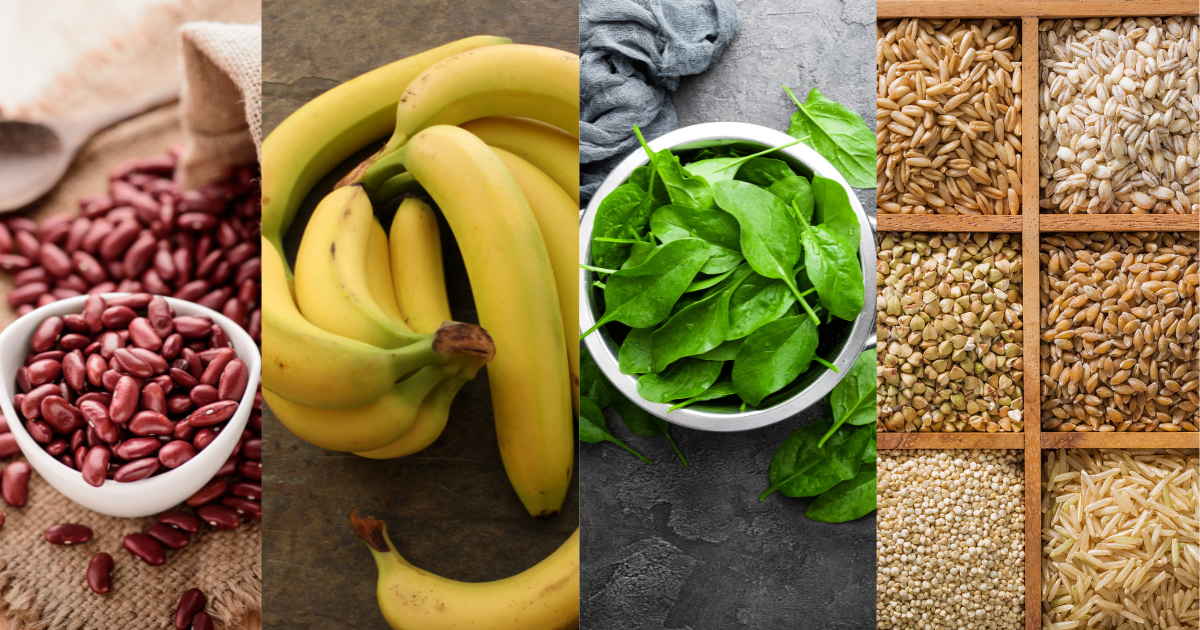
5. Kidney Beans (Rajma)
According to a number of studies, having a magnesium intake that is too low depletes the blood of a vital mineral, which in turn raises the risk of developing chronic inflammation as well as cardiac issues. There are several positive health effects associated with eating kidney beans due to their high nutrient content. You can get 79.3 mg of magnesium from eating one cup of boiling beans.

6. Banana
Not only is banana a great source of Potassium, it also provides one with a considerable amount of magnesium too. One medium sized banana provides 32 mg of magnesium. The best thing about bananas is that they are available throughout the year and are not very expensive.

7. Spinach
Spinach is a great green leafy vegetable because of the many nutrients and micronutrients it contains. A cup of raw spinach has around 23 mg of magnesium. So always include spinach in your diet.

8. Whole Grains
Whole grains are a good source of magnesium, as well as fiber and other nutrients that are beneficial for heart health. Some good choices include brown rice, quinoa, and whole wheat bread. One cup of whole wheat flour has nearly 165 mg of magnesium.

In addition to eating these magnesium-rich foods, there are other things you can do to improve your heart health, such as exercising regularly, maintaining a healthy weight, and quitting smoking.

Tagged : / / / /

Why Should You Soak Walnuts In Before Consuming In Any Season

Why Should You Soak Walnuts In Before Consuming In Any Season
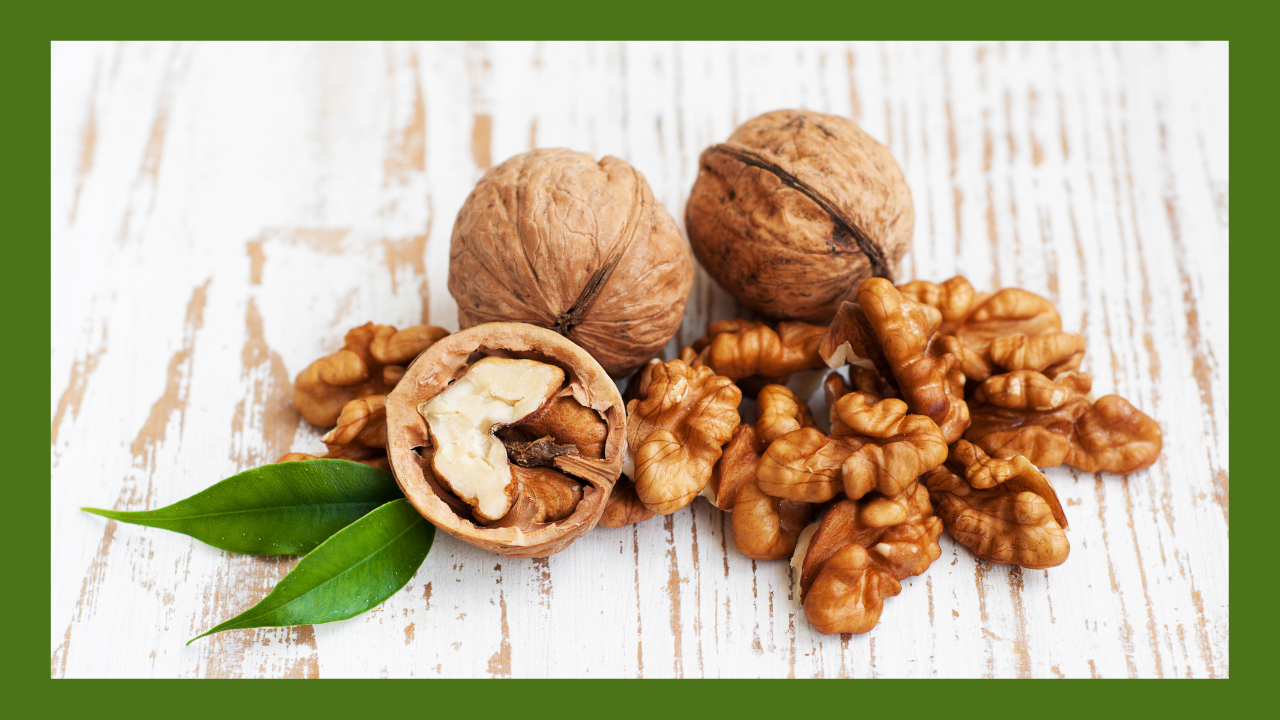
Walnuts are a popular and nutritious nut that is a good source of protein, fiber, and healthy fats. They are also a good source of vitamins and minerals, including vitamin E, magnesium, and phosphorus.

Walnuts are often soaked before consuming them. Soaking walnuts makes them easier to digest and also helps to improve their nutritional value.

Here are some of the benefits of soaking walnuts:

1. Improved digestibility
Soaking walnuts helps to break down the phytic acid that they contain. Phytic acid is an antinutrient that can interfere with the absorption of nutrients.

2. Increased nutrient absorption
Soaking walnuts also helps to increase the absorption of their nutrients. This is because the soaking process breaks down the cell walls of the walnuts, making the nutrients more accessible.

3. Reduced enzyme inhibitors
Walnuts contain enzyme inhibitors that can interfere with digestion. Soaking walnuts helps to reduce these enzyme inhibitors, making them easier to digest.

4. Increased bioavailability of antioxidants
Soaking walnuts helps to increase the bioavailability of their antioxidants. This is because the soaking process helps to break down the cell walls of the walnuts, making the antioxidants more accessible.

5. Improved taste and texture
Soaking walnuts can also improve their taste and texture. Soaking walnuts makes them softer and easier to chew.

To soak walnuts, simply place them in a bowl of water and let them soak for at least 4 hours, or overnight. After soaking, drain the walnuts and rinse them well. You can then eat them raw, add them to recipes, or grind them into a powder.

Walnuts are a healthy and nutritious nut that can be enjoyed in many ways. Soaking walnuts before consuming them can improve their nutritional value and make them easier to digest.

Here are some additional tips for soaking walnuts:

  • Use filtered or bottled water to soak the walnuts.
  • Soak the walnuts in a glass or ceramic bowl, as metal can react with the walnuts and alter their flavor.
  • Change the water every 8-12 hours to prevent the walnuts from fermenting.
  • Soak the walnuts for at least 4 hours, or overnight, for the best results.
  • Once the walnuts are soaked, you can store them in the refrigerator for up to 5 days.
Tagged : / / /

10 Best Calcium Sources for Women’s Bone Health

10 Best Calcium Sources for Women’s Bone Health
Calcium is an essential mineral for women of all ages. It is needed for strong bones and teeth, as well as for muscle function, blood clotting, and nerve transmission.

The recommended daily intake of calcium for women is 1,000 milligrams (mg) per day. However, some women, such as those who are pregnant or breastfeeding, may need more calcium. Here are 10 of the best calcium sources for women:

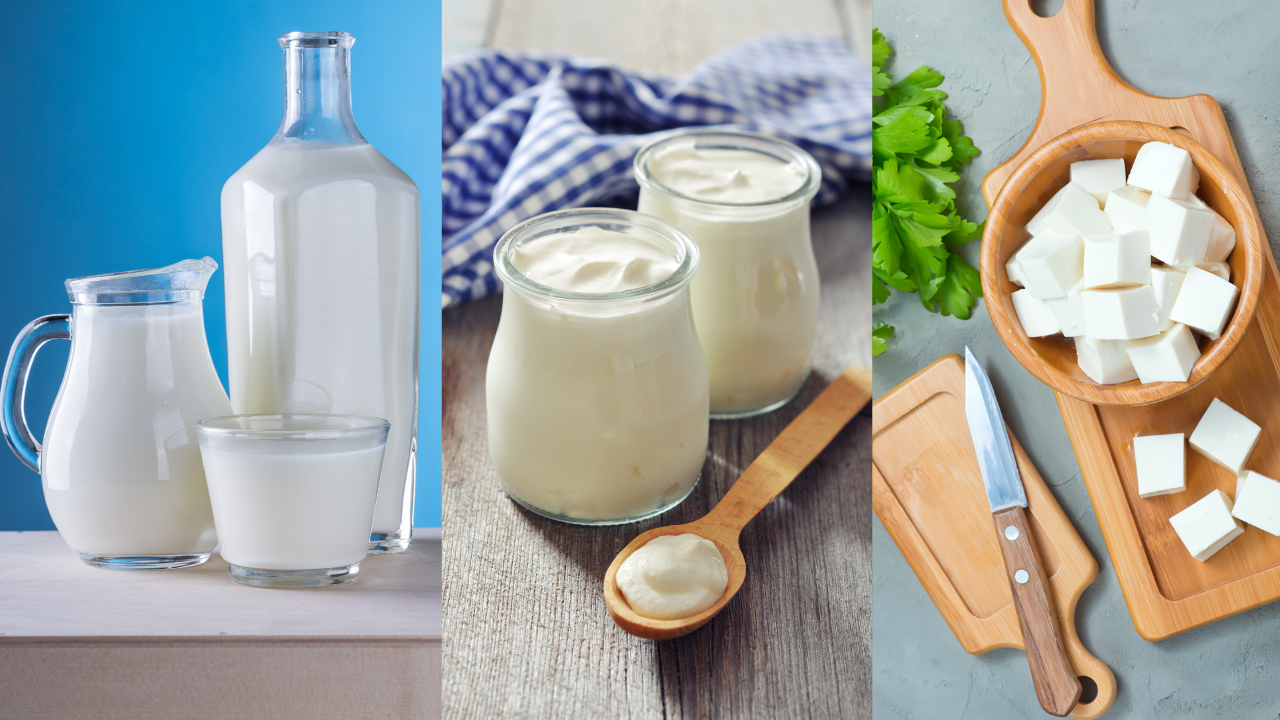
1. Milk and yogurt
Milk and yogurt are excellent sources of calcium. A cup of milk contains about 300 mg of calcium, and a cup of yogurt contains about 400 mg.

2. Cheese
Cheese is another good source of calcium. A slice of cheddar cheese contains about 200 mg of calcium.

3. Tofu
Tofu is a plant-based source of calcium. A 100-gram serving of tofu contains about 250 mg of calcium.

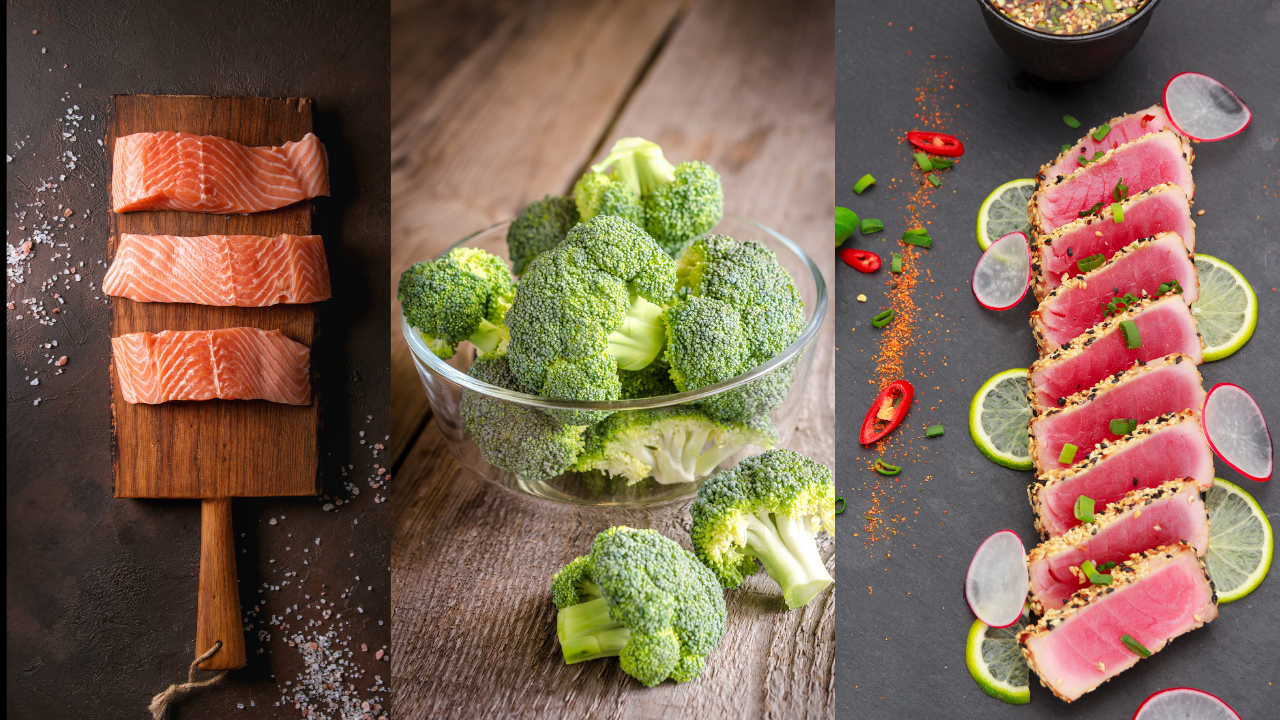
4. Broccoli
Broccoli is a good source of calcium, as well as other nutrients like vitamin C and fiber. A cup of cooked broccoli contains about 100 mg of calcium.

5. Salmon
Salmon is a good source of calcium, as well as protein and omega-3 fatty acids. A 3-ounce serving of salmon contains about 180 mg of calcium.

6. Tuna
Tuna is another good source of calcium from fish. A 3-ounce serving of tuna contains about 120 mg of calcium

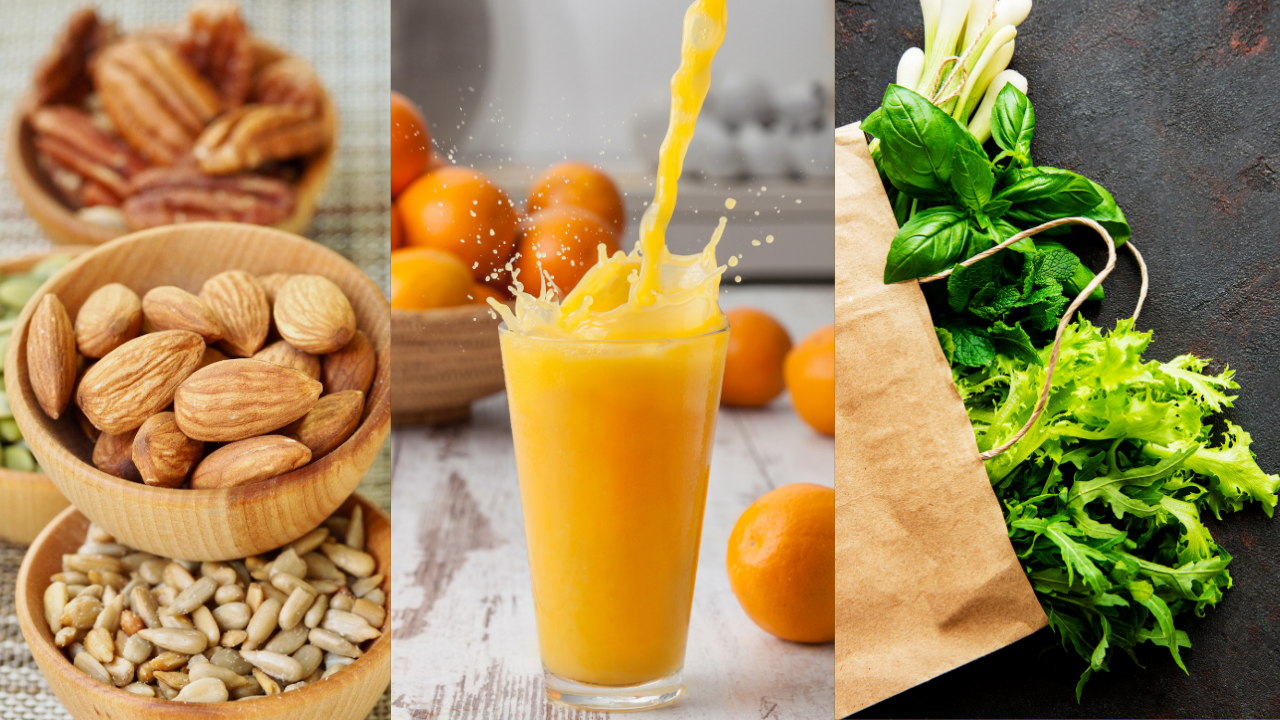
7. Orange juice
Orange juice is fortified with calcium, making it a good source of this mineral. A cup of orange juice contains about 300 mg of calcium.

8. Soy milk
Soy milk is a good source of calcium for people who are lactose intolerant. A cup of soy milk contains about 300 mg of calcium.

9. Nuts and seeds.
Nuts and seeds are a good source of calcium, as well as other nutrients like protein and fiber. Almonds, sesame seeds, and chia seeds are all good sources of calcium.

10. Dark green leafy vegetables
Dark green leafy vegetables, such as kale, spinach, and collard greens, are a good source of calcium. A cup of cooked kale contains about 200 mg of calcium.

In addition to these foods, there are also calcium supplements available. Calcium supplements are a good option for people who do not get enough calcium from their diet. It is important to note that too much calcium can be harmful. The upper limit for calcium intake is 2,500 mg per day. If you are taking calcium supplements, it is important to talk to your doctor to make sure you are not getting too much.

By eating a variety of calcium-rich foods, women can ensure that they are getting enough of this important mineral for good health.

Tagged : / / / / /
Verified by ExactMetrics