
The 7 Hardest Degree Courses In The World! Want To Pursue?
Higher education can open up a world of opportunities, but some degrees are more challenging than others. If you’re looking for a degree that will push you to your limits and reward you with a deep understanding of your chosen field, consider one of the hardest degrees in the world.
Here is a list of the 7 hardest degrees in the world :
1. Theoretical physics
Theoretical physics is the study of the fundamental laws of the universe. It is a highly complex and challenging field that requires a strong foundation in mathematics and physics. Theoretical physicists use mathematics and physics to develop new theories about the universe and to solve complex problems in physics. Theoretical physicists often deal with concepts that are difficult to visualize or understand. They must be able to think abstractly and reason logically to solve problems.
2. Neurosurgery
Neurosurgery is a branch of medicine that specializes in the diagnosis and treatment of disorders of the nervous system, including the brain and spine. Neurosurgeons must have a deep understanding of the anatomy and physiology of the nervous system, as well as the skills to perform delicate surgery on the brain and spine. The nervous system is made up of billions of nerve cells and their connections, and it is responsible for controlling all of our bodily functions, including thought, movement, and sensation. Neurosurgeons must have a deep understanding of this complex system in order to safely and effectively diagnose and treat disorders of the nervous system. Neurosurgeons must be able to perform delicate surgery on the brain and spine, which are two of the most sensitive organs in the body. A small mistake during neurosurgery can have serious and even life-threatening consequences.
3. Linguistics
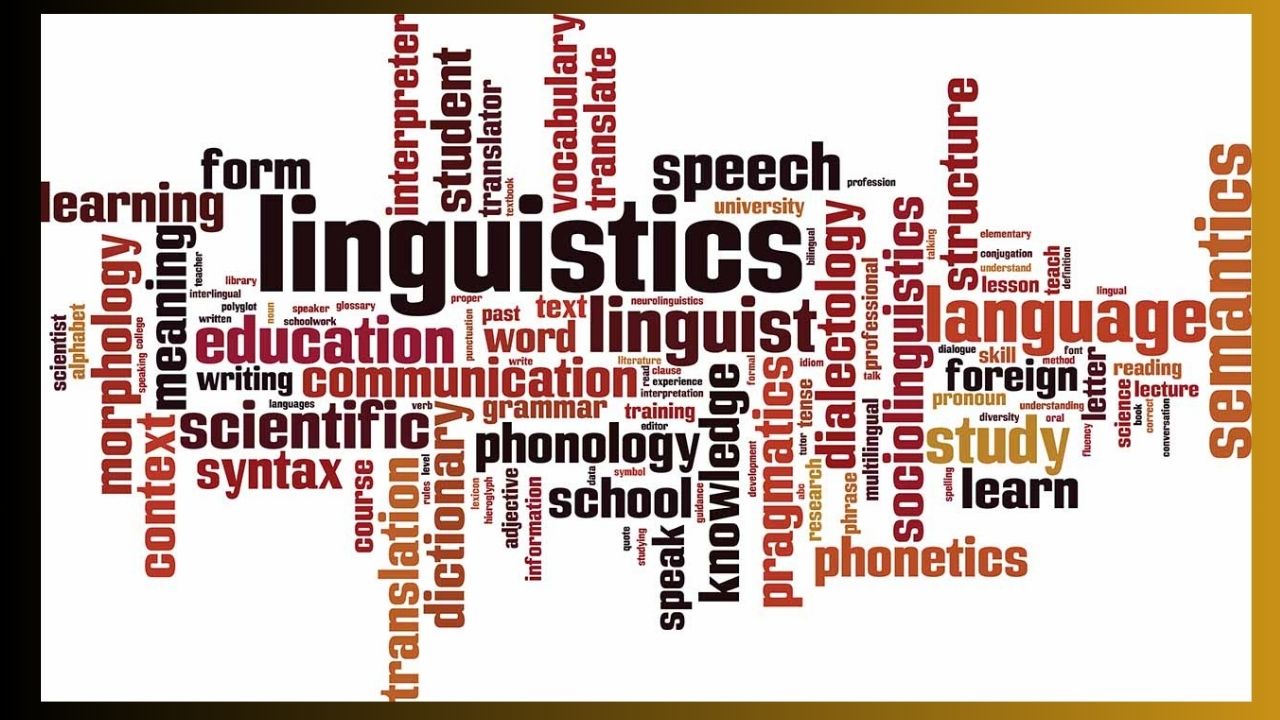
Linguistics is the scientific study of language. It is a broad field that encompasses many different areas, including phonetics, phonology, morphology, syntax, semantics, and pragmatics. Linguists must have a strong foundation in mathematics and logic, as well as a deep understanding of human language. One of the things that makes linguistics so difficult is the complexity of human language. There are over 7,000 different languages spoken in the world, and each language has its own unique grammar and vocabulary. Linguists must be able to understand and analyze the different features of different languages.
4. Quantum computing
Quantum computing is a new and emerging field of computer science that uses the principles of quantum mechanics to perform calculations. Quantum computing has the potential to revolutionize many different fields, including medicine, materials science, and finance. One of the things that makes quantum computing so difficult is the complexity of the subject matter. Quantum mechanics is a complex and challenging field of physics. Quantum computer scientists must have a strong foundation in quantum mechanics and computer science. Another challenge that quantum computer scientists face is the lack of hardware and software. Quantum computers are still in their early stages of development, and there is a shortage of both hardware and software for quantum computing. Quantum computer scientists must be able to develop new and innovative hardware and software solutions to overcome these challenges.
5. Theoretical Mathematics
Theoretical mathematics is the study of abstract mathematical concepts and theories. It is a highly challenging field that requires a strong foundation in mathematics and logic. Theoretical mathematicians must be able to think critically and solve complex problems. One of the things that makes theoretical mathematics so difficult is the abstract nature of the subject matter. Theoretical mathematicians often deal with concepts that are difficult to visualize or understand. They must be able to think abstractly and reason logically to solve problems.
6. Astronautical engineering
Astronautical engineering is the study of the design, construction, and operation of spacecraft and other spacecraft-related systems. It is a highly demanding field that requires a strong foundation in mathematics, physics, and engineering. Astronautical engineers must also have a broad understanding of space science and astronomy. One of the things that makes astronautical engineering so difficult is the complexity of the spacecraft that astronautical engineers design. Spacecraft are complex systems that must be able to withstand the harsh conditions of space. Astronautical engineers must take into account a wide range of factors when designing a spacecraft, including the mission objectives, the environment, and the budget. Another challenge that astronautical engineers face is the need to be innovative. The field of astronautical engineering is constantly evolving, and astronautical engineers must be able to develop new technologies and solutions to meet the demands of the space industry.

7. Architecture
Architecture is the art and science of designing and building buildings and other structures. It is a highly demanding field that requires a strong foundation in mathematics, physics, and engineering. Architects must also have a creative vision and be able to think outside the box. One of the things that makes architecture so difficult is the complexity of the projects that architects work on. Buildings are complex systems that must be both functional and aesthetically pleasing. Architects must take into account a wide range of factors when designing a building, including the climate, the site, and the needs of the users. Another challenge that architects face is the need to stay up-to-date on the latest technologies and materials. The field of architecture is constantly evolving, and architects must be able to adapt to new trends and developments.
So which one of these do you want to pursue??