5 Best Books To Drag You Out Of Depression And Negativity

5 Best Books To Drag You Out Of Depression And Negativity
Depression and negativity can feel like quicksand, pulling you deeper and deeper into the darkness. But don’t despair, there’s a lifeline: books. Immersing yourself in the right words can shift your perspective, rekindle hope, and offer tools to navigate the shadows. Here are 5 best books to drag you out of depression and negativity:

1. Man’s Search for Meaning by Viktor Frankl:

This powerful memoir by Holocaust survivor Viktor Frankl is a testament to the human spirit’s ability to find meaning even in the most unimaginable suffering. Frankl introduces the concept of logotherapy, emphasizing that finding purpose in life is essential for psychological well-being. His words will inspire you to discover your own inner strength and resilience.

2. The Power of Now by Eckhart Tolle:

Eckhart Tolle’s spiritual guide is a beacon of awareness in the storm of negativity. He gently helps you detach from the mind’s constant chatter and connect with the present moment, the only place where true peace and joy reside. With simple yet profound insights, Tolle will guide you towards inner stillness and a more fulfilling way of being.

3. Wild by Cheryl Strayed:

Cheryl Strayed’s raw and honest account of her solo hike on the Pacific Crest Trail is a testament to the transformative power of nature and facing challenges head-on. Her journey becomes a metaphor for overcoming personal struggles and rediscovering inner strength. Strayed’s vulnerability and humor will resonate with anyone who has ever felt lost or unsure of their path.

4. Tuesdays with Morrie by Mitch Albom:

This heartwarming story of journalist Mitch Albom reconnecting with his former professor, Morrie Schwartz, who is terminally ill, is a beautiful exploration of life, death, and everything in between. Morrie’s wisdom and acceptance in the face of his own mortality offer profound lessons on living life to the fullest and appreciating the simple joys.

5. The Midnight Library by Matt Haig:

In Matt Haig’s imaginative novel, Nora Seed finds herself in a limbo-like library after attempting suicide. Each book on the shelf represents a different life she could have lived, offering glimpses of what-ifs and regrets. Through this unique journey, Nora rediscovers her own worth and learns to embrace the beauty of life, even with its imperfections.

Remember, reading is a personal journey, and what resonates with one person might not resonate with another. Explore different genres, authors, and perspectives to find the books that speak to your soul and ignite your inner spark. With the right literary companions, you can navigate the darkness and emerge into the light, one page at a time.

Happy reading, and remember, you are not alone in this journey.

Tagged : / / /

How to identify if someone is having mental health issues?

How to identify if someone is having mental health issues?
Mental health issues are common, affecting millions of people worldwide. However, not everyone who is struggling with a mental health issue is aware of it. If you are concerned that someone you know may be having mental health issues, there are some signs you can look for.

Here are some common signs of mental health issues:

Changes in mood: Feeling sad, down, or depressed for more than two weeks is a common sign of depression. Other mood changes may include irritability, anger, or anxiety.

Changes in sleep: Having trouble sleeping or sleeping too much can be a sign of mental health issues.

Changes in appetite: Eating more or less than usual can also be a sign of mental health issues.

Withdrawal from social activities: Avoiding friends and family or losing interest in activities that you used to enjoy can be a sign of depression or social anxiety disorder.

Changes in thinking: Having trouble concentrating, making decisions, or remembering things can be a sign of mental health issues.

Physical symptoms: Some mental health issues can also cause physical symptoms, such as headaches, stomachaches, and fatigue.

If you notice any of these signs in someone you know, it is important to talk to them about your concerns. Let them know that you care and that you are there to support them. You can also encourage them to seek professional help from a mental health professional.

Here are some tips on how to talk to someone about their mental health:

  • Choose a time and place where you can both talk freely and without distractions.
  • Start by expressing your concern for the person. Let them know that you are there to listen and support them.
  • Be specific about the signs you have noticed. For example, you could say something like, “I’ve noticed that you’ve been withdrawn from social activities lately and that you’re not sleeping as well as you used to. Are you okay?”
  • Be a good listener. Avoid judging or criticizing the person.
  • Encourage the person to seek professional help if needed. You can offer to help them find a therapist or other mental health professional.
    It is important to remember that everyone experiences mental health challenges differently. There is no one-size-fits-all answer to the question of how to identify if someone is having mental health issues. However, by being aware of the common signs and symptoms, you can be more likely to recognize when someone you know is struggling.

If you are concerned about your own mental health, it is also important to seek professional help. A mental health professional can assess your symptoms and develop a treatment plan that is right for you.

Tagged : / / /

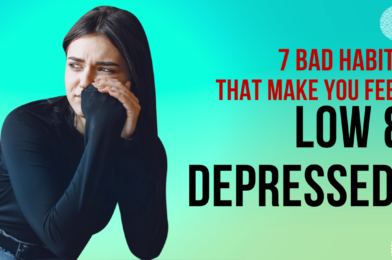
7 Negative Habits that are making you feel low and depressed

7 Negative Habits that are making you feel low and depressed
It is important to remember that everyone experiences low periods from time to time. However, if you are feeling low for an extended period of time, or if your symptoms are interfering with your daily life and you keep having these negative feelings then you need to check if this is something to do with any negative habit of yours. Knowingly or unknowingly, all of us are slaves to our habits so if you have any of these 7 negative habits, you will feel low and depressed all the time:

1 Isolating yourself from others
When you’re feeling depressed, it can be tempting to withdraw from others and spend all your time alone. However, social isolation can actually make your symptoms worse. Spending time with loved ones can help you feel supported and connected, which can boost your mood and make it easier to cope with depression.

2 Negative thinking
If you’re constantly thinking negative thoughts about yourself, your life, or the future, it can take a toll on your mood and make depression worse. Try to focus on the positive aspects of your life and challenge negative thoughts whenever they arise.

3 Comparison
Comparing ourselves to others can make us feel inadequate and insecure. It’s important to remember that everyone is different and we should focus on our own unique journey.

4 Resentment
Holding onto grudges and resentment can weigh us down and make us feel angry and bitter. It’s important to forgive others and let go of negative emotions.

5 Victim mentality
Viewing ourselves as victims of circumstance can make us feel helpless and hopeless. It’s important to take responsibility for our own lives and believe that we have the power to change our circumstances.

6 Perfectionism
Setting unrealistic goals and striving for perfection can lead to disappointment and frustration, which can make us feel low. It’s important to be more forgiving of ourselves and accept that we’re not perfect.

7 Procrastination. Putting off tasks can lead to stress, anxiety, and feelings of inadequacy. When you procrastinate, you’re essentially telling yourself that you’re not good enough or capable enough to handle the task at hand. This can lead to a negative self-image and a sense of hopelessness, which can contribute to depression.

It’s important to remember that we are not our negative thoughts or feelings. We can choose to challenge negative thoughts and focus on the positive aspects of our lives. If we are struggling with negative attributes of our nature, it is important to seek professional help. A therapist can help us to understand our thoughts and feelings and develop coping mechanisms to deal with them in a healthy way.

Tagged : / / /
Verified by ExactMetrics