
5 Simple Habits To Keep Your Leg Muscles Healthy And Running Strong

5 Simple Habits To Keep Your Leg Muscles Healthy And Running Strong
ur legs are the workhorses of our bodies, carrying us throughout the day and allowing us to participate in activities we enjoy. Keeping them strong and healthy is essential for maintaining mobility, preventing injuries, and optimizing performance. Here are five simple habits you can incorporate into your daily routine to keep your leg muscles healthy and running strong:

1. Stretch Regularly

Stretching is crucial for improving flexibility and range of motion, reducing muscle stiffness, and preventing injuries. Make it a point to stretch your legs for at least 10-15 minutes daily, focusing on major muscle groups like hamstrings, quadriceps, calves, and glutes. Hold each stretch for 30-60 seconds and repeat 2-3 times.

2. Engage in Strength Training

Building strong leg muscles is essential for supporting your body weight, absorbing impact, and preventing injuries. Include strength training exercises like squats, lunges, calf raises, and leg presses in your workout routine at least twice a week. Start with lighter weights and gradually increase intensity as your muscles get stronger.

3. Fuel Your Body Properly

Providing your body with the right nutrients is vital for muscle growth and recovery. Ensure you consume a balanced diet rich in protein, carbohydrates, and healthy fats. Protein is essential for building and repairing muscle tissue, while carbohydrates provide energy for workouts. Healthy fats promote overall health and contribute to muscle function.

4. Stay Hydrated

Water plays a crucial role in transporting nutrients to your muscles and aiding in muscle recovery. Aim to drink eight glasses of water daily, especially before, during, and after workouts.

5. Get Enough Sleep

Sleep is essential for muscle growth and repair. When you sleep, your body releases hormones that help your muscles recover from exercise and grow stronger. Aim for 7-8 hours of quality sleep each night.

Bonus Tip:
In addition to these habits, consider incorporating activities like walking, running, cycling, or swimming into your routine. These activities are excellent ways to engage your leg muscles in a cardio-focused workout, promoting overall health and fitness.

By incorporating these simple habits into your daily life, you can strengthen your leg muscles, reduce your risk of injuries, and keep your body running strong for years to come. Remember, consistency is key, so make these habits a regular part of your routine to reap the benefits.

Tagged : / / / /

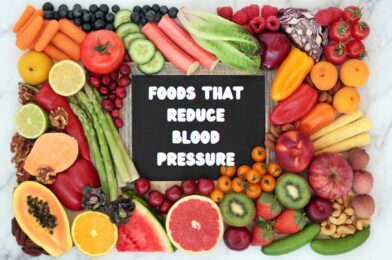
Not Just Beetroot, Banana, These Foods Too Lower Your Blood Pressure Naturally

Not Just Beetroot, Banana, These Foods Too Lower Your Blood Pressure Naturally
High blood pressure, also known as hypertension, affects millions worldwide. While medication plays a crucial role in managing this condition, incorporating certain foods into your diet can also significantly contribute to lowering blood pressure. Here are five naturally potent options:

1. Beetroot
This vibrant root vegetable is rich in nitrates, which your body converts into nitric oxide. This essential molecule helps relax and dilate blood vessels, leading to improved blood flow and reduced blood pressure. Enjoy beetroot roasted, juiced, or added to salads and soups.

2. Potassium Powerhouse: Bananas
Bananas are renowned for their high potassium content. Potassium helps counteract the negative effects of sodium on blood pressure by relaxing blood vessel walls. Aim for one to two bananas daily to reap the benefits.

3. Leafy Greens
Spinach, kale, and other leafy greens are packed with nutrients beneficial for blood pressure control. They’re rich in potassium, magnesium, and nitrates, which work together to promote relaxation and reduce blood pressure. Incorporate these greens into your diet through salads, smoothies, or stir-fries.

4. Berries
These antioxidant-rich fruits offer a delicious way to support your blood pressure health. Berries are low in sodium and high in potassium and fiber, contributing to improved blood vessel function and reduced inflammation. Enjoy a handful of berries as a snack or add them to your yogurt or oatmeal.

5. The Heart-Healthy Nut: Almonds
These crunchy nuts are packed with magnesium, potassium, and healthy fats that benefit heart health. Including almonds in your diet can help lower blood pressure and improve overall cardiovascular health. Enjoy a handful of almonds as a snack or incorporate them into recipes like salads and trail mix.

Remember, incorporating these foods into your diet alongside a healthy lifestyle can significantly contribute to managing your blood pressure. Consult your doctor for personalized advice on how to manage your blood pressure effectively.

Tagged : / / / /

How Stress Eating Leads To Weight Gain? Follow These 8 Tips To Combat It

How Stress Eating Leads To Weight Gain? Follow These 8 Tips To Combat It
Stress eating is a common phenomenon where individuals turn to food for comfort and relief during times of stress or emotional turmoil. While it may provide temporary solace, stress eating can lead to long-term consequences, including weight gain. This blog delves into the science behind stress eating and its impact on weight, offering eight practical tips to combat this unhealthy habit.

Understanding the Science of Stress and Appetite

When we are stressed, our bodies release hormones like cortisol, adrenaline, and norepinephrine. These hormones trigger the “fight-or-flight” response, preparing us to deal with the perceived threat. As part of this response, cortisol also stimulates the appetite, leading us to crave calorie-dense foods high in fat, sugar, and salt. These foods provide a quick burst of energy and help us feel momentarily better, but they can contribute to weight gain over time.

The Weight Gain Connection

Stress eating often leads to consuming more calories than we burn, resulting in a calorie surplus. This surplus is stored as fat, leading to gradual weight gain. Additionally, stress can disrupt sleep patterns and impair our body’s ability to regulate hormones like insulin, further contributing to weight gain.

8 Tips to Combat Stress Eating

Fortunately, there are several effective strategies to combat stress eating and prevent its negative consequences. Here are eight practical tips you can try:

1. Identify Your Stress Triggers: What situations or emotions make you crave unhealthy foods? Once you identify your triggers, you can develop healthier coping mechanisms like taking a walk, listening to music, or practicing relaxation techniques.

2. Plan Your Meals and Snacks: Planning ahead ensures you have healthy food readily available, reducing the temptation to reach for unhealthy options when stressed. Stock your pantry and fridge with nutritious snacks like fruits, nuts, and yogurt.

3. Practice Mindful Eating: Be present in the moment while eating. Pay attention to your body’s hunger and fullness cues. Eat slowly and savor your food, allowing yourself to experience real satisfaction from healthy meals.

4. Prioritize Regular Exercise: Physical activity is a potent stress reliever. Aim for at least 30 minutes of moderate-intensity exercise most days of the week. Whether it’s going for a brisk walk, running, or dancing, exercise helps reduce stress hormones and improve mood.

5. Ensure Adequate Sleep: Chronic sleep deprivation can increase stress and cortisol levels, promoting stress eating. Aim for 7-8 hours of quality sleep each night to improve your body’s ability to cope with stress in a healthy way.

6. Limit Alcohol Consumption: Alcohol can worsen stress and impair judgment, making it difficult to resist unhealthy cravings. Consider limiting or avoiding alcohol altogether to better manage stress eating.

7. Seek Social Support: Surround yourself with positive and supportive individuals who can offer emotional support and help you navigate stressful situations.

8. Consider Professional Help: If you struggle to manage stress eating on your own, don’t hesitate to seek help from a therapist or registered dietitian. They can provide personalized guidance and support to develop healthier coping mechanisms and address the underlying causes of stress eating.

Remember, breaking the cycle of stress eating requires consistent effort and self-compassion. By implementing these tips and prioritizing your well-being, you can effectively combat stress eating and achieve your weight and health goals.

Tagged : / / /

Effective Home Remedies To Get Rid Of Dandruff From Your Kid’s Scalp

Effective Home Remedies To Get Rid Of Dandruff From Your Kid’s Scalp
Dandruff can be a frustrating and embarrassing condition, especially for a child. While it’s usually harmless, it can be itchy and uncomfortable. Luckily, there are several effective home remedies that can help get rid of dandruff from your kid’s scalp.

1. Coconut Oil

Coconut oil is a natural moisturizer and anti-inflammatory agent that can help soothe the scalp and reduce flaking. To use, apply a few tablespoons of coconut oil to your child’s scalp and massage it in. Leave it on for at least 30 minutes before shampooing it out.

2. Apple Cider Vinegar

Apple cider vinegar is another natural remedy that can help fight dandruff. It has anti-fungal and anti-bacterial properties that can help kill the yeast that causes dandruff. Mix equal parts apple cider vinegar and water in a spray bottle. Spray the mixture on your child’s scalp and let it sit for 15 minutes before shampooing it out.

3. Tea Tree Oil

Tea tree oil is a powerful essential oil that has anti-fungal and anti-inflammatory properties. It can be used to treat a variety of skin conditions, including dandruff. Mix 2-3 drops of tea tree oil with a tablespoon of carrier oil, such as jojoba or almond oil. Apply the mixture to your child’s scalp and massage it in. Leave it on for 30 minutes before shampooing it out.

4. Baking Soda

Baking soda is a natural exfoliant that can help remove dead skin cells and flakes from the scalp. To use, wet your child’s hair and sprinkle a small amount of baking soda on their scalp. Massage it in for a few minutes before rinsing it out.

5. Aloe Vera

Aloe vera is a natural soothing agent that can help reduce inflammation and irritation. It can also help condition the hair and scalp. Apply a small amount of aloe vera gel to your child’s scalp and massage it in. Leave it on for 30 minutes before shampooing it out.

In addition to the home remedies above, there are a few other things you can do to help get rid of dandruff from your child’s scalp:

  • Use a mild shampoo. Avoid harsh shampoos that can strip the scalp of its natural oils.
  • Wash your child’s hair regularly. This will help remove dead skin cells and flakes from the scalp.
  • Brush your child’s hair regularly. This will help to stimulate the scalp and distribute natural oils.
  • Avoid using too much heat on your child’s hair. Heat can dry out the scalp and make dandruff worse.
  • Keep your child’s hair clean and dry. This will help prevent the growth of yeast and bacteria that can cause dandruff.

    If your child’s dandruff is severe or doesn’t improve with home treatment, consult with a pediatrician or dermatologist. They can diagnose the underlying cause of your child’s dandruff and recommend the best treatment options.

It’s important to remember that everyone is different, and what works for one child may not work for another. If you find that one home remedy doesn’t work, try another. You may need to experiment a bit to find what works best for your child.

With a little patience and persistence, you can help your child get rid of dandruff and enjoy healthy, flake-free hair.

Tagged : / / / / /

Why Life Before Smartphones Was More Beautiful?

Why Life Before Smartphones Was More Beautiful?
In today’s fast-paced, technology-driven world, smartphones have become an indispensable part of our lives. From communication to entertainment, they have revolutionized the way we interact with the world around us. However, amidst the allure of their convenience, there’s a growing sentiment of nostalgia for a time when life was simpler, less cluttered, and more connected to the real world – a time before smartphones entered our lives.

Rediscovering Human Connection

Prior to the smartphone era, social interactions were more authentic and spontaneous. People engaged in face-to-face conversations, building genuine connections and relationships. They spent time with family and friends, enjoying shared experiences and creating lasting memories. Smartphones, while facilitating virtual connections, have often replaced these meaningful interactions, leading to a sense of isolation and detachment.

Reclaiming Leisure Time

Life before smartphones was characterized by a slower pace and a deeper appreciation for leisure time. People engaged in activities that brought them joy, whether it was pursuing hobbies, reading, or simply relaxing in nature. Smartphones, with their constant stream of notifications and distractions, have eroded this sense of tranquility, leaving us constantly tethered to the digital world.

Mental Well-being

The constant connectivity and information overload brought about by smartphones have taken a toll on our mental well-being. The pressure to maintain an online presence, the fear of missing out, and the exposure to negative news can lead to anxiety, stress, and even depression. Life before smartphones offered a respite from these digital stressors, allowing for more mental clarity and peace of mind.

Embracing a Simpler Life

While smartphones have undoubtedly brought about advancements, they have also introduced a sense of urgency and complexity to our lives. Life before smartphones was simpler, more focused on the present moment, and less consumed by the digital world. It was a time when we savored the company of loved ones, engaged in activities that brought us genuine joy, and found solace in the tranquility of nature.

Reviving the aspects of life that were better before smartphones requires a conscious effort to disconnect from the digital world and reconnect with the real world. It involves setting boundaries, prioritizing meaningful interactions, and rediscovering the simple pleasures that technology has often overshadowed. By reclaiming our time and attention, we can rediscover the joy of a simpler, more fulfilling life.

Tagged : / /

Amitabh Bachchan To Divide His Rs 3160 Crore Property : This Is What Abhishek And Shweta Will Get

Amitabh Bachchan To Divide His Rs 3160 Crore Property : This Is What Abhishek And Shweta Will Get
In a testament to his love and unwavering belief in equality, legendary actor Amitabh Bachchan has reportedly decided to divide his vast property, estimated to be worth a staggering Rs 3160 crore, equally between his son Abhishek Bachchan and daughter Shweta Bachchan Nanda. This decision reflects the Bachchan family’s values of fairness and their commitment to ensuring that both their children inherit a significant portion of their wealth.

Compared to the ‘Refugee’ actor’s’ estimated net worth of Rs 280 crore, Shweta’s is closer to Rs 110 crore. Reportedly valued at about Rs 50 crore, Bachchan recently gave Shweta his Mumbai home, Prateeksha. A gift deed was completed on November 8, and stamp duty was paid in the amount of Rs 50.65 lakh, according to a report by Money Control.

In the Juhu neighbourhood of Mumbai, the Sholay star has a trio of bungalows: Janak, Prateeksha, and Jalsa. Prateeksha was Big B’s first residence, where he and his parents lived. Rumour has it that Amitabh Bachchan’s property is worth over Rs 3160 crore, and he plans to split it evenly between his children, Shweta and Abhishek, making him one of the wealthiest and most powerful people in the country.

The division of Amitabh Bachchan’s property marks a significant moment in the Bachchan family’s history. It is a gesture of immense generosity and a clear indication of the actor’s desire to treat his children with equal respect and love. This decision is also in line with the Indian legal rule of equal inheritance, where sons and daughters are considered equal heirs to their parents’ wealth. It is noticed though that this isn’t really followed by most people and families.

Amitabh Bachchan’s decision has been widely praised for its fairness and its adherence to the principles of equality. It is a reminder that true wealth lies not just in material possessions but also in the values we uphold and the legacy we create for future generations.

Apart from its symbolic significance, the equal division of Amitabh Bachchan’s property also ensures that both Abhishek Bachchan and Shweta Bachchan Nanda receive the financial resources they need to pursue their own endeavors and secure their futures. This decision will undoubtedly provide them with the peace of mind and financial independence to lead fulfilling lives.

Tagged : / / / /

Why is the Moon Sometimes Visible During the Daytime?

Why is the Moon Sometimes Visible During the Daytime?
The Moon is a natural satellite of Earth, and it revolves around our planet in a period of about 27.3 days. This means that the Moon is always in the sky, but we can’t always see it. The reason for this is that the Moon only reflects light from the Sun, and when the Sun is shining brightly, it can be difficult to see the Moon’s faint glow.

However, there are times when the Moon can be seen during the daytime. This is because the Moon’s orbit is tilted at an angle of about 5 degrees relative to Earth’s equator. This means that the Moon can be above the horizon even when the Sun is high in the sky.

In addition, the Moon’s brightness can vary depending on its phase. During a full Moon, the Moon is fully illuminated by the Sun, and it is therefore much brighter than during other phases. This means that the Moon is more easily visible during the daytime when it is a full Moon.

Here are some other reasons why you might see the Moon during the daytime:

  • The sky is overcast, and the clouds are blocking out the Sun’s light.
  • You are in a high altitude, where the air is thinner and the Sun’s light is weaker.
  • You are in a location where the Sun is much lower in the sky, such as near the Arctic or Antarctic Circle.
  • So, the next time you see the Moon during the daytime, don’t be surprised! It’s just a reminder that the Moon is always there, even when we can’t see it.

Here are some additional facts about the Moon:

  • The Moon is the fifth largest moon in the solar system.
  • The Moon is about 238,900 miles from Earth.
  • The Moon has a very thin atmosphere.
  • The Moon’s surface is covered in craters, which were created by meteorites and asteroids hitting the Moon over billions of years.
  • The Moon is the only celestial body that humans have ever walked on.
Tagged : / / /

Silent heart attack: Watch out for hidden signs and symptoms that often go unnoticed

Silent heart attack: Watch out for hidden signs and symptoms that often go unnoticed
A silent heart attack, also known as a silent myocardial infarction, is a heart attack that occurs without the typical symptoms of chest pain or discomfort. This can be dangerous because it may delay diagnosis and treatment, which can increase the risk of complications or even death.

How common are silent heart attacks?

Silent heart attacks are more common than you might think. They are estimated to account for up to 20% of all heart attacks. Women are more likely to have silent heart attacks than men.

What are the symptoms of a silent heart attack?

The symptoms of a silent heart attack can be subtle and easily mistaken for other conditions. Some common symptoms include:

  • Unexplained shortness of breath
  • Fatigue
  • Nausea
  • Lightheadedness or dizziness
  • Sweating
  • Indigestion
  • Pain in the back, neck, jaw, or armĀ  Ā  Ā  Ā  Ā  Ā  Ā  Ā  Ā  Ā  Ā  Ā  Ā  Ā  Ā  Ā  Ā  Ā  Ā  Ā  Ā  Ā  Ā  Ā  Ā  Ā  Ā  Ā  Ā  Ā  Ā  Ā  Ā  Ā  Ā  Ā  Ā  Ā  Ā  Ā  Ā  Ā  Ā  Ā  Ā  Ā  Ā  Ā  Ā  Ā  Ā  Ā  Ā  Ā  Ā  Ā  Ā  Ā  Ā  Ā  Ā  Ā  Ā  Ā  Ā  Ā  Ā  Ā  Ā  Ā  Ā  Ā  Ā  Ā  Ā  Ā  Ā  Ā  Ā  Ā  Ā  Ā  Ā  Ā  Ā  Ā  Ā  Ā  Ā  Ā  Ā  Ā  Ā  Ā  Ā  Ā  Ā  Ā  Ā  Ā What are the risk factors for silent heart attack?

The same risk factors that increase the risk of heart attack in general also increase the risk of silent heart attack. These include:

  • High blood pressure
  • High cholesterol
  • Diabetes
  • Obesity
  • Smoking
  • Family history of heart disease

How to prevent a silent heart attack?

The best way to prevent a silent heart attack is to control your risk factors for heart disease. This includes:

  • Eating a healthy diet
  • Maintaining a healthy weight
  • Exercising regularly
  • Quitting smoking
  • Managing stress
  • Controlling your blood pressure, cholesterol, and blood sugar levels

What to do if you think you’re having a silent heart attack?

If you think you’re having a silent heart attack, it’s important to seek medical attention immediately. Even if you don’t feel any chest pain, it’s important to be evaluated by a doctor to rule out a heart attack.

Early diagnosis and treatment of a silent heart attack can improve your chances of a full recovery.

In addition to the tips above, here are some other things you can do to reduce your risk of silent heart attack:

  • Be aware of your family history of heart disease.
  • Talk to your doctor about your risk factors for heart disease.
  • Get regular checkups and screenings.
  • Ask your doctor about aspirin therapy if you’re at risk for heart disease.

Silent heart attacks can be dangerous, but they are preventable. By controlling your risk factors and being aware of the symptoms, you can help protect your heart health.

Tagged : / / / / /

India’s Culinary Gem Paratha Is World’s 4th Most Popular Street Food

India’s Culinary Gem Paratha Is World’s 4th Most Popular Street Food
Paratha, a versatile and delectable flatbread from India, has recently garnered international acclaim by securing the fourth position in a global ranking of street foods. The Indian roti and its many packed varieties, which are affectionately known as parathas in our home, were ranked fourth on Taste Atlas’s list of the most popular street foods worldwide. This culinary masterpiece, relished across the country, has captivated taste buds worldwide with its simplicity, adaptability, and delectable flavors.

The paratha’s origins can be traced back to ancient India, where it was a staple food among various communities. Over time, the paratha evolved into a culinary canvas, embracing a myriad of regional variations and fillings. From the classic potato-stuffed aloo paratha to the aromatic paneer paratha, each variation showcases the ingenuity and culinary diversity of India’s culinary landscape.

The preparation of a paratha is an art form in itself. Kneaded dough is flattened into a disc, then stuffed with a delectable filling, ranging from spiced potatoes to grated cauliflower. The paratha is then skillfully cooked on a hot griddle, resulting in a crispy exterior that yields to a soft, flavorful interior.

Parathas are often served alongside a dollop of creamy yogurt, a tangy chutney, or a zesty pickle, creating a symphony of flavors that tantalize the palate. Whether enjoyed as a hearty street food or a comforting home-cooked meal, parathas embody the essence of Indian cuisine – simple, flavorful, and deeply satisfying.

The paratha’s global recognition is a testament to its enduring appeal and the culinary prowess of India. As it continues to tantalize taste buds worldwide, the paratha stands as a symbol of India’s rich culinary heritage and its ability to captivate the world with its simple yet exquisite flavors.

Tagged : / / / / / /

Canine Companionship: How Dogs Help Combat Dementia In Humans

Canine Companionship: How Dogs Help Combat Dementia In Humans
Amidst the hustle and bustle of modern life, the bond between humans and their canine companions remains steadfast. Dogs have long been cherished for their unwavering loyalty, affection, and ability to bring joy into our lives. However, a recent study has revealed a remarkable new benefit of dog ownership – a significant reduction in the risk of developing dementia.

A study conducted in Japan, published in the journal Preventive Medicine Reports, found that older adults who owned dogs exhibited a 40% reduced risk of dementia compared to those without canine companions. This groundbreaking discovery highlights the profound impact dogs can have on our cognitive health and overall well-being.

The study attributed this protective effect to a multitude of factors, including:

1. Enhanced Companionship: Dogs provide a sense of companionship and combat loneliness, a major risk factor for dementia. Their presence alleviates social isolation, fostering emotional support and connection.

2. Increased Exercise: Dog owners are more likely to engage in regular physical activity, a crucial factor in maintaining cognitive function. Daily walks, playtime, and other dog-related activities promote physical fitness and mental stimulation.

3. Mental Engagement: Dogs require mental stimulation, and interacting with them provides cognitive exercise for their owners. Training, playing fetch, and simply engaging with their canine companions keeps the mind active and engaged.

4. Reduced Stress: Dogs possess an uncanny ability to reduce stress levels, which can contribute to dementia risk. Their calming presence and unconditional love provide a sense of comfort and relaxation.

The benefits of dog ownership extend beyond dementia prevention. Studies have shown that dogs can lower blood pressure, improve cardiovascular health, and enhance overall well-being. They can also provide a sense of purpose and responsibility, particularly for older adults.

As the study’s findings underscore, welcoming a dog into your life can be a transformative decision, offering a myriad of health benefits and enriching your golden years. If you’re considering adopting a canine companion, consider the positive impact they can have on your physical, mental, and emotional well-being. Embrace the power of canine companionship and embark on a journey of joy, fulfillment, and enhanced cognitive health.

Tagged : / / /

Navigating the Phone-Obsessed Partner: A Guide to Effective Communication

Navigating the Phone-Obsessed Partner: A Guide to Effective Communication
In today’s hyperconnected world, our smartphones have become an integral part of our lives. While they offer a plethora of benefits, excessive phone usage can strain relationships, particularly when one partner is constantly glued to their device. If you’re facing this challenge with your partner, here are some strategies to address the situation and foster a more balanced dynamic:

1. Open Communication: Initiate an open and honest conversation with your partner, expressing your concerns about their phone usage and its impact on your relationship. Choose a calm and respectful moment to discuss your feelings and avoid accusatory language.

2. Establish Boundaries: Set clear boundaries regarding phone usage during quality time together. Agree on designated phone-free periods, such as meals, bedtime, or family outings. These dedicated times allow for uninterrupted connection and strengthen your bond.

3. Mutual Respect: Acknowledge that your partner’s phone usage may serve a purpose, whether it’s for work, social connections, or personal interests. Respect their need to stay connected while also advocating for your own need for shared attention.

4. Alternative Distractions: Suggest alternative activities that can replace phone time, such as engaging in hobbies, pursuing shared interests, or simply enjoying each other’s company. Encourage your partner to explore new hobbies or rediscover old ones, reducing their reliance on their phone for entertainment.

5. Lead by Example: Be mindful of your own phone usage and set a positive example. Minimize your own phone use during shared moments to demonstrate your commitment to connecting with your partner.

6. Seek Professional Help: If the issue persists and communication proves ineffective, consider seeking professional guidance from a couples therapist. They can provide unbiased support and facilitate constructive communication to address the underlying issues.

Remember, addressing excessive phone usage requires patience, understanding, and a willingness to compromise. By working together, you can establish a healthier balance in your relationship and strengthen your connection.

Tagged : / / /

Why Do Sunflowers Always Follow The Sun?

As you’ve undoubtedly seen in the countryside, sunflowers are not the only flowers that turn to face the sun. In fact, this behavior is known as heliotropism, and it’s seen in many plants, including dandelions, daisies, and even some trees. But why do plants do this?

The answer is that heliotropism helps plants maximize their exposure to sunlight. Sunlight is essential for photosynthesis, the process by which plants convert sunlight into energy. The more sunlight a plant receives, the more energy it can produce. This energy is then used for growth, reproduction, and other functions.

How Does Heliotropism Work in Sunflowers?

In sunflowers, heliotropism is controlled by a special type of plant hormone called auxin. Auxin is produced in the tips of the plant’s shoots, and it moves down the stem to the base of the plant. As the sun moves across the sky, the auxin concentration on the eastern side of the stem increases. This causes the stem to bend towards the east.

As the day progresses, the sun moves westward, and the auxin concentration on the western side of the stem increases. This causes the stem to bend back towards the west. As a result, the sunflower’s flower head always faces the sun, ensuring it receives maximum sunlight throughout the day.

Benefits of Heliotropism for Sunflowers

There are several benefits to heliotropism for sunflowers. First, as mentioned above, it helps plants maximize their exposure to sunlight. This is especially important for sunflowers, as they are large plants with large flower heads that require a lot of energy for growth and reproduction.

Second, heliotropism helps sunflowers track the sun’s movement across the sky. This means that the flower head is always facing the sun, which helps to protect it from heat stress and damage.

Third, heliotropism may also help sunflowers attract pollinators. Pollinators are insects that help to fertilize flowers. Sunflowers with flower heads that are facing the sun are more likely to be seen by pollinators, which can increase the plant’s chances of reproduction.

Conclusion

Heliotropism is a fascinating phenomenon that helps plants maximize their exposure to sunlight. In sunflowers, heliotropism is controlled by auxin, a plant hormone that causes the stem to bend towards the sun. Heliotropism provides several benefits to sunflowers, including increased exposure to sunlight, protection from heat stress, and increased attraction of pollinators. Why Do Sunflowers Always Follow The Sun?

Tagged : / /

4 Indian Winter Superfoods That You Should Definitely Try This Winter

4 Indian Winter Superfoods That You Should Definitely Try This Winter
Winter is the time of year when we crave warm, comforting foods. But it’s also important to make sure we’re getting the nutrients we need to stay healthy. That’s why we’re sharing four Indian winter superfoods that you should try this season.

1.Bajra

Bajra is a type of millet that is high in fiber, minerals, and vitamins. It is a good source of iron, magnesium, and phosphorus. It also contains B vitamins, such as niacin and thiamin. Bajra is a good source of antioxidants, which can help protect your cells from damage. It is also a good source of prebiotics, which can help promote gut health.

Bajra is a versatile grain that can be cooked in a variety of ways. It can be eaten as a porridge, or it can be used to make bread, roti, and other dishes. Bajra is a good source of protein, making it a good option for vegetarians and vegans.

2. Maize

Maize, also known as corn, is a good source of complex carbohydrates, fiber, and vitamins. It is a good source of vitamin C, vitamin A, and vitamin K. Maize is also a good source of minerals, such as potassium, phosphorus, and magnesium.

Maize is a versatile grain that can be eaten in a variety of ways. It can be eaten on the cob, or it can be used to make popcorn, tortillas, and other dishes. Maize is a good source of protein, making it a good option for vegetarians and vegans.

3. Sesame Seeds

Sesame seeds are a good source of copper, manganese, calcium, magnesium, iron, and selenium. They also contain sesamin and sesamolin, which have a cholesterol-lowering effect. Sesame seeds are a good source of antioxidants, which can help protect your cells from damage.

Sesame seeds can be eaten in a variety of ways. They can be added to salads, yogurt, and other dishes. They can also be used to make sesame oil, which is a healthy cooking oil.

4. Sweet Potatoes

Sweet potatoes are a rich source of fiber, vitamins, and minerals. They are a good source of vitamin A, vitamin C, and potassium. Sweet potatoes are also a good source of antioxidants, such as beta-carotene.

Sweet potatoes can be eaten in a variety of ways. They can be roasted, baked, or boiled. They can also be mashed, made into fries, or used in pies and other desserts.

Here are some tips for incorporating these superfoods into your diet:

  • Add bajra to your breakfast porridge or oatmeal.
  • Pop some maize for a healthy snack.
  • Sprinkle sesame seeds on your salads or yogurt.
  • Roast sweet potatoes and enjoy them as a side dish or snack.
Tagged : / / / / /

6 Common Reasons Couples Break Up Even Though They Cared About Each Other

6 Common Reasons Couples Break Up Even Though They Cared About Each Other
Breakups are never easy, and they can be especially difficult when you still care deeply about your partner. While there are many reasons why couples break up, there are a few common themes that emerge again and again.

1. Ignoring early incompatibilities

In the early stages of a relationship, it’s easy to overlook red flags or differences of opinion. We may hope that these issues will resolve themselves over time, or we may simply be too in love to see them clearly. However, these incompatibilities can become major problems down the road if they are not addressed early on.

2. Not being aligned on big things

When it comes to big life decisions, such as whether or not to have children or where to live, it’s important to be on the same page as your partner. If you have fundamentally different values or goals, it can be very difficult to maintain a relationship in the long term.

3. Lack of communication

Communication is essential for any healthy relationship. If you’re not able to communicate your needs and wants to your partner, or if you’re not able to listen to and understand their needs, it can lead to resentment, anger, and eventually, a breakup.

4. Unresolved conflicts

Conflict is inevitable in any relationship, but it’s important to learn how to resolve conflicts in a healthy way. If couples avoid conflict or sweep problems under the rug, they will eventually fester and erupt, causing major damage to the relationship.

5. Falling out of love

Sometimes, people simply fall out of love. This can happen for a variety of reasons, such as growing apart, changing priorities, or simply falling in love with someone else. It’s important to remember that falling out of love is not a reflection on your worth or your partner’s worth. It’s just a fact of life.

6. Betrayal of trust

Trust is the foundation of any relationship. Once trust is broken, it can be very difficult to repair. Betrayal can take many forms, such as infidelity, lying, or breaking promises. If trust is broken, it’s important to decide whether or not it’s possible to rebuild the relationship.

Breaking up is never easy, but it’s sometimes necessary for our own happiness and well-being. If you’re struggling in your relationship, it’s important to seek professional help. A therapist can help you to identify the root of your problems and work towards a solution.

Remember, you deserve to be in a relationship that makes you happy and fulfilled. If you’re not getting what you need from your current relationship, it’s time to walk away.

Tagged : / /

Cow Milk vs Buffalo Milk : Which One Is A Better Source of Nutrition?

Cow Milk vs Buffalo Milk : Which One Is A Better Source of Nutrition?
Cow and buffalo milk are both nutritious beverages that offer a variety of health benefits. However, they also differ in their nutrient content, which can influence their suitability for different individuals and dietary needs.

Nutritional Comparison

Here’s a comparison of the key nutrients found in cow milk and buffalo milk per 100 grams:

Nutrient Cow MilkĀ  Buffalo MilkĀ 
Calories 62 kcal 100 kcal
Protein 3.2 grams 4.9 grams
Fats 3.2 grams 8.0 grams
Carbohydrates 4.6 grams 4.8 grams
Calcium 121 mg 181 mg
Iron 0.3 mg 0.2 mg
Vitamin D 39 IU 125 IU
Vitamin C 122 IU 157 IU
Vitamin A 8.5 mg 4.5 mg

Protein

Buffalo milk is a richer source of protein than cow milk, with approximately 50% more protein content. This makes it a good choice for individuals with increased protein needs, such as athletes, bodybuilders, and those recovering from illness or surgery.

Fat

Buffalo milk has a higher fat content than cow milk, with about 2.5 times more fat. However, the fat in buffalo milk is also higher in beneficial omega-3 fatty acids, which are essential for heart health and brain function.

Calcium

Both cow milk and buffalo milk are good sources of calcium, a mineral essential for bone health and muscle function. Buffalo milk has a slightly higher calcium content than cow milk, which may be beneficial for individuals with a higher risk of osteoporosis.

Vitamins

Buffalo milk is a richer source of vitamins A and D than cow milk. Vitamin A is important for vision, immune function, and cell growth, while vitamin D is essential for calcium absorption and bone health.

Considerations

The choice between cow milk and buffalo milk depends on individual needs and preferences. For those seeking a higher protein content and beneficial omega-3 fatty acids, buffalo milk may be a better choice. For those with concerns about fat intake or a preference for a lower-calorie option, cow milk may be a better choice.

Individuals with lactose intolerance may experience digestive discomfort after consuming either cow milk or buffalo milk due to the presence of lactose, a milk sugar. Lactose-free versions of both types of milk are available for those with lactose intolerance.

Conclusion

Both cow milk and buffalo milk are nutritious beverages with distinct nutritional profiles. The choice between the two depends on individual needs, preferences, and dietary restrictions. Consulting with a healthcare professional or registered dietitian can help determine the most suitable milk option for specific dietary needs.

Tagged : / / / / /
Verified by ExactMetrics