Yes, we may have alien friends in our Solar System: NASA

Seems like ET wasn’t just a movie at all – we may actually have some adorable alien friends in our Solar System. Okay, admit it! Even if you don’t want to believe, there is that small part of your brain which keeps asking “why there can’t be aliens in our solar system?” And that small part of our brains has been asking this question from a long time.

And why not! If we are here in this enormous Universe – living and breathing and doing things, there must be people like us or advanced than us. There can’t be just one Earth in this whole wide Universe- that’s too unlikely. So if you have always had that hunch, you have a supporter and that too of a big stature- NASA!

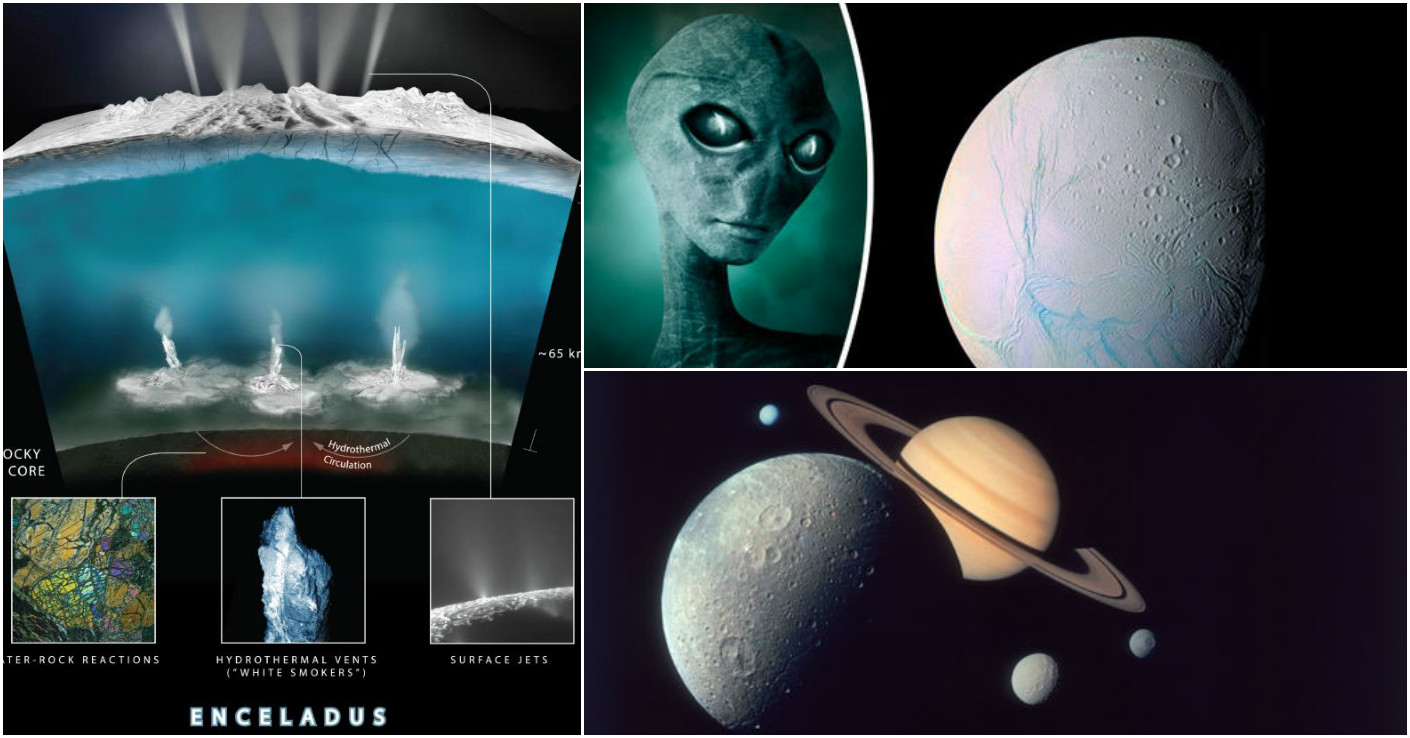
Basis the findings of its spacecraft Cassini and Hubble Space Telescope, NASA has arrived at the conclusion that there just might be alien life in our Solar System. The findings aren’t some vague things. In fact, these findings show that Enceladus, a moon of Saturn known for its icy white shell has some kind of chemical activity under its shell.

This activity is important to life on Earth suggesting some kind of life living there. And if you are wondering why this particular moon, then let us tell you that NASA that this moon has been under study for quite a while, owing to its massive underground oceans and icy outer shell which resemble the Earth’s protective ozone layer.

Add to this the confirmation from NASA that there are hydrothermal vents in the oceans on Enceladus. This piece of information is important because on earth, hydrothermal vents are found quite deep in the sea and are known to offer food and warmth to sea creatures that live at such depths. So if the hydrothermal vents are keeping creatures alive on the Earth, there is a strong possibility that the vents are keeping creatures alive on Enceladus too!

We are sorry to disappoint you though because if you thought this moon had some real cool Hollywood-style aliens, you are in for a let-down because basis the theory of NASA, this other life form maybe just some kind of shrimps or other little marine creatures. But a life form is a life or nevertheless. And it will still be called alien (though not as fancy as you saw in the movies)!

As a technology lover you may like our daily important technology news series. It’s a playlist and you can retrieve the total day-wise videos. Please consider subscribing our YouTube channel:

Author: Technology Vista
Tagged : / /

Saturn’s Moon Might Be Hosting Alien Life Since Long

New evidence from NASA suggests Saturn’s moon Enceladus may not be as hostile and inhospitable as it seems. Nasa’s Cassini spacecraft has picked up the first evidence that chemical reactions are happening deep below the ice which could be creating an environment capable of supporting microbes.

Liquid oceans exist miles below the surface on Enceladus, so to find out what is happening in the underground seas scientists must rely on the plumes of spray which shoot up into the atmosphere through cracks in the ice.

Life could be thriving in warm underground seas, scientists believe. All the more remarkable is that, this moon 887 million miles away from the Sun, might be harbouring the perfect conditions for life.

In October 2015 Nasa sent Cassini into a deep dive through one of those plumes and discovered hydrogen and carbon dioxide. In a report of their findings published today in the journal Science, scientists said that the ‘only plausible’ source for the hydrogen was chemical reactions between warm water and rocks on the ocean floor.

“Saturn’s moon Enceladus has an ice-covered ocean, and a plume of material erupts from cracks in the ice,” said Professor Hunter Waite, of Southwest Research Institute (SwRI) in San Antonio, Principal Investigator for Cassini’s Mass Spectrometer instrument which detected the hydrogen.

“The plume contains chemical signatures of water-rock interaction between the ocean and a rocky core. We find that the most plausible source of this hydrogen is ongoing hydrothermal reactions of rock containing reduced minerals and organic materials.

“On the modern Earth, geochemically derived fuels such as hydrogen support thriving ecosystems even in the absence of sunlight.”

Scientists had long suspected that liquid water could exist on the moon because of the extreme tidal forces acting on the satellite from Saturn’s gravity. Crucially, if hydrogen is present it can mix with carbon dioxide to form methane, which is consumed by microbes in the deep, dark seas of our own planet. If life is present, it could resemble single-celled tube-like extremophiles which have lived in hydrothermal vents on Earth for billions of years.

Next Page For More

Tagged : /

Is Nokia 9 on its way to topple Samsung Galaxy S8, iPhone 8 and Xiaomi Mi 6 from top slots?

Right from the day, the comeback of Nokia was announced, there is a great buzz around the brand that was once favourite of all. For a long time the brand had gone into oblivion but now it is coming back from the brink of extinction. HMD Global has already launched a few handsets called Nokia3, Nokia 5 and Nokia 6 in select countries. The good news is that more handsets are in the pipeline. In all probability, they are Nokia7, Nokia 8 and Nokia 9. Of these three, Nokia 9 is going to be the flagship phone. What makes it the talk of the town is the fact that it will have to compete with giants like Xiaomi Mi 6, Samsung Galaxy S8 and Apple’s iPhone 8.

All these flagship phones are eagerly awaited and with a clash of titans such as this, the users are in for a grand treat as they will have a wide variety to choose from. Rumours – about all these flagships have been doing the rounds and their specs are talk of the town. If experts are to be believed then Nokia 9 can very well give a tough time to its competitors. To understand this, let’s look at what each of these phones has in store for the users.

Xiaomi Mi 6: There is a possibility that this flagship phone will come in two variants- the regular model priced at 2,299 Yuan (around $333 or Rs 21,800) and the other one called Mi 6 Plus priced at 3,499 Yuan (around $508 or Rs 33,200). While the previous one sports a 5.15-inch display (1,920×1,080p resolution), powered by a Qualcomm Snapdragon 835 processor, run Android Nougat OS, packed with a 4GB/6GB RAM and a 32GB/64GB/128GB internal memory, a 19MP main camera with Sony IMX400 sensor and an 8MP front-snapper, with a 3,200mAH battery; the latter boasts of a 5.7 inch screen (2,560×1,440p resolution), powered by a Qualcomm Snapdragon 835 processor, and run Android Nougat OS. Siurces also hint towards a 4GB/6GB/8GB RAM, a 64GB/128GB/256GB internal storage, a 12MP dual lens camera with Sony IMX362 sensor on the rear, an 8MP front-snapper, and a 4,500mAh battery with Quick Charge 4.0 support. 

Samsung Galaxy S8: This flagship, priced at $720 in the US (around €669 / Rs 46,706) will flaunt a 5.8 inch Super AMOLED capacitive touchscreen with 1,440×2,960 pixels (570 ppi pixel density), powered by a Qualcomm Snapdragon 835 (US model) / Exynos 8895 processor (EMEA), and run Android 7.0 Nougat operating system. It will boast of a 4GB RAM, a 64 GB internal memory which is expandable upto 25 GB via micro SD card. The phone will have a 12MP main camera with f/1.7 aperture, 26mm lens, phase detection autofocus, OIS, LED flash, 1/2.5″ sensor size, 1.4 µm pixel size and 9MP image recording, an 8MP front snapper with f/1.7 aperture and autofocus, and a 3,000mAh battery.

Next Page For More 

Tagged : /

Are Terminator like machines just around the corner? Russia gives us reason to believe so!

The very first time when Arnold Schwarzenegger had appeared on screen as the expressionless, stony-faced ‘Terminator’, every person in the audience had goose bumps as it was a concept which was never presented before. Something that looked cool many years ago, is now a huge matter of concern for scientists. The concerns expressed by geniuses like Stephen Hawking, Elon Musk and Bill Gates are well known.

All these people have been very vocal about their concerns regarding artificial intelligence taking over humanity and one day destroying it. With advancements happening in robot technology world over, there is an atmosphere of fear amongst a scientist group. This group believes and fears that the day is not far when robots will start controlling human beings and will destroy them forever. Every other day something or the other happens which cements this belief.

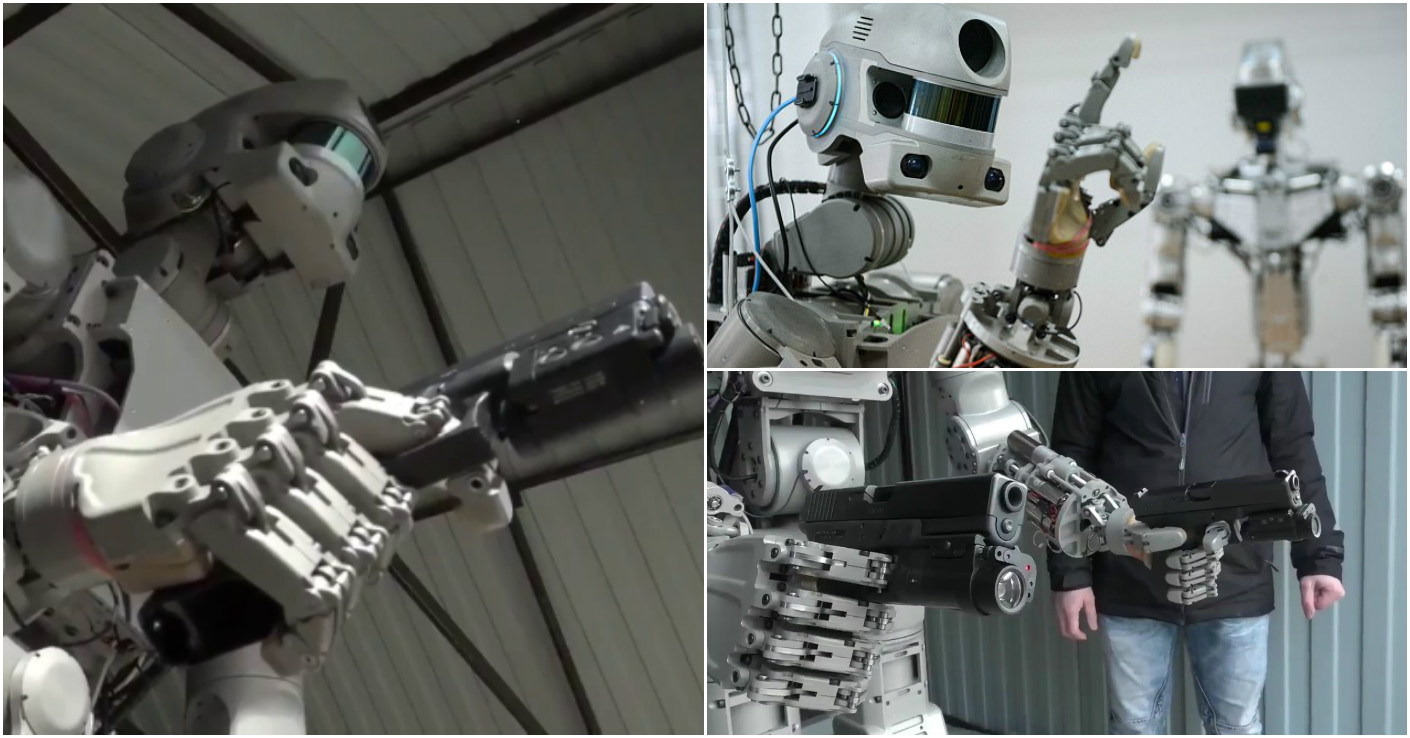
In a recent turn of events, Russia’s Deputy Prime Minister Dmitry Rogozin flaunted the new skills of their humanoid robot Fedor. It is this new skill which has raised an alarm. The Russian robot can shoot guns using both of its arms! Fedor – which stands for Final Experimental Demonstration Object Research- is a robot designed for space missions. It was designed to do tasks in the space which are considered too dangerous for astronauts.

Fedor is set for launch to the Space Station by 2021. Though Rogozin assured that Russia has no plans to create a Terminator like killing machine. He said in his defence: “Combat robotics is key to making intelligent machines. This is applicable to areas including aviation and space.” Though Fedor has also been trained to do tasks such as screwing a light bulb, operating a drill and driving a car, it is the new training given to the robot to hone its hooting skills is raising eyebrows.

Considering the concerns and fears of the likes of Hawking, Musk and Gates; efforts are underway around the world to prevent the rise of these killer robots. For example, developers from Google’s artificial intelligence division DeepMind and researchers from Oxford University have teamed up to develop a kill switch for artificial intelligence. Experts are of the view that there should be a ‘stop’ or ‘red button’ to stop AI from doing dangerous things. They say that one way could also be the way AI is coded- in a way that it never learns to ignore instructions from humans. Researchers and experts working in the field of AI have also called for a pre-emptive ban on autonomous weapons. These weapons are extremely dangerous as they can choose and engage targets without human intervention.  One can only imagine how dangerous this can turn out to be.

Bill Gates has really summed this up well. He said: “I am in the camp that is concerned about super intelligence. First the machines will do a lot of jobs for us and not be super-intelligent. That should be positive if we manage it well. A few decades after that though the intelligence is strong enough to be a concern.

I agree with Elon Musk and some others on this and don’t understand why some people are not concerned.” When brains like these are concerned about something, the seriousness of the matter can’t be ignored. So its high time the world opened its eyes to this impending danger looming large.

As a technology lover you may like our daily important technology news series. It’s a playlist and you can retrieve the total day-wise videos. Please consider subscribing our YouTube channel:

Author: Technology Vista

Tagged : /

4D Printing Technology Makes Objects That Assemble Themselves On Heating

4D printing creates 3D objects that change their shape over time in response to stimuli such as heat, moisture or light. It is useful for making structures that can adapt to their environment, but is often a laborious process. A new 4D-printing technique that creates complex structures in minutes could be used to make temperature-activated cardiac stents, drug capsules and flat-pack furniture.

The most common materials used in 4D printing, shape-memory polymers, normally require at least five steps to make them into adaptable objects. Hydrogels are simpler to use, but too soft to fashion into rigid structures. Zhen Ding at the Singapore University of Technology and Design and his colleagues have now developed a way to rapidly print rigid 4D objects with a commercial 3D printer and a heat source.

They created a variety of objects, including a delicate flower that closes its petals, a flat star shape that morphs into a dome, and lattices that contract and elongate. The structures were made from flat 3D-printed strips that were then heated to make them curve.

When heated to 45°C, the shape-memory polymer component relaxes and allows the elastomer to bend. As the strip cools, the shape-memory polymer stiffens again and locks the object into its new, curved configuration.

The strips, which can be printed in less than a minute, are made from layers of a stiff shape-memory polymer paired with a rubbery elastomer – a polymer with elastic properties. The problem is that it permanently fixes the structure in place after one heating cycle, says Geoff Spinks at the University of Wollongong in Australia. “This rules out applications that require reversible shape changes, like artificial muscles for robots and prosthetics,” he says.

Now, the technology could easily be used by people with other ideas, says Spinks. “No new chemistries, materials or equipment are involved, so it’s ready for anyone to start using immediately.” Thus, the method could be used to make complex structures that don’t require such shape-shifting.

For example, compact cardiac stents – tubes for placing in blood vessels to keep them open – could open up in an artery in response to body temperature. By fine-tuning the temperature transition point, medicine capsules could also be designed to bend and break open when body temperature rises with infection. And flat-pack furniture could assemble itself when heated.

As a technology lover you may like our daily important technology news series. It’s a playlist and you can retrieve the total day-wise videos. Please consider subscribing our YouTube channel:

Author: Technology Vista
Tagged : /

Finally an Apple Car! Apple Officially Enters Self-Driving Cars Race

Ending years of speculation, Apple’s late entry into a crowded field was made official on Friday with the disclosure that the California Department of Motor Vehicles had awarded a permit for the company to start testing its self-driving car technology on public roads in the state.

The Cupertino, California, company pointed to a statement that it issued in December: “Apple is investing heavily in machine learning and autonomous systems,” the company said then. “There are many potential applications for these technologies, including the future of transportation.”

Its interest in autonomous vehicle technology has long been clear.

The permit by DMV covers three vehicles – all 2015 Lexus RX 450h hybrid SUVs – and six individual drivers. California law requires people to be in a self-driving car who can take control if something goes wrong.

Like others, Apple believes self-driving cars could ease congestion, prevent millions of crashes and save thousands of lives annually in traffic accidents often caused by drunk or distracted motorists. Not only that, Apple has been searching for its next act for a while, one that will take it beyond its mainstay phones, tablets and personal computers.

The company hasn’t had a breakthrough product since the 2010 debut of the iPad, currently in the throes of a three-year sales slump. The dry spell has raised doubts as to whether Apple lost some of its trendsetting magic with the death of co-founder Steve Jobs in 2011.

iPhone’s ongoing popularity has helped Apple remain the world’s most valuable company. Apple will be vying against 29 other companies that already have California permits to test self-driving cars. Since Google began its work on self-driving vehicles eight years ago, Waymo’s fleet of self-driving cars has logged more than 2 million miles on the road.

With $246 billion in cash, Apple also could easily afford to buy technology that accelerates its development of self-driving cars. There has been recurring speculation that Apple might eventually acquire Tesla, which has a market value of about $50 billion. Neither Apple nor Tesla has given any inkling that they’re interested in joining forces, though.

Apple has a long way to catch up in self-driving technology, but then, it has often been a follower in markets that it eventually revolutionized. It wasn’t the first to introduce a digital music player, smartphone, or tablet before its iPod, iPhone and iPad came out.

As a technology lover you may like our daily important technology news series. It’s a playlist and you can retrieve the total day-wise videos. Please consider subscribing our YouTube channel:

Author: Technology Vista

Tagged : /

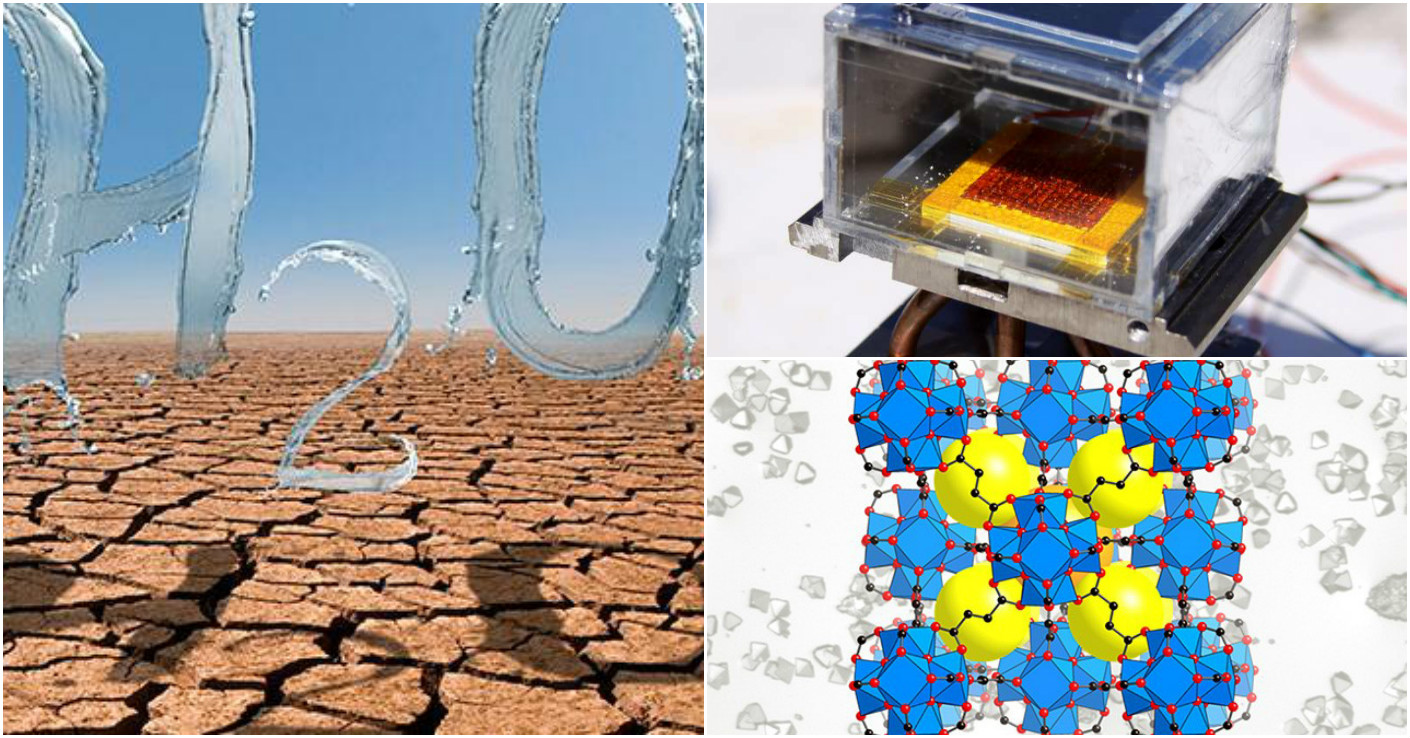
Water from Dry Air- This Device Will Make It Happen!

Constructed at the Massachusetts Institute of Technology (MIT) in the US, this solar-powered harvester can work in conditions as low as 20 per cent humidity to harvest litres of water from the air everyday using just ambient sunlight, even in dry or desert climates.

“There is no other way to do that right now, except by using extra energy. Your electric dehumidifier at home ‘produces’ very expensive water,” said Yaghi, also a faculty scientist at Lawrence Berkeley National Laboratory in the US.

Rooftop tests at MIT confirmed that the device works in real-world conditions, researchers said.

“One vision for the future is to have water off-grid, where you have a device at home running on ambient solar for delivering water that satisfies the needs of a household,” said Yaghi. “To me, that will be made possible because of this experiment. I call it personalised water,” he said.

“We wanted to demonstrate that if you are cut off somewhere in the desert, you could survive because of this device.” he said.

The prototype, under conditions of 20-30 per cent humidity, was able to pull 2.8 litres of water from the air over a 12-hour period, using one kilogramme of a metal-organic framework (MOF) – a special material produced at UC Berkeley. It consisted of dust-sized MOF crystals compressed between a solar absorber and a condenser plate, placed inside a chamber open to the air.

As ambient air diffuses through the porous MOF, water molecules preferentially attach to the interior surfaces. Sunlight entering through a window heats up the MOF and drives the bound water toward the condenser, which is at the temperature of the outside air. The vapour condenses as liquid water and drips into a collector.

This proof of concept harvester leaves much room for improvement, Yaghi said. The current MOF can absorb only 20 per cent of its weight in water, but other MOF materials could possibly absorb 40 per cent or more. The material can also be tweaked to be more effective at higher or lower humidity levels.

“To have water running all the time, you could design a system that absorbs the humidity during the night and evolves it during the day” Yaghi said.

As a technology lover you may like our daily important technology news series. It’s a playlist and you can retrieve the total day-wise videos. Please consider subscribing our YouTube channel:

Author: Technology Vista

Tagged : /

Producing Fuel to Fertilizers: This Bionic Leaf Can Do It All Using Sunlight and Bacteria

Artificial leaves take in sunlight to generate fuel, just like regular leaves, so that the solar energy can be used to break water down into hydrogen and oxygen, and that in turn has been used to create liquid fuels and electricity. Now, a Harvard team has added the feature of making fertilizers into the mix!

“The fuels were just the first step,” says Daniel Nocera, who first developed this artificial leaf at Harvard in 2011. “Getting to that point showed that you can have a renewable chemical synthesis platform. Now we are demonstrating the generality of it by having another type of bacteria take nitrogen out of the atmosphere to make fertilizer.”

The bacteria in question is Xanthobacter, which consumes the hydrogen produced by the leaf and, by also taking in carbon dioxide from the air around it, creates a bioplastic. That’s stored inside the bacteria as fuel, which they eventually use to create ammonia, a nitrogen-hydrogen compound that forms the basis of fertilizer.

“I can then put the bug in the soil because it has already used the sunlight to make the bioplastic,” says Nocera. “Then the bug pulls nitrogen from the air and uses the bioplastic, which is basically stored hydrogen, to drive the fixation cycle to make ammonia for fertilizing crops.”

The first bionic leaf absorbed sunlight to drive a chemical reaction that splits water into hydrogen and oxygen, before collecting those gases to produce a range of end products. In its first incarnation, the system fed a hydrogen-hungry bacteria to produce liquid fuels for use in fuel cells, and later versions let it work with impure water and eventually boosted its output to over 10 times the efficiency of natural photosynthesis.

The team tested the new system on radishes over five crop cycles, and found that plants that received fertilizer made by the bionic leaf grew to be 1.5 times bigger than a control group.

“When you have a large centralized process and a massive infrastructure, you can easily make and deliver fertilizer,” says Nocera. “But if I said that now you’ve got to do it in a village in India onsite with dirty water — forget it. Poorer countries in the emerging world don’t always have the resources to do this. We should be thinking of a distributed system because that’s where it’s really needed.”

As a technology lover you may like our daily important technology news series. It’s a playlist and you can retrieve the total day-wise videos. Please consider subscribing our YouTube channel:

Author: Technology Vista
Tagged : /

This Plant Will Help Create Self-Charging Smartphones

Our smartphone can do a lot of magical things, but at the end of the day, it always needs to be charged. However, Australian scientists at RMIT University have created a new electrode that might be the first step to self-powering smartphones, laptops, and cars — all thanks to ferns.

Ferns, you ask? Well, we have made amazing leaps in solar energy and all, but storage remains to be a problem. Supercaps are frequently combined with solar technologies to store and discharge harnessed energy. Supercaps are better than conventional batteries in most aspects but their limited capacity has made it hard to use them for larger scale storage solution.

The solution to increasing storage capabilities was found in the leaves of the western swordfern. PhD researcher Litty V. Thekkekar and professor Min Gu, authors of the research article, imitated patterns found in the plant to develop their electrode.

These electrodes can increase the capacity of supercaps by stunning 3,000 percent!

According to Gu, the leaves are an extremely efficient energy storage, with dense networks of veins. The efficiency is reached through repeated patterns called ‘fractals’. “Our electrode is based on these fractal shapes — which are self-replicating, like the mini structures within snowflakes — and we’ve used this naturally-efficient design to improve solar energy storage at a nano level.”

The experiments with supercaps are extremely promising, even for countries with shitty weather.

“Capacity-boosted supercapacitors would offer both long-term reliability and quick-burst energy release — for when someone wants to use solar energy on a cloudy day for example — making them ideal alternatives for solar power storage.”

It should be relatively easy to integrate the electrode into future breakthroughs as the prototype was based on flexible thin film technology. The new technology is still on research level so we won’t see it mass-produced anytime soon.

As a technology lover you may like our daily important technology news series. It’s a playlist and you can retrieve the total day-wise videos. Please consider subscribing our YouTube channel:

Author: Technology Vista

Tagged : /

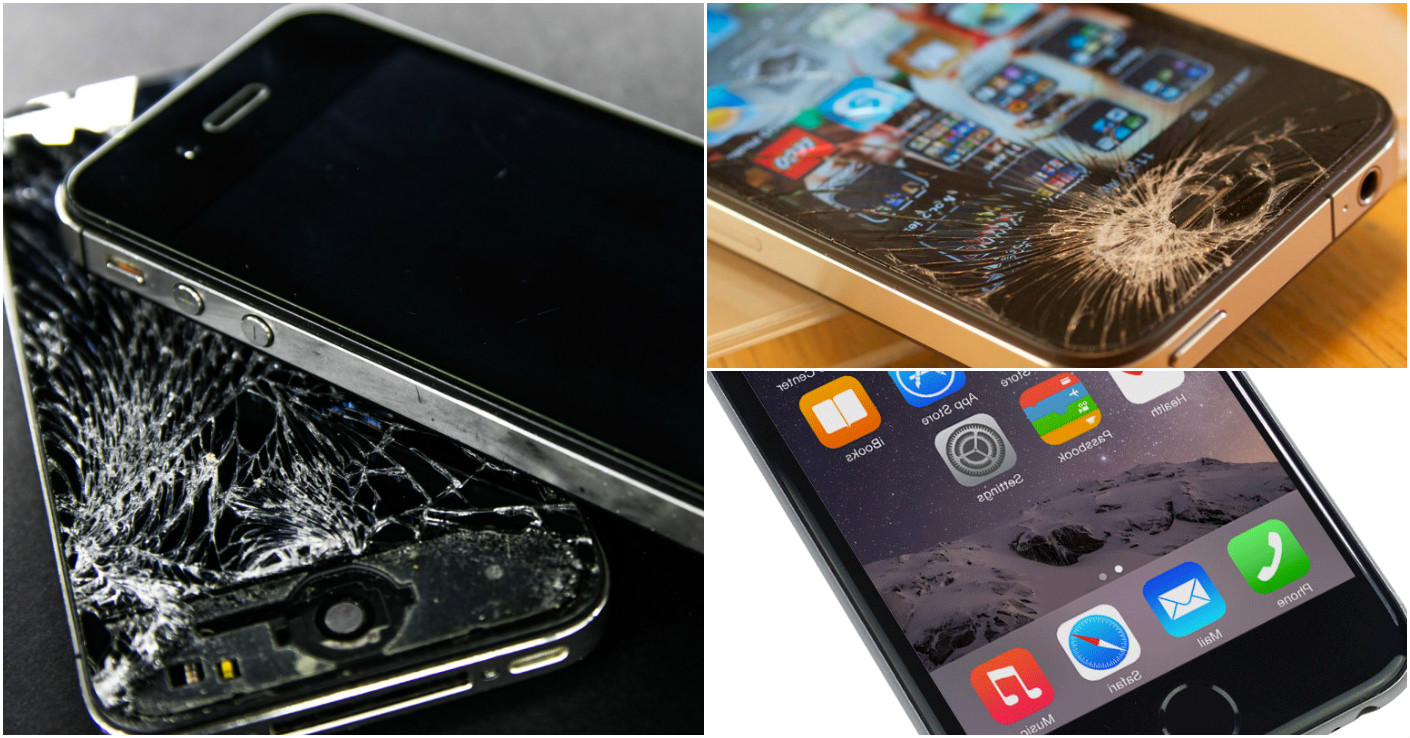
These Smartphones Can Self-Heal Their Cracked Displays

One of the most annoying things that can happen to your smartphone is screen damage. Today if such a scenario happens, handset users have two options at their disposal – either replace the phone’s screen for an additional fee or buy a new handset altogether. Chemists at the University of California, Riverside have made available a third option- a new self-healing smartphone screen material that will simply be able to self-heal the damage.

The group of scientists is expected to present their research findings during the American Chemical Society on April 4.

One of the scientists leading the research, Chao Wang claims his team was the first to create a self-healing material that can conduct electricity. Self-healing smartphone displays won’t become available immediately, as Wang predicts the new material will become available commercially in phones and batteries by 2020. He believes that within 3 years, more self-healing products will be made available on the market.

Self-healing materials aren’t exactly a novelty. Remember that the LG G Flex featured a self-healing back, which magically reformed any scratches within a few minutes?  The phone launched almost four years ago, but the problem with the material used to make up the back cover was that it could not conduct electricity.

Smartphone screens rely on a grid of electrons located beneath to interpret users’ taps and swipes, so LG couldn’t use the material for the phone display. But the new material invented by Wang’s team is a completely different story.

The new display material is made of a stretchable polymer and an ionic salt and can stretch up to 50 times its original size. The scientists conducting the self-healing material research performed several tests including tearing it in half and found it took under 24 hours for the material to stitch itself back together.

As a technology lover you may like our daily important technology news series. It’s a playlist and you can retrieve the total day-wise videos. Please consider subscribing our YouTube channel:

Author: Technology Vista

Tagged : /

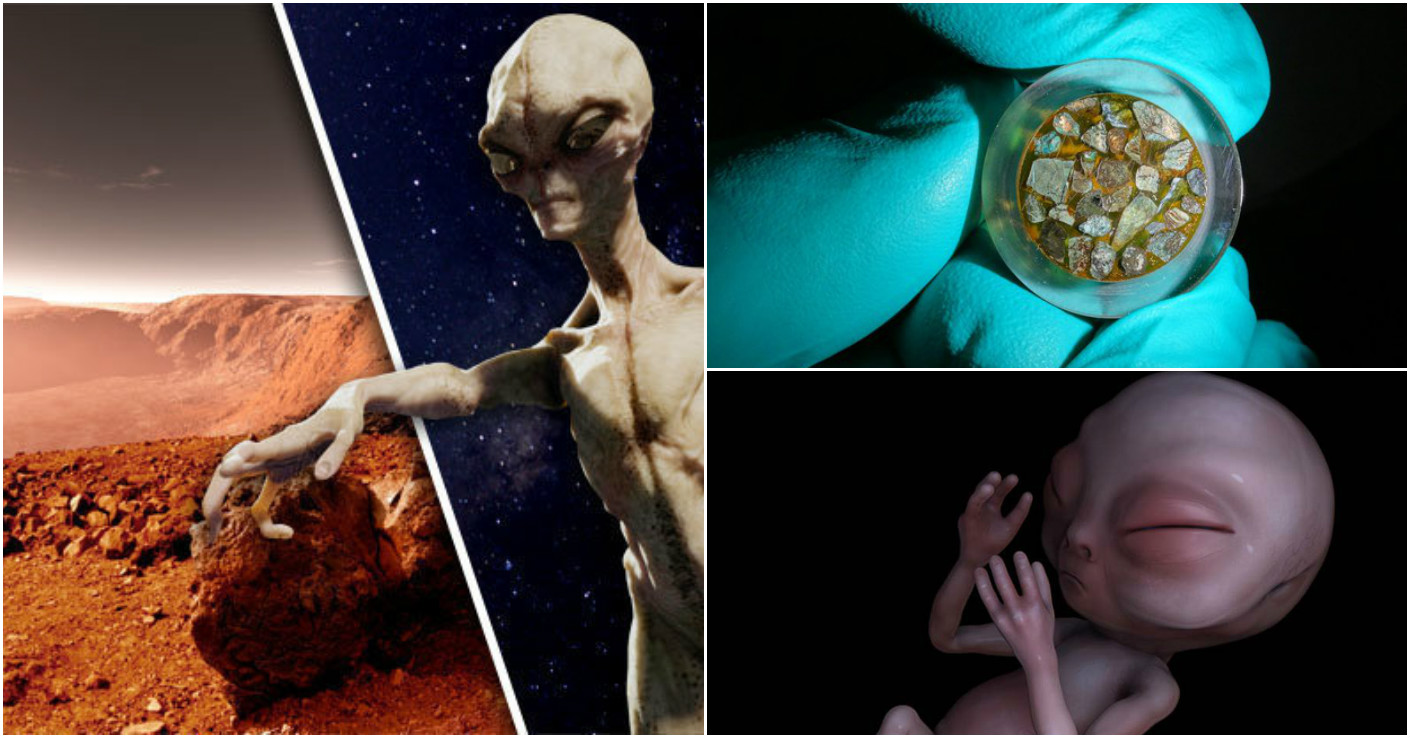
Hidden Ecosystems on Earth Could Reveal Aliens!

While scientists are sending out probes and search missions to the far reaches of the universe to look for alien life (NASA launches a probe to Jupiter’s icy moon to search for aliens), space boffins believe some of the first living beings on Earth could have survived by living deep in the planet’s atmosphere.

A study found organic material in the deepest place on the planet in the Mariana Trench, in an underwater volcano. Geo microbiologist Matthew Schrenk revealed the microbes show how life could exist in some of the deepest environments in the galaxy.

Researcher Oliver Plumper who worked on study said: “This is another hint at a great, deep biosphere on our planet.

“It could be huge or very small, but there is definitely something going on that we don’t understand yet.”

The material provides evidence that life can survive in the most extreme environments, lending weight to life on other planets.

Matthew Schrenk said: “I think the main take-home of this paper is how this has the potential to place life at some of the deepest environments on the planet. If we’re looking for the depth limits of the biosphere, this could extend it by a lot.”

As a technology lover you may like our daily important technology news series. It’s a playlist and you can retrieve the total day-wise videos. Please consider subscribing our YouTube channel:

Author: Technology Vista
Tagged : /

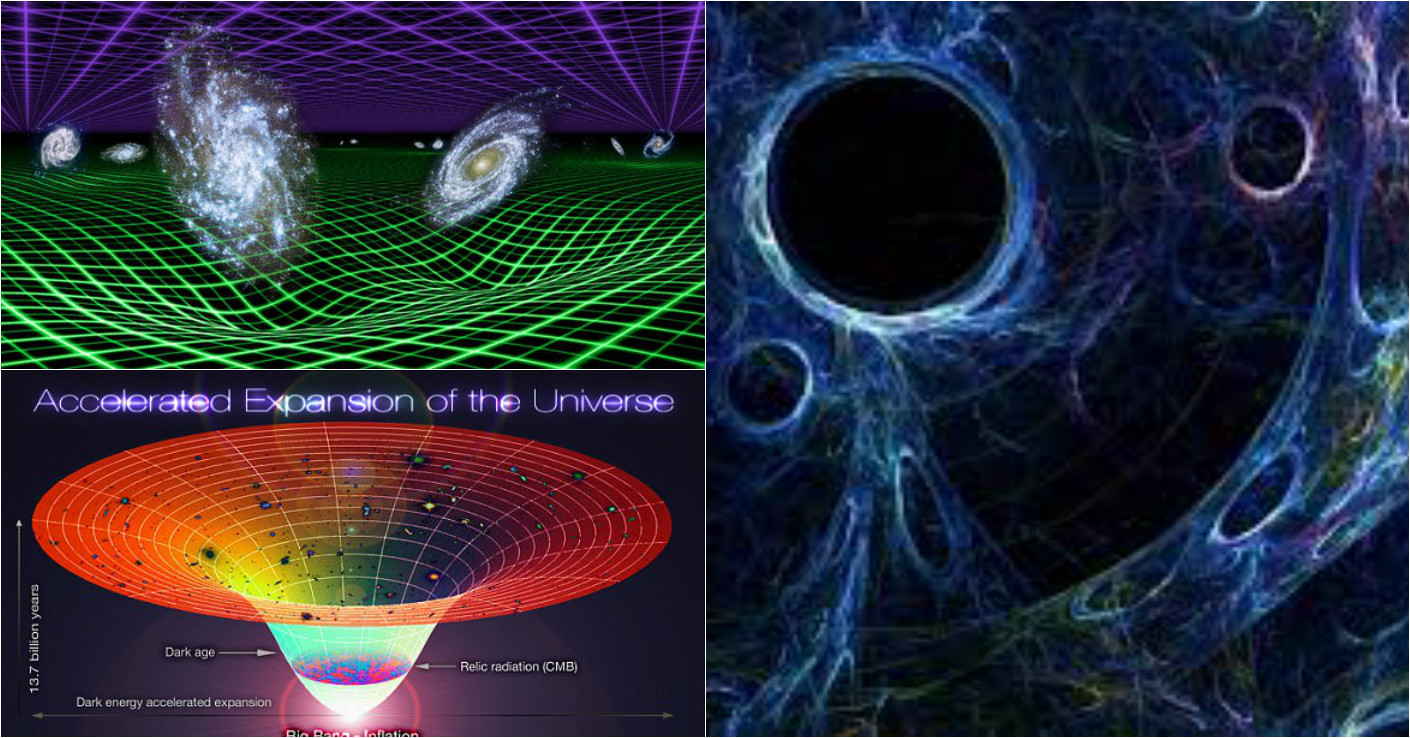
We might have estimated it wrong! 68% of the Universe might not actually exist!

Dark energy is a mysterious, mostly unknown force said to be driving 68 percent of the universe, But, new simulations suggest that accelerated expansion can be explained without the need for dark energy – and, in a way that’s consistent with present observations and general relativity.

‘Einstein’s equations of general relativity that describe the expansion of the universe are so complex mathematically, that for a hundred years no solutions accounting for the effect of cosmic structures have been found,’ said co-author Dr László Dobos of Eötvös Loránd University.

‘We know from very precise supernova observations that the universe is accelerating, but at the same time we rely on coarse approximations to Einstein’s equations which may introduce serious side-effects, such as the need for dark energy, in the models designed to fit the observational data.’

n the new study, published in Monthly Notices of the Royal Astronomical Society, the researchers argue that the conventional models of the universe fail to address its changing structure. The researchers designed computer simulations to model the effect of gravity on the millions of particles of dark matter distributed throughout the universe.

The researchers designed computer simulations to model the effect of gravity on the millions of particles of dark matter distributed throughout the universe.

‘We know from very precise supernova observations that the universe is accelerating, but at the same time we rely on coarse approximations to Einstein’s equations which may introduce serious side-effects, such as the need for dark energy, in the models designed to fit the observational data.’

As a technology lover you may like our daily important technology news series. It’s a playlist and you can retrieve the total day-wise videos. Please consider subscribing our YouTube channel:

Author: Technology Vista
Tagged : /

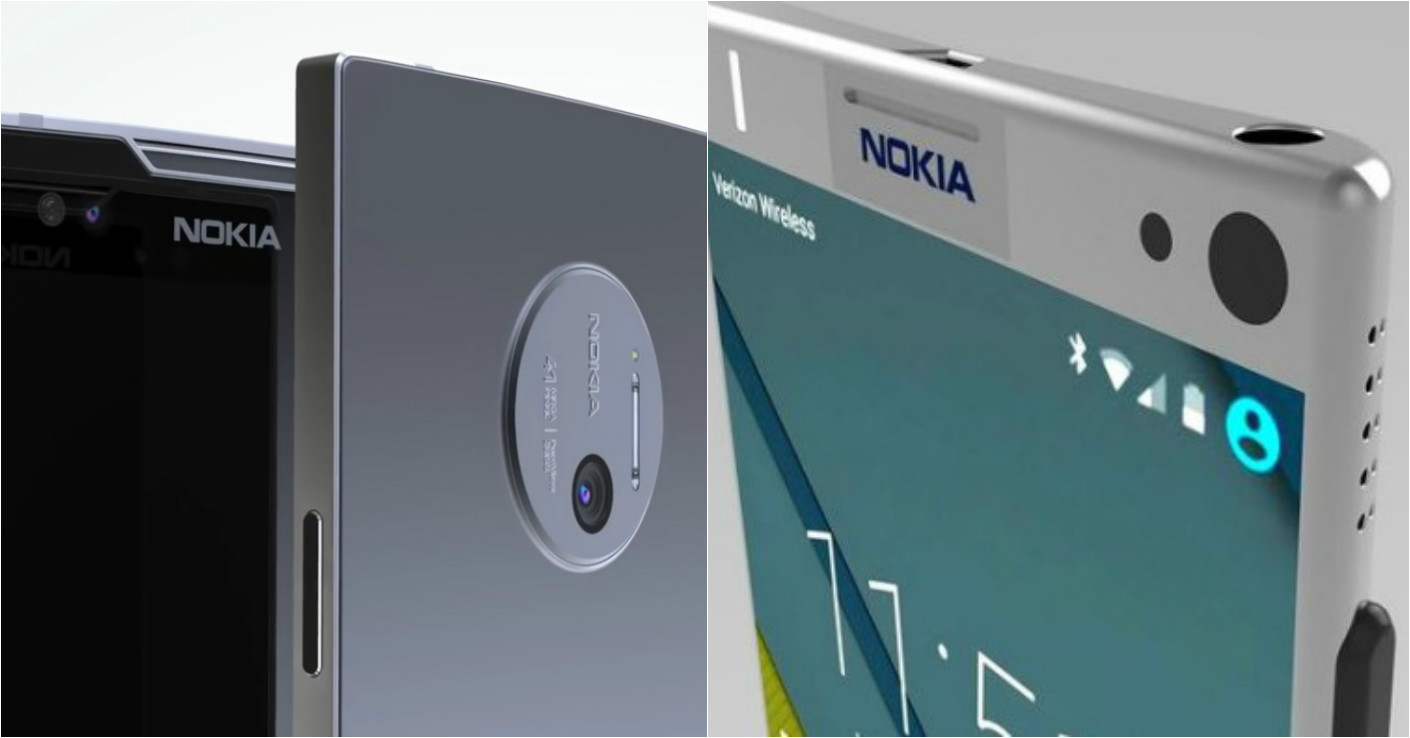
The news you were waiting for! Nokia 9 Specifications are Out!

The flagship Nokia Android phone, Nokia 9 specifications have once again been leaked. According to a new report, the Nokia 9 top-end smartphone – which was earlier called Nokia P1 – will sport industry-leading hardware, and pack features such as iris scanner and Nokia OZO audio enhancements.

Coming to the aforementioned highlights of the Nokia 9 – the smartphone will reportedly integrate an iris scanner, as well as the recently introduced advanced spatial audio tech called OZO Audio – developed by the OZO spherical camera. It’s unclear what this 3D audio experience will look to power. Other notable inclusions include IP68 certification and a fingerprint scanner.

As per a report by Nokia Power User, the Nokia 9 run Android 7.1.2 Nougat, and will sport a 5.5-inch QHD (1440×2560 pixels) OLED display. It is said to be powered by a Qualcomm Snapdragon 835 SoC coupled with 6GB RAM.

The smartphone will reportedly be available 64GB and 128GB storage variant, and is said to be powered by a 3800mAh battery with Quick Charge 4.0 fast charging technology.

The Nokia 9 is said to bear a 22-megapixel dual-lens rear camera setup with Carl Zeiss optics, and a 12-megapixel front-facing camera. Of course, this is not the first time there have been reports of a dual rear camera with Carl Zeiss optics on an anticipated Nokia phone, if one counts rumours surrounding the yet-to-be-launched Nokia 8.

As a technology lover you may like our daily important technology news series. It’s a playlist and you can retrieve the total day-wise videos. Please consider subscribing our YouTube channel:

Author: Technology Vista
Tagged : /

This Tower in Dubai Would be Dangling from Space!

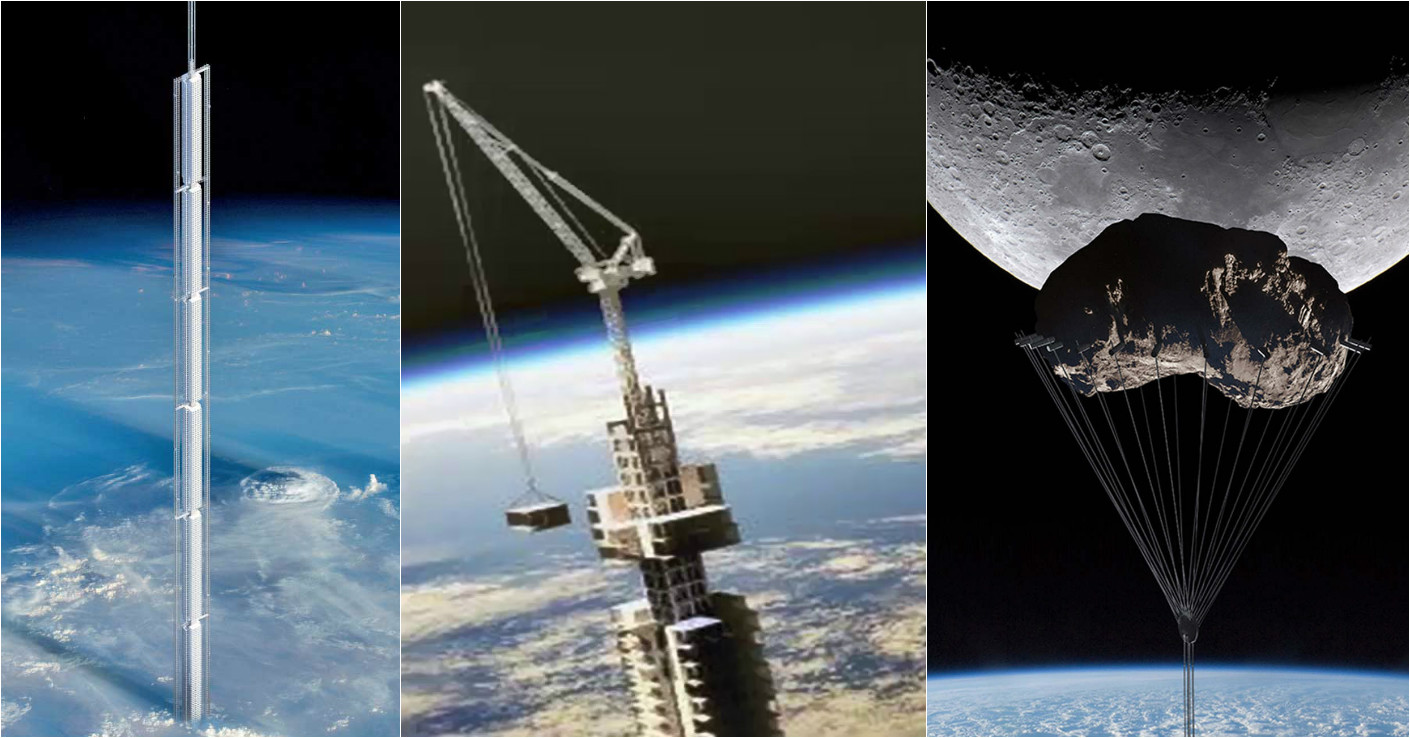
The New York-based firm, Clouds Architecture Office has proposed Dubai be the site of a futuristic, asteroid-suspended skyscraper that orbits around the world.
The speculative Analemma Tower would be suspended downward on an asteroid orbiting 50,000km from earth.

On its website, the firm notes that “Analemma inverts the traditional diagram of an earth-based foundation, instead depending on a space-based supporting foundation from which the tower is suspended. “This system is referred to as the Universal Orbital Support System (UOSS).

“By placing a large asteroid into orbit over earth, a high-strength cable can be lowered towards the service of earth from which a super tall tower can be suspended,” the website noted. “Since this new tower typology is suspended in the air, it can be constructed anywhere in the world and transported to its final location.”

It would orbit in a figure-eight pattern across the northern and southern hemispheres in a 24-hour cycle each day. “The proposal calls for Analemma to be constructed over Dubai, which has proven to be a specialist in tall building construction at one-fifth of the cost of New York City construction,” the designers said.

To power the building, Analemma’s designers plan to instal space-based solar panels, which – “installed above the dense and diffuse atmosphere” – would receive constant sunlight. Water is to be filtered and recycled in a semi-closed loop, and re-filled with condensation captured from rain and clouds. Once built, the tower’s proposed orbit would take it in a figure-eight pattern around the world, “where the tower would move at its slowest speed at the top and bottom of the figure eight, allowing the possibility for the tower’s occupants to interface with the planet’s surface at these points”.

The initial design – which Clouds Architecture is billing as “the world’s tallest tower” – includes separate parts of the tower dedicated to business; sleeping quarters; devotional activities; a gardening and agricultural centre; “transfer stations” that allow for the transfer of people and goods between the earth’s surface and the orbiting structure; and space for dining, shopping and entertainment.

Next Page For More

Tagged : / /

Nokia 7 and 8 Leaks Hint at Carl Zeiss Lens and Dual Camera Setup

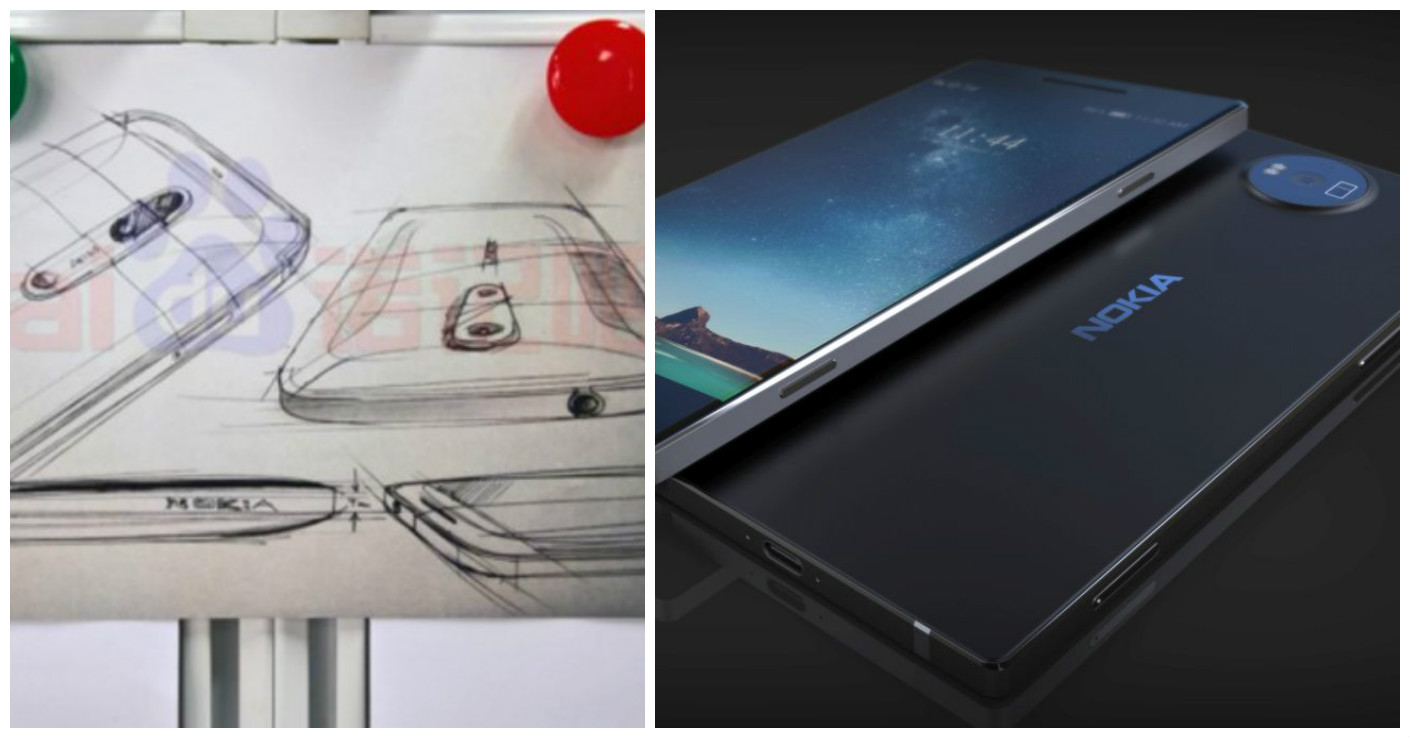
HMD Global is expected to release Nokia 7 and Nokia 8 in mid-range segment after the big reveal of the Nokia 3, Nokia 5, and Nokia 6. We already know that the former will sport the yet-to-be-released Snapdragon 660 processor, and now new sketches have surfaced online showing design and camera details of the two smartphone.

Leaked by a user named Nokibar on Chinese social site Baidu, these sketches show that the Nokia 7 and Nokia 8 both sport Carl Zeiss lenses, something that was absent in Nokia’s previous releases. Also, one sketch shows a dual camera setup, and that is expected to be the Nokia 8, which will be the more premium device of the two. The Nokia 7 will sport a single camera setup at the back.

The Nokia 7 and Nokia 8 will support a fingerprint sensor, and will come with fast charging support as well.

The Qualcomm Snapdragon 660 integration, the chip was expected to be integrated first into a Xiaomi handset, but now things seem a bit different. As per previous leaks, the as-yet-unveiled Qualcomm Snapdragon 660 SoC can have custom Kryo cores just like on Snapdragon 820 or might use a combination of four Cortex-A73 CPUs clocked at 2.2GHZ and four Cortex-A53 CPUs clocked at 1.9GHz. The Snapdragon 660 will reportedly go into mass production in second quarter of 2017 and is expected to power phones from Oppo and Vivo as well.

One smartphone will sport a smaller display with 1080p resolution, while the larger display variant will boast of a QHD display. Both the smartphones are tipped to sport a metallic unibody, and thin bezels.

As a technology lover you may like our daily important technology news series. It’s a playlist and you can retrieve the total day-wise videos. Please consider subscribing our YouTube channel:

Author: Technology Vista
Tagged : / /
Verified by ExactMetrics