
Malaria is a fatal disease claiming a large number of lives every year in different parts of Africa, Latin America and other tropical parts of the world. Researchers have been working around the world, day and night to find a way to combat this dreadful disease. There are medicines available but the best way to fight with this disease is to nip it in the bud that is to make the mosquito unable to carry the fatal parasite Plasmodium which is responsible for spreading this disease. Genetically engineering a mosquito such that it rejects the plasmodium parasite is one way of doing this. Though theoretically, this theory is good enough but when it comes to real world tests, only about 50 percent of the offspring insects will acquire the resistance from its parents.
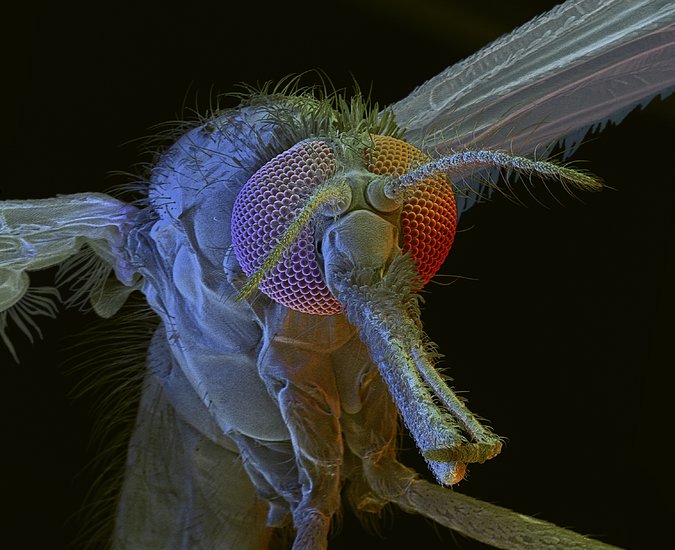
A new technique it seems has come to the rescue. The technique is called “gene driving” and papers claim that it ups the inheritance percentage up to 100 percent. Gene driving is basically a method of manipulating DNA in such a way that it ensures a gene is passed from a parent to its progeny at a rate as close as possible to 100 percent. Scientists used the genome editing CRISPR–Cas9 system to do this. This system allows the researchers to target a particular area on the DNA for cutting and insertion of a mutated gene. In the next step, the same mutation is transferred from one chromosome to another making it mandatory that all offspring inherit at least one copy of the modified gene. The high point is: because all the offspring receive a copy of the mutation, the modified gene can be transmitted quite fast through an entire population in the wild.
As exciting as it may sound, the technique is under much criticism because it clashes with the natural process of evolution by literally altering an entire population which in turn can cause huge side effects on the ecosystem as a whole.
[adinserter block=”7″]

