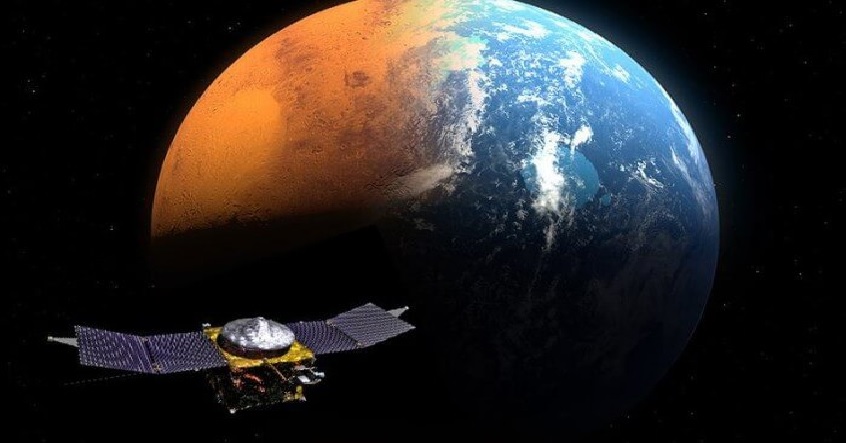
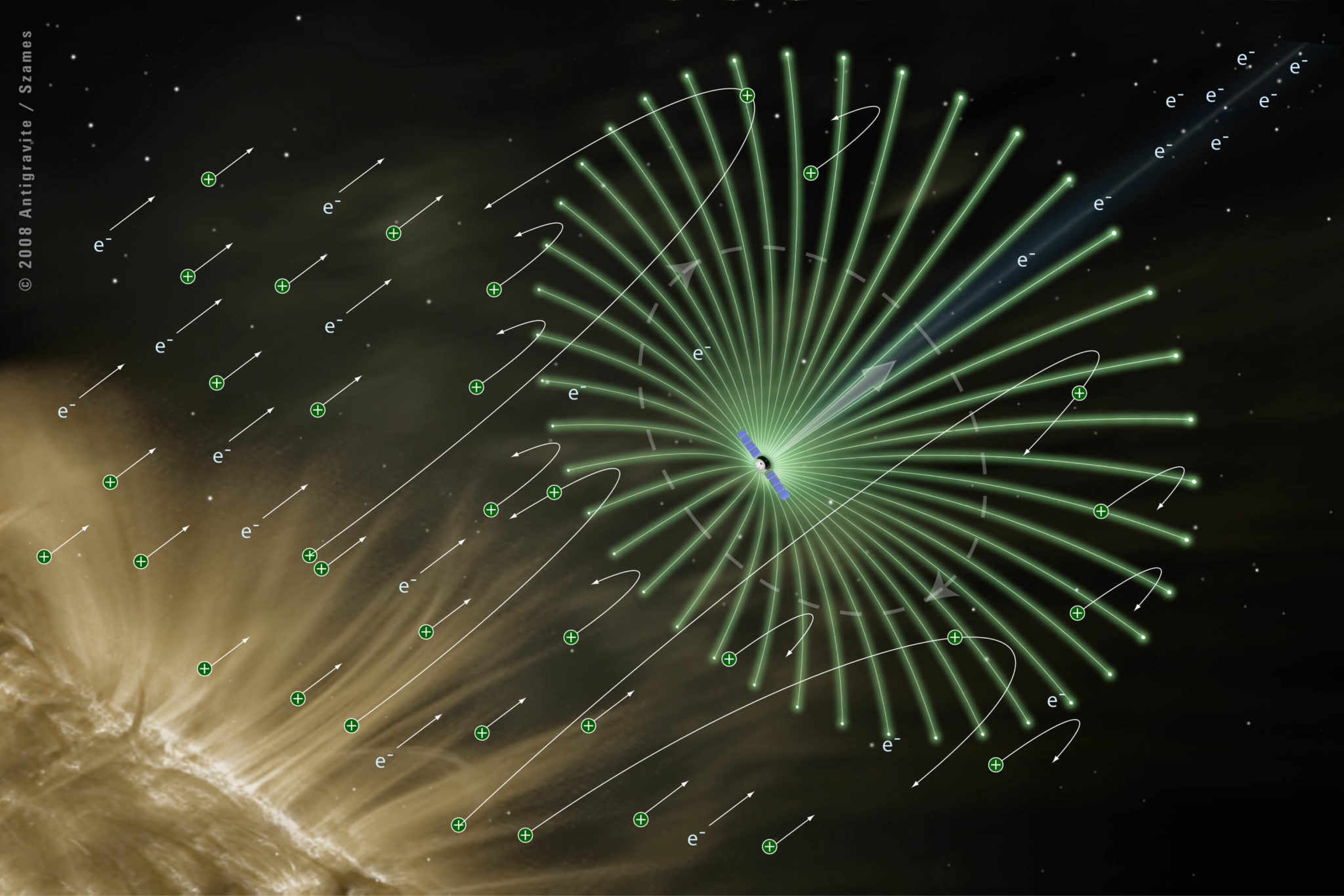
- Propulsion using sun: The SLS derives its power by the combustion of liquid hydrogen and liquid oxygen. But SLS is only meant to carry astronauts out of the orbit of the Earth. But for the purpose of completing the 7-month long journey to the Red planet, it would be very expensive to launch because using rocket fuel to propel a spacecraft requires a large gas tank. So NASA is planning to use the power of Sun to solve this problem. The method (which is being called Solar Electric Propulsion) would move the spacecraft by shooting ions out its rear. Electrons break down xenon gas into plasma, and an electric field accelerates the particles until they shoot the back of the engine at high speeds. Solar power provides the electrons to make it work. It is to be noted that while Solar Electric Propulsion doesn’t provide the humongous thrust of the rocket fuel, it does build up speed slowly, gradually propelling the spacecraft up to 200,000 miles per hour. And ion propulsion is very efficient too, using up to 10 times less propellant than rocket fuel. The technology is real but what needs to do now is to scale it up dramatically. To drive a heavier payload, the ion engines will need to be at least an order of magnitude more powerful.
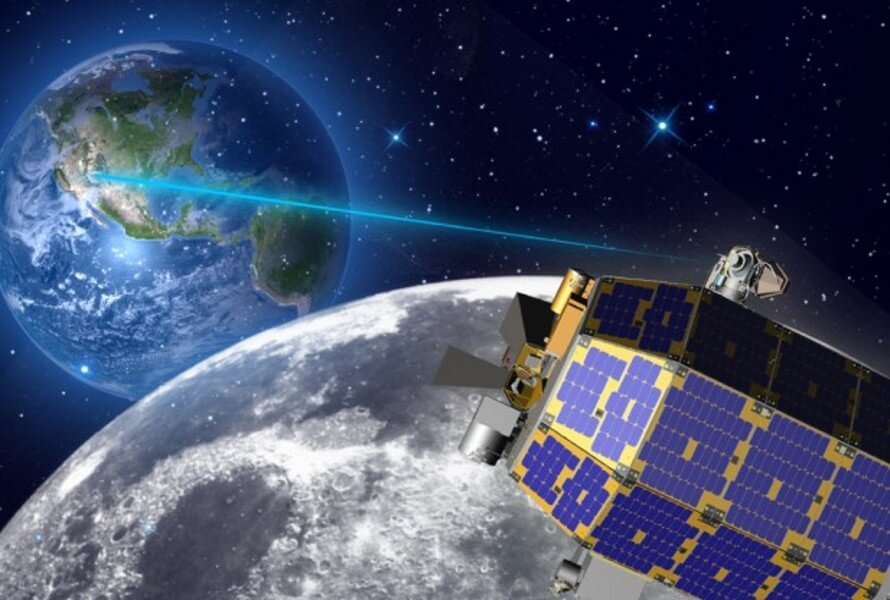
- Beaming lasers: Once astronauts hop on their journey to the Mars, the most important thing for them will be: Communication, as Mars is 33.9 million miles away from Earth even at its closest. So the internet connection needs to be strong enough to aid perpetual touch and communication with the astronauts. NASA’s new report notes that the Mars rovers can send and receive data at a rate of about two million bits per second. By comparison, the International Space Station’s data rate is 300 million bits per second. And in order to navigate to and land on Mars, NASA’s going to need a stronger connection–something on the order of a billion bits per second (1 Gigabit per second). Considering all this, the only solution that NASA considers to be feasible as well as effective is: Lasers! It is to be noted that during a 2013 test, a laser communication system allowed NASA’s Lunar Atmosphere and Dust Environment Explorer (LADEE) to download information at 622 million bits per second. Other designs might be able to send data at a few billion bits per second out to the distance of Saturn but that is yet to be found out.
All these amazing technologies do make us optimistic about the feasibility of the Mission to Mars, but this is also true that these very technologies are going to be quite taxing for NASA in terms of time and money. But if everything turns out as planned then we will surely step onto the Red Planet fully prepared.
As a technology lover you may like our daily important technology news series. It’s a playlist and you can retrieve the total day-wise videos. Please consider subscribing our YouTube channel:
Author: Technology and Beyond
Previous Page
Pages: 1 2

