Are thin people really healthy and fit?

Are thin people really healthy and fit?
Being thin is often seen as a sign of good health and fitness. However, this is not always the case. It is important to remember that weight is just one factor in determining overall health and fitness. Other factors, such as body composition, diet, and exercise habits, also play a role.

Body composition

Body composition is the percentage of fat, muscle, and bone in the body. A healthy body composition for most adults is between 20-25% body fat for men and 25-35% body fat for women. However, these percentages can vary depending on age, sex, and other factors.

It is possible to be thin and have a high body fat percentage. This can happen if someone has a lot of muscle mass or if they have a condition such as sarcopenic obesity, which is a loss of muscle mass that can occur with age.

On the other hand, it is also possible to be thin and have a low body fat percentage. This can happen if someone has a naturally low body fat percentage or if they exercise regularly and eat a healthy diet.

Diet and exercise habits

Diet and exercise habits are also important factors in determining overall health and fitness. It is possible to be thin and have unhealthy diet and exercise habits. For example, someone who is thin may eat a lot of processed foods and sugary drinks and may not exercise regularly.

On the other hand, it is also possible to be thin and have healthy diet and exercise habits. For example, someone who is thin may eat a balanced diet and exercise regularly.

So, are thin people really healthy and fit?

The answer is that it depends. It is important to consider body composition, diet, and exercise habits when determining whether or not someone is healthy and fit. Just because someone is thin does not mean that they are healthy and fit.

How to stay healthy and fit

The best way to stay healthy and fit is to eat a balanced diet and exercise regularly. A balanced diet includes a variety of fruits, vegetables, whole grains, and lean protein. Exercise should include both cardio and strength training.

It is also important to get enough sleep and to manage stress. When you are well-rested and stress-free, you are more likely to have a healthy body composition and to make healthy choices.

If you are concerned about your health or fitness, talk to your doctor. They can help you to assess your individual needs and to develop a plan for staying healthy and fit.
Tagged : / / / / /

30-30-30 Rule : The Easy Way to Effective Weight Loss

30-30-30 Rule: The Easy Way to Effective Weight Loss
The 30-30-30 rule is a simple but effective approach to weight loss. It is based on the idea that weight loss is a holistic process that involves three key factors: nutrition, exercise, and mindfulness.

Nutrition

The first 30% of the rule focuses on nutrition. This means eating a healthy diet that is low in processed foods and high in whole foods, fruits, vegetables, and lean protein. It is also important to reduce your calorie intake by 30%. You can do this by eating smaller portions, choosing healthy snacks, and avoiding sugary drinks.

Exercise

The second 30% of the rule focuses on exercise. Aim for at least 30 minutes of moderate-intensity exercise most days of the week. This could include walking, running, biking, swimming, or strength training.

Mindfulness

The third 30% of the rule focuses on mindfulness. This means paying attention to your body and your eating habits. It is also important to be mindful of your stress levels and to find healthy ways to cope with stress.

Tips for following the 30-30-30 rule:

Nutrition

  • Eat plenty of fruits, vegetables, and whole grains.
  • Choose lean protein sources, such as chicken, fish, beans, and tofu.
  • Limit processed foods, sugary drinks, and unhealthy fats.
  • Reduce your calorie intake by 30%.

Exercise

  • Aim for at least 30 minutes of moderate-intensity exercise most days of the week.
  • Choose activities that you enjoy and that fit into your lifestyle.
  • Start slowly and gradually increase the intensity and duration of your workouts over time.

Mindfulness

  • Pay attention to your body and your eating habits.
  • Eat slowly and savor your food.
  • Avoid distractions while eating, such as TV and phones.
  • Find healthy ways to cope with stress, such as exercise, yoga, or meditation.                                                                                                                                      The 30-30-30 rule is a sustainable approach to weight loss that can help you to lose weight and keep it off. It is important to be patient and consistent with your efforts. With time and effort, you can achieve your weight loss goals and improve your overall health.

Here are some additional tips for following the 30-30-30 rule:

  • Make a plan. Decide what you are going to eat and how much exercise you are going to get each day.
  • Track your progress. Keep a food journal and exercise log to track your progress and stay motivated.
  • Find a support system. Having friends or family members who are also trying to lose weight can help you to stay on track.
  • Don’t give up. Everyone has setbacks from time to time. Just pick yourself up and keep going.

    If you have any underlying health conditions, be sure to talk to your doctor before starting any new diet or exercise program.

Tagged : / / / /

Should You Consume Protein Powders ? Benefits And Side Effects Of Protein Powders!

Should You Consume Protein Powders ? Benefits And Side Effects Of Protein Powders!
Protein powders are a popular supplement used by athletes, bodybuilders, and people who simply want to increase their protein intake. But are protein powders really good? Should you consume these powders? And what are their side effects?

What are protein powders?

Protein powders are concentrated sources of protein that are made from a variety of sources, including whey, casein, soy, pea, and hemp. They are typically available in powder form and can be mixed with water, milk, or juice to create a shake.

Benefits of protein powders

Protein powders offer a number of potential benefits, including:

1. Increased muscle mass and strength: Protein is essential for building and repairing muscle tissue. Protein powders can help athletes and bodybuilders build muscle mass and strength more quickly.

2. Weight loss: Protein can help you feel fuller longer and reduce your overall calorie intake. This can lead to weight loss over time.

3. Improved recovery: Protein can help your body recover from exercise more quickly. This is important for athletes and people who exercise regularly.

4. Increased energy levels: Protein can help to increase your energy levels and reduce fatigue.

Side effects of protein powders

Protein powders are generally safe for most people when consumed in moderation. However, there are some potential side effects, including:

Digestive problems: Protein powders can cause digestive problems such as bloating, gas, and diarrhea, especially in people who are lactose intolerant.

Kidney problems: Consuming too much protein can put a strain on your kidneys. People with pre-existing kidney problems should be especially careful when consuming protein powders.

Allergic reactions: Protein powders can cause allergic reactions in some people. If you experience any symptoms of an allergic reaction, such as hives, difficulty breathing, or swelling of the face or throat, stop taking the protein powder and seek medical attention immediately.

Should you consume protein powders?

Whether or not you should consume protein powders depends on your individual needs and goals. If you are an athlete, bodybuilder, or someone who exercises regularly, protein powders may be a good way to increase your protein intake. However, it is important to note that you can also get protein from whole foods, such as meat, poultry, fish, eggs, beans, and dairy products.

If you are considering consuming protein powders, it is important to talk to your doctor first. They can help you determine if protein powders are right for you and how much to consume safely.

Tips for consuming protein powders safely

If you do decide to consume protein powders, here are some tips to help you do so safely:

  • Start with a small dose and increase gradually to avoid digestive problems.
  • Choose a protein powder that is from a reputable brand.
  • Read the label carefully and follow the dosage instructions.
  • Drink plenty of water throughout the day.
  • Talk to your doctor if you have any pre-existing health conditions, such as kidney problems or a lactose intolerance.                                                                                                                                                                                                              Conclusion

Protein powders can be a safe and effective way to increase your protein intake, especially if you are an athlete, bodybuilder, or someone who exercises regularly. However, it is important to talk to your doctor first to make sure that protein powders are right for you and how much to consume safely.

Tagged : / / / / /

5 Ways You Can Eat Fenugreek Seeds And Lose Weight

5 Ways You Can Eat Fenugreek Seeds And Lose Weight
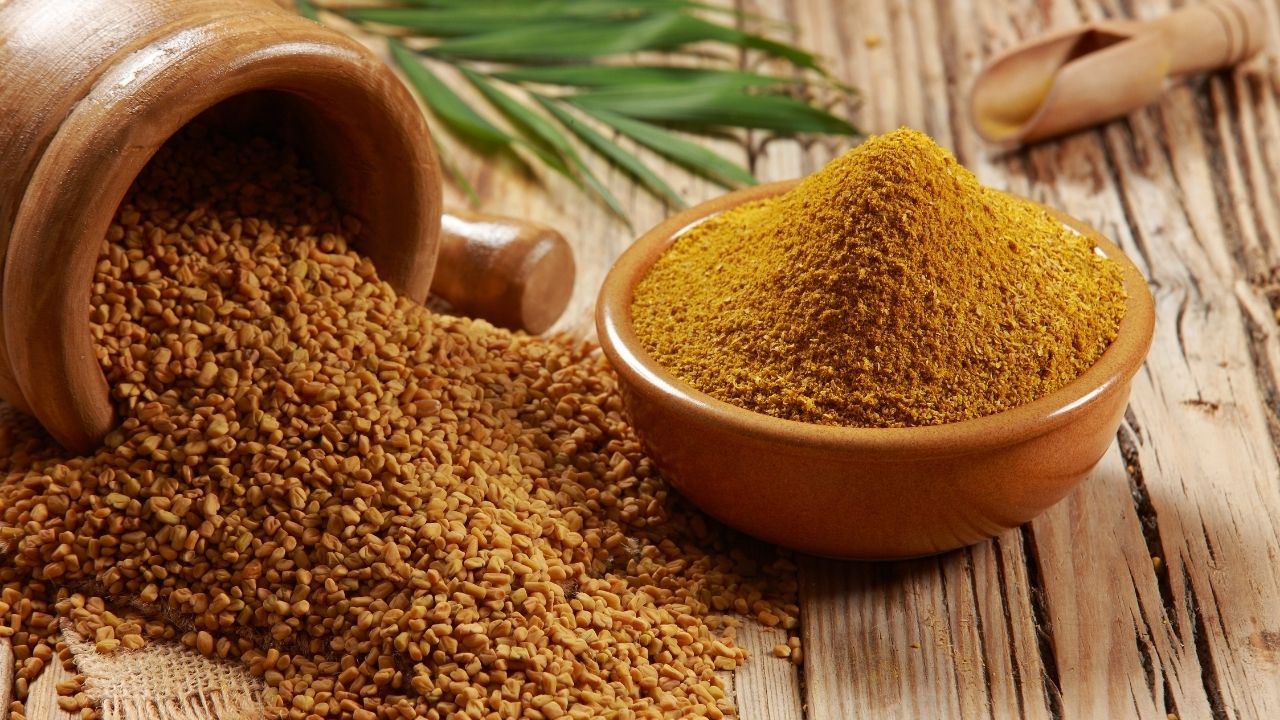
Fenugreek seeds, also known as methi seeds, are a popular spice used in Indian cuisine. They have a nutty flavor and a slightly bitter taste. Fenugreek seeds are also known for their many health benefits, including weight loss.

Fenugreek seeds are a good source of fiber, which can help you feel full and satisfied after eating. They also contain galactomannan, a type of fiber that can help to slow down digestion and absorption of carbohydrates. This can help to reduce blood sugar levels and prevent spikes in insulin, which can lead to weight gain.

Fenugreek seeds also contain compounds that can help to boost metabolism and promote fat burning. One study found that people who took fenugreek extract for eight weeks lost significantly more weight and body fat than those who took a placebo.

Another study found that fenugreek seeds can help to reduce cholesterol levels. High cholesterol levels are a risk factor for heart disease, so lowering them can help to improve your overall health and well-being.

Here are five ways to eat fenugreek seeds for weight loss:

1. Soak them overnight and drink the water in the morning : This is a popular way to consume fenugreek seeds in India. To do this, simply soak 1-2 teaspoons of fenugreek seeds in a glass of water overnight. Strain the water in the morning and drink it on an empty stomach.

2. Add them to your yogurt or smoothie : Fenugreek seeds can be ground into a powder and added to your yogurt or smoothie in the morning. This is a great way to add fenugreek seeds to your diet without having to change your taste buds.

3. Sprinkle them on your food:  Fenugreek seeds can be sprinkled on top of your soup, salad, or other dishes. This is a great way to add a bit of extra flavor and nutrition to your meals.

4. Use them in your cooking : Fenugreek seeds can be used in a variety of dishes, such as curries, soups, and stews. They can also be used to make a delicious fenugreek tea.

5. Take them as a supplement : Fenugreek seeds are available in capsule form, which can be a convenient way to consume them. However, it is important to talk to your doctor before taking any supplements, especially if you have any underlying health conditions.

Tips for eating fenugreek seeds

  • Start with a small amount of fenugreek seeds and gradually increase the amount as tolerated. Fenugreek seeds can cause digestive side effects, such as gas and bloating, in some people.
  • If you are taking any medications, talk to your doctor before consuming fenugreek seeds. Fenugreek seeds can interact with certain medications, such as blood thinners and diabetes medications.
  • Fenugreek seeds are not safe for pregnant or breastfeeding women.                                                                                                                                              Conclusion
Fenugreek seeds are a healthy and nutritious food that can be consumed in a variety of ways. They are a good source of fiber and contain compounds that can help to boost metabolism and promote fat burning. Fenugreek seeds can be a helpful addition to your weight loss journey.

Tagged : / / / /

5 Bedtime Habits That Are Causing Weight Gain For You

5 Bedtime Habits That Are Causing Weight Gain For You
Getting enough sleep and having healthy bedtime habits are essential for weight loss. When you don’t get enough sleep or have unhealthy bedtime habits, it can disrupt your hormones and make it harder to lose weight.

Here are five bedtime habits that can sabotage your weight loss efforts:

1. Late-night snacking

Many people who are trying to lose weight find themselves tempted to snack late at night. This is because hunger hormones tend to be higher at night, and it can be harder to resist temptation when you’re tired. The problem with late-night snacking is that your body doesn’t have enough time to burn off the calories before you go to sleep. This can lead to weight gain over time. If you find yourself hungry late at night, try to choose healthy snacks that are low in calories and sugar. Some good options include fruits, vegetables, nuts, and yogurt.

2. Using electronic devices in bed

The blue light emitted from electronic devices can interfere with sleep. Blue light suppresses the production of melatonin, a hormone that helps to regulate sleep. When you don’t get enough sleep, it can disrupt your hormones and make it harder to lose weight. Getting enough sleep is also important for overall health and well-being. To avoid interfering with your sleep, try to avoid using electronic devices in the hour before bed. If you must use electronic devices at night, try to use them in a dimly lit room and wear blue light blocking glasses.

3. Irregular sleep schedule

Going to bed and waking up at different times each day can disrupt your circadian rhythm, which is your body’s natural sleep-wake cycle. When your circadian rhythm is disrupted, it can lead to weight gain and other health problems. Try to go to bed and wake up at the same time each day, even on weekends. This will help to regulate your circadian rhythm and improve your sleep quality.

4. High-carb evening meals

Eating a high-carb meal in the evening can lead to weight gain. This is because carbohydrates are converted into glucose, which is a type of sugar. When you eat a high-carb meal in the evening, your blood sugar levels will spike. This can lead to cravings for unhealthy foods and make it harder to resist temptation. To avoid weight gain, try to eat a balanced meal at dinner that includes plenty of protein and vegetables. Avoid eating large amounts of carbohydrates, such as bread, pasta, and rice, in the evening.

5. Inadequate hydration

Dehydration can lead to weight gain and other health problems. When you’re dehydrated, your body may hold on to water weight. Try to drink plenty of fluids throughout the day, including water, unsweetened tea, and coffee. Avoid sugary drinks, such as soda and juice.

Conclusion
By avoiding these five bedtime habits, you can improve your sleep quality and boost your weight loss efforts. Getting enough sleep and having healthy bedtime habits are essential for overall health and well-being.

Tagged : / / / /

How you can prevent weight gain by switching the type of carbohydrates you eat

How you can prevent weight gain by switching the type of carbohydrates you eat
Carbohydrates are one of the three macronutrients that our bodies need for energy. However, not all carbs are created equal. Some carbs are more likely to lead to weight gain than others.

Refined carbohydrates, such as white bread, white rice, and sugary cereals, are quickly digested and absorbed into the bloodstream. This can lead to a spike in blood sugar levels, followed by a crash. This blood sugar roller coaster ride can make you feel hungry and tired, and can also lead to weight gain over time.

Complex carbohydrates, on the other hand, are digested and absorbed more slowly. This helps to keep blood sugar levels stable and provides you with sustained energy. Complex carbohydrates are also typically higher in fiber, which can help you feel full and satisfied after eating.

If you are trying to prevent weight gain, it is important to switch to complex carbohydrates. Here are some tips:

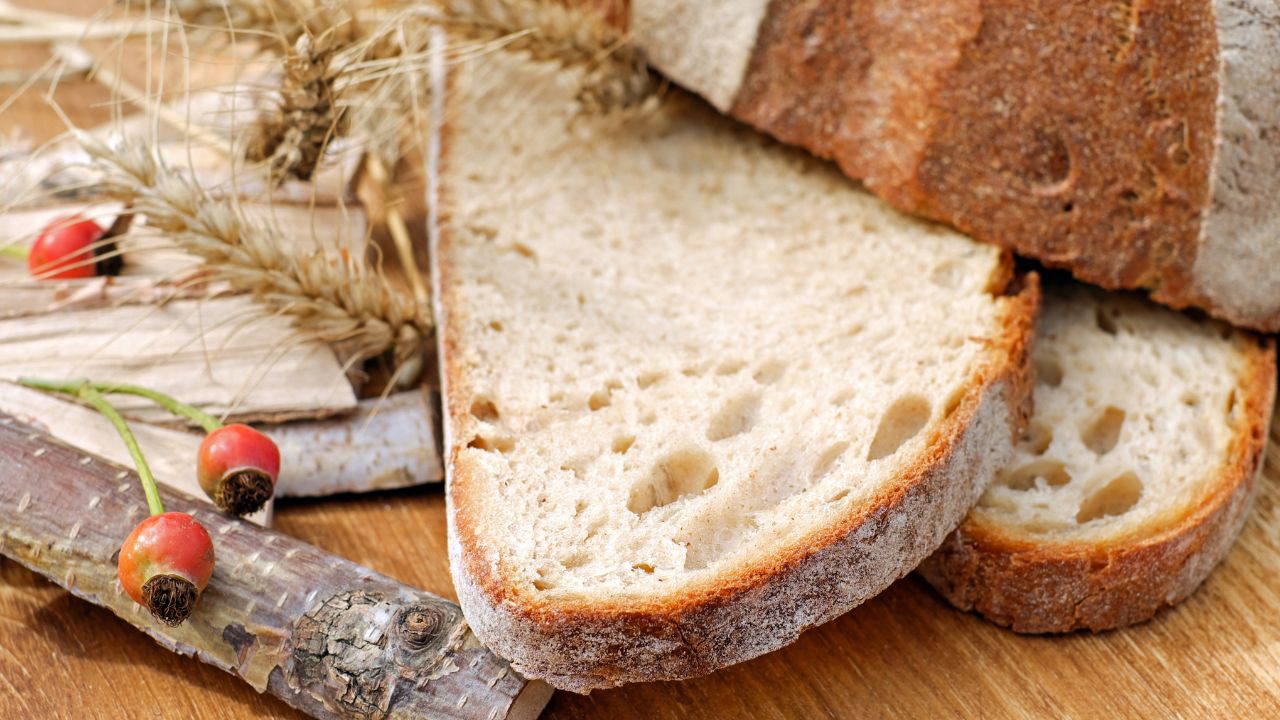
1.Choose whole grains over refined grains. Whole grains are a good source of fiber and other nutrients. Examples of whole grains include oats, brown rice, quinoa, and whole-wheat bread and pasta.

2.Eat plenty of fruits and vegetables. Fruits and vegetables are low in calories and high in nutrients, including fiber. Aim to eat at least five servings of fruits and vegetables per day.

3.Limit sugary drinks. Sugary drinks are high in calories and low in nutrients. Instead of sugary drinks, water, unsweetened tea, and coffee are all good choices.

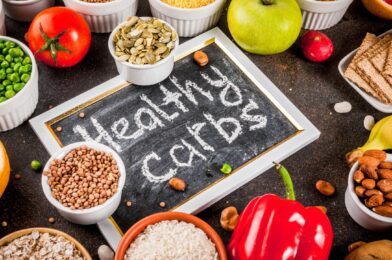
These are some examples of healthy carb choices:

  • Whole grains: oats, brown rice, quinoa, whole-wheat bread and pasta
  • Fruits and vegetables: apples, bananas, berries, broccoli, carrots, leafy greens, tomatoes
  • Legumes: beans, lentils, peas

If you are wondering then let us list down some unhealthy carbohydrate choices

  • Refined grains: white bread, white rice, sugary cereals
  • Starchy vegetables: potatoes, corn, peas
  • Sugary drinks: soda, juice, sports drinks

Follow these for switching to complex carbohydrates:

Start by making small changes For example, you could switch to whole-wheat bread instead of white bread, or eat brown rice instead of white rice.
Experiment with different complex carbohydrates to find ones that you enjoy. There are many different types of complex carbohydrates available, so you are sure to find some that you like.
Make sure to include a variety of complex carbohydrates in your diet. This will help you to get all of the nutrients that you need.
Switching to complex carbohydrates can help you to prevent weight gain by keeping your blood sugar levels stable and providing you with sustained energy. It can also help you to feel full and satisfied after eating, which can help you to eat less overall.

If you have any questions or concerns about switching to complex carbohydrates, be sure to talk to your doctor or a registered dietitian.

Tagged : / / / / /

Drug that mimics exercise triggers weight loss and builds lean muscle

Drug that mimics exercise triggers weight loss and builds lean muscle
Exercise is one of the best things you can do for your overall health and well-being. It helps you lose weight, build muscle, reduce your risk of chronic diseases, and improve your mood and energy levels. However, for many people, exercise can be difficult to find time for or impossible due to health conditions.

That’s where exercise mimetics come in. Exercise mimetics are drugs that mimic the effects of exercise on the body without the need to actually exercise. They work by targeting the same molecular pathways that are activated during exercise, such as those involved in fat metabolism and muscle growth.

One promising exercise mimetic is a drug called SLU-PP-332. In a recent study, researchers at the University of Florida found that SLU-PP-332 was able to promote weight loss and build lean muscle in obese mice without any changes to diet or exercise.

SLU-PP-332 works by activating a specific estrogen-related receptor (ERR) in skeletal muscle. ERRs are proteins that play a role in regulating metabolism and muscle growth. When SLU-PP-332 activates ERRs, it triggers a cascade of events that lead to increased fat burning and muscle building.

In the mouse study, mice that were given SLU-PP-332 twice a day for a month lost 12% of their body weight and gained 10 times less fat than mice in the control group. They also showed significant increases in lean muscle mass and muscle strength.

The researchers were very excited about the results of the study, as they suggest that SLU-PP-332 could be a safe and effective way to help people lose weight and build muscle without having to exercise. However, more research is needed to confirm the safety and efficacy of SLU-PP-332 in humans.

Another promising exercise mimetic is a drug called bexarotene. Bexarotene is currently approved by the FDA to treat cutaneous T-cell lymphoma (CTCL), a type of skin cancer. However, researchers have also found that bexarotene has exercise mimetic effects.

In a study published in the journal Cell Metabolism, researchers found that bexarotene was able to promote weight loss and build muscle in obese mice without any changes to diet or exercise. Bexarotene also improved the metabolic health of the mice, reducing their blood sugar levels and cholesterol levels.

Bexarotene is a more potent drug than SLU-PP-332, and it has some serious side effects, such as liver toxicity. However, researchers are working to develop safer and more effective exercise mimetics that can be used to treat obesity and other chronic diseases.

Exercise mimetics are still in their early stages of development, but they have the potential to revolutionize the way we treat obesity and other chronic diseases. If exercise mimetics are proven to be safe and effective in humans, they could provide a valuable new tool for helping people lose weight, build muscle, and improve their overall health.

Potential benefits of exercise mimetics

1. Weight loss: Exercise mimetics can help people lose weight by increasing their metabolic rate and promoting fat burning.

2. Muscle building: Exercise mimetics can help people build muscle by stimulating muscle growth and repair.

3. Improved metabolic health: Exercise mimetics can improve metabolic health by reducing blood sugar levels, cholesterol levels, and other risk factors for chronic diseases.

4. Reduced risk of chronic diseases: Exercise mimetics may help to reduce the risk of chronic diseases such as obesity, diabetes, heart disease, and cancer.

5. Improved cardiovascular health: Exercise mimetics may help to improve cardiovascular health by increasing blood flow and reducing inflammation.

6. Improved bone health: Exercise mimetics may help to improve bone health by increasing bone density and reducing the risk of fractures.

7. Improved mood and energy levels: Exercise mimetics may help to improve mood and energy levels by reducing stress and promoting the release of endorphins.

Potential drawbacks of exercise mimetics

1. Side effects: Exercise mimetics may have side effects, depending on the specific drug. Some potential side effects include liver toxicity, muscle pain, and fatigue.

2. Safety: Exercise mimetics are still in their early stages of development, and their long-term safety is unknown.

3. Cost: Exercise mimetics are likely to be expensive drugs, especially if they are used for long-term treatment.

4. Not a substitute for exercise: Exercise mimetics should not be seen as a substitute for exercise. Exercise has many benefits that cannot be replicated by drugs, such as improved cardiovascular health, reduced stress levels, and stronger social connections.

Tagged : / / / /

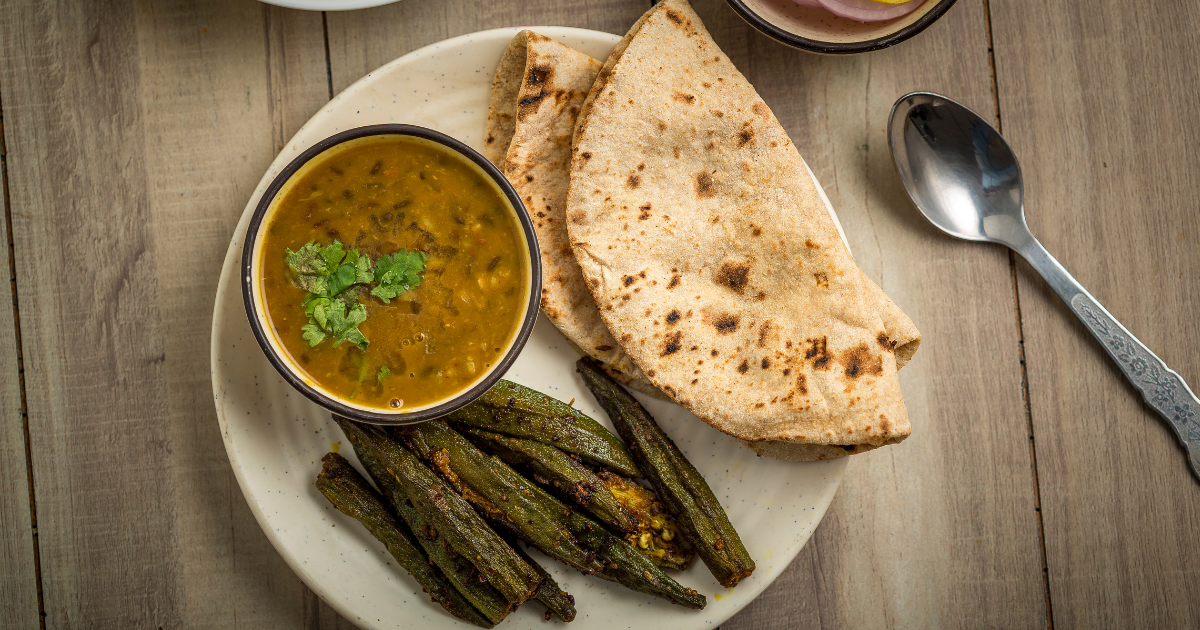
6 Vegetarian no-oil recipes for weight loss

6 Vegetarian no-oil recipes for weight loss
If you’re trying to lose weight, you may be looking for healthy and delicious vegetarian recipes that are also low in oil. Here are 10 vegetarian no-oil recipes that are perfect for weight loss:

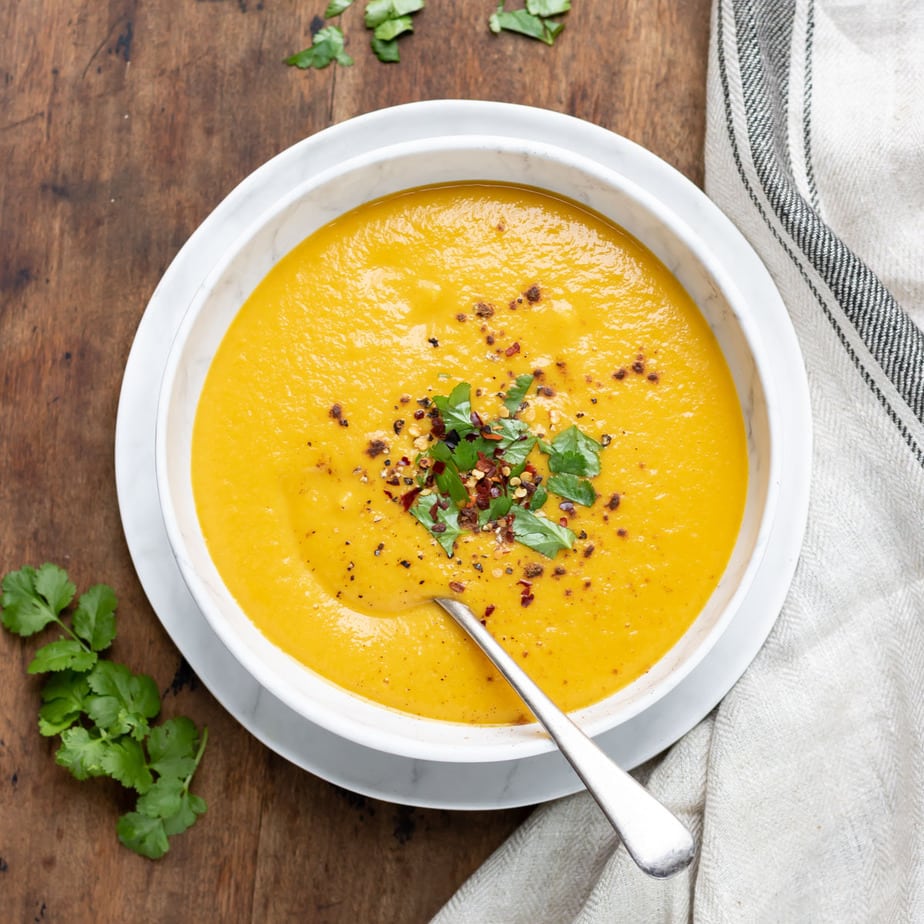
1. Lentil soup


Lentil soup is a hearty and nutritious soup that is perfect for a cold day. It is also a great source of protein and fiber, making it a good choice for weight loss.

To make lentil soup without oil, simply cook the lentils in vegetable broth instead of water. You can also add other vegetables to the soup, such as carrots, celery, and onions.

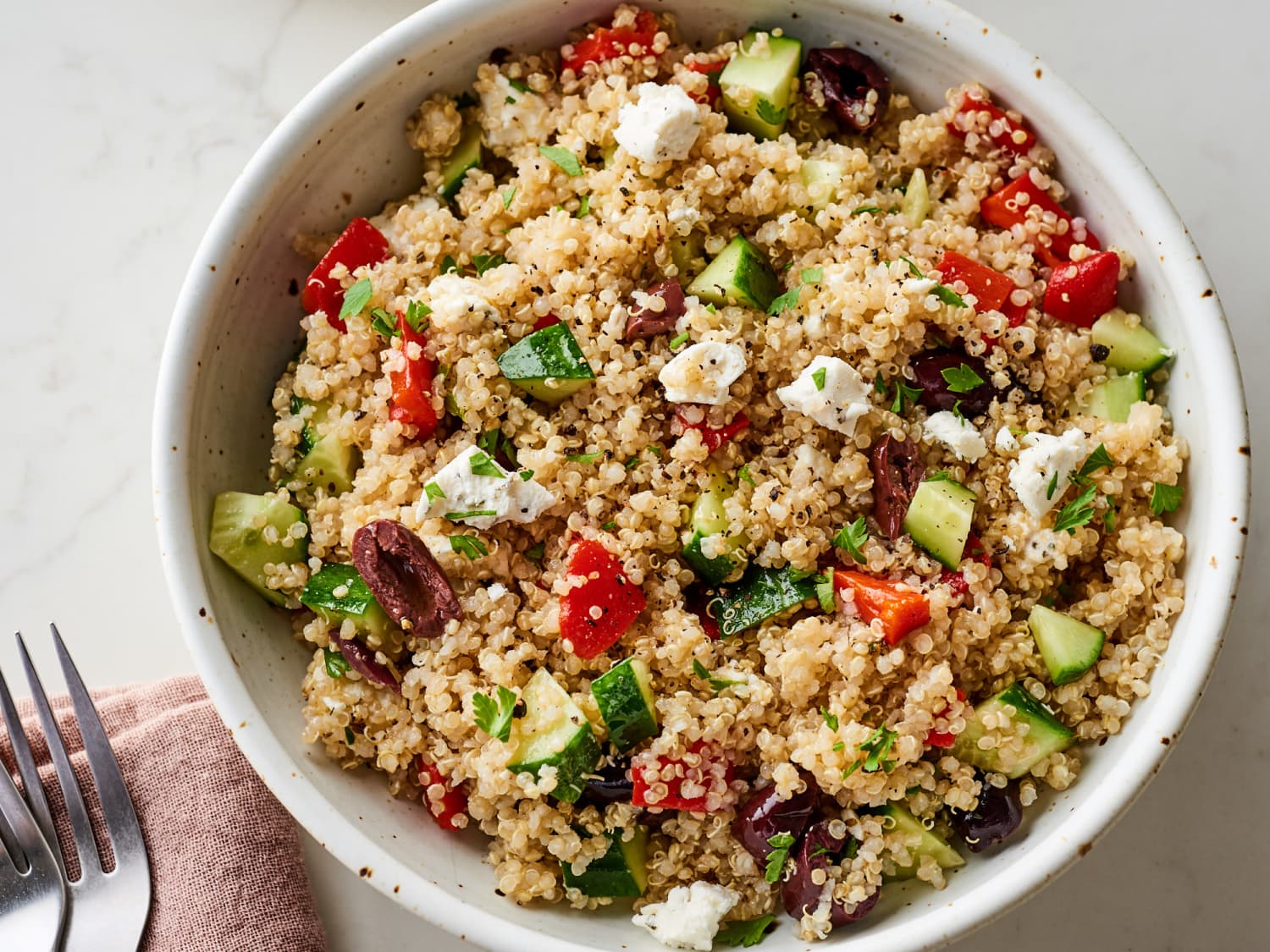
2. Quinoa salad


Quinoa salad is a light and refreshing salad that is perfect for a summer lunch. It is also a good source of protein and fiber, making it a good choice for weight loss.

To make quinoa salad without oil, simply cook the quinoa according to package directions. Once the quinoa is cooked, add your favorite vegetables and a vinaigrette dressing.

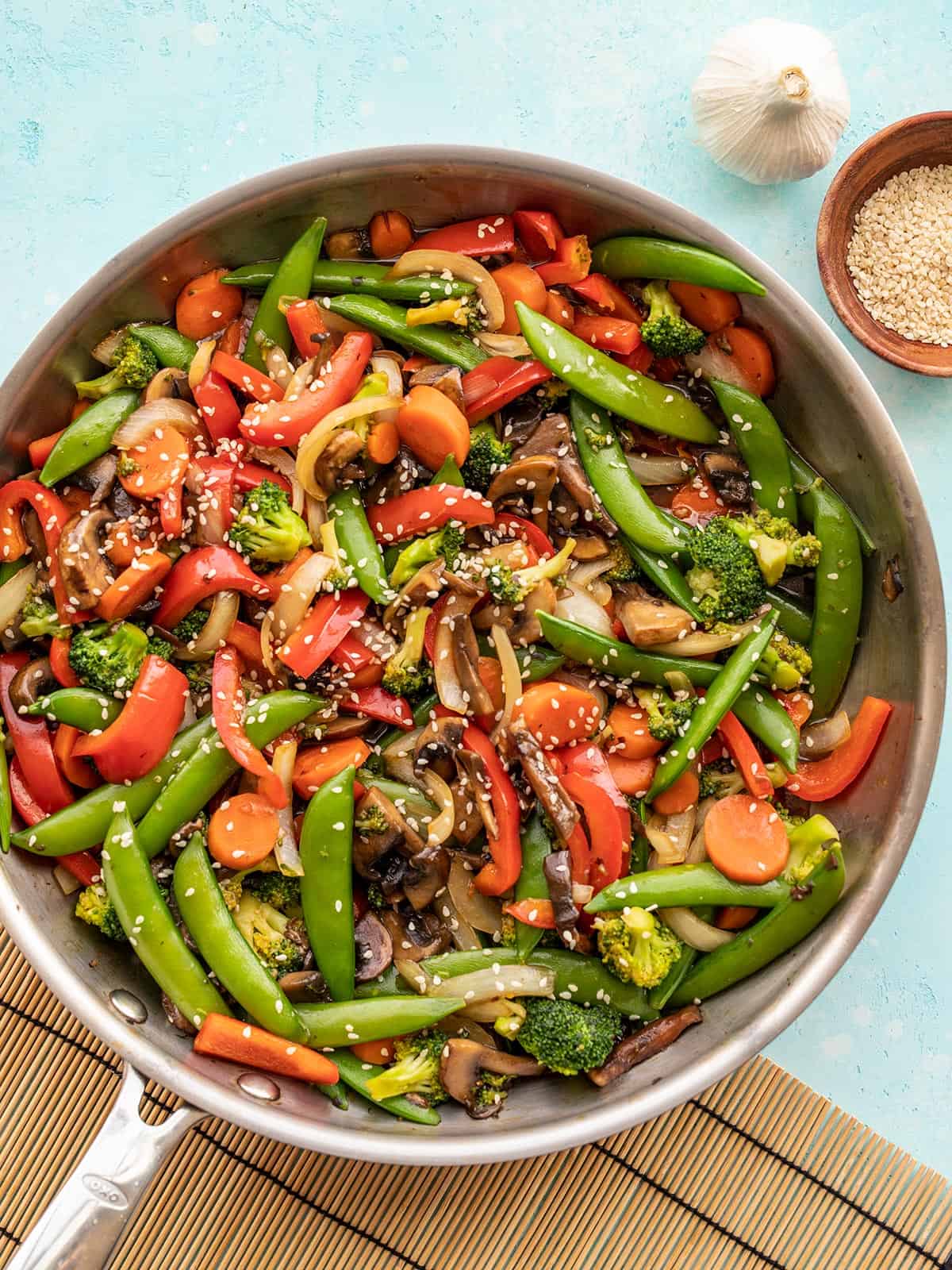
3. Vegetable stir-fry


Vegetable stir-fry is a quick and easy meal that is perfect for a busy weeknight. It is also a good source of vitamins and minerals, making it a good choice for weight loss.

To make vegetable stir-fry without oil, simply stir-fry your favorite vegetables in a non-stick pan. You can also add tofu or tempeh to the stir-fry for a protein boost.

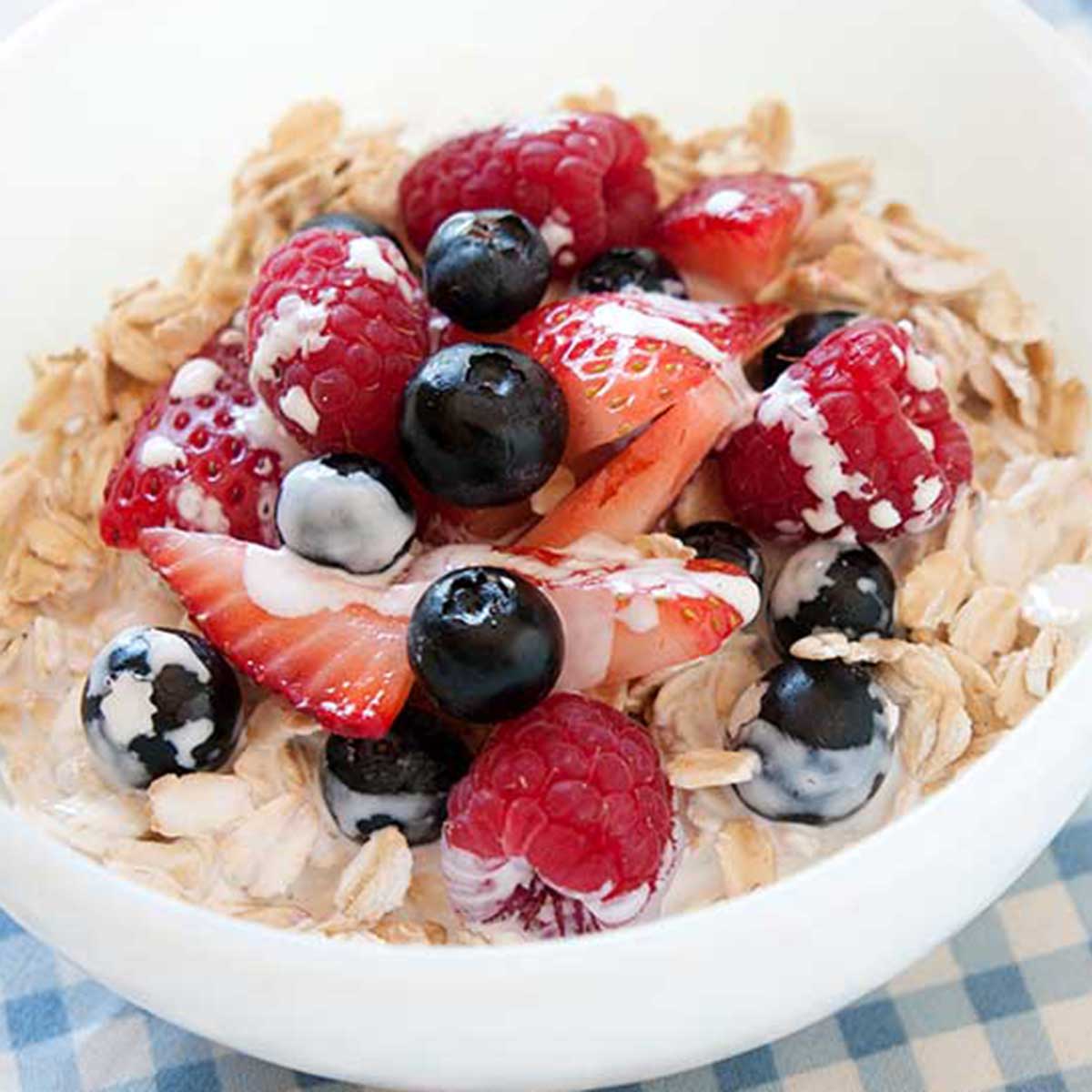
4. Oatmeal with berries


Oatmeal with berries is a healthy and delicious breakfast option that is also low in oil. It is also a good source of fiber and protein, making it a good choice for weight loss.

To make oatmeal with berries without oil, simply cook the oatmeal according to package directions. Once the oatmeal is cooked, add your favorite berries and a drizzle of honey or maple syrup.

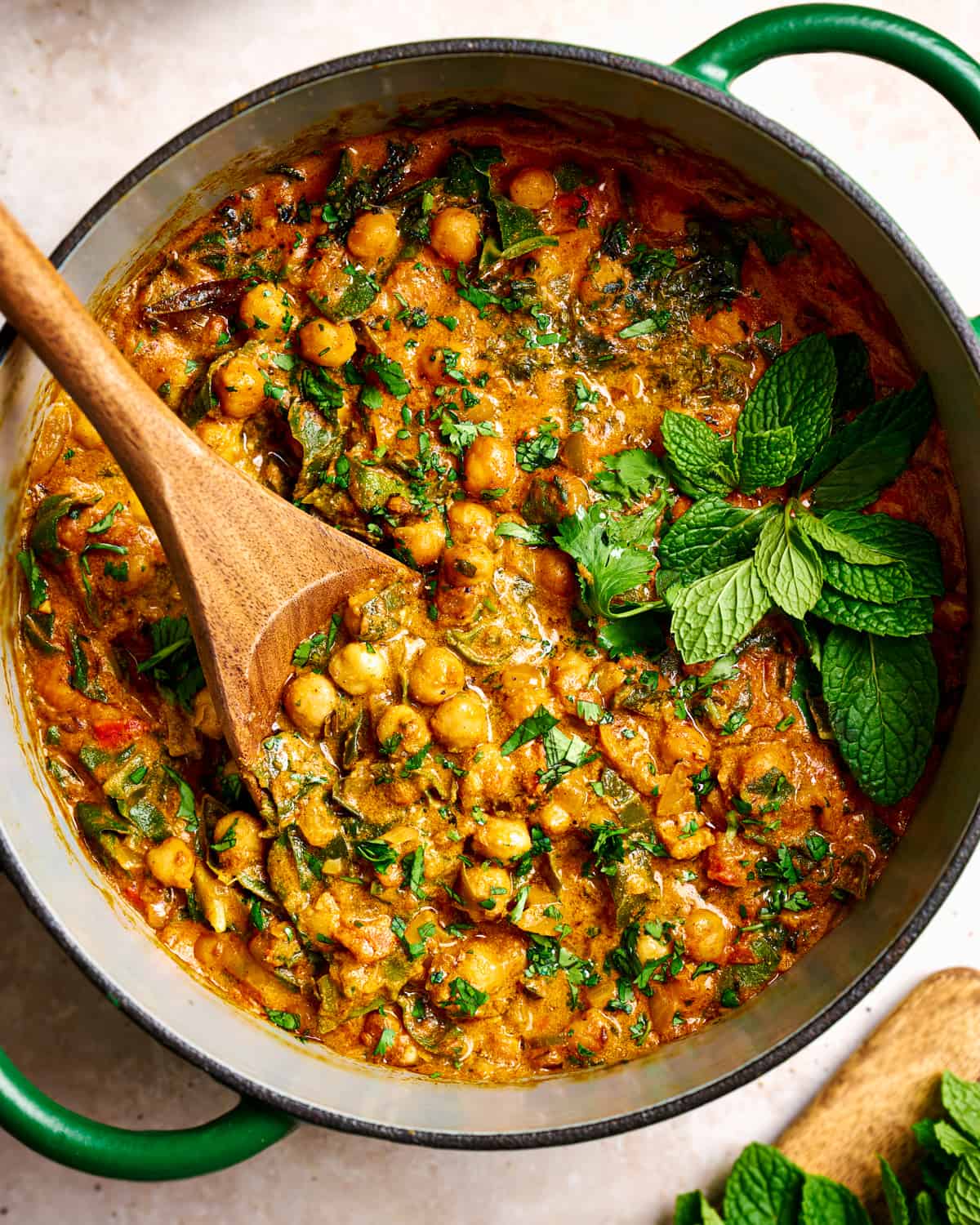
5. Chickpea curry


Chickpea curry is a flavorful and healthy curry that is also low in oil. It is also a good source of protein and fiber, making it a good choice for weight loss.

To make chickpea curry without oil, simply cook the chickpeas in vegetable broth instead of water. You can also add other vegetables to the curry, such as carrots, potatoes, and tomatoes.

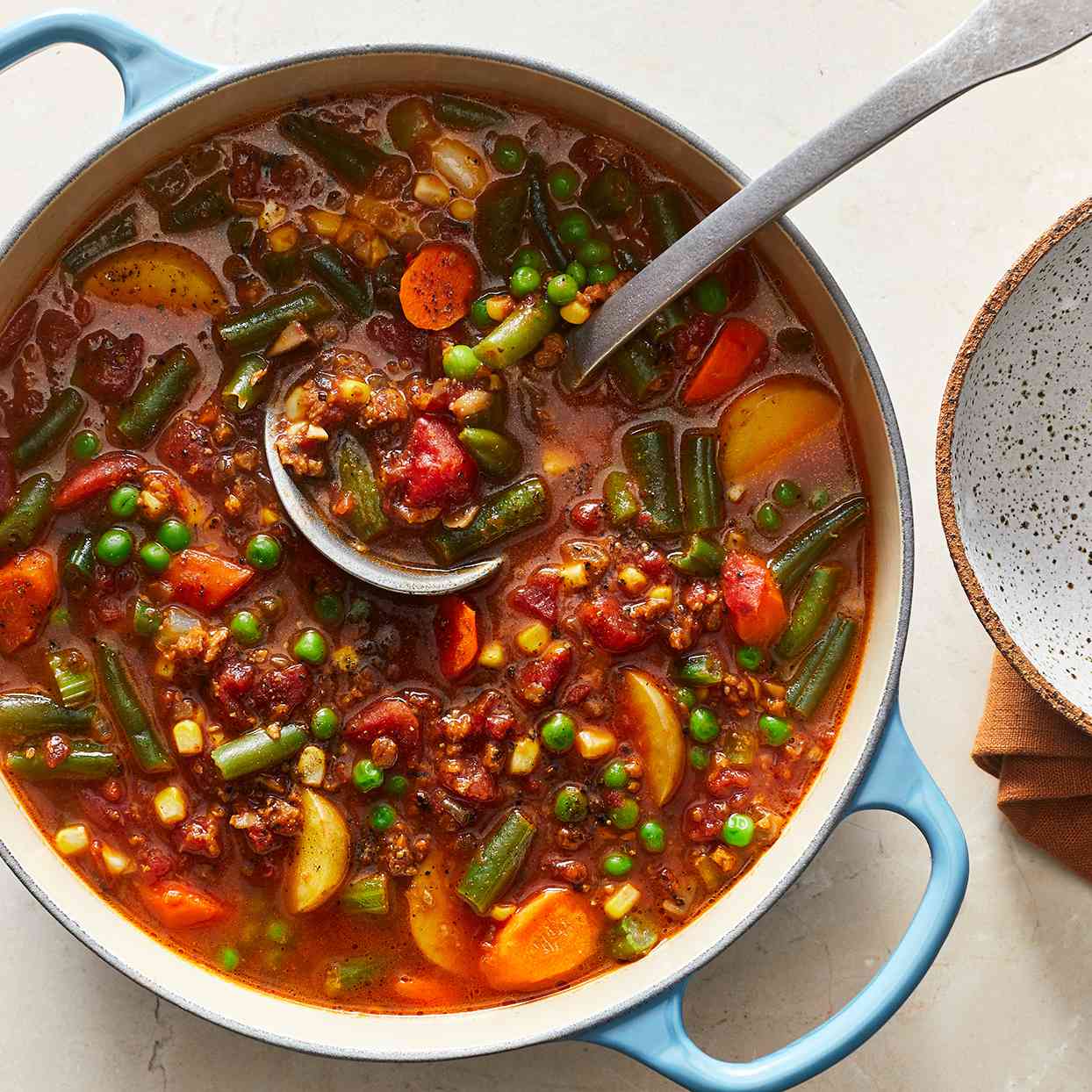
6. Vegetable soup


Vegetable soup is a healthy and delicious soup that is also low in oil. It is also a good source of vitamins and minerals, making it a good choice for weight loss.

To make vegetable soup without oil, simply cook the vegetables in vegetable broth instead of water. You can also add other vegetables to the soup, such as carrots, celery, and onions.

These are just a few of the many delicious and healthy vegetarian no-oil recipes that are perfect for weight loss. With a little creativity, you can easily create your own healthy and delicious meals

Tagged : / / / / / /

5 Amazing Reasons Why You Should Eat Roasted Chana Everyday!

5 Amazing Reasons Why You Should Eat Roasted Chana Everyday!
Roasted chana, also known as roasted chickpeas, is a popular snack food in India and other parts of the world. It is made by roasting chickpeas until they are golden brown and crunchy. Roasted chana is a healthy snack food that is packed with nutrients. Our elders or grandparents always loved eating this handy snack and there are strong reasons for this. We will tell you about 5 of these reasons.

1. Promotes Heart Health
In Hindi, Chana Dal is referred to as split Bengal gramme, and it is renowned for its ability to support heart health. Because it contains a significant amount of antioxidants, chana dal helps reduce inflammation and protects blood vessels from the damage that is produced by free radicals. Because it is a very good source of folic acid, chana dal is beneficial for lowering levels of homocysteine, reducing the risk of blood clots, and preventing the hardening of arteries. The magnesium included in chana dal is an effective way to relax your blood vessels, which in turn helps regulate the rate at which your heart beats.

2. Weight loss
Roasted chana is a low-calorie snack food that is high in fiber. Fiber helps you feel full after eating, which can help you eat less overall. Roasted chana is also a good source of protein, which can help you build and maintain muscle mass.

3. Blood sugar control
Roasted chana is a good source of complex carbohydrates, which are slowly digested and absorbed into the bloodstream. This helps to keep your blood sugar levels stable. Roasted chana is also a good source of fiber, which can help to slow down the absorption of sugar into the bloodstream. This is why it is a good choice of snacks for diabetics.

4. Encourages the Growth of Strong Hair
If you desire good hair, you should incorporate soaked chana into your diet. If you are concerned about the state of your hair’s health, eating soaked chana, which is packed with essential vitamins and minerals such as vitamin A, B6, zinc, and manganese, will unquestionably be of assistance. Chana, when consumed on a regular basis after being soaked, has also been found to help prevent premature ageing of the hair.

5. Helps get rid of Iron Deficiency
The creation of red blood cells, along with other aspects of health such as physical development, cognitive growth, and the metabolism of muscular tissue, are all dependent on iron, and chanas are a wonderful source of iron. If you do not consume an adequate amount of iron, it is likely that your body will not be able to produce healthy red blood cells. This could then lead to iron deficiency, which is a condition that is characterised by symptoms such as fatigue, weakness, and shortness of breath. Because of this, chickpeas are an excellent food option for individuals who are at a higher risk of having an iron deficit. In addition, chickpeas provide a little amount of vitamin C, which is known to facilitate the iron absorption process in the body.

If you are looking for a healthy and nutritious snack food, roasted chana is a great option. It is low in calories, high in fiber, and packed with nutrients. You can eat roasted chana on its own, or you can add it to salads, soups, or stews

Tagged : / / / /

Only One Eating Habit That Can Help You Lose Weight

Only One Eating Habit That Can Help You Lose Weight
There are many different eating habits that can help you lose weight. Some people swear by intermittent fasting, while others prefer to focus on eating whole, unprocessed foods. But what if there was only one eating habit that you needed to focus on?

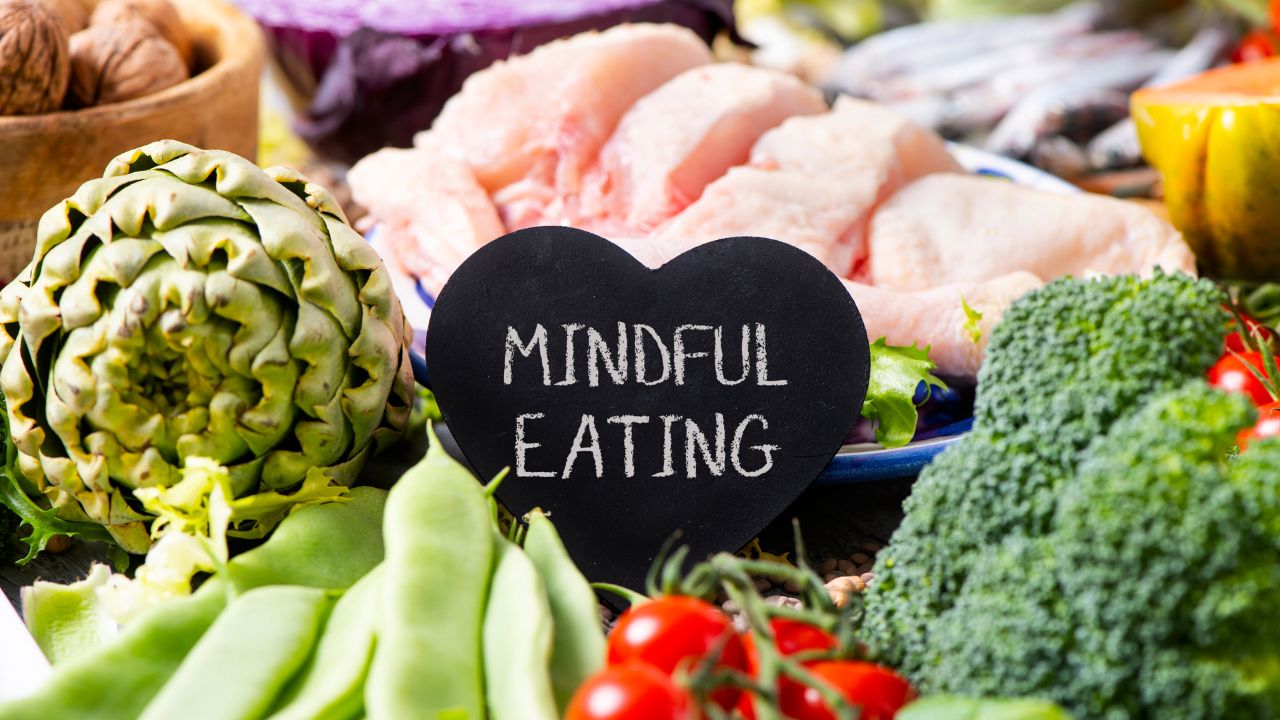
Well, there is. And it’s called mindful eating.

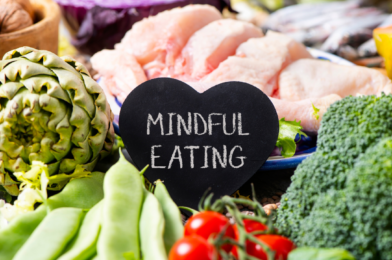
Mindful eating is the practice of paying attention to your food, both physically and emotionally. When you eat mindfully, you slow down and savor your food, paying attention to its taste, texture, and smell. You also become aware of your hunger and fullness cues, so you’re less likely to overeat.

There are many benefits to mindful eating. In addition to helping you lose weight, it can also improve your digestion, reduce stress, and boost your mood.

If you’re new to mindful eating, here are a few tips to get you started:

  • Eat slowly and deliberately.
  • Put your fork down between bites.
  • Chew your food thoroughly.
  • Pay attention to the taste, texture, and smell of your food.
  • Notice how your body feels before, during, and after eating.
  • Don’t eat when you’re stressed, bored, or angry.
  • Stop eating when you’re full.

Mindful eating is a simple but powerful habit that can help you lose weight and improve your overall health. So if you’re looking for a way to lose weight that doesn’t involve counting calories or following a strict diet, give mindful eating a try.

Here are some additional benefits of mindful eating:

  • It can help you break unhealthy eating habits.
  • It can help you make healthier food choices.
  • It can help you appreciate your food more.
  • It can help you connect with your body and your hunger cues.
  • It can help you reduce stress and anxiety.
  • It can improve your mood and overall well-being.

If you’re ready to start losing weight with mindful eating, here are a few additional tips:

  • Find a quiet place to eat where you won’t be interrupted.
  • Turn off the TV and put away your phone.
  • Focus on your food and nothing else.
  • Take small bites and savor each one.
  • Listen to your body and stop eating when you’re full.

    Mindful eating is a journey, not a destination. It takes time and practice to develop this habit. But if you’re willing to put in the effort, it can be a powerful tool for weight loss and overall health improvement.

Tagged : / / / / / /

5 Effective Ways To Avoid Food Cravings

5 Effective Ways To Avoid Food Cravings
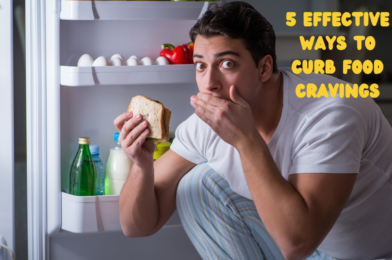
We are humans and we love food or anything related to it. We have our weaknesses and food cravings is one of them. There are always going to be foods that will make us go weak in the knees. Food cravings are not bad. You can crave for some food at one time or another. But if food cravings become a regular thing and it starts interfering with your well being, then it is the time to wake up and do something about it. Here are 5 effective ways to curb that strong food craving:

1. Eat regular meals and snacks When you go too long without eating, your blood sugar levels drop, which can trigger cravings. Eating regular meals and snacks throughout the day will help keep your blood sugar levels stable and prevent cravings.

2. Choose healthy foods When you eat unhealthy foods, they can cause your blood sugar levels to spike and then crash, which can lead to cravings. Choose healthy foods that are high in protein, fiber, and healthy fats, such as fruits, vegetables, whole grains, and lean protein.

3. Drink plenty of water Sometimes, thirst can be mistaken for hunger. Make sure you’re drinking plenty of water throughout the day to stay hydrated and avoid mistaking thirst for hunger.

4. Get enough sleep When you’re sleep-deprived, your body produces more of the stress hormone cortisol, which can lead to cravings. Aim for 7-8 hours of sleep per night to help keep your cortisol levels in check and avoid cravings.

5. Manage stress Stress can also lead to food cravings. Find healthy ways to manage stress, such as exercise, yoga, or meditation.

In addition to these 5 tips, there are a few other things you can do to avoid food cravings:

  • Identify your triggers. What foods or situations tend to trigger your cravings? Once you know your triggers, you can start to avoid them or develop strategies to cope with them.
  • Practice mindful eating. When you eat mindfully, you focus on the taste, texture, and smell of your food. This can help you savor your food and eat more slowly, which can help reduce cravings.
  • Don’t deprive yourself. If you’re constantly restricting yourself from foods you enjoy, you’re more likely to binge on them later. Instead, allow yourself to have small amounts of the foods you crave, but do so in moderation.
    Following these tips can help you avoid food cravings and improve your overall health and well-being.

Here are some additional tips that may help:

  • Keep healthy snacks on hand so you don’t reach for unhealthy options when you’re feeling hungry.
  • Drink herbal tea or sparkling water instead of sugary drinks.
  • Get regular exercise, which can help reduce stress and improve mood.
  • Talk to a therapist or counselor if you’re struggling to control your food cravings.

Remember, everyone is different and what works for one person may not work for another. Experiment with different techniques and find what works best for you.

Tagged : / / / /

The Rainbow Diet: Eating Your Way to Better Health

The Rainbow Diet: Eating Your Way to Better Health
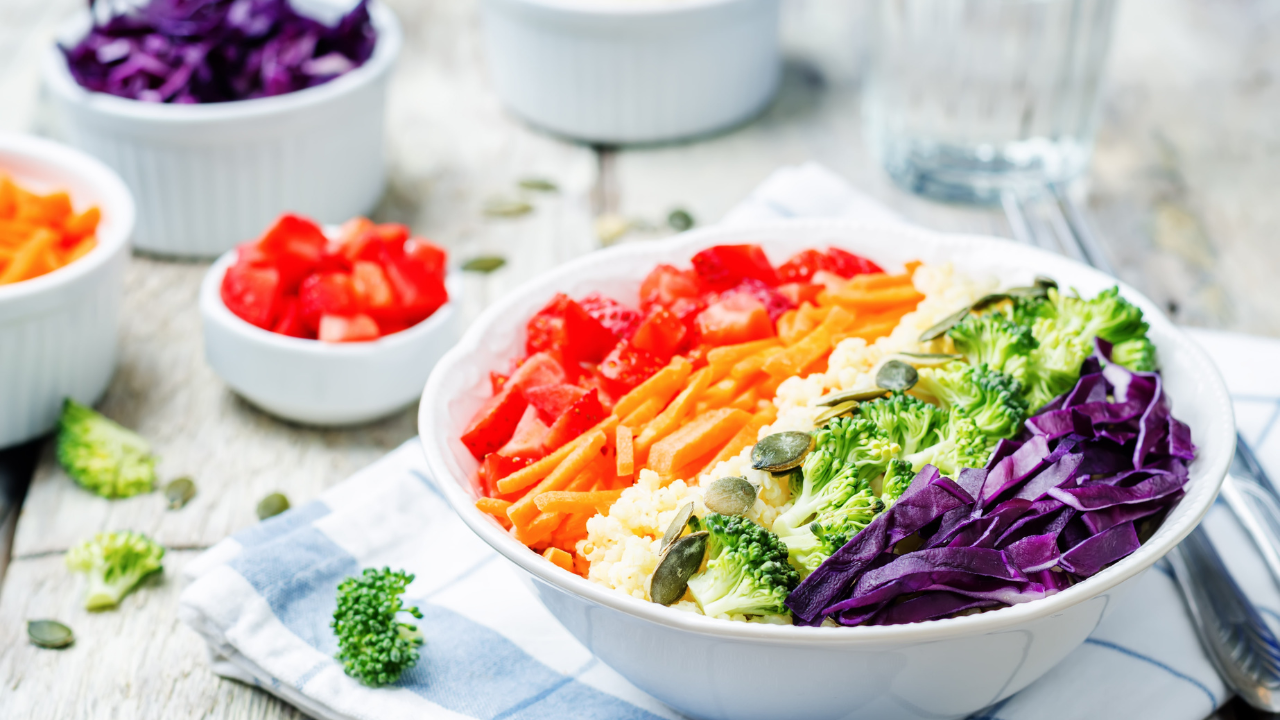
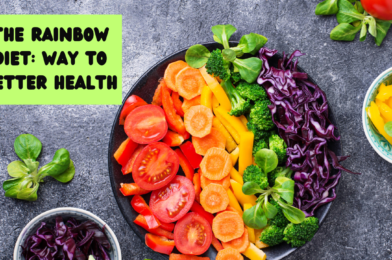
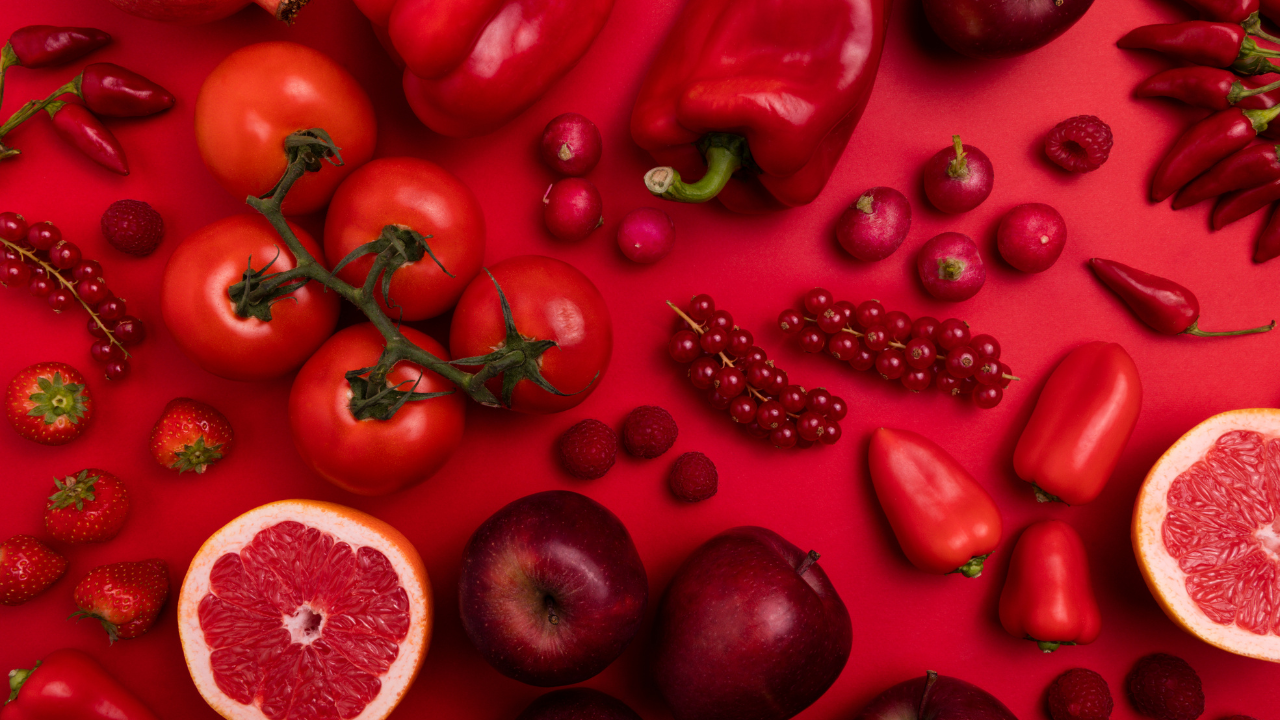
The rainbow diet is a simple concept: eat a variety of fruits and vegetables of different colors. The idea is that each color of food contains different nutrients that can benefit your health.

For example, red fruits and vegetables are rich in lycopene, an antioxidant that has been linked to a reduced risk of cancer. Orange fruits and vegetables are a good source of vitamin C, which is important for immune function. Yellow fruits and vegetables are high in beta-carotene, which can help protect your skin from sun damage. Green vegetables are packed with vitamins A and K, as well as fiber. And purple fruits and vegetables are a good source of anthocyanins, antioxidants that may help improve heart health.

You can try different colours of foods from these options:

1.Red
• Tomatoes
• Red bell peppers
• Strawberries
• Cherries
• Watermelon
• Red apples
• Red grapes
• Pomegranates

2. Orange or yellow
• Carrots
• Sweet potatoes
• Oranges
• Mangoes
• Pineapples
• Yellow bell peppers
• Peaches
• Apricots

3. Green
• Spinach
• Broccoli
• Kale
• Zucchini
• Green peas
• Avocado
• Green beans
• Kiwi

4. Blue or purple
• Blueberries
• Blackberries
• Purple grapes
• Eggplant
• Purple cabbage
• Raisins

5. White
• Cauliflower
• Mushroom
• Onion
• Garlic

By eating a rainbow diet, you can get a wide range of nutrients that your body needs to stay healthy. Here are some of the specific health benefits of eating a rainbow diet:

1. Reduced risk of chronic diseases: A diet rich in fruits and vegetables has been linked to a reduced risk of chronic diseases such as heart disease, stroke, cancer, and type 2 diabetes.

2. Improved heart health: The nutrients in fruits and vegetables, such as fiber, potassium, and vitamin C, can help improve heart health by lowering blood pressure, cholesterol, and inflammation.

3. Weight loss: Fruits and vegetables are low in calories and high in fiber, which can help you feel full and satisfied, making it easier to lose weight or maintain a healthy weight.

4. Improved gut health: The fiber in fruits and vegetables can help feed the healthy bacteria in your gut, which is important for gut health.

5. Boosted immunity: The vitamins and minerals in fruits and vegetables can help boost your immune system, helping you fight off infections.

6. Improved skin health: The antioxidants in fruits and vegetables can help protect your skin from sun damage and premature aging.

The rainbow diet is a simple and delicious way to improve your health. By making sure to include a variety of fruits and vegetables in your diet, you can get the nutrients you need to stay healthy and strong.

Here are some recipes to help you get started on the rainbow diet:
Rainbow salad: This colorful salad is packed with nutrients from a variety of fruits and vegetables.

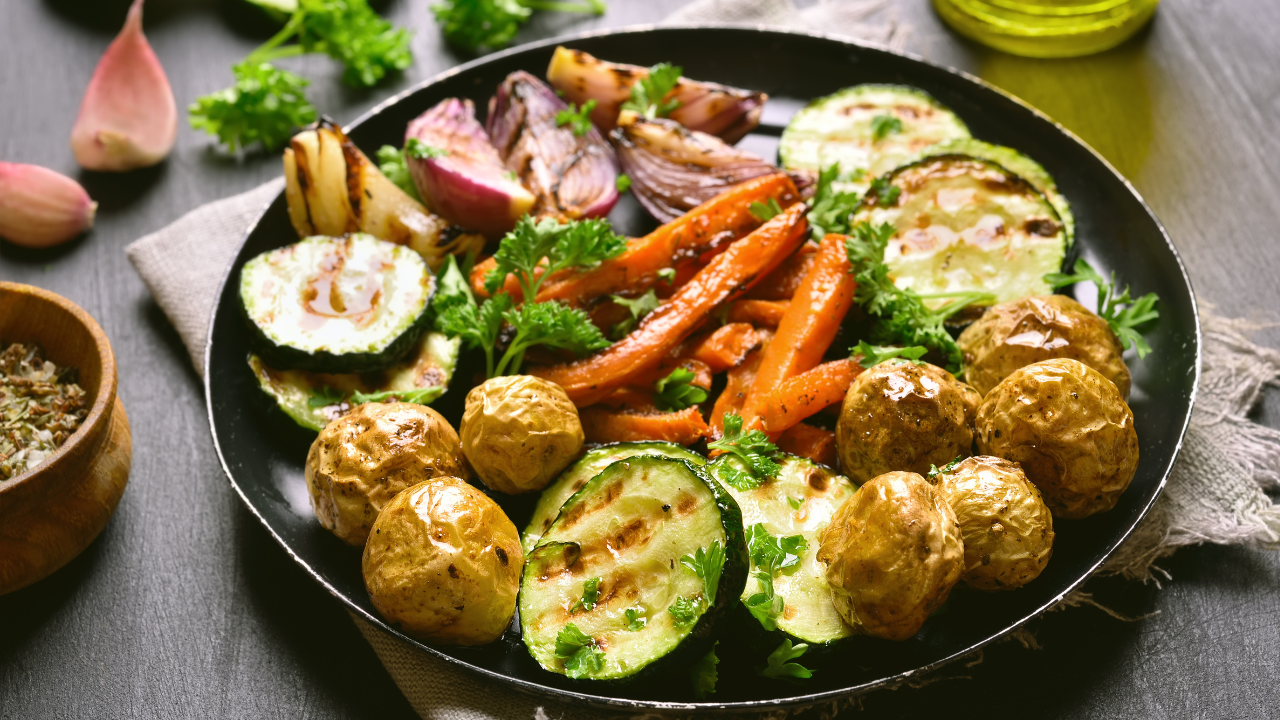
Roasted vegetable medley: This dish is a great way to enjoy a variety of roasted vegetables.

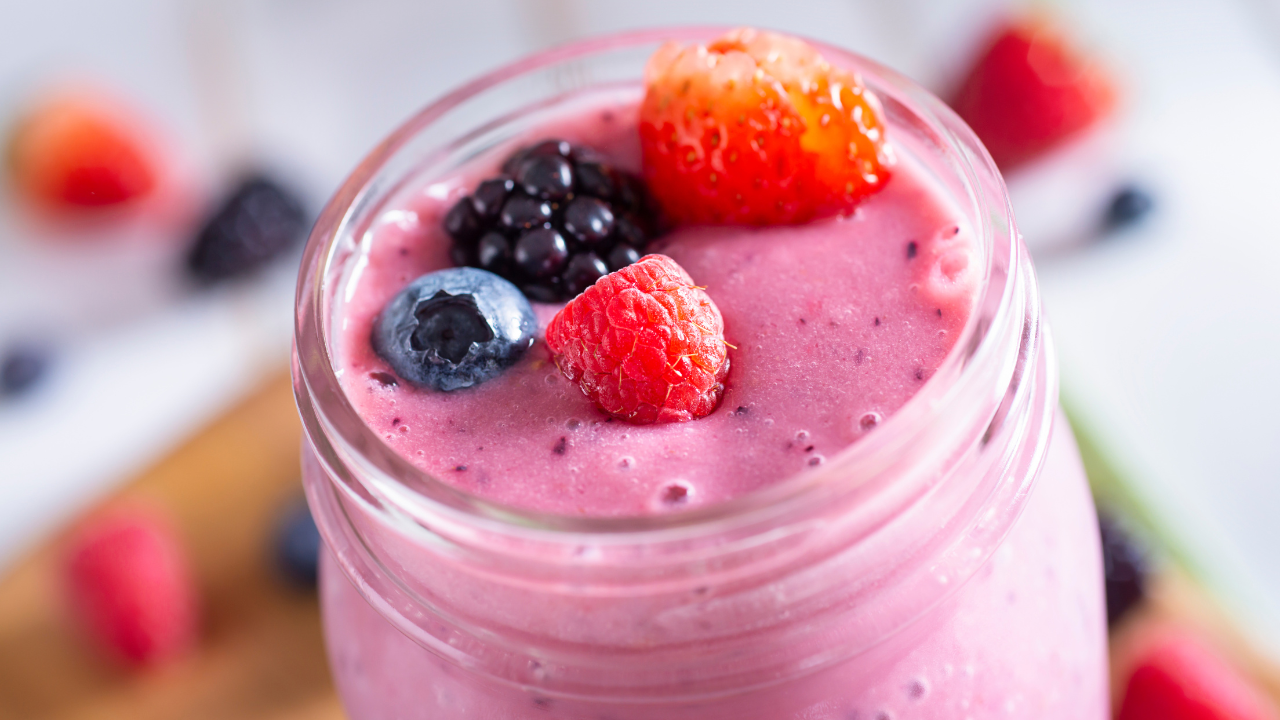
Fruit smoothie: This smoothie is a delicious and easy way to get your daily dose of fruits and vegetables.

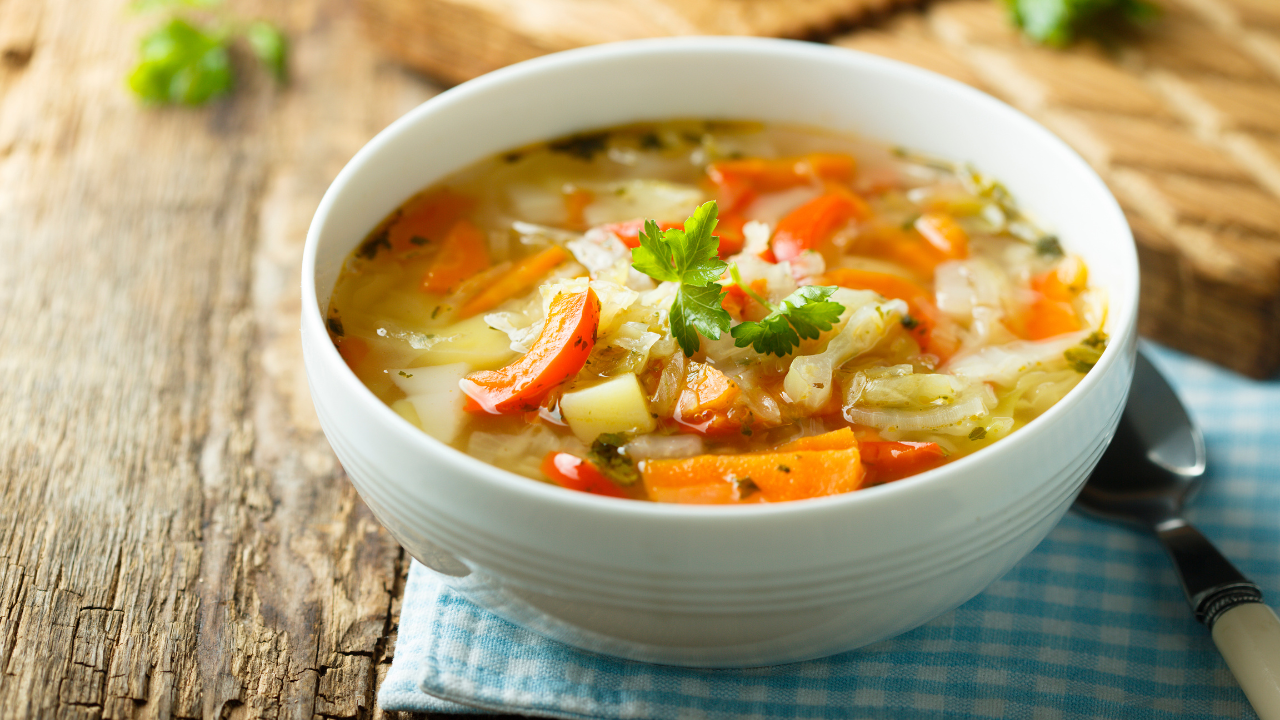
Vegetable soup: This soup is a hearty and satisfying way to warm up on a cold day.

The rainbow diet is a healthy and delicious way to eat. By following these tips, you can easily incorporate more fruits and vegetables into your diet and improve your overall health.

Tagged : / / / / /

Is Skipping Dinner for Weight Loss Healthy?

Is Skipping Dinner for Weight Loss Healthy?
Skipping dinner is a popular weight loss strategy that has been around for many years. The idea is that by skipping a meal, you will consume fewer calories overall and lose weight.

However, there is no scientific evidence to support the claim that skipping dinner is an effective way to lose weight. In fact, some studies have shown that skipping dinner can actually lead to weight gain.

One study published in the journal “Obesity” found that people who skipped dinner were more likely to gain weight over a 12-month period than those who ate dinner every day. The study’s authors believe that skipping dinner may lead to overeating later in the day or night.

Another study published in the journal “Nutrition and Metabolism” found that people who skipped dinner had lower levels of leptin, a hormone that helps regulate appetite. This suggests that skipping dinner may make it harder to feel full and satisfied, which could lead to overeating later.

If you are considering skipping dinner for weight loss, it is important to talk to your doctor first. There are other, more effective ways to lose weight that do not involve skipping meals.

Here are some healthy and effective ways to lose weight:

  • Eat a balanced diet that includes plenty of fruits, vegetables, and whole grains.
  • Limit processed foods, sugary drinks, and unhealthy fats.
  • Exercise regularly. Aim for at least 30 minutes of moderate-intensity exercise most days of the week.
  • Get enough sleep. Most adults need 7-8 hours of sleep per night.
    If you are overweight or obese, talk to your doctor about a safe and effective weight loss plan.

Here are some additional things to keep in mind if you are considering skipping dinner:

  • Skipping dinner can lead to hunger and cravings, which can make it difficult to stick to your weight loss plan.
  • Skipping dinner can disrupt your sleep, which can also make it harder to lose weight.
  • Skipping dinner can lead to nutrient deficiencies, especially if you are not eating other healthy meals throughout the day.
    If you are considering skipping dinner, it is important to weigh the risks and benefits carefully. There are other, more effective ways to lose weight that do not involve skipping meals.
Tagged : / / / /

5 Strong Reasons To Eat Dinner Before 8 PM

5 Strong Reasons To Eat Dinner Before 8 PM
Eating an early dinner has always been a part of cultures where people are known for their good health and longevity. It is one of the best things you can do for your health. Today’s fast paced life has made following this simple habit much difficult but it is never too late to start. There are many benefits to eating an early dinner, including:

1. Weight loss: Eating an early dinner can help you lose weight or maintain a healthy weight. When you eat dinner later in the evening, your body has less time to burn off the calories before you go to bed. This can lead to weight gain over time.

2. Improved sleep: Eating an early dinner can help you sleep better at night. When you eat a heavy meal before bed, it can make it difficult to fall asleep and stay asleep. This is because your body has to work hard to digest the food, which can keep you awake.

3. Reduced risk of diabetes: Eating an early dinner can help reduce your risk of developing type 2 diabetes. When you eat dinner later in the evening, your blood sugar levels can spike, which can increase your risk of developing diabetes.

4. Improved digestion: Eating an early dinner can help improve your digestion. When you give your body enough time to digest your food before you go to bed, it can help prevent digestive problems such as heartburn and acid reflux.

5. Reduced risk of heart disease: Eating an early dinner can help reduce your risk of developing heart disease. When you eat dinner later in the evening, your body has to work harder to process the food, which can put stress on your heart.

If you’re looking to improve your health, eating an early dinner is a great place to start. Aim to eat dinner at least 2-3 hours before bedtime. This will give your body enough time to digest your food and prepare for sleep.

Here are some tips for eating an early dinner:

  • Pack your lunch for work or school so you’re less likely to eat out at night.
  • Have a light snack in the evening instead of a full meal.
  • Go to bed earlier so you have more time to digest your food before you sleep.
  • Making small changes to your eating habits can have a big impact on your health. Eating an early dinner is one simple change that can help you lose weight, improve your sleep, and reduce your risk of chronic diseases.

In addition to the benefits mentioned above, eating an early dinner can also help improve your mood, boost your energy levels, and give you more time to do the things you enjoy. So if you’re looking for a way to improve your health and well-being, make sure to eat your dinner early!

Tagged : / / / /

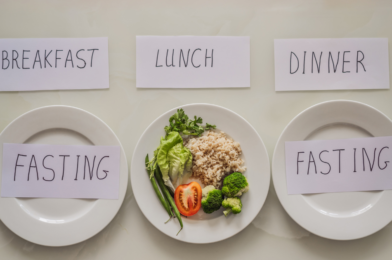
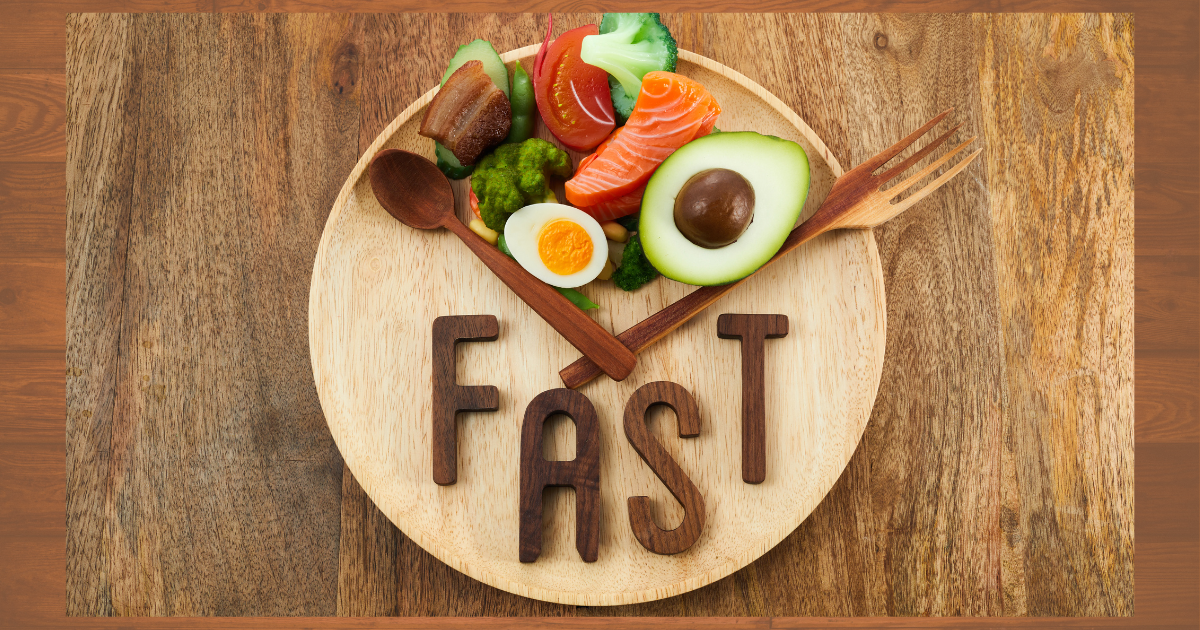
7 Steps To Follow Before You Start Intermittent Fasting

7 Steps To Follow Before You Start Intermittent Fasting
Intermittent fasting (IF) is a popular weight loss and health improvement strategy that involves alternating between periods of eating and fasting. There are many different IF methods, but they all involve restricting calorie intake for a certain number of hours each day or week.

If you’re interested in trying IF, here are 7 steps to follow:

1. Do your research
Before you start IF, it’s important to do your research and understand how it works. There are many different IF methods, so it’s important to find one that’s right for you. You should also talk to your doctor to make sure IF is safe for you.

2. Choose a method
There are many different IF methods, including the 16/8 method, the 5:2 diet, and the Eat-Stop-Eat diet. The 16/8 method is a popular beginner’s method where you fast for 16 hours and eat during an 8-hour window. The 5:2 diet is a method where you eat normally for 5 days of the week and restrict your calorie intake to 500-600 calories on 2 days of the week. The Eat-Stop-Eat diet is a method where you fast for 24 hours, 1-2 times per week.

3. Set realistic goals
Don’t expect to lose a ton of weight overnight. IF is a long-term strategy for weight loss and health improvement. Start with small goals, such as losing 1-2 pounds per week.

4. Make a plan
It’s important to make a plan for your eating and fasting windows. This will help you stay on track and avoid overeating during your eating window.

5. Stay hydrated
It’s important to stay hydrated during your fasting window. Drink plenty of water, unsweetened tea, and coffee.

6. Choose nutrient-dense foods
When you’re eating during your eating window, focus on eating nutrient-dense foods. This will help you feel full and satisfied and avoid overeating.

7. Listen to your body
If you feel lightheaded, dizzy, or weak, break your fast. It’s important to listen to your body and adjust your IF plan as needed.

IF is a safe and effective weight loss and health improvement strategy for many people. However, it’s important to do your research and start slowly. If you have any health concerns, talk to your doctor before starting IF.

Here are some additional tips for following an intermittent fasting diet:

  • Avoid sugary drinks and processed foods. These foods are high in calories and low in nutrients, which can make it harder to lose weight and improve your health.
  • Get enough sleep. Sleep is essential for weight loss and overall health. Aim for 7-8 hours of sleep per night.
  • Exercise regularly. Exercise helps to burn calories and build muscle. Muscle tissue burns more calories at rest than fat tissue, which can help you lose weight and keep it off.
  • Be patient. It takes time to see results from IF. Don’t get discouraged if you don’t see results overnight. Just keep at it and you will eventually reach your goals.

    If you follow these tips, you can safely and effectively follow an intermittent fasting diet to improve your health and lose weight.

Tagged : / / / /
Verified by ExactMetrics