Riteish Deshmukh Takes a Turn for the Dark: To Play Villain in Ajay Devgn’s Raid 2

Riteish Deshmukh Takes a Turn for the Dark: To Play Villain in Ajay Devgn’s Raid 2
Bollywood is abuzz with the news that Riteish Deshmukh, known for his comedic roles, will be playing the antagonist in Ajay Devgn’s upcoming flick, Raid 2. This is a surprising and exciting development, as it marks a significant departure from Deshmukh’s typical on-screen persona.

Deshmukh has carved a niche for himself in Bollywood with his impeccable comic timing and infectious energy. From his early roles in films like “Heyy Babyy” and “Housefull” to his recent outings in “Total Dhamaal” he has consistently tickled the funny bone of audiences.

However, with Raid 2, Deshmukh is all set to shed his funnyman image and embrace a darker side. He will be seen locking horns with Ajay Devgn’s upright officer character, making for an intriguing clash of personalities on screen.

The Raid franchise is known for its gripping narratives and high-octane action sequences. The first film, released in 2018, was a critical and commercial success, telling the story of an honest income tax officer who raids the corrupt mansion of a powerful tycoon.

Raid 2 is expected to pick up where the first film left off, with Devgn’s character taking on a new case and facing even more formidable challenges. Deshmukh’s addition to the cast adds another layer of complexity to the story, as his character’s motives and allegiances remain shrouded in mystery.

The pairing of Deshmukh and Devgn is an exciting prospect. Both actors are powerhouse performers, and their on-screen chemistry is sure to sizzle. Vaani Kapoor, who plays the female lead in the film, adds another dimension to the cast with her elegance and talent.

Overall, the news of Riteish Deshmukh playing the villain in Raid 2 has generated a lot of buzz and anticipation. It promises to be a thrilling and action-packed ride, with Deshmukh’s performance being one of the key factors to watch out for.

The film is slated for release on November 15, 2024, and it will be interesting to see how Deshmukh fares in this new avatar. Will he manage to make a convincing villain and steal the show from the established stars? Only time will tell, but one thing is for sure: Raid 2 is definitely a film to watch out for.


Tagged : / / / / /

India Takes Flight: DRDO’s Anti-Drone Tech Soars into Production

India Takes Flight: DRDO’s Anti-Drone Tech Soars into Production
The Indian skies are getting safer, thanks to a major leap by the Defence Research and Development Organisation (DRDO). Their comprehensive anti-drone system, capable of detecting, identifying, and neutralizing aerial threats, is now ready for mass production. This technology is being transferred not only to state-owned Bharat Electronics Limited (BEL) but also to private firms like Adani, Larsen & Toubro, and ICOMM, marking a significant step towards self-reliance in counter-drone defense.

This system is a game-changer for border security and internal defense. Imagine a shield that can identify a rogue drone buzzing near a sensitive installation, track its movements, and then take it down – silently and effectively. That’s the power of DRDO’s anti-drone technology. It encompasses diverse solutions, including radars for early detection, jammers to disrupt communication, and laser and net-based neutralization methods to bring down the drone itself.

But the story doesn’t end there. While industry giants will focus on producing this advanced technology, DRDO itself is setting its sights on a new frontier: High endurance Unmanned Aerial Vehicles (UAVs). These long-range drones will serve as India’s eyes in the sky, patrolling vast stretches of borders and gathering critical intelligence. Think of them as persistent guardians, providing a continuous aerial presence wherever needed.

This strategic shift highlights DRDO’s forward-thinking approach. Instead of getting bogged down in producing smaller drones, a task well-suited for private players, they are focusing on developing cutting-edge technology that will give India a decisive edge in future conflicts. These high-end UAVs will not only offer unparalleled surveillance capabilities but also open doors for offensive drone warfare, a rapidly evolving domain.

However, challenges remain. Developing complex UAVs requires expertise in advanced materials, avionics, and AI-powered autonomous systems. DRDO will need to collaborate with domestic research institutions and private players to bridge these technological gaps. But with their proven track record and the government’s support, there’s no doubt that DRDO will successfully navigate these challenges and ensure India’s skies remain safe and secure.

In conclusion, the transfer of DRDO’s anti-drone technology to production and their focus on high-end UAVs mark a significant leap in India’s defense capabilities. It’s a testament to the country’s growing self-reliance in the crucial realm of aerial defense. As DRDO takes flight with advanced UAVs, one thing is clear: India’s skies are in good hands

Tagged : / / / /

Tetris Tamed! US Teen Pulls Off Impossible Feat, Beating the Game for the First Time Ever

Tetris Tamed! US Teen Pulls Off Impossible Feat, Beating the Game for the First Time Ever
For decades, “Tetris” has captivated gamers, its seemingly endless complexity a frustratingly charming challenge. But on December 21st, 2023, 13-year-old American gamer Willis Gibson changed this and achieved the seemingly impossible feat: he beat the game! He is the first and only one to do this in 34 years!

No, this wasn’t just a high score – Willis, known online as “Blue Scuti,” actually reached level 157, causing the Nintendo Entertainment System version of Tetris to crash. This “kill screen” is the ultimate marker of victory, a glitch triggered by the game’s inability to handle any more complexity.

Previously, only AI programs had ever reached this point. The human limitation was usually around level 29, where the speed ramps up dramatically and blocks seem to fall faster than human reflexes can handle.

But Willis, known for his dedication and innovative “rolling” controller technique, persevered. His 38-minute journey is a testament to focus, skill, and sheer determination. The video he posted has gone viral, watched by millions worldwide and celebrated by fellow gamers and even Tetris creator Alexey Pajitnov.

Willis’ feat is more than just a personal achievement; it’s a reminder that even the most daunting challenges can be overcome with grit and passion. It pushes the boundaries of what we thought possible in a game considered unbeatable for over 30 years.

So, next time you pick up a controller and stare at those falling blocks, remember that even the impossible might just be one strategic rotation away. Who knows, maybe you’ll be the next Tetris champion, inspired by the teen who dared to dream bigger than the game itself.

Congratulations, Willis, and happy gaming to everyone!

Tagged : / / / /

India Joins Elite Group Of Nations With “Pseudo-Satellites”: Keeping an Eye on the Stratosphere and Beyond

India Joins Elite Group Of Nations With “Pseudo-Satellites”: Keeping an Eye on the Stratosphere and Beyond
India’s ambitions are reaching new heights with the development of “pseudo-satellites,” a game-changing technology placing it among the elite nations exploring the stratosphere. These innovative platforms, also known as High-Altitude Platform Systems (HAPS), promise not only to revolutionize surveillance and communication but also hold strategic implications for regional dynamics.

Imagine solar-powered drones, the size of airplanes, cruising at breathtaking altitudes of 65,000 feet, above weather and air traffic. That’s the essence of HAPS: persistent aerial platforms capable of staying aloft for months, offering a unique vantage point for observation and communication.

For India, HAPS offer a multitude of benefits. Firstly, they provide a cost-effective and persistent surveillance capability. Unlike traditional satellites, HAPS operate closer to Earth, offering higher image resolution and the ability to monitor specific areas continuously. This could prove invaluable for border security, especially along the contested Himalayan border with China.

Secondly, HAPS open new avenues for communication in remote areas. Their high altitude allows them to cover vast distances, providing internet connectivity to underserved regions and disaster-stricken zones. This could be a game-changer for disaster relief efforts and bridging the digital divide.

Thirdly, HAPS hold immense potential for scientific research. Their long endurance and ability to carry specialized equipment make them ideal platforms for atmospheric studies, environmental monitoring, and even disaster prediction.

The successful test flights of a prototype HAPS developed by Bengaluru-based NewSpace Research and Technologies Pvt. Ltd., under the Ministry of Defense’s Innovation for Defense Excellence (iDEX) initiative, mark a significant milestone in India’s HAPS journey. With plans for the first operational flight in 2024, India is poised to join the ranks of nations like the United States, China, and Japan in exploiting this cutting-edge technology.

Of course, challenges remain. Regulatory frameworks for operating HAPS at such high altitudes need to be established. Integration with existing communication systems and addressing potential security concerns are also crucial steps.

However, the potential benefits of HAPS are undeniable. As India takes to the stratosphere with these pseudo-satellites, it not only strengthens its strategic capabilities but also opens doors to novel applications in communication, research, and disaster management. This is a giant leap forward, not just for India’s technological prowess, but for the future of aerial technology itself.

So, keep an eye on the sky, for India’s HAPS are just the beginning of a new era in aerospace, filled with possibilities as limitless as the stratosphere itself.

Tagged : / / / /

Forget the Tracks, Hop Aboard the Road Train! China’s Futuristic Rail Bus Takes Public Transit to the Next Level

Forget the Tracks, Hop Aboard the Road Train! China’s Futuristic Rail Bus Takes Public Transit to the Next Level
Imagine a train gliding down a bustling city street, weaving seamlessly between cars and blending into the urban landscape. Sounds like science fiction, right? Not in China, where the innovative Rail Bus has redefined public transportation!

This futuristic vehicle looks like a train carriage that shrunk and shed its tracks. It runs on regular roads, guided by precisely painted markings instead of steel rails. Sensors mounted under the Rail Bus scan these markings, allowing it to navigate with millimeter-level accuracy. Even cooler, the Rail Bus is electric, making it eco-friendly and silent, adding to its urban-friendly charm.

But the benefits go beyond just a cool factor. The Rail Bus offers an innovative solution to several urban transportation challenges:

Flexibility: Unlike traditional trams that require expensive fixed tracks, the Rail Bus adapts to existing roads, making it a cost-effective option for expanding public transit networks.

Traffic Busting: With a capacity of up to 300 passengers, the Rail Bus can significantly reduce traffic congestion in crowded cities. It also offers a spacious and comfortable alternative to crowded buses, improving the overall commuting experience.

Environmentally Friendly: The electric engine eliminates emissions, contributing to cleaner air and a healthier environment.

While the Rail Bus is currently in its pilot phase, with a 3-kilometer route in the city of Zhuzhou, China, its success has sparked international interest. Several countries, including India, are exploring the potential of adopting this innovative technology.

However, some challenges remain. Integrating the Rail Bus into existing traffic systems requires careful planning and infrastructure adjustments. Ensuring the safety and stability of these road-bound trains is also paramount.

Despite these challenges, the Chinese Rail Bus represents a significant step forward in public transportation. Its flexible, eco-friendly, and efficient design offers a glimpse into a future where our cities are connected by silent, trackless trains, gliding effortlessly through the urban jungle. So, the next time you’re stuck in traffic, dreaming of a faster commute, remember – the road train might just be the answer!

Tagged : / /

The Fountain of Youth Found? Protein Discovery Holds Promising Clues to Fight Aging and Disease

The Fountain of Youth Found? Protein Discovery Holds Promising Clues to Fight Aging and Disease
Deep within the human cell lies a potential game-changer in the fight against aging and its associated diseases. A research team has unearthed a remarkable protein named HKDC1, holding the key to cellular housekeeping and potentially, the very elixir of youth.

This microscopic marvel performs a crucial task: safeguarding and ensuring the smooth functioning of mitochondria and lysosomes, two powerhouses of the cell. When these “organelles” become damaged, our cellular engines sputter, contributing to the wear and tear we call aging. But HKDC1 steps in, acting like a meticulous janitor, clearing away these damaged components and facilitating repair.

The researchers, like detectives unraveling a cellular mystery, observed the fascinating dance of HKDC1. They discovered its crucial role in “mitophagy,” the process by which cells identify and eliminate malfunctioning mitochondria. HKDC1 partners with another protein, TFEB, acting as a signal, tagging these cellular duds for disposal. It’s like waving a red flag, saying, “Clean up crew needed!”

But HKDC1’s talents extend beyond the mitochondria. It also plays a vital role in lysosomal repair, those cellular recycling centers responsible for breaking down waste. Imagine a kitchen with overflowing bins; without proper waste disposal, things get messy. Similarly, a malfunctioning lysosome throws cellular functions into disarray. Yet, HKDC1 steps in, ensuring these tiny garbage disposals remain functional and efficient.

This discovery unlocks a treasure trove of possibilities. Imagine if we could harness the power of HKDC1, mimicking its effects through drugs or gene therapy. We could potentially delay or even prevent the cellular decline associated with aging. Diseases like Alzheimer’s, Parkinson’s, and even some cancers, all linked to mitochondrial and lysosomal dysfunction, could become potential targets for HKDC1-inspired therapies.

Of course, the journey from promising protein to effective treatment is long and arduous. Extensive research and clinical trials are necessary to fully understand HKDC1’s potential and translate it into safe and effective therapies. But the glimmer of hope is undeniable.

For now, we can marvel at the intricate dance of life within our cells, where a protein named HKDC1 plays a starring role. It paints a future where aging isn’t an inevitable foe, but a challenge met with the ingenuity of science and the power of cellular heroes like HKDC1. The fountain of youth might not be a mythical spring, but it could well lie within the secrets of our own cells, waiting to be unlocked.

Tagged : /

Lakshadweep Takes Center Stage: Modi’s Visit Sparks a Tropical Trend

Lakshadweep Takes Center Stage: Modi’s Visit Sparks a Tropical Trend
The pristine beaches of Lakshadweep, India’s emerald archipelago, have rarely been out of the spotlight. But this January, they experienced a surge in interest unlike any before, thanks to a high-profile visitor: Prime Minister Narendra Modi.

Modi’s two-day trip in early January wasn’t just a vacation. He inaugurated development projects, interacted with locals, and even took up snorkelling in the crystal-clear waters. But it was his social media posts that truly set the trend. Sharing stunning photos of the islands and his experiences, Modi declared himself “in awe of the stunning beauty” and touched by the “incredible warmth” of the people.

The internet took notice. Lakshadweep skyrocketed to the top of trending searches, with Google reporting over 100,000 daily searches at its peak. Social media buzzed with comments like “adding Lakshadweep to my bucket list” and “thanks PM Modi for showing us this hidden gem.”

This sudden surge in interest is more than just a fleeting fad. It highlights the power of celebrity endorsement, particularly when coupled with stunning visuals and a touch of personal experience. Modi’s visit not only put Lakshadweep on the map for potential tourists but also reminded everyone of its unique cultural heritage and ecological importance.

But there’s more to this story than just tourism. Modi’s visit was part of the BJP’s “Mission South” campaign, aimed at boosting the party’s presence in southern India. Lakshadweep, with its Muslim-majority population, holds strategic importance in this endeavor. While the political implications are complex, there’s no denying that Modi’s visit has brought much-needed attention to the island chain.

Whether you’re a travel enthusiast drawn by the turquoise waters and swaying palm trees, or someone interested in the political landscape of India, one thing is clear: Lakshadweep is in the spotlight. Thanks to Prime Minister Modi’s visit, this hidden paradise has stepped out of the shadows and into the hearts and minds of people across the country.

So, will Lakshadweep become the next big tourist destination? Only time will tell. But one thing’s for sure: thanks to PM Modi and his snorkel, the islands are no longer a secret.

Tagged : / /

Diving Deep: Samudrayaan, India’s Voyage into the Ocean’s Heart, Things You Need To Know

Diving Deep: Samudrayaan, India’s Voyage into the Ocean’s Heart, Things You Need To Know
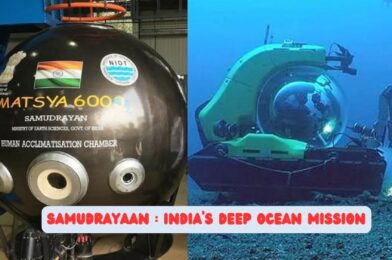
India’s ambitious Deep Ocean Mission has a shining star: Samudrayaan, meaning “Sea Chariot” in Sanskrit. This isn’t your average boat; it’s a state-of-the-art manned submersible designed to carry three explorers 6,000 meters beneath the ocean’s surface, into a world shrouded in mystery and teeming with untapped resources.

Samudrayaan, also known as MATSYA 6000, is being developed by the National Institute of Ocean Technology (NIOT) in Chennai. Its sleek titanium hull, built to withstand immense pressure, will house a sophisticated life-support system and scientific instruments. These instruments will allow the crew to study the ocean floor, collect samples, and conduct research on everything from deep-sea minerals to bioluminescent creatures.

But why venture into the inky depths? The answer lies in the ocean’s vast potential. Samudrayaan‘s mission is multifaceted:

1. Unlocking mineral resources: The deep ocean holds treasures like cobalt, nickel, and manganese, vital for various industries. Samudrayaan will help assess these resources and pave the way for sustainable deep-sea mining.
2. Mapping the unknown: Vast swathes of the ocean floor remain unexplored. Samudrayaan will map these areas, uncovering new geological formations and potentially even undiscovered life forms.
3. Boosting the “Blue Economy”: India’s vision for the Blue Economy focuses on harnessing the ocean’s resources for sustainable economic growth.

Samudrayaan will contribute to this by providing valuable data and research for various ocean-based industries.

Samudrayaan also holds immense scientific significance. Its research will shed light on climate change, ocean currents, and marine ecosystems, contributing to a better understanding of our planet’s health.

The first manned dive is expected sometime in 2024-2025. The success of this mission will not only be a scientific triumph but also a testament to India’s growing technological prowess. It will propel the country into the elite club of nations capable of deep-sea exploration, opening doors to a new era of oceanographic research and resource utilization.

So, keep your eyes on the horizon, for Samudrayaan is poised to take us on a breathtaking journey into the ocean’s deepest secrets. The future of scientific exploration lies not just in the stars but also in the depths of the sea, and India is ready to dive in.

Tagged : / / / /

Game Changer! Affordable Vaccine Promises Dramatic Drop in “Bad” Cholesterol

Game Changer! Affordable Vaccine Promises Dramatic Drop in “Bad” Cholesterol
A groundbreaking new vaccine developed by researchers at the University of New Mexico School of Medicine is offering a glimmer of hope for millions struggling with high cholesterol. This novel vaccine, if successful, could revolutionize cardiovascular health by offering a safe, affordable, and potentially long-lasting way to lower levels of “bad” cholesterol, or LDL, by up to 30%.

The key lies in targeting the PCSK9 protein, a major culprit behind high LDL levels. Existing PCSK9-inhibiting drugs are incredibly effective but come with a hefty price tag and often require injections every two weeks, making them inaccessible to many patients. This new vaccine, however, works differently.

“Think of it like showing your immune system a wanted poster,” explains Dr. Bryce Chackerian, lead researcher on the project. “The vaccine uses an empty virus shell to display tiny bits of the PCSK9 protein. This triggers your body to naturally produce antibodies that target and neutralize the bad cholesterol, potentially bringing its levels down significantly.”

The potential benefits are immense. High LDL cholesterol is a major risk factor for heart disease, stroke, and other cardiovascular complications. Lowering LDL levels through medication has been proven to save lives, but current options often come with drawbacks like cost, side effects, or inconvenience.

This new vaccine, on the other hand, promises to be:

i. Affordable: Produced using bacteria, the vaccine is estimated to cost a fraction of current PCSK9 inhibitors, making it accessible to a wider population.
ii. Convenient: Unlike bi-weekly injections, the vaccine requires fewer doses, potentially lasting for months or even years.
iii. Safe: Initial trials have shown no significant side effects, making it a potentially suitable option for a broader range of patients.

While the research is still in its early stages, the results so far are encouraging. Animal studies have shown significant reductions in LDL levels, and early human trials have also yielded promising results. However, larger-scale clinical trials are still needed to confirm the vaccine’s safety and efficacy.

“This vaccine has the potential to be a game-changer in the fight against cardiovascular disease,” says Dr. Abinash Achrekar, a cardiologist involved in the study. “If successful, it could give millions of people a safe and affordable way to control their cholesterol and live healthier lives.”

The road to market for this innovative vaccine is still long, but the potential impact is undeniable. Millions of people worldwide struggle with high cholesterol, and this vaccine offers a ray of hope for a future where managing this condition is more accessible and effective than ever before. The scientific community is watching closely, and the world waits with anticipation for the next chapter in this promising story.

Tagged : / / / /

Covid 19 JN.1 on the Rise: Stay Informed, Stay Safe!

Covid 19 JN.1 on the Rise: Stay Informed, Stay Safe!
We have seen some extremely terrible times from 2020 to 2022 because of the Covid -19 pandemic. And now, as the JN.1 subvariant of Covid-19 shows increased activity in India, staying vigilant and informed is crucial. Here’s what you need to know:

The Situation:

JN.1, a descendant of Omicron, has seen cases rise in 8 states, with Gujarat, Karnataka, and Goa reporting the highest numbers. While severity of cases seems similar to previous variants, increased vigilance is necessary due to its transmissibility.

What You Should Do?

  • Stay Up-to-date: Follow reliable news sources and official health advisories for accurate information.
  • Mask Up & Keep Distance: Masks remain essential, especially indoors and in crowded spaces. Maintain healthy social distancing.
  • Hygiene Habits: Frequent hand-washing and sanitizing surfaces are essential for curbing the spread.
  • Get Vaccinated & Boosted: Ensure you’re fully vaccinated and consider boosters, especially for vulnerable individuals.
  • Monitor Symptoms: Be alert for common symptoms like fever, cough, and fatigue. Get tested if you experience any.

Remember:

  • Panic is not the answer. Be informed, take precautions, and trust the healthcare system.
  • Protect yourself and those around you by following simple but effective measures.
  • Together, we can navigate this phase safely and responsibly.

By staying informed and taking responsible actions, we can help control the spread of JN.1 and protect ourselves and our loved ones. Let’s prioritize personal health while staying positive and united in the fight against Covid-19.

Tagged : / / / /

7 New Year Party Looks To Steal From Our Bollywood Divas

7 New Year Party Looks To Steal From Our Bollywood Divas
New Year’s Eve is just around the corner, and it’s time to start planning your party look. If you’re looking for some inspiration, check out these seven stunning looks from our favorite Bollywood divas. These are the 7 ideas and inspirations, you just have to pick your favourite one.

1. Shimmer and Shine

Bollywood divas love to sparkle on New Year’s Eve, and you can too! A shimmery bodycon dress is a great way to make a statement. Katrina Kaif looks stunning in this silver sequined dress, which is perfect for dancing the night away.

2. Bold and Beautiful

If you want to make a real impression, go for a bold and beautiful look. Kareena Kapoor Khan always turns heads in her red carpet looks, and this red midi dress is no exception. The one-shoulder design is sure to get you noticed.

3. Pretty in Pastels

Pastels are a big trend this season, and they’re perfect for a New Year’s Eve party. Disha Patni looks lovely in this light lavendar dress, which is both elegant and playful.

4. Black Magic

You can never go wrong with a little black dress. Mouni Roy looks chic and sophisticated in this little black dress with ruffled details.

5. Jumpsuit Junction

Jumpsuits are a great alternative to dresses, and they’re perfect for showing off your figure. Janhvi Kapoor looks trendy and sexy as hell in this blue jumpsuit, which is both comfortable and chic.

6. Sari Sensuality

A saree is always a timeless and elegant choice. Tara Sutariya looks stunning and super sexy in this silver saree, which is perfect for a New Year’s Eve celebration.

7. Skirt and Crop Top Love

Skirts paired with crop tops are just pure magic. Not only this looks beautiful, its comfortable as hell. So dance the night away while wearing this Shraddha Kapoor looks playful and vibrant in this pink lehenga, which is perfect for dancing the night away.

No matter what your style, there’s a New Year’s Eve party look out there for you. So get inspired by our favorite Bollywood divas and find your perfect outfit!

Additional Tips

  • When choosing your outfit, consider the venue and the type of party you’ll be attending.
  • Don’t be afraid to experiment with different colors and styles.
  • Most importantly, wear something that makes you feel confident and beautiful.

    Happy New Year!

Tagged : / / / /

Trick Your Stomach, Trim Your Waistline: Could a Vibrating Capsule Be the Key to Weight Loss?

Trick Your Stomach, Trim Your Waistline: Could a Vibrating Capsule Be the Key to Weight Loss?
For those struggling with obesity, the quest for effective weight loss solutions can feel like an endless pursuit. But what if a simple pill – one that vibrates in your stomach – could help curb your appetite and shed those unwanted pounds?

That’s the promise of a revolutionary new development from MIT engineers – a vibrating ingestible capsule designed to trick your brain into feeling full. This tiny pill, about the size of a large vitamin, houses a miniature motor that kicks in once it reaches your stomach. The gentle vibrations stimulate nerve endings that send signals to your brain, mimicking the sensation of a full stomach and reducing your urge to eat.

Early tests on pigs showed promising results: animals who swallowed the pill before meals consumed 40% less food compared to those without it. The researchers believe this technology could offer a minimally invasive and affordable alternative to existing weight-loss treatments, like surgery or expensive medications.

Here’s how it works:

Stomach Stretch Receptors: Your stomach has stretch receptors that signal fullness to your brain. The vibrations from the capsule mimic the activation of these receptors, tricking your brain into thinking you’ve eaten more than you have.

Hormonal Harmony: The capsule also appears to stimulate the release of satiety hormones like leptin, further reinforcing the feeling of fullness.

No Strings Attached: Unlike gastric balloons or restrictive bands, the vibrating capsule doesn’t require surgery or any invasive procedures. You simply swallow it like any other pill, and it passes through your digestive system naturally after about 30 minutes.

While still in its early stages of development, this vibrating capsule technology holds exciting potential for the millions battling obesity. It offers a potentially safe, non-invasive, and convenient way to manage weight and improve overall health.

However, some questions remain:

  • Will it work in humans? While pig trials were successful, human trials are needed to confirm the effectiveness and safety of the capsule in our bodies.
  • Long-term effects: What are the long-term implications of repeatedly stimulating stomach receptors? More research is needed to understand any potential side effects.
  • Accessibility and affordability: Can this technology be made readily available and affordable for everyone who needs it?                                                            Despite these uncertainties, the vibrating capsule presents a glimpse into a future where weight management might be as simple as taking a pill. While it’s not a magic bullet, it could be a valuable tool in the fight against obesity, alongside healthy diet and exercise habits.

So, stay tuned! As research progresses, this vibrating pill might just become the next big shake-up in the weight-loss world. And who knows, maybe a future where a quick rumble in your tummy helps you trim your waistline is closer than we think.

Tagged : / / / / /

Power Up From Within: Scientists Develop Biodegradable Wireless Charger for Implants

Power Up From Within: Scientists Develop Biodegradable Wireless Charger for Implants
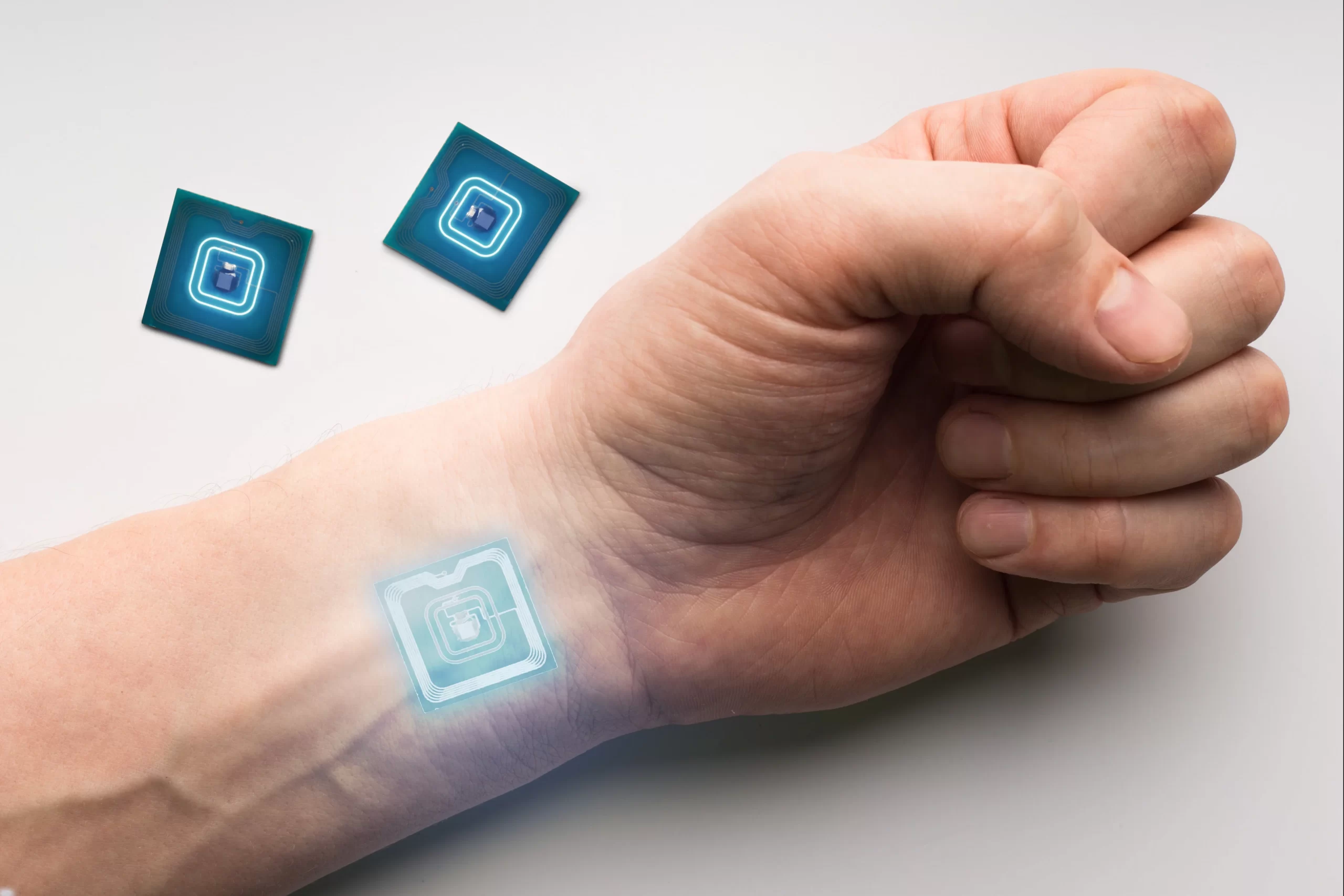
Imagine never having to plug in your pacemaker or worry about replacing the battery in your cochlear implant. Thanks to a groundbreaking new development by scientists at Lanzhou University in China, that future might be closer than we think. They’ve created a biodegradable wireless charger that can be implanted inside the human body and power medical devices wirelessly, before dissolving harmlessly over time.

No More Wires, No More Worries:

This chip-like implant is smaller than a penny and can be seamlessly integrated with various medical devices. It works by receiving energy from an external transmitter placed near the body, eliminating the need for bulky batteries and potentially risky surgical procedures to replace them. This not only improves patient comfort and reduces the risk of infections but also extends the lifespan of implanted devices.

Dissolving Discreetly:

One of the most impressive aspects of this technology is its biodegradability. The implant is made from a special polymer and wax that slowly dissolve within the body after fulfilling its purpose. This eliminates the need for additional surgery to remove the device, further reducing risks and discomfort for patients.

Early Success, Bright Future:

While still in its early stages, the technology has shown promising results in tests with rodents. The implanted chargers successfully powered medical devices for up to 10 days before gradually dissolving over the next two months. Researchers are now working on refining the technology for human trials, with the potential to revolutionize the field of implantable medical devices.

A Glimpse into the Future:

This breakthrough development opens up a world of possibilities for the future of healthcare. Implantable sensors, drug delivery systems, and even brain-computer interfaces could all benefit from this wireless charging technology. Imagine a world where pacemakers adjust their output based on real-time blood pressure readings, or insulin pumps automatically deliver medication based on glucose levels, all powered wirelessly from within the body.

Challenges and Cautions:

While the potential is immense, it’s important to remember that this technology is still under development. Researchers need to address concerns about long-term biocompatibility, the potential for tissue irritation, and the efficiency of energy transfer over larger distances within the human body. However, the initial success is a significant step forward, and with continued research and development, this revolutionary technology could soon be transforming the lives of millions.

The Future of Power is Inside Us:

The development of this biodegradable wireless charger marks a significant milestone in the field of medical technology. It paves the way for a future where medical devices are seamlessly integrated into the body, powered wirelessly, and eventually disappear without a trace. This is not just about convenience; it’s about improving patient safety, comfort, and quality of life. As researchers continue to refine this technology, we can only imagine the exciting possibilities that lie ahead for the future of healthcare, powered from within.

Tagged : / / /

Top 5 Most Searched Indian Celebrities on Google In 2023

Top 5 Most Searched Indian Celebrities on Google In 2023
As the curtain closes on 2023, India’s digital landscape paints a fascinating picture of the celebrities who captured our collective attention. From Bollywood’s dazzling divas to cricket’s rising stars, let’s delve into the 10 most searched Indian celebrities on Google this year:

1. Kiara Advani: 2023 belonged to Kiara Advani. Her fairytale wedding to Sidharth Malhotra in February sent the internet into a frenzy, making her the undisputed queen of Google searches. Every detail, from her stunning bridal lehenga to the dreamy desert venue, fueled our curiosity.

2. Shubhman Gill: This young batting prodigy took the cricket world by storm. His record-breaking performance in the Cricket World Cup, including the first T20-International century by an Indian, catapulted him to the second spot on Google searches. Gill’s talent and charming personality have him pegged as the future of Indian cricket.

3. Rachin Ravindra: Another cricket sensation, Rachin Ravindra, surprised everyone with his stellar performance for New Zealand in the World Cup. His Indian origin added another layer of intrigue, making him a hot topic on Google.

4. Sidharth Malhotra: Kiara’s beau, Sidharth Malhotra, couldn’t escape the limelight either. His wedding to the Bollywood beauty and his own impressive film career kept him firmly in the top five most searched celebrities.

5. Mohammed Shami: The veteran pace bowler proved his mettle once again in 2023. His consistent wicket-taking abilities and crucial contributions to the Indian cricket team made him a fan favorite and a frequent Google search.

This diverse mix of cricketers and Bollywood stars reflects the multifaceted interests of the Indian audience. 2023 was a year of sporting triumphs, romantic weddings, and captivating personalities, and it’s no surprise that these celebrities dominated our Google searches. As we step into 2024, who will steal the show and top the next year’s list? Only Google knows, but one thing’s for sure: the Indian digital landscape promises to remain vibrant and full of surprises!

Tagged : / / / /

6 Upcoming Space Missions of ISRO That Every Indian Should Know About

6 Upcoming Space Missions of ISRO That Every Indian Should Know About
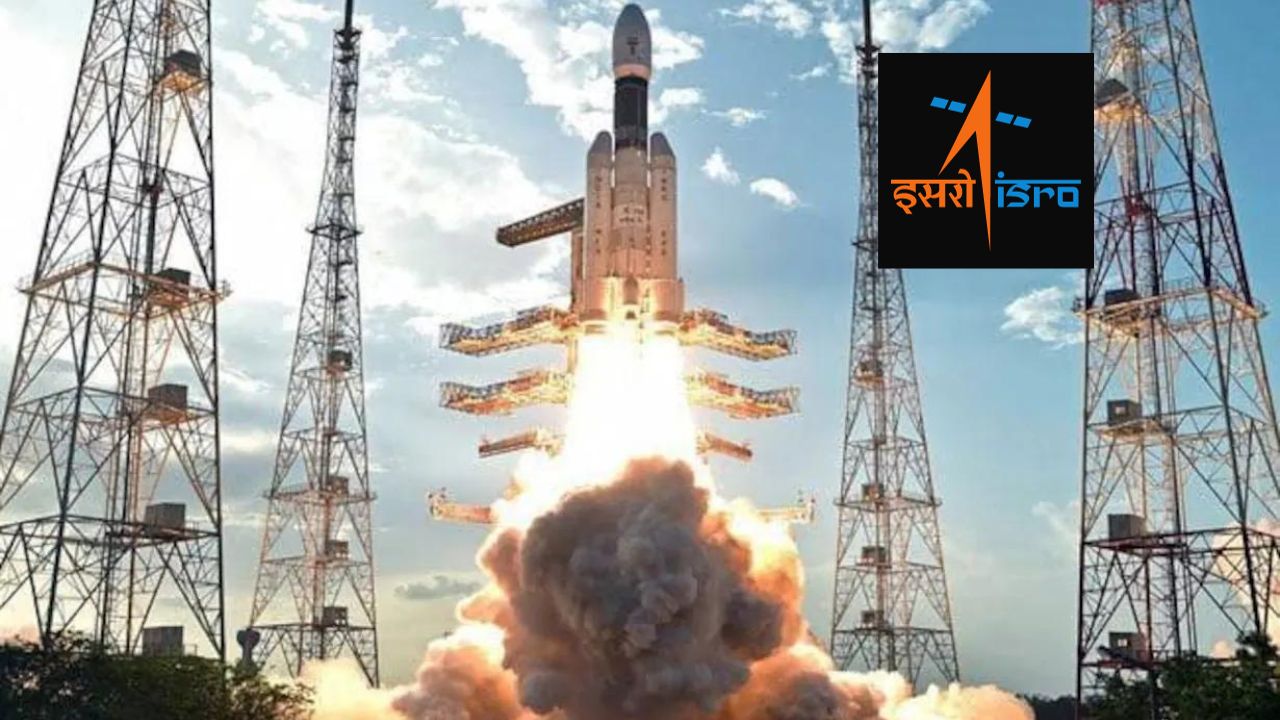
The Indian Space Research Organisation (ISRO) is gearing up for an exciting year in 2024, with a slew of ambitious missions planned for launch. These missions span a wide range of scientific and technological objectives, showcasing India’s growing prowess in the space domain. Here’s a look at six of the most notable upcoming ISRO missions in 2024:

1. NISAR (NASA-ISRO Synthetic Aperture Radar):

A collaborative mission between ISRO and NASA, NISAR will be a powerful Earth observation satellite equipped with a synthetic aperture radar (SAR) instrument. This radar will be able to image Earth’s surface through clouds and darkness, providing valuable data for applications like disaster management, agriculture, and forestry.

2. Gaganyaan 1:

This unmanned mission marks a significant step forward in India’s human spaceflight program. Gaganyaan 1 will carry a human-rated capsule into orbit and test critical technologies for future manned missions. The success of this mission will pave the way for India’s first human spaceflight, currently targeted for 2025.

3. Mangalyaan 2 (MOM 2):

Building on the success of the first Mars Orbiter Mission (MOM), Mangalyaan 2 will attempt a soft landing on the Martian surface. This ambitious mission will carry a rover equipped with scientific instruments to study the Martian environment.

4. Shukrayaan 1:

India’s first mission to Venus, Shukrayaan 1 will study the planet’s dense atmosphere and surface composition. Understanding Venus, Earth’s “twin” planet, can provide insights into Earth’s own climate and evolution.

5. X-ray Polarimeter Satellite (XPoSat):

This astronomy satellite will study the polarization of X-rays from celestial objects like black holes and neutron stars. XPoSat will help us understand the behavior of matter in extreme environments and shed light on the formation of galaxies and stars.

6. INSAT 3DS:

This advanced communication satellite will be part of the Indian National Satellite System (INSAT) and will provide broadband internet services, telephony, and television broadcasting across India. INSAT 3DS will significantly enhance communication infrastructure and bridge the digital divide in rural areas.

These are just a few of the many exciting missions planned by ISRO in the coming year. With its ambitious space program, India is rapidly establishing itself as a major player in the global space arena. These missions promise to not only advance scientific knowledge but also bring tangible benefits to people on Earth.

Tagged : / / / / /
Verified by ExactMetrics