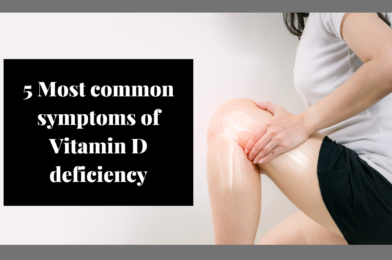
The 5 Most Common Symptoms of Vitamin D Deficiency
Vitamin D is an essential nutrient that plays a crucial role in maintaining our overall health. However, many people around the world suffer from vitamin D deficiency, often unaware of the impact it can have on their well-being. In this article, we will explore the five most common symptoms that may indicate a deficiency of this vital vitamin.
1 Fatigue and Weakness
Feeling tired and lacking energy can be signs of various health issues, including vitamin D deficiency. Studies have shown a link between low vitamin D levels and chronic fatigue. If you often experience fatigue, weakness, or a general lack of motivation, it is worth considering getting your vitamin D levels checked.
2 Bone and Muscle Pain
Vitamin D plays a vital role in maintaining bone health. A deficiency in this nutrient can lead to a softening of the bones, known as osteomalacia in adults and rickets in children. Muscle pain and weakness may also occur due to the insufficient availability of vitamin D, as it helps regulate calcium absorption and muscle function.
3 Frequent Illnesses and Weakened Immune System
Vitamin D is known to support the immune system and help fight off infections. Research suggests that low levels of vitamin D may be associated with an increased susceptibility to respiratory infections, including the common cold and flu. If you find yourself falling sick frequently or experiencing prolonged recovery times, it may be worth investigating your vitamin D levels.

4 Depression and Mood Swings
Vitamin D is involved in the production of serotonin, often referred to as the “happy hormone.” Insufficient levels of vitamin D have been linked to an increased risk of depression, as well as mood swings and seasonal affective disorder (SAD). If you frequently experience low moods or depressive symptoms, it is advisable to consult with a healthcare professional.
5 Impaired Wound Healing
Vitamin D plays a crucial role in the healing process of wounds. Insufficient levels can impair wound healing and lead to delayed recovery. If you notice that your wounds are taking longer to heal than usual or are not healing properly, it could be a sign of vitamin D deficiency.
Vitamin D deficiency is a widespread issue, and recognizing the symptoms is essential for maintaining optimal health. If you experience fatigue, bone and muscle pain, frequent illnesses, mood swings, or impaired wound healing, it’s advisable to consult with a healthcare professional to assess your vitamin D levels and explore appropriate supplementation or lifestyle changes.
