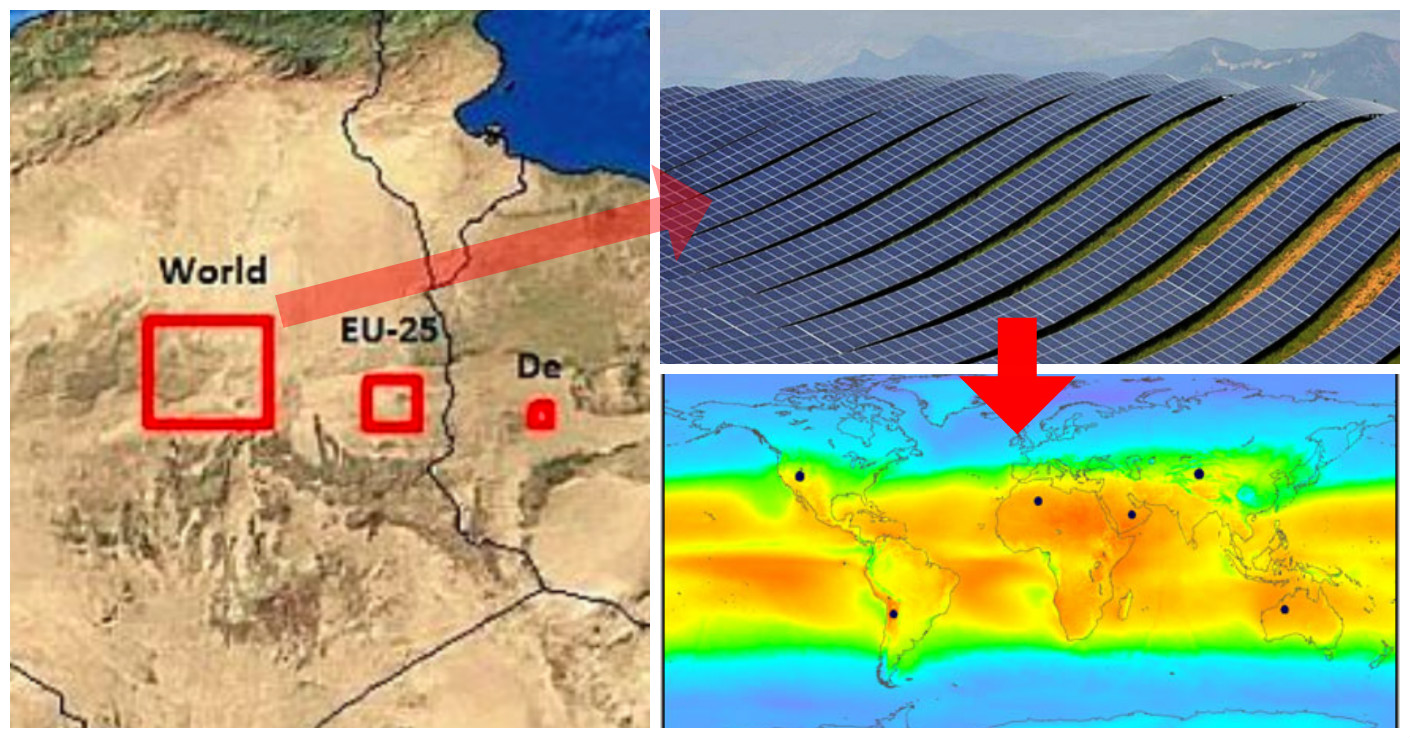
This much area is enough to cater the world’s energy demand with solar energy

Did you know how much electricity the entire world consumes every year?  Index Mundi website states that the global consumption of electricity reached approximately 17,780 billion kWh in 2011 and around 19,090 billion kWh, 2012. The constantly growing population and the expanding technological infrastructure are the major factors that make this number increase every year even though the resources of energy on our planet are limited which may exhaust in the near future.

The Earth absorbs an average of 164 Watts of solar energy per square meter within a day, aggregating to 84 Terawatts of power (~ 84 billion kWh) per day globally. The only challenge now is to collect the required amount of solar energy using solar panels. You may wonder how vast territories would need to be covered with solar panels so as to absorb and supply the world with electricity. However, believe it or not it can be done only by a tiny piece of land which would be quite enough to cover the global demand for electricity.

A diploma thesis of the Technical University of Braunschweig titled “Eco-balance of a Solar Electricity Transmission from North Africa to Europe,” by Nadine May states that the world could be powered by solar energy if placing of solar panels in a small area in North Africa is done.

The three red boxes in the image show the area that would be enough to meet the demand for solar electricity in Europe (EU-25), Germany (D), and the whole world (Welt).

Installation of necessary material like cable networks and other equipment will be necessary. This may have an ecological impact on the ecosystem which will again be very low as compared to those being caused by the use of our conventional energy plants.

“The general statement from an ecological point of view can be formulated that nothing is contrasting the expansion of solar thermal energy in North Africa and to transmit the generated solar electricity to Europe,” May concludes.

The thesis was published in 2005. Now, more than ten years later, most of the countries still be contingent on the conventional sources to generate power and take only little advantage of the renewable energy. The problem is that so much depends on the governments that majorly don’t seem to be inclined towards development of green tech or renewable energy.
This, shouldn’t stop us now from moving towards our own ‘green revolution’ – Solar panel installation on the roof instead of the use of conventional technologies based on fuel can help minimize cost in the long run. Remember that the future of our planet depends on our choices and behaviors in the present.

As a technology lover you may like our daily important technology news series. It’s a playlist and you can retrieve the total day-wise videos. Please consider subscribing our YouTube channel:

Author: Technology and Beyond
Tagged : /

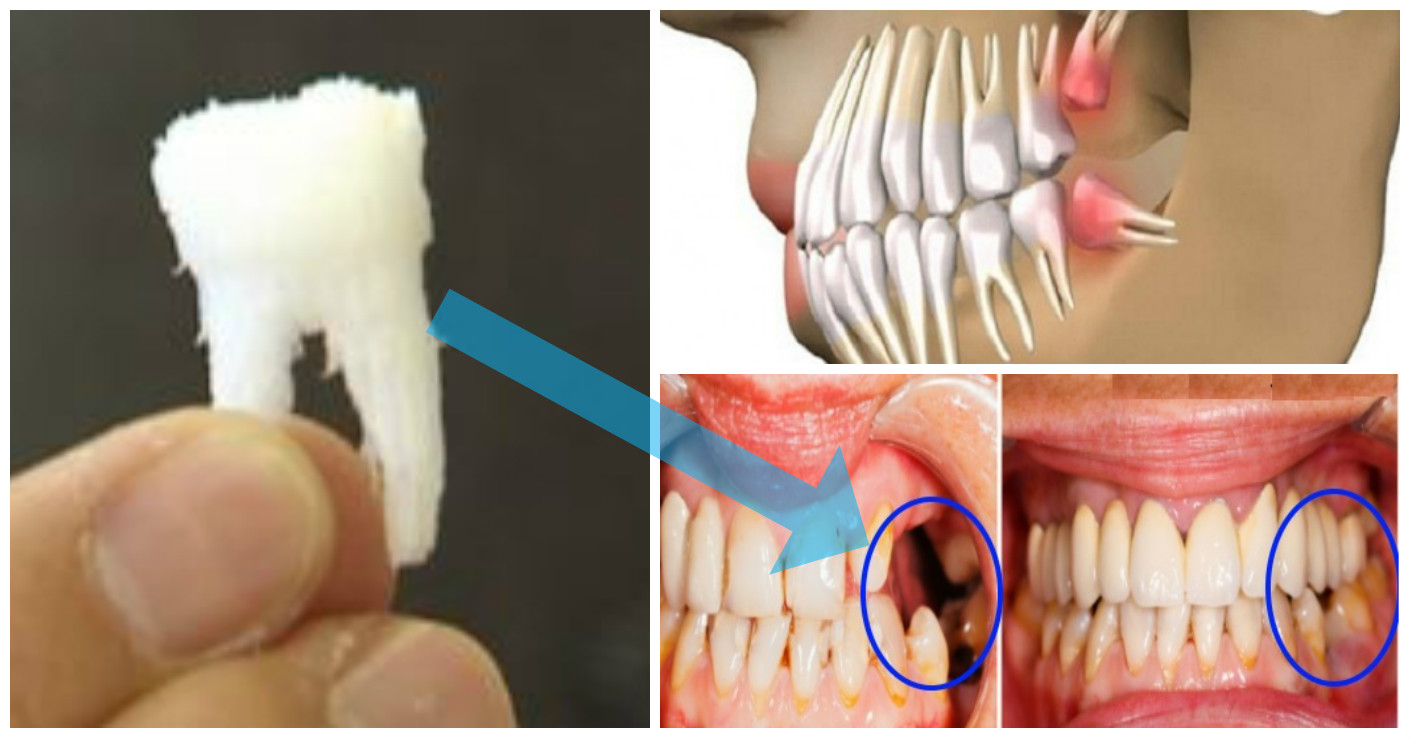
Discard your old damaged tooth and grow a new one in just 9 weeks!

Dental implants were made to make our lives easier and a lot of people today are grateful for the same.

Now a group of dental experts intend to change the way every one of us see teeth. The group’s new findings along with advances in the dental implant technologies have now paved way for humans to grow new human teeth in oral cavities.

The research, led by Dr. Jeremy Mao, Columbia University, has come across some pretty substantial discoveries. Mao essentially designed one type of framework that will help teeth regenerate tissue. The scaffolding contains stem cells and uses DNA to grow the new teeth.

The implications for this technology are huge, as it would lead to an end of traditional methods of teeth extraction, which are notoriously agonizing.

“Your missing tooth gets replaced with stem cells that are from your own body itself. And this merges with the tissues that surround it. It doesn’t get simpler as it will ease the regeneration process and will recover faster”

So, if you’re suffering from missing teeth or are thinking about dental implants, this new technology is perhaps the best solution. After all, wouldn’t you rather grow your own, new teeth, instead of replacing them with fake ones?

At the moment, the dental growth operations are under study. Keep an eye out for this developing story and you might as well be the first to witness it on happening!

As a technology lover you may like our daily important technology news series. It’s a playlist and you can retrieve the total day-wise videos. Please consider subscribing our YouTube channel:

Author: Technology and Beyond
Tagged : /

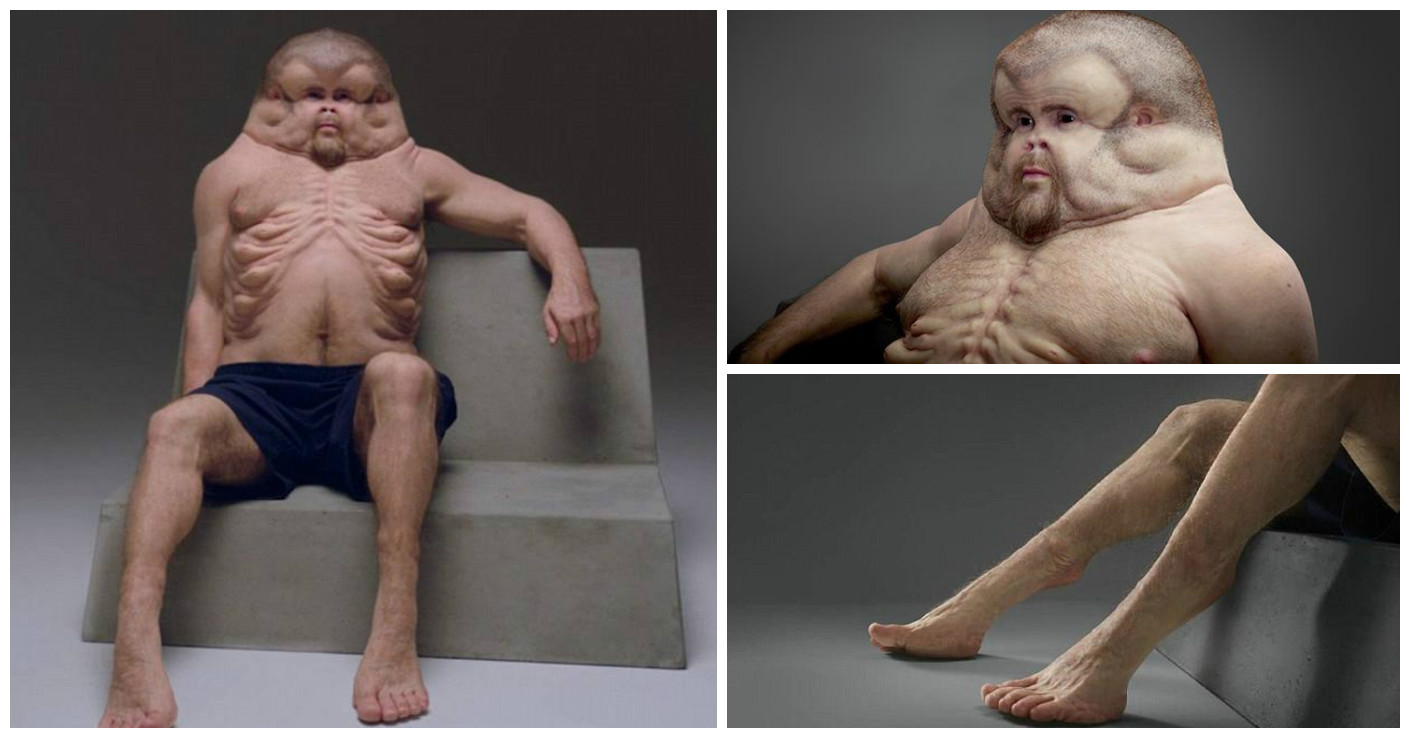
Expert’s Verdict: This should be the shape of a human body in order to survive a car crash

Although the makers are doing the best they can do to make modern vehicles safer, it is saddening that accidents still happen continuously, that lead to bad injuries and in worse situations, also deaths.

Studies show that one of the most common reasons for these road accidents is the use of cellphones while driving.

Keeping this in mind, Australian government introduced a new road safety initiative to portray how real accidents are and how delicate the human body is. Victoria’s Transport Accident Commission worked together with Patricia Piccinini, a sculptor from Melbourne, for this project to “create” a human that could survive a car crash – they called this sculpture Graham.

Christian Kenfield, a renowned trauma surgeon states that humans aren’t able to survive trauma. This is why Graham is built without a neck at all to avoid it from breaking and he is given a fat-filled, chubby face to shield his nose and ears. He is made with extra nipples to serve the purpose of air bags around the rib cage. He is also given a very thick skin as well.

Looking at his characteristics, you may also notice his feet to be very rabbit-like. This is to equip him to jump the oncoming vehicles should the occurrence of an accident.

His improbable anatomy and proportions , people should notice that human body falls weak to be able to withstand major car accidents. It is extremely important to be cautious about ourselves.

Dr Kenfield tells us that:

“The risks of low speeds such as 25,30, 35 kilometres an hour is quite massive.”

“The most prominent part of the body prone to accidents is the head. So on sudden stop of the head, the brain keeps moving forward, and smashes against the frontal part of the skull which then bounces backwards injuring the back of the skull as well.”

Dr David Logan, an expert on road safety at Monash University, pointed out:

“In the modern world as we subject ourselves to higher speeds while the body lacks the physiology to absorb the energy.

“When you stop the car suddenly as we crash that energy should be absorbed by the car and by the driver.”

The Transport Accident Commission made arrangements for people to “meet and greet” Graham in person at the State Library of Victoria from July 21 to August 8, 2016. Graham will be touring the country shortly after that. If this interests you, you may also check out http://www.meetgraham.com.au.

As a technology lover you may like our daily important technology news series. It’s a playlist and you can retrieve the total day-wise videos. Please consider subscribing our YouTube channel:

Author: Technology and Beyond

Tagged : /
Verified by ExactMetrics