5 New Trends To Expect With Virtual Reality!

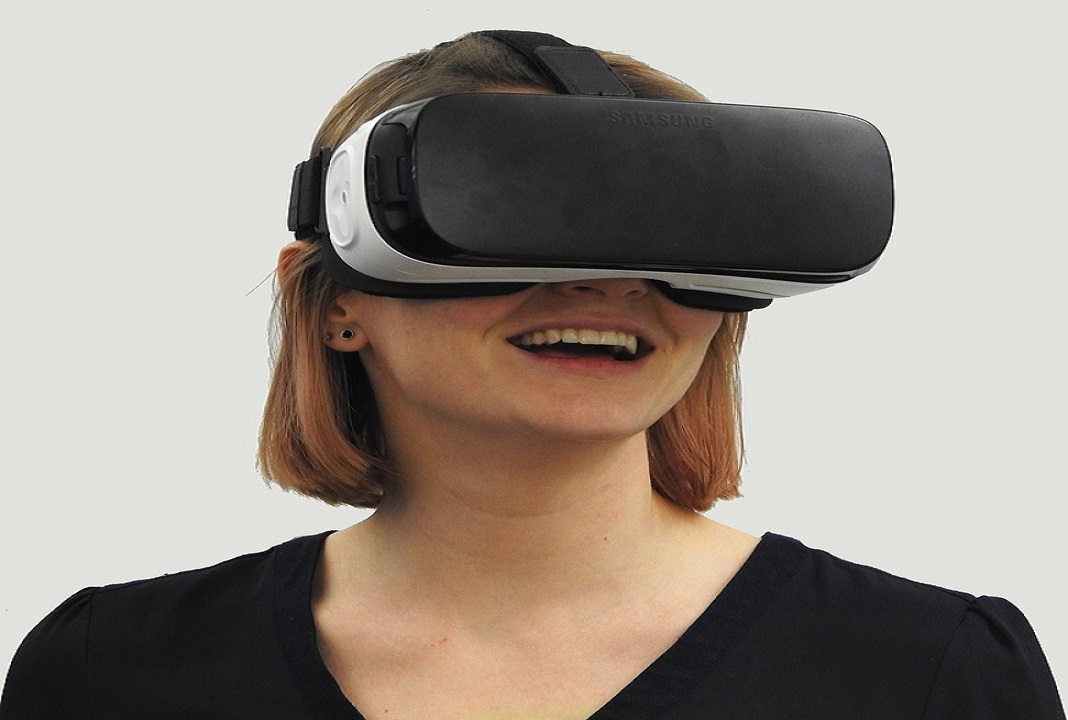
As you’ve no doubt heard by now, virtual reality is coming and coming quickly. Leading headsets have been demo’d and tested publicly pretty much throughout 2016 so far and in a matter of months we’re expecting at least a few of them to be available to the mass market.

While we’ve all been free to imagine incredible and immersive VR gaming experiences, what specific changes will these new tech gadgets bring to our lives with regard to entertainment? It’s hard to say exactly until the headsets are on store shelves and games (and other programs) are widely released. But based on a combination of news and speculation, here are a few trends to expect.

We’ll see an early wave of games based more on creativity than traditional gameplay. Arguably the most high profile demonstration of a VR experience to date showcased Minecraft on Oculus Rift, and it revealed a game in which players can create worlds as if they’re actually walking through them. We’ve also seen some other early VR demos that are almost artistic in nature and more grounded in augmented reality (meaning the environment resembles the room you’re in but you can touch and manipulate imagined materials within that space).

Traditional video games are fast, detailed, and frankly daunting even to some players who are excited about the prospects of VR. Creative experiences, however, can still show off the power and fun of VR without the risk of jarring visuals or clunky gameplay.

We could also see the formation of a new branch of popularity for tabletop card and casino games. Those who haven’t stayed closely involved with the development of online casinos may not be aware, but there’s actually a very high level of sophistication with this style of gaming already.

The games hosted at Betfair cover the full spectrum of tabletop casino experiences while approximating their own form of virtual reality on a computer screen. That is to say rather than simply showing you a screen with crudely animated cards or roulette wheels, this site generates interactive experiences with realistic graphics, live opponents, and in some cases video feeds of real live dealers. These experiences worked into VR would be simpler than most gaming adaptations and would spread a lucrative genre to the new format, which makes them seem like a likely early development.

[adinserter block=”7″]
Next Page For More

Tagged : /

Small is big! Tiny spacecrafts are being designed to reach Alpha Centauri!

Russian billionaire Yuri Milner recently showed his interest in developing spacecraft that can travel at upto 20% the speed of light. This would make the travel time to reach Alpha Centauri less than twenty years. It seemed pretty clear that for this mission, extremely lightweight spacecrafts have to be made. Also, no human would be suitable for such a space travel, hence appropriate robots need to be developed. A new species of tiny satellites seem to be capable.

11052604485741830082

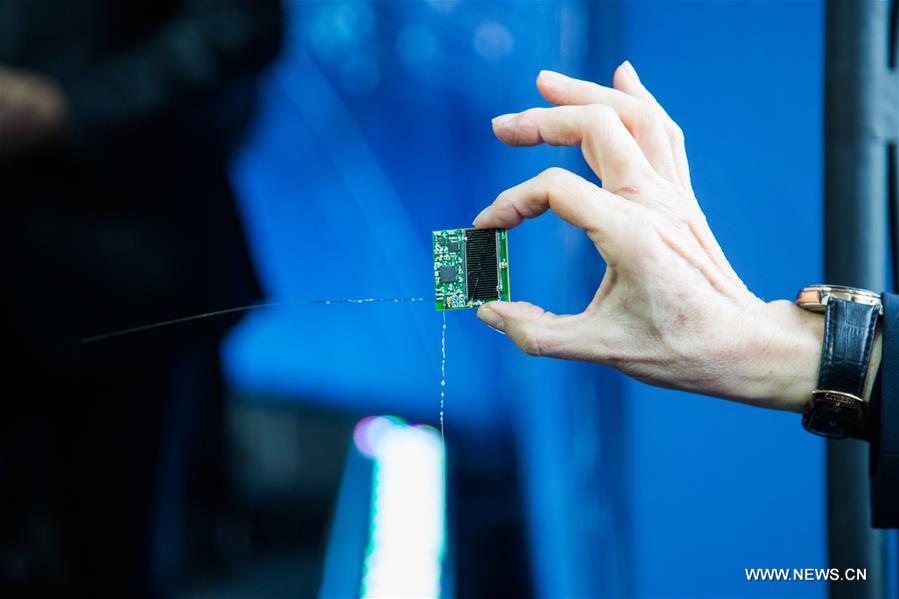
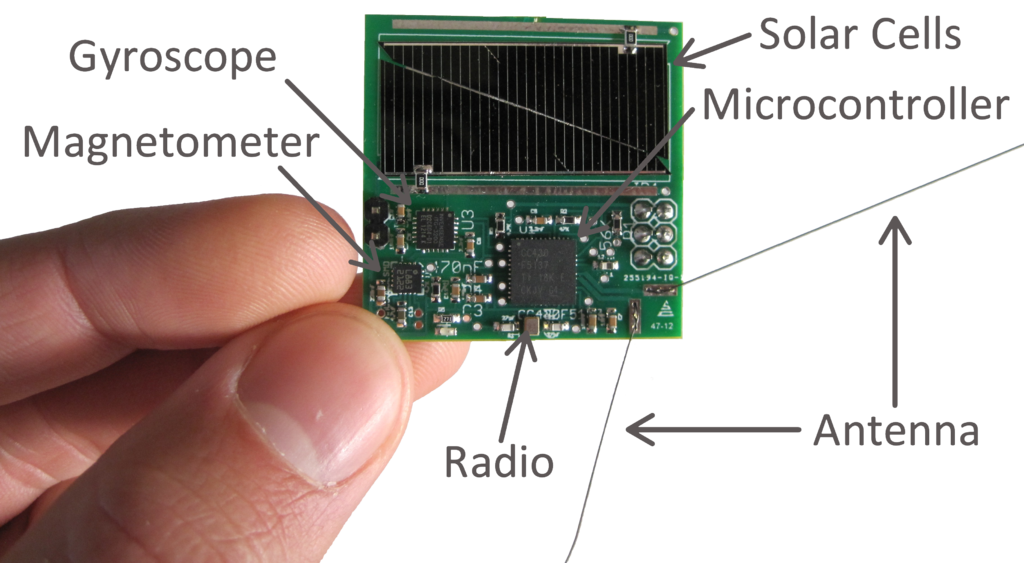
The proposed project called Kicksat-2 is led by Cornell. It will launch hundreds of tiny sticky-note sized satellites to the International Space Station. Each of these devices is a complete spacecraft with solar cells, radio transceiver, and a tiny computer. The purpose is to allow these satellites to field test their navigation and communication systems before they burn up in the orbit.

Zachary Manchester and Mason Peck are the project’s chief engineers. They are also on the advisory committee for Breakthrough Startshot, which aims to make interstellar voyages a reality. Sprites are based on the “chipsat” technology, both of which indicate the possibilities of space travel.

A Cambridge-based non-profit Draper has been developing chipsat technology since 2007. An aerospace engineer associated with the firm said that a chipsat can never replace a big spacecraft but it can do new things like land on a planet. They have thought of sending them to places where a normal spacecraft can’t go.

 Very small and lightweight design impart very high, realistic speeds, reducing years from the time it would normally take. Such supersonic speeds along with state-of-the-art technology will revolutionise space travel and allow risky landings on comets, going beyond the solar system and bringing information back to the earth. Sounds fascinating, huh?

But before we make such advancements, the technology needs to be proven. Manchester’s first Sprites were deported outside of the ISS in 2011. Several years later, even after receiving a large dose of radiation, their hardware was still found to be functioning. We seem to be lucky on this.

[adinserter block=”7″]

Next Page For More

Tagged : /
Verified by ExactMetrics