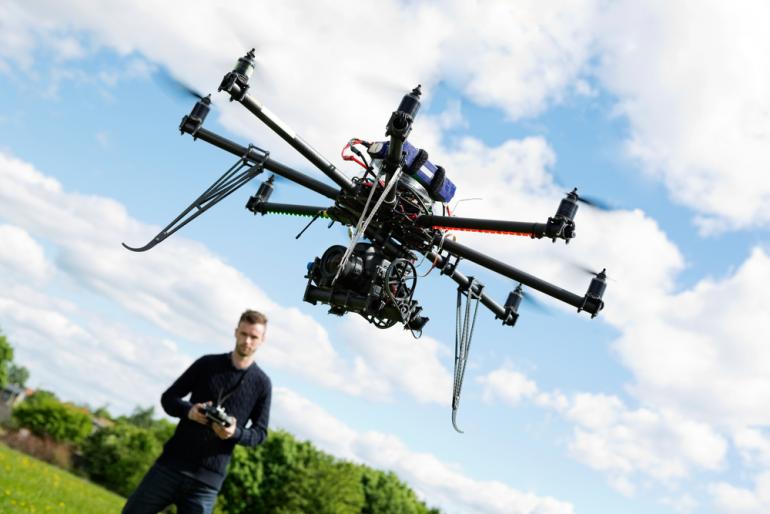
5 Usage of Drones You will be Amazed to Know

 drone-uav-drone-shutterstock

Usage of Drones

Drones are no longer only used for waging secret attack and for spying on enemy territories. Over the years drones became known for their potential in conducting research and collecting information and multimedia data that can be used in an array of purposes including education, scientific studies, security and studies related to mass market and business potential. The usage of drones, especially the high-tech ones, are continually surpassing old boundaries and barriers achieving new breakthroughs of potential purpose. Here we introduce 5 surprising drone uses you will be amazed to know.

Disaster prediction

article-2499851-19586FEB00000578-906_636x382Usage of Drones

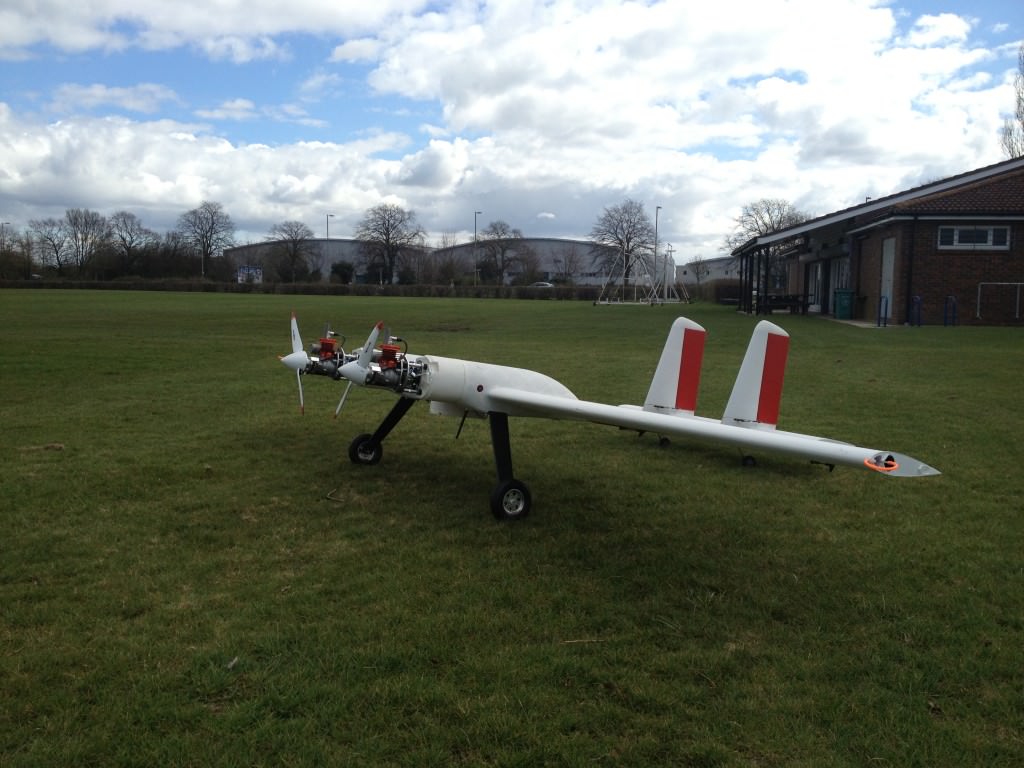
A hurricane or a tornado takes millions of lives and destroys livelihood and properties that takes years to return to its normal course. But it has been seen that predicting such natural disaster accurately the damage can be managed and avoided to a great extent. NASA has already stepped forward with two Global Hawk drones that can correctly predict any imminent indication of hurricane. This drone can stay afloat for as long as 30 hours at a time and is capable of reaching an altitude higher than 55,000 feet.


Big Data analysis

big data

This is a potentially unexplored area so far as usage of drones is concerned. Big Data refers to the huge collection of digital data that we encounter from an array of sources. As we all know Big Data analytic is the next big frontier to make use of these huge data volume which is continually increasing with the passing of every day, especially with the recent proliferation tech gadgets and widespread digitization in every sphere of life. Even some drones are showing promising specter to make use of this data for analyzing and to derive purposeful insights from them. PrecisionHawk with their long lineage of developing tools for Big Data analytic tools recently came up with an advanced drone that can collect data from the farmlands, analyze them and produce decisive insights to reduce cost and enhance productivity.

[adinserter block=”7″]

Next Page For More

Tagged :

Top 5 Technologies Influenced by Science Fiction Movies

 Science fiction Movies & Technologies

Technology and art have always influenced each other in numerous ways. In the age of Renaissance greatest virtuoso painter and artist Leonardo Da Vinci first produced the draft sketch for an aircraft that in the time to come would infuriate scientific thinking on that direction. A great array of science fiction stories and novels has been the breeding ground for new ideas of future technologies. Like all other art forms and expressions movies also incorporated an array of breakthrough ideas for new technologies or scientific concepts that in the time to come would lead the life of modern men. In this way the idea of mobile phones, robots, space travel and even tablets were first explored in some movies long before they were actually invented and put to use. Let us introduce here top 5 technologies influenced by movies in some way or the other.

Cellular phone influenced by Star Trek III (1984)

Science fiction movies

Star Trek franchise is still considered to be the most futuristic and accurate amongst the science fiction movies in respect of predicting future technologies. It predicted and explored the possibility of cellular phone long before these handheld devices could not rule the world. In the first two parts of the franchise, it was rather the wrist held devices that were used for mobile communication, but it was on the third part that the actual idea of mobile device was explored. There cannot be any better testimony than the declaration of the influence by the inventor of the first cellular phone Martin Cooper. Actually, compared to the sleek palm held device shown in the movie Cooper’s phone was as big as a brick. In would take years to resemble that smart shape of that fictional mobile phone displayed in the movie.

 Wearable Technology by Back to the Future Part II (1989)

not-only-did-the-movie-get-wearable-computing-right-they-even-made-the-devices-similar-to-google-glass

This movie being a fun travel film could help establish strong bond between fiction and technology. In this 1989 film several futuristic technologies would be explored that within next two decades or earlier than that would be a reality. The biggest among these futuristic depictions were the wearable technologies. From self-lacing shoes to the wearable computers, the movie explored an array of futuristic concepts.

[adinserter block=”7″]

Next Page For More

Tagged : /

Beware! THIS is why Virtual Reality makes you pukish! 

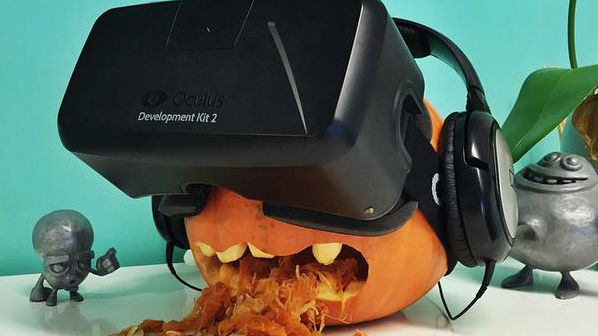
When you are playing a video games with unnatural control and movement of the characters it makes you annoyed. When it comes to VR the same kind of experience can even make you sick. There are three HD VR headsets being released shortly. Developers, who have actually used the headsets, are concerned with this particular aspect.

VR-1

The low-latency headsets being released by Oculus, HTC and Sony intends to correct this particular aspect which bogged down VR headsets so far.  But, many users still complains about feeling woozy after experiencing system from the Oculus Rift.

“The challenge is that people’s sensitivity to motion and simulator sickness varies wildly,” said Evan Suma, assistant professor, University of Southern California, during a lecture at annual gathering of game creators.

VR can be designed as an immersive experience but most of the game makers try to design it as an interactive entertainment appearing on flat screens in front of gamers. They don’t try to design it encasing the gamers.

A lot of advancements has been made, in this direction over past few years but users are still more concerned about being sick and losing their lunch than to beat the alien in an immersive gaming.

“It’s been a huge focus of development,” mentioned Hilmar Petursson, CEO of CCP Games, responsible for developing several VR games. .” ”We want super comfort all the way.”, he added. His developers of the game “Valkyrie” chose to cover seated players with a virtual cockpit to ground and protect them from the effects of appearing to whiz through space past asteroids, missiles and ships.

Many designers are trying to solve the problem by limiting movement of the virtual worlds and not subjecting the players with head-spinning scenario.

“If you have something for your brain to fixate on as the thing that matches similar inputs you’re given when sitting in the real world, you’re going to be feeling a lot better,” mentioned Palmer Luckey, co-founder of Oculus.

Oculus and Sony both were careful enough in this regard and posted health and safety warnings on the GDC show floor. They did mention about feeling motion sickness, nausea, disorientation and blurred vision. And, indeed, those were experienced by many attendees.

“After a morning’s worth of different Rift games, I felt disorientated, a touch nauseous and distinctly headachey,” mentioned Keza MacDonald, an experienced gamer, “After five hours, I felt like I needed a lie-down in a dark room.”

Kimberly Voll, a senior technical designer, mentioned in her GDC speech that the effects of VR on the brain is need to be evaluated carefully. She also added, “We really need to look hard at the effects of long-term exposure to VR, the psychological effects and what we can say about the power of our VR experiences,”.  Ms. Voll, incidentally, is an expert of computer and cognitive science.

With hype of VR at an all-time high and with the pre-orders for the Rift and HTC Vive sold out, it’s not a doubt that consumers want to experience VR.

To puk or not, that’s the only question !

[adinserter block=”7″]
Author: Technology and Beyond

Tagged : /

Top 5 Applications of 3D Printing that you may not be knowing

3D printing and its usage

This specialized printing process is capable of producing 3 dimensional objects. With the advent and development of modern 3D printing technology and combination with other applied sciences, it can now produce 3D objects for diverse regular lifestyle and scientific use. From producing daily lifestyle objects, durable products and furniture to aviation and automobile parts, from bionic limbs and artificial organs to designer fashion objects, 3D printed objects are increasingly becoming common across diverse scientific applications and purposes. Let us introduce here top 5 applications of 3 Dimensional printing.

Automobile

l13

URBEE-A-660x438

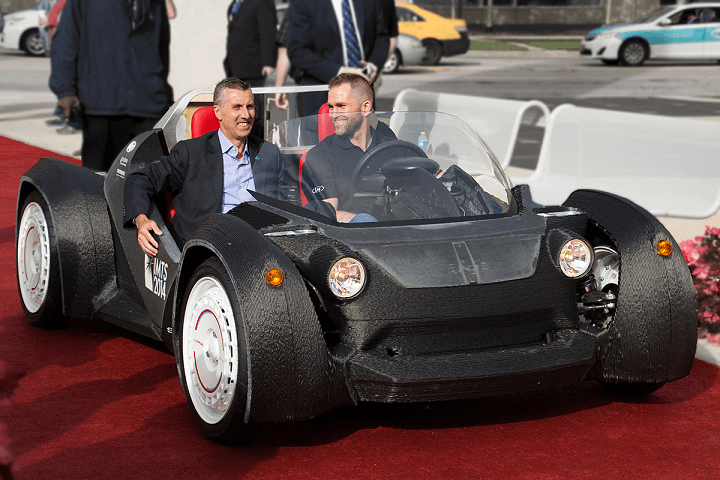
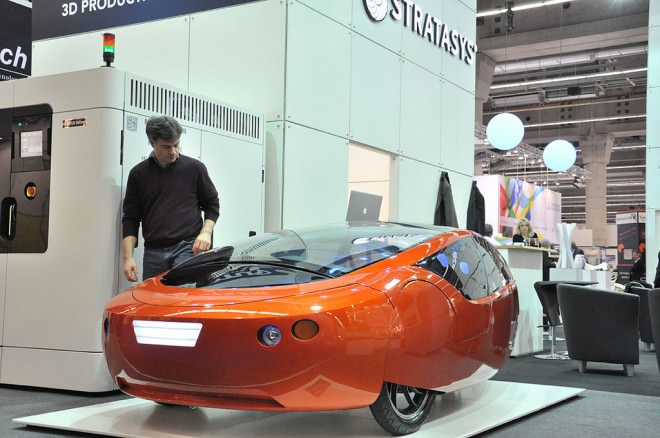
It has now become common for the world’s big automobile manufacturers to produce prototypes of car parts using 3 Dimensional printing. Rapid prototyping using this technology is helping the automobile brands to incorporate new design aspects and user-friendly elements. General Motor in 2014 developed its Chevrolet Malibu using taking help from 3 Dimensional printing prototypes in many aspects. Ford also uses this technology to produce prototypes for almost all of their new models. If these just offers bits and pieces of 3 Dimensional printing application in the automobile sector, then the latest Urbee 2 can well be considered as the first vehicle developed and designed fully using 3D printing technology.

Aviation

tech_ge49__01__630x420 2Seas2

Whether in commercial aviation or in space research projects, use of 3D printed objects are increasingly becoming common. Even NASA recently put a 3D printed rocket engine injector under extreme fire test and it not only successfully proved to be competent enough but even shown more efficiency than the injectors built earlier with the conventional method. Recently, the display of a 3D printed spaceship at the premier of the movie Interstellar is a sure indication that production of space objects are increasingly going to incorporate 3 Dimensional printing. Most major aircraft makers are already using extensive 3D printed prototypes for their air vehicles. Already an array of smart portable drones is built in various parts of the world using this technology.

Organ transplantation

icPX3GI7bg2M Heart

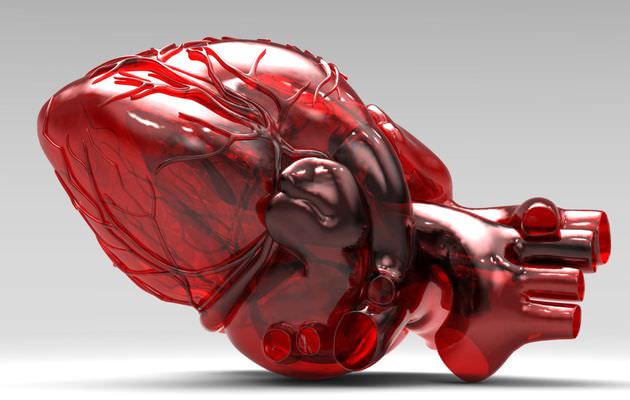
One of the most appreciated and hyped use of 3 Dimensional printing technology is the production of artificial limbs, organs and bionic limbs. In many parts of the globe several bionic limbs have been developed using 3D printing and it is increasingly becoming common technology in artificial organ manufacturing. According to most scientists involved in bioprinting solutions in various research facilities, the new 3D printed limbs and organs can unveil a new era of organ transplantation with unprecedented success and advancement.

[adinserter block=”7″]

 

Next Page For More


Tagged :

5 Futuristic Technologies for Modern Warfare

goggle
Futuristic Technologies

The progress in military technology is certainly baffling enough to make your head spin. Even our everyday exposure to technologies and its futuristic possibilities are nothing compared to the research and development of futuristic weapons and wartime gadgets. Military establishments around the world are continuously looking for more lethal weapons and killing mechanisms. In just a decade from now the modern warfare is going to experience some of the high-tech maneuvers that were unthinkable even a few years ago. Here we are going to introduce top 5 futuristic technologies of modern warfare.

Intelligent Drones

Futuristic Technologies

If you want to name a single military development in the past decade that changed the modern warfare then it is obviously the use of high-tech drones in various capacities in war zones or for regular defense measures. But these drones are still far from self-competent air vehicles with capability to perform a number of tasks without human intervention. Today’s military drones still need human intervention in all kinds of operations. As already the boundaries of modern science are being pushed further to make way for artificial intelligence in all devices, in the near future we can expect sentient drones with artificial intelligence and capabilities to perform a lot of tasks without human intervention.

Hyper-sonic Cruise Missiles

BrahMos-1 Tomahawk-cruise-missile-launch-libya

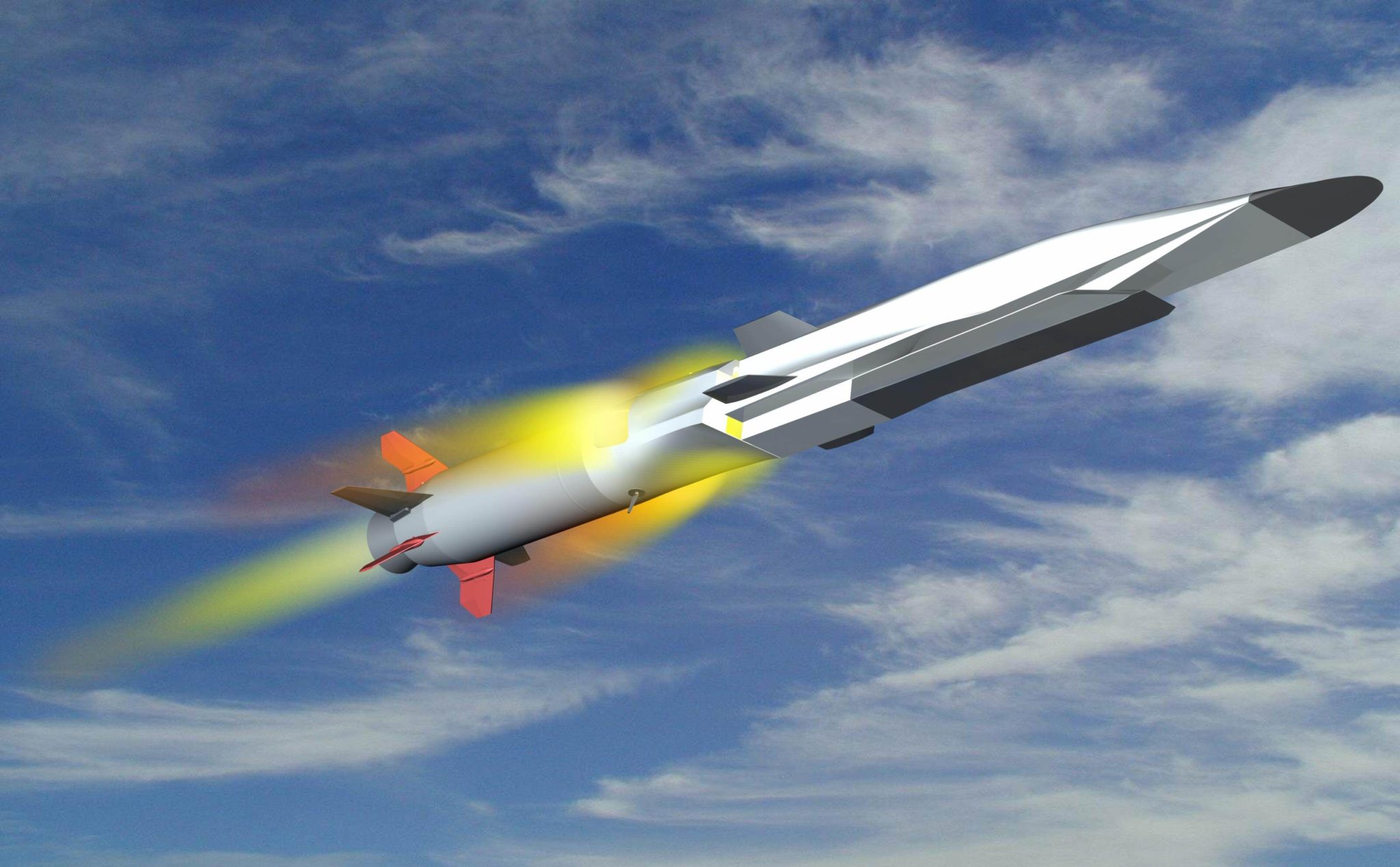
A military capability of striking anywhere around the globe in minutes following an intelligence input is what world greatest modern armies are driving at and hyper-sonic cruise missiles are the next big armament that can make this ambition come true. A Land Attack Cruise Missile (LASM) takes 80 minutes to hit target whereas this super fast missile can perform the same attack within just 12 minutes. US Army’s long-standing ambition of striking anywhere around the globe in minutes, are going to come true with this new missile technology undergoing research and development.

Weather Resistance Technology

4fd60cfb8ddcc.preview-620 images

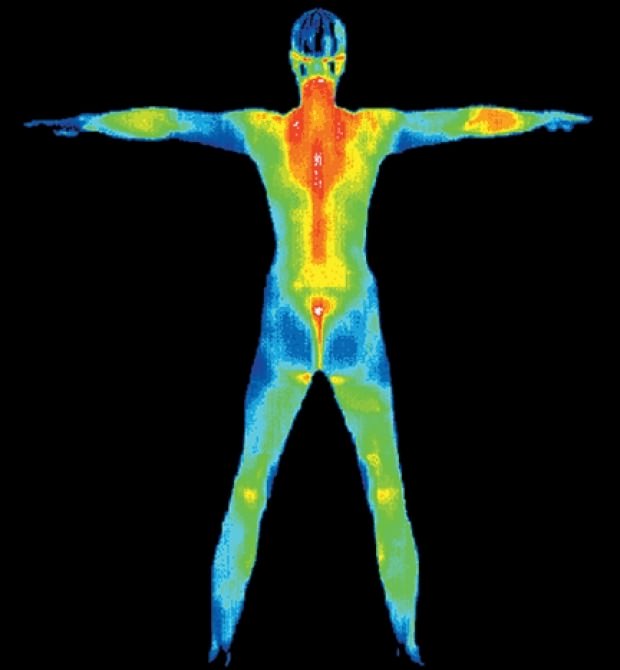
Too many battles in the history have been won or lost due to incapability of fighters in coping up with the extreme weather condition. It is a common experience of any soldier feeling too rigid or exhausted in too cold or hot temperature and committing mistakes or just losing nerves all too soon. Our body has neurological receptor that actually makes us sensitive to he temperature or varying weather condition. Recently, a neurologist has invented a natural way to switch off this receptor to prevent us from feeling these extremities in weather and quickly various military research establishments and observers found it a real promising discovery for practical wartime uses in soldiers exposed to extreme weather condition.

[adinserter block=”7″]
Next Page For More


Tagged :

Discrimination everywhere! Experienced bumblebees don’t share knowledge with the freshers! 

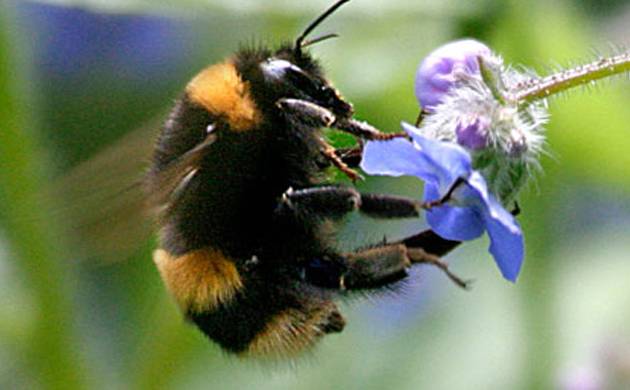
Experienced bumblebees are not inclined to share their knowledge on pollination with the newcomers, a new study indicated. “Like other pollinators, bees face complex routing challenges when collecting nectar and pollen – they have to learn how to link patches of flowers together in the most efficient way, to minimise their travel distance and flight costs, just like in a travelling salesman problem,” informed Mathieu Lihoreau, Queen Mary University of London (QMUL).

900488242-Bumblebee_6

“We wanted to monitor the way bumblebees behave when they bump into each other at flowers – would they compete, attack each other, or tolerate each other,” mentioned Lars Chittka from QMUL.

For the bees research study, researchers set up one of the biggest outdoor flight cages which measured massive 20 metres by 40 metres.

Inside, they installed number of artificial flowers which were fitted with motion-sensitive video cameras. To attract bees, these flowers were supplied with controlled nectar flow.

It was important that the bees visit only the artificial flowers and that’s why they  mowed the lawn every day alleviate all the natural ones. Subsequently, they allowed two bees in simultaneously – one experienced resident, and the other one was a newcomer.

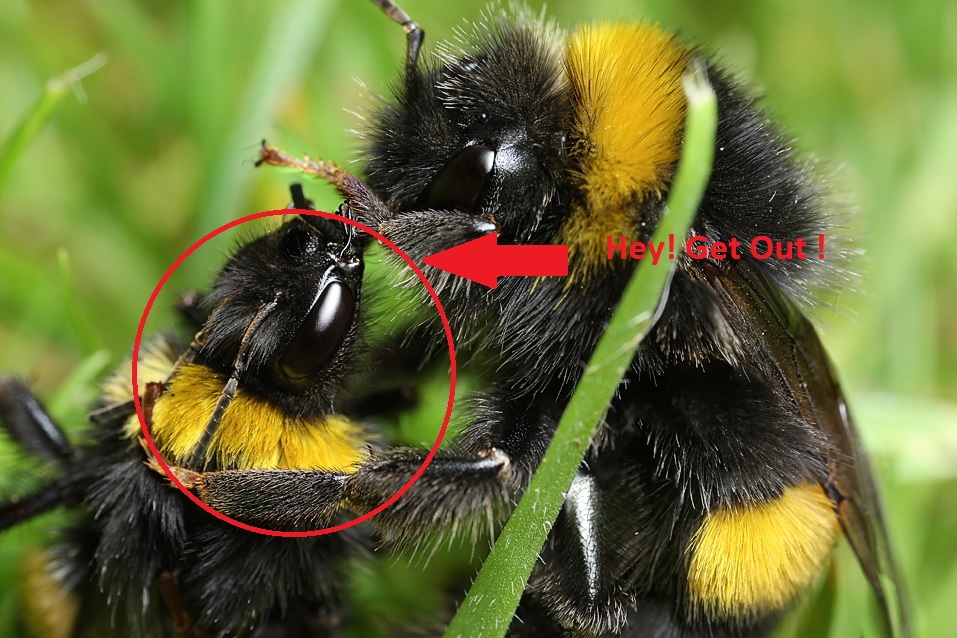
They anticipated that the newcomers will save some time by simply following the routes used by experienced resident bees. The newcomers did try to copy the seasoned bees, but, the seasoned bees really did not like their behaviour, and frequently fought with the newcomers and tried to drive them away from flowers.

“Our study is the first to examine the foraging routes followed by multiple bees at the same time,” informed Lihoreau.

“Responses to intense initial competition between bees for nectar could explain how pollinators gradually learn to visit different patches of flowers across the landscape,” he added.

“This work helps us understand how animals with relatively simple brains find workable solutions to complex route-finding problems,” commented Nigel Raine, University of London.

“Understanding how bees find and compete for flowers in the landscape is a critical first step to conserving these animals, and the essential pollination services they provide to crops and wild plants,” Raine commented.

The paper was published in the journal PLOS ONE.

[adinserter block=”7″]
Author: Technology and Beyond  

Tagged : /
Verified by ExactMetrics