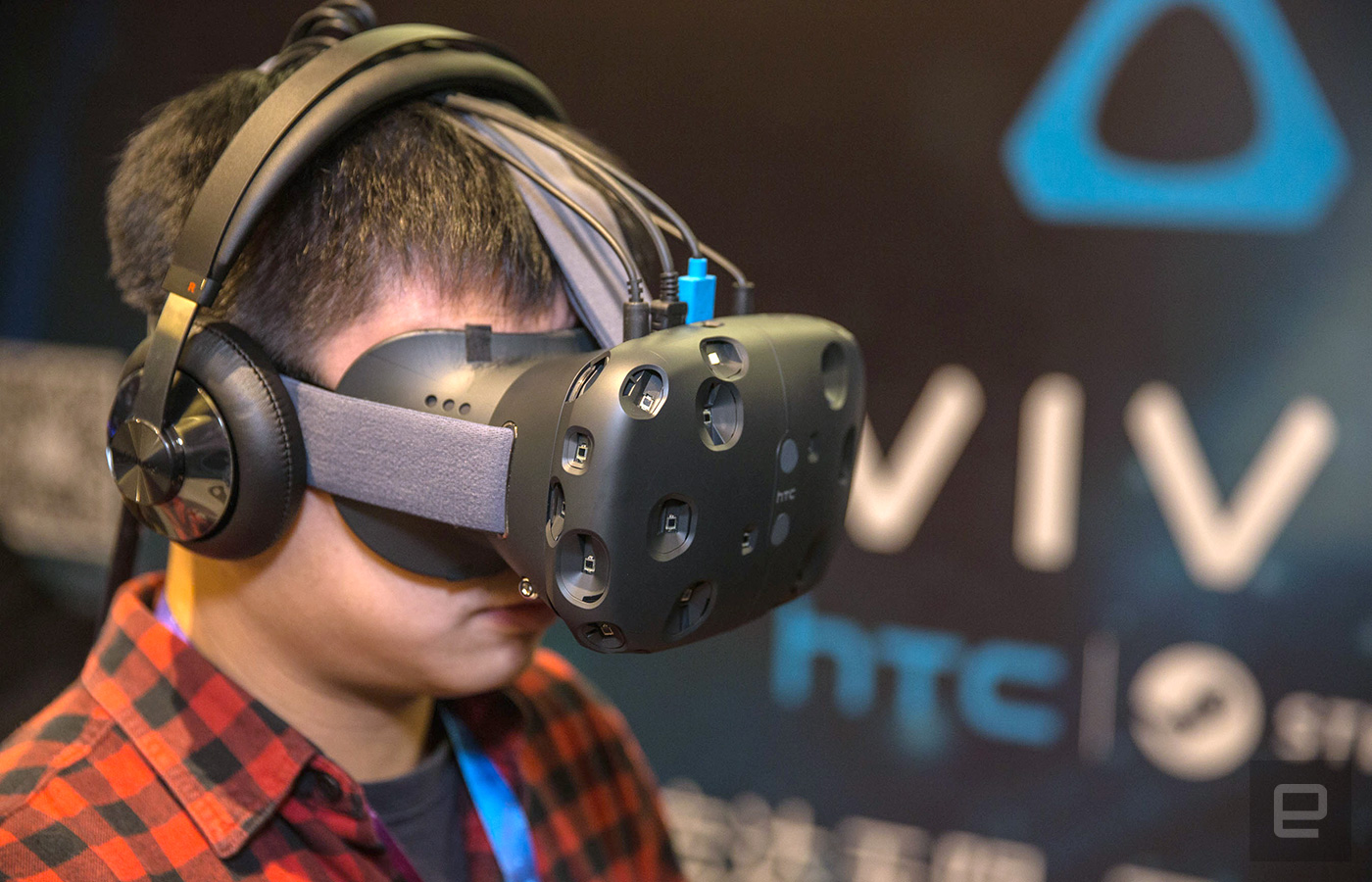
A new study published in the British Journal of Psychiatry Open, showed that virtual reality therapy could help people with depression reduce the symptoms by being less critical and more compassionate towards themselves.

The tests which were conducted used a total of 15 subjects aged 23-61, nine of whom reported reduced depressive symptoms a month after the therapy, and four experienced a clinically significant drop in depression severity, researchers said.
“People who struggle with anxiety and depression can be excessively self-critical when things go wrong in their lives,” said study lead Chris Brewin from UCL. The patients were made to wear a virtual reality headset to see from the perspective of a life-size ‘avatar’ or virtual body. This study was conducted by the University College London and ICREA-University of Barcelona.
The subjects were made to experience the feeling of embodiment by viewing a virtual body in a mirror moving in the same way as their own body. While embodied in an adult avatar, participants were trained to express compassion towards a distressed virtual child. As they talked to the child it appeared to gradually stop crying and respond positively to the compassion. After a few minutes the patients were embodied in the virtual child and saw the adult avatar deliver their own compassionate words and gestures to them. This was approximately an eight-minute procedure and was repeated three times a week for each subject for a month.
“In this study, by comforting the child and then hearing their own words back, patients are indirectly giving themselves compassion, the aim was to teach patients to be more compassionate towards themselves and less self-critical, and we saw promising results. A month after the study, several patients described how their experience had changed their response to real-life situations in which they would previously have been self-critical” said Brewin.
“We now hope to develop the technique further to conduct a larger controlled trial, so that we can confidently determine any clinical benefit. If a substantial benefit is seen, then this therapy could have huge potential as the recent marketing of low-cost home virtual reality systems means that methods such as this could potentially be part of every home and be used on a widespread basis,” said Mel Slater, professor at the ICREA-University of Barcelona.
[adinserter block=”7″]
Author: Technology and Beyond
