
Did you know we are on the verge of extinction?

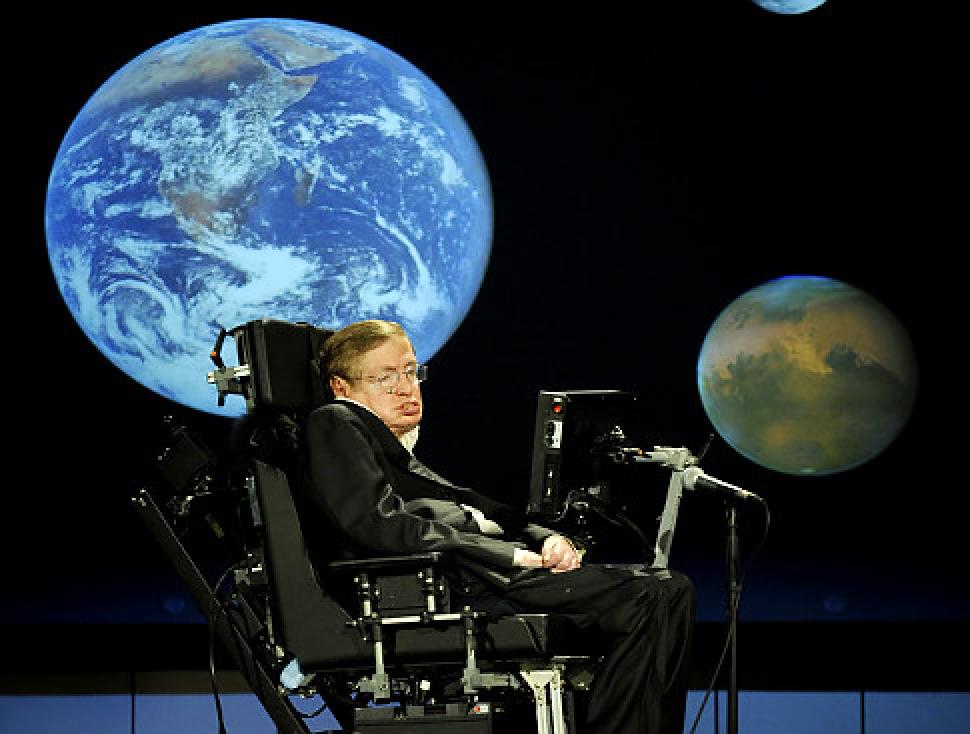
Stephen Hawking doesn’t need an introduction. His name speaks volumes. The brilliant astrophysicist has enlightened one and all with his various theories about the earth and the universe around.  At a recent press conference Hawking expressed that despite knowing that we-humans are destroying quite many things that maintain the balance between man and nature, despite knowing that the damage has far exceeded the hope to make it right and despite making a mess of everything natural around us, we aren’t yet ready to mend our ways. Hawking proposes that we are about to be wiped out off the face of the earth in 1000 years or so.
alg-hawking-jpg

Hawking says: “Although the chance of a disaster to planet Earth in a given year may be quite low, it adds up over time, and becomes a near certainty in the next 1,000 or 10,000 years.” And if you consider about the age of the universe, 1000 years isn’t that far practically. But does that mean total annihilation is imminent and unavoidable? If you believe Hawking, he has an optimistic approach to offer.

He says that forget 1000 years, we should be worried only about the next 100 because he believes that in a 1000 years’ time “we should have spread out into space, and to other stars, so a disaster on Earth would not mean the end of the human race.” But he also adds that, “We will not establish self-sustaining colonies in space for at least the next hundred years, so we have to be very careful in this period.”

According to Hawking, nuclear war, genetically engineered viruses and global warming are the greatest threats to the mankind and these can loom large over humanity in form of some disaster any given day. Hawking stresses on the fact that the next 100 years are extremely important for us because these will be the Hundred Years of Caution for us.

In order to save the humanity, we will even have to be very responsible in choosing who our leaders should be. He also stressed that a little scientific knowledge should be necessary for all. He said that in a democratic society “everyone needs to have a basic understanding of science to make informed decisions about the future. Communicate plainly what you are trying to do in science, and who knows, you might even end up understanding it yourself.”

Though this is something that will happen in the far-far future, we will have to take charge of things because you never know when that future transforms into the present.

[adinserter block=”7″]

Author: Technology Blog
Are these self-driving cars actually safe?

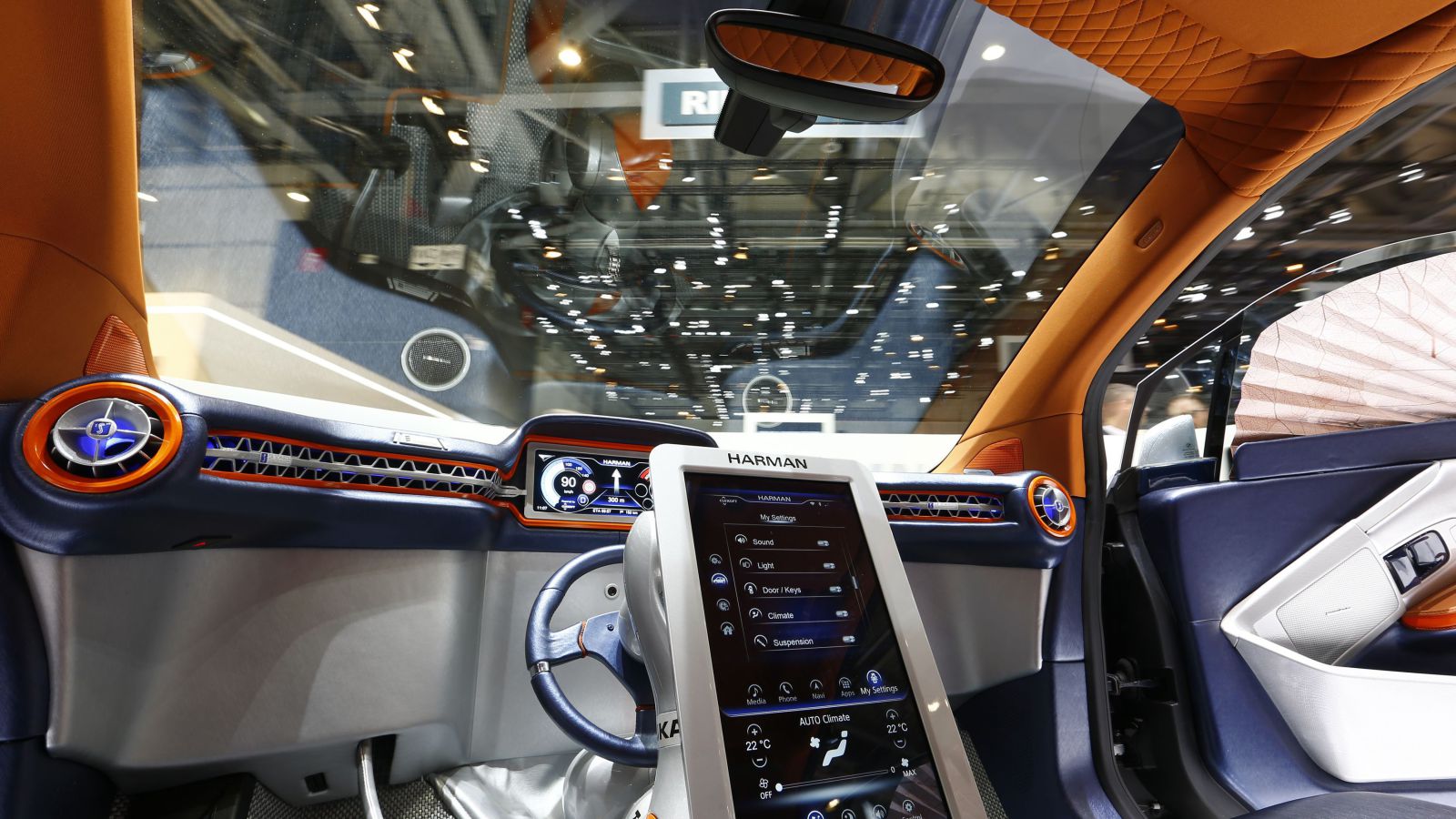
2020 has been earmarked as the year when autonomous cars may finally make it to the roads. But just four years to go, are we really sure that these cars are safe enough to be allowed to run on our roads along with other vehicles?

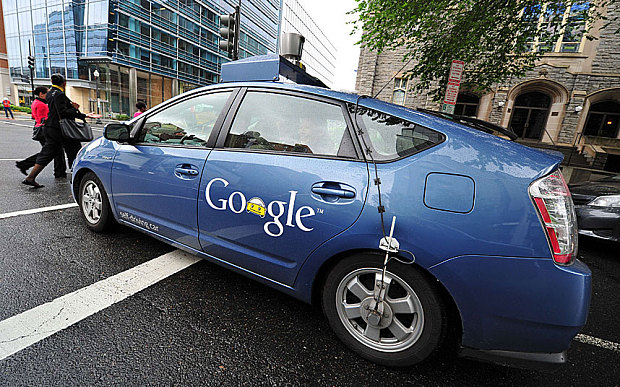
Based on data received from Google’s Self Driving Car Centre in Atwater, California, one can have some idea as to how things would look once these self-driving cars make an entry on to real roads. If one delves deep into these test drives then one comes to know that Google now has a fleet of 53 cars operating day and night, and they have logged 1.3 million miles of autonomous driving. Google is required by California state law to report “disengagements”—that is, times when either the computer has handed control of the car back to the driver, or the driver has taken over on his own.

google_3300415b

Though the cars have clocked appreciable number of miles the reporting process of the so called ‘disengagements’ isn’t entirely clear. This data is dicey because disengagements can happen anytime a car encounters something as simple as a piece of wood in the road and has to be steered around it.

It suggests they happen several times per trip. What amazes all is the fact that from the end of 2014 through the entire 2015, Google has reported just 341 disengagements. Probably Google felt that it didn’t have to report incidents that the car could have handled on its own.

Some of the data obtained also shows that the cars are getting better at driving on their own as the average distance between computer-initiated disengagements has gone down over time. In addition to this, the data reveals that the trained drivers stepped in on average within 0.84 seconds of the computer signalling it was turning control over to a human.

Though all these seem very encouraging as far as the progress of autonomous cars is concerned, the problem lies in the handoff between human and computer control because trained drivers like the ones Google employs may react quickly when the system needs help, but the research suggests that regular drivers are likely to zone out. That is they may not react exactly as one is expected to react in situations of changing controls. All in all, there is still a lot to be done to make these autonomous cars safe for the person travelling in it and travelling along with it on the roads.

[adinserter block=”7″]

Author: Technology Blog
Verified by ExactMetrics