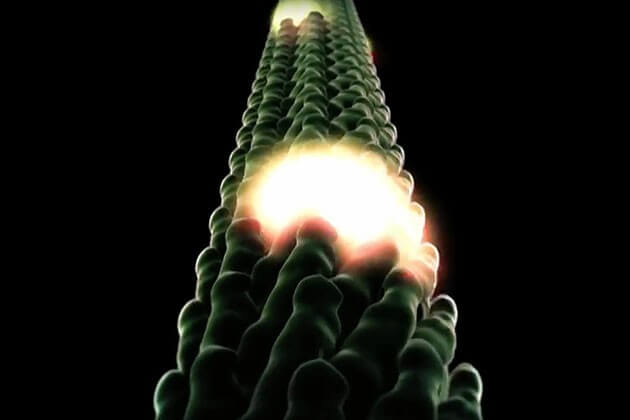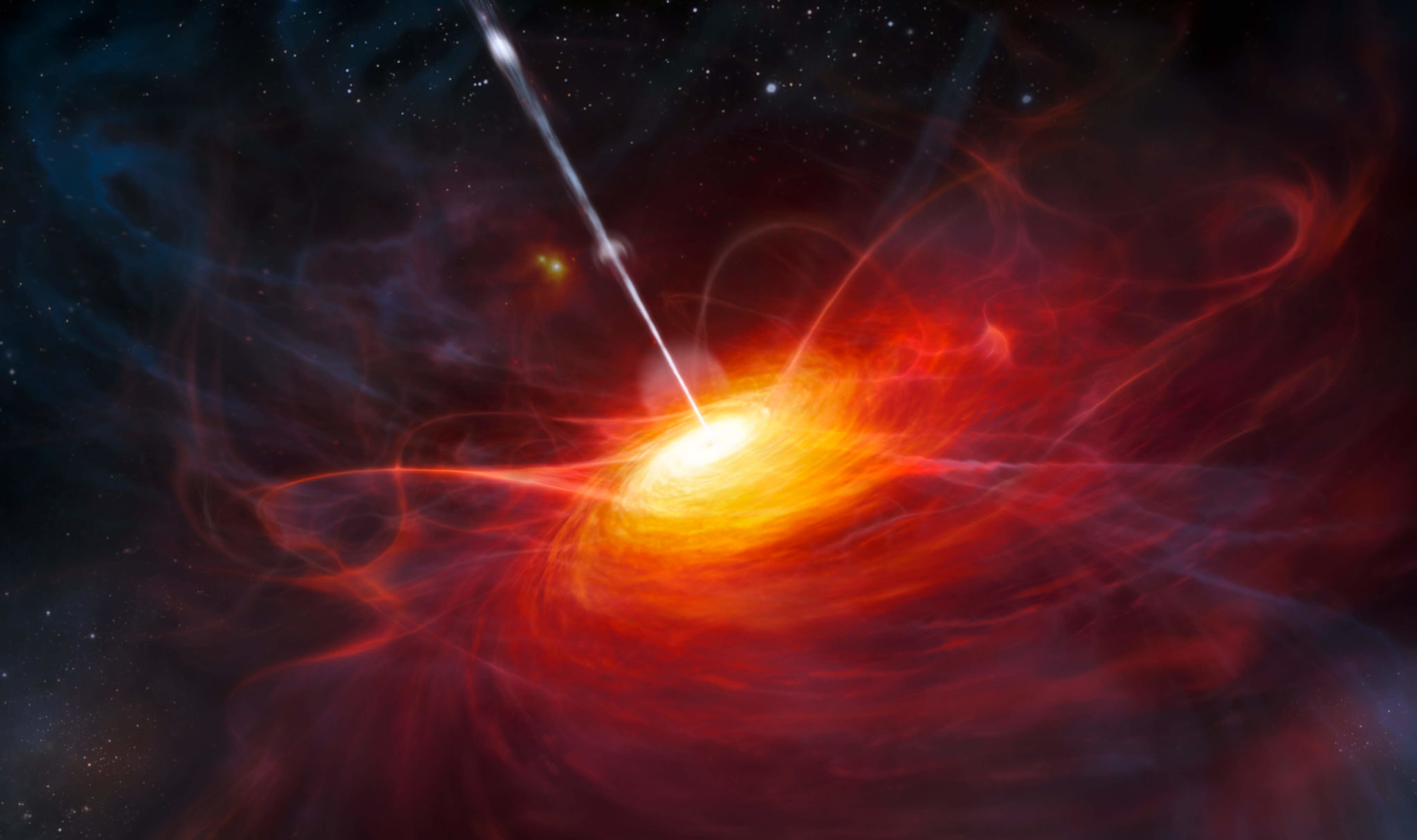
Comparing data from young stars in the latter stages of formation against that from black holes and white dwarfs, the team, which was led by Dr Simon Vaughan from the University of Leicester’s Department of Physics and Astronomy, made an unexpected discovery when it identified similarities in the readings from the discs surrounding black holes and young stars, even though the objects have wildly different properties.
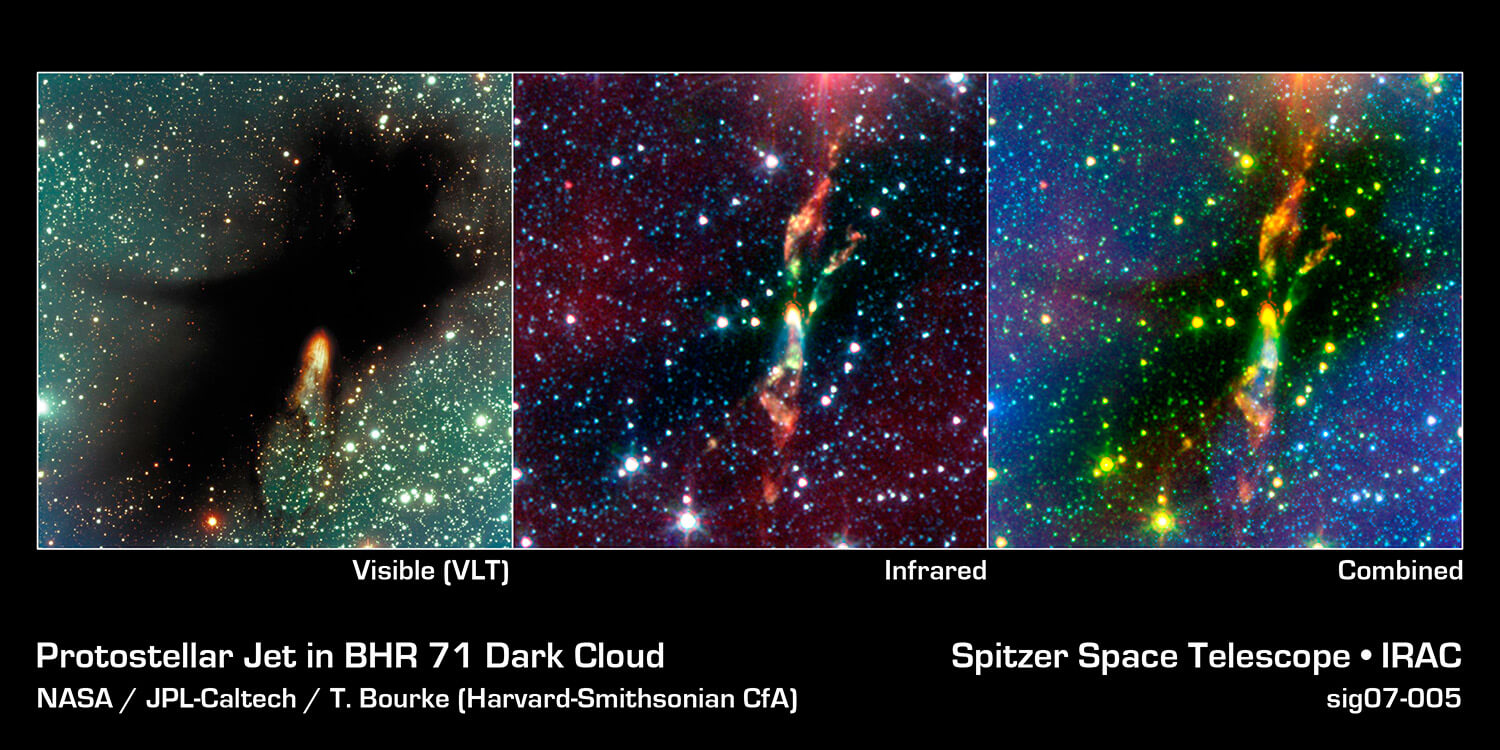
“The seemingly random fluctuations we see from the black holes and white dwarfs look remarkably similar to those from the young stellar objects,” said Dr Vaughan. “It is only the tempo that changes.”
To explain, the team targeted accretion discs as their object of study as it produced brightness variations around astronomical objects and provided a common ground of study. The instruments put to use were NASA’s Kepler/K2 and ULTRACAM– a superfast camera taking 500 pictures per second in three colours. ESO’s Very Large Telescope and the William Herschel Telescope were also involved in the process.
Thus, the team was able to conclude that the size of the object at the center of the disc, was influencing the speed of flickering in the observed brightness. This proves that the physics of accretion was sound and universally across all planetary bodies.
Findings of this have been published in Science Advances and have been funded in part by the Science and Technology Facilities Council with contribution from the Universities of Leicester, Southampton, Warwick and Sheffield to the study.
[adinserter block=”7″]
Author: Technology Blog