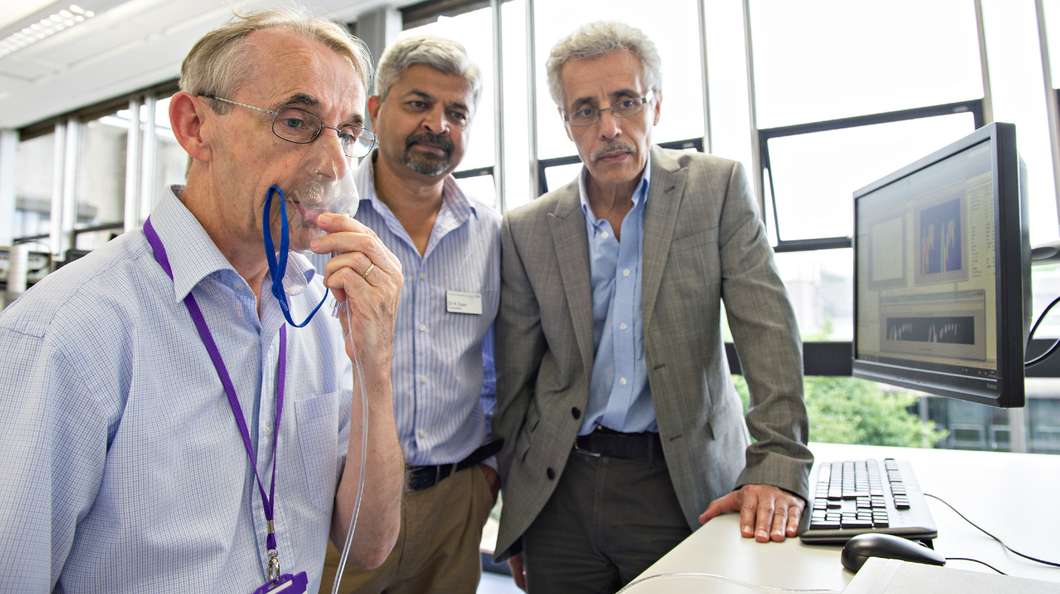
Much of the technology that exists to facilitate paralysis patients to communicate, are based on subtle signals, such as eye movements. But completely paralyzed patients might have trouble accomplishing even that. Some researchers at Britain’s Loughborough University have come up with a device that enable the breathing patterns of the patient to be formulated into pre-decided words or phrases.
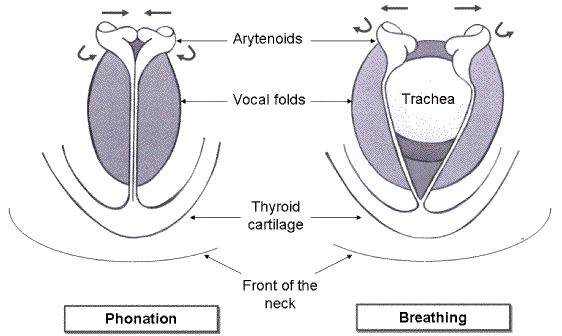
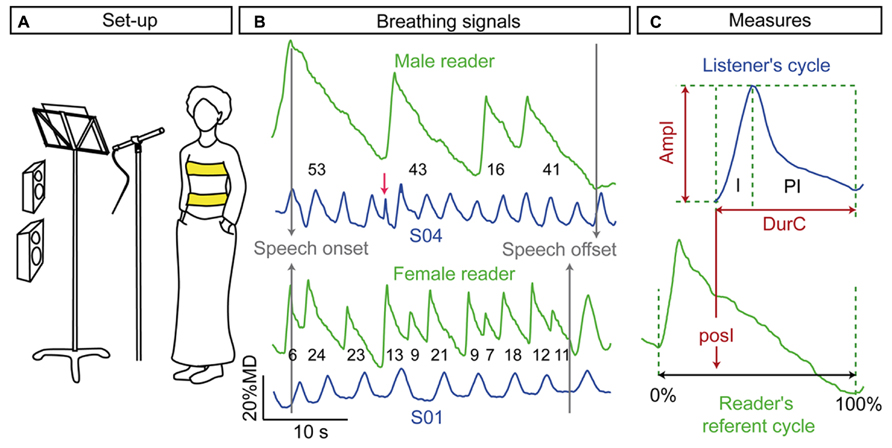
Known as the Augmentative and Alternate Communication (AAC) device, it consists of a nose/mouth mask linked by a hose to a computer, and uses a custom software converting analog-to-digital-signals. 97.5 percent success rate has been observed in the comprehension ability of this instrument.
“This device could transform the way people with severe muscular weakness or other speech disorders communicate,” says Dr. Atul Gaur, a consultant anesthetist who is collaborating with the Loughborough team.
“In an intensive care setting, the technology has the potential to be used to make an early diagnosis of locked-in syndrome (LIS), by allowing patients, including those on ventilators, to communicate effectively for the first time by breathing – an almost effortless act which requires no speech, limb or facial movements.”
[adinserter block=”7″]
Author: Technology Blog