No Bedwetting after This Treatment

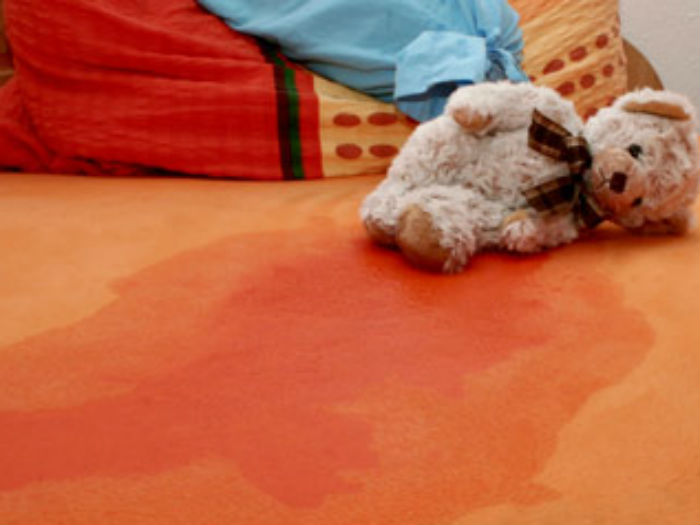
A recent treatment for bedwetting has been developed by team, led by Eman Khedr and colleagues at Assiut University Hospital in Egypt which involves the magnetic stimulation on the lower back.
bed-wetting

Transcranial magnetic stimulation has been around for quite a while and has been attempted to cure a myriad of ailments with. What started out as holding a device that generates a magnetic field over someone’s head, now has been modified to be held over the lower back of the bedwetting patient.

Two groups of children aged 10-18 years of age suffering from the issue of late bedwetting in spite of taking drugs for the problem, were selected at random. One group was given the full package of TMS treatment, while the other group was placed under placebo category where the paddle was tilted so the magnetic field was directed away from the back.

At first, both the groups dropped the frequency from six times/week to just once. A month later, however, only the children receiving the authentic treatment continued to show the progress, the others reverted back to the original frequency of bedwetting.
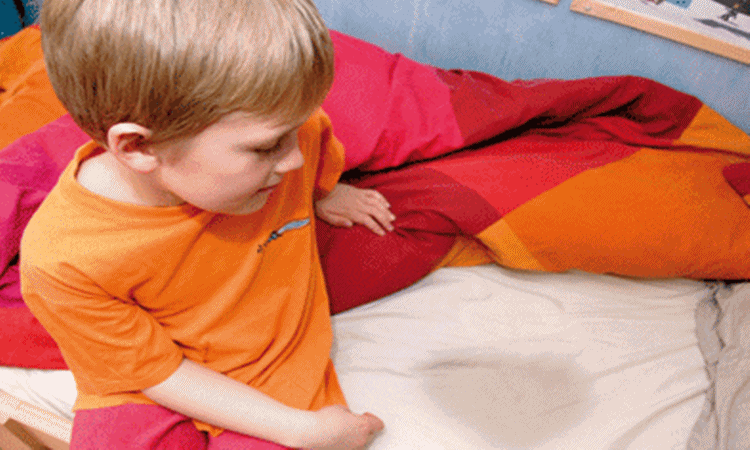
Childrens-Bed-Wetting-1

“TMS does seem to cause long-term changes to nerves,” says Nick Davis of the University of Swansea, UK. “But it could also be affecting the muscles involved in bladder control.”

[adinserter block=”7″]

Author: Technology Blog
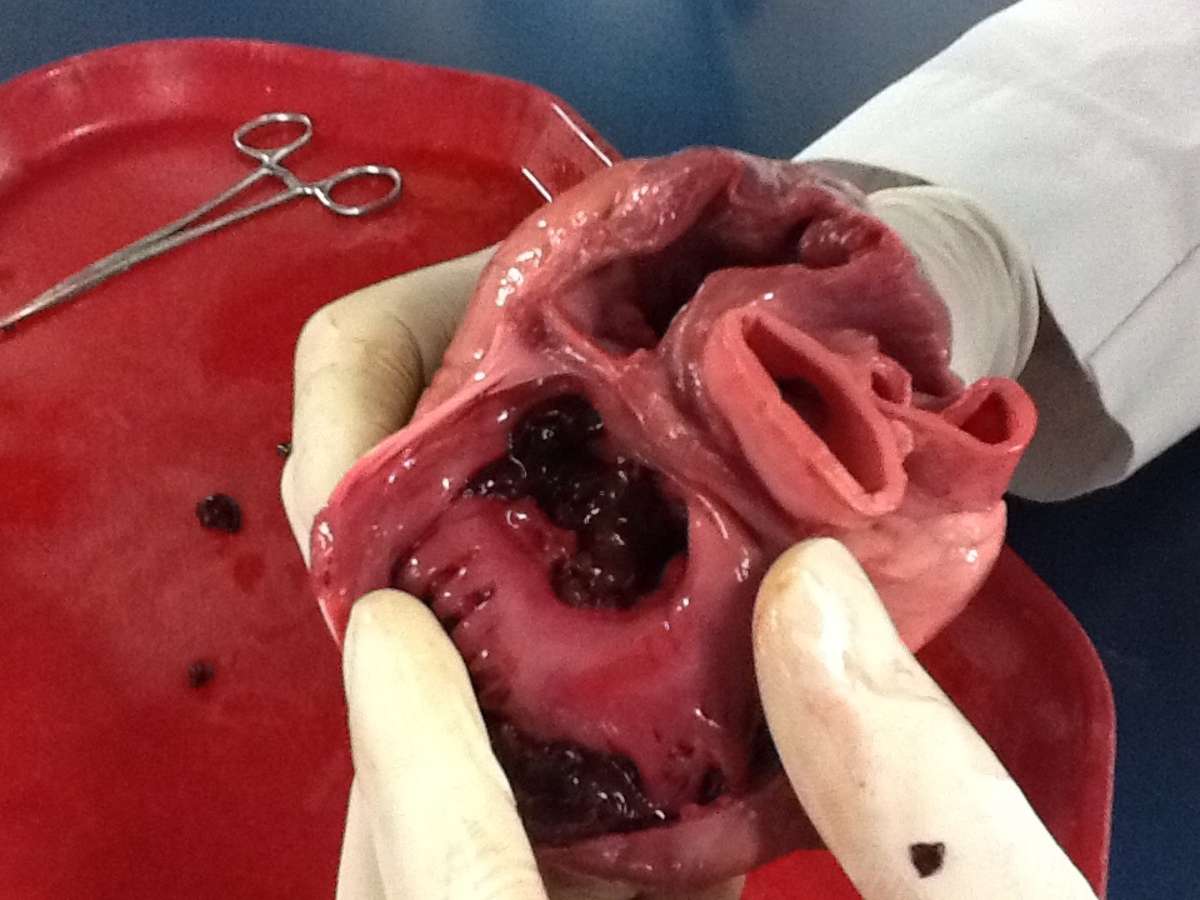
Heart Tissue-Velcro Helps Repairing Damaged Organs

The problem with synthetic heart tissue was that the final shape of the output was pretty unpredictable, balancing of the newly arranged layers was tricky and different layers of the tissue couldn’t be separated out.

heart-surgery

Now, why do the researchers have to peel off the layers anyway? Turns out, this is important to coat the layer with protective molecules to prevent breakdown and malfunction. Tests to determine influencing factors of the tissue’s durability such as, time, location, and different coating molecules, could be conducted by separating out layers, according to Milica Radisic, a chemical engineer at the University of Toronto and one of the study authors.

Radisic’s Tissue-Velcro is the solution researchers have come up with. This works much like the actual Velcro; one side of each layer has an array of loops made of the biodegradable polymer, and the other has T-shaped hooks of the same material. These sides attach perfectly, and can be separated without disturbing the working of the rest of the organ, or the polymer and molecules used in the layer.

Tests on neonatal mice have proved highly successful, as the Tissue-Velcro fits perfectly over the hole in the heart tissue of the mice. Removal of a few layers, doesn’t affect the structural integrity of the set-up. The layers were coated with epithelial cells that protect the polymers and molecules and prevent inflammation of the heart.

screen-shot-2015-08-28-at-10-52-39-am-png

The current use of Tissue-Velcro is for study and research, and less in actual surgeries. Effect of death and individual cell survival are being researched.

[adinserter block=”7″]

Author: Technology Blog

Living Space Increased with Convertible Spaces Apartments

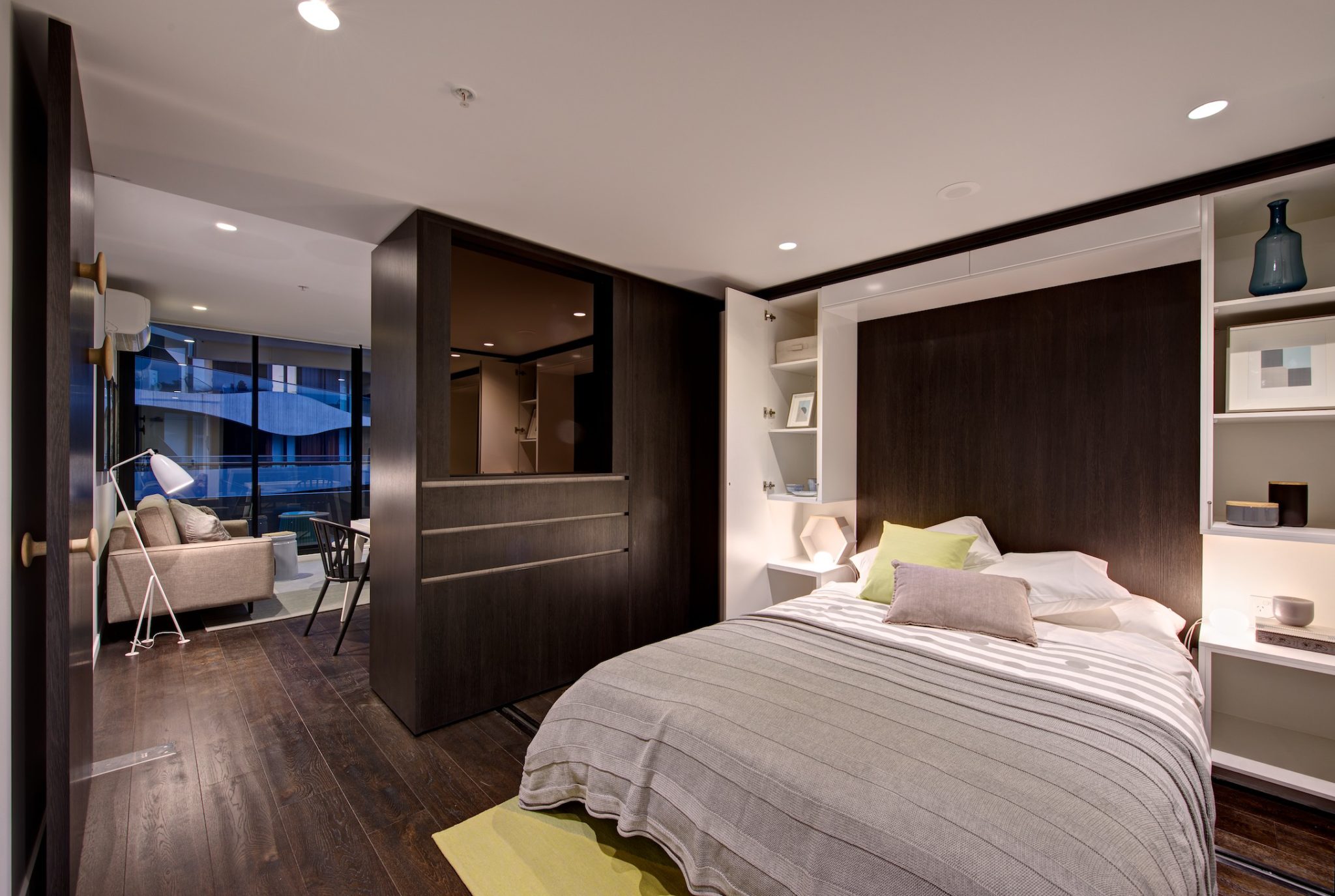
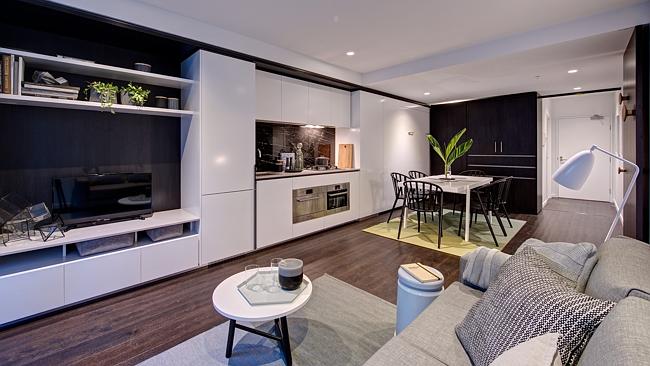
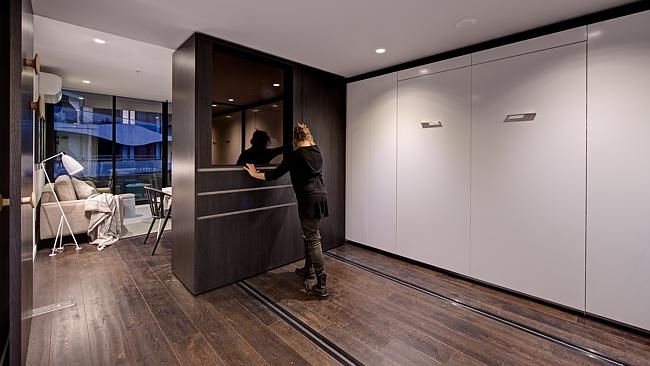
Space savers are the win-win apartments people have been hunting for lately. New Convertible Spaces apartments in Melbourne, Australia, are got this fact down to boot as they use this concept, with a design to increase the living space by 70%. These apartments take help of movable walls, among other things, to accomplish this feat. An adjustable kitchen/living area, a pull-down bed and several mobile units work as the charms of this project.

051746-e9a7ccf8-2222-11e5-a000-2ed7e4b5ace9

Other existing apartments, like the recently announced Yo! Home and the Zoku Loft, also use moving elements to change the format of the space. But, Convertible Spaces stands out among this lot as it targets young professionals who want premium-quality apartments and locations, with just 1BHK. In other words, Convertible Spaces aims at luxury living.

With high-end fixtures and fittings used throughout, an area of 19,588-sq m (210,843-sq ft), and AU$415,000 (US$297,000) to AU$455,000 (US$325,000) price, Convertible Spaces is quite the catch.

“By including a fold-down bed and moveable wall we add several meters to the apartment and offer occupiers an enormous amount of flexibility,” says principal of Rothelowman Chris Hayton. “When the bed is hidden away and the wall moved across into the bedroom area, the result is a 70 percent increase in living area.”

051798-e36ffc98-2222-11e5-a000-2ed7e4b5ace9

Other facilities the residents at the Sanctuary on the River development are benefited with are, a “hotel-inspired” and “light-filled” lobby and bar, a rooftop dining space, a lounge and a cinema. An on-site health and wellbeing retreat, meanwhile, boasts a pool and spa, a gym, a sauna and massage and beauty rooms.

[adinserter block=”7″]

Author: Technology Blog

Verified by ExactMetrics