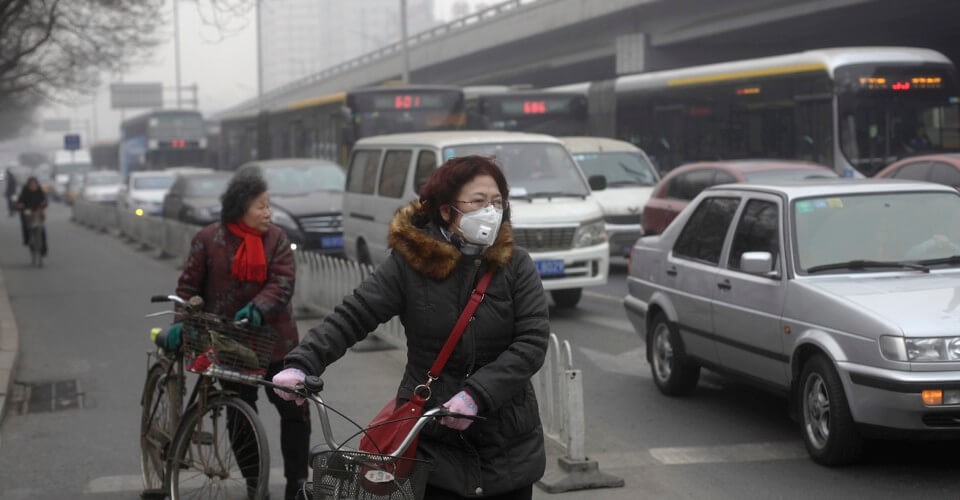
China’s air pollution has reached the average level of airborne particulates limit recommended by the World Health Organization, and crossed it to two and a half times more. China thus took the initiative to improve the air quality 10 percent, by 2017, through the Airborne Pollution Prevention and Control Action Plan. For this, IBM researchers have come up with an artificial intelligence that is perfect for this purpose.
The project, dubbed Green Horizon, uses “cognitive computing” i.e., extracts relevant data from various different models, and uses this to predict the severity of air pollution in different parts of the city several days in advance. The system also uses “adaptive machine learning” to determine the best combination of models to use.
“We have built a prototype system which is able to generate high-resolution air quality forecasts, 72 hours ahead of time,” says Xiaowei Shen, director of IBM Research China. “Our researchers are currently expanding the capability of the system to provide medium- and long-term (up to 10 days ahead) as well as pollutant source tracking, ‘what-if’ scenario analysis, and decision support on emission reduction actions.”
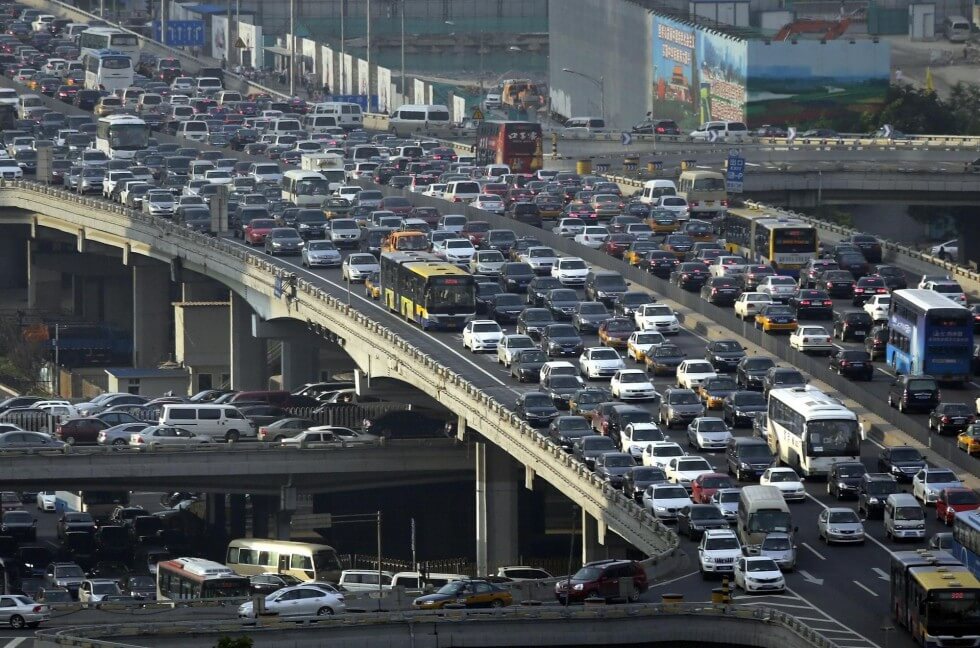
The air pollution can vary on a day-to-day depending on various factors including traffic, industrial activities and weather conditions. This system can predict these changes and recommend on how to lessen the pollution, for example, by closing down a street for a day, or minimizing the work in a factory for a week. The project also highlights an application of the technology that IBM would like to export to other countries where pollution is a growing problem.
[adinserter block=”7″]
Author: Technology Blog

