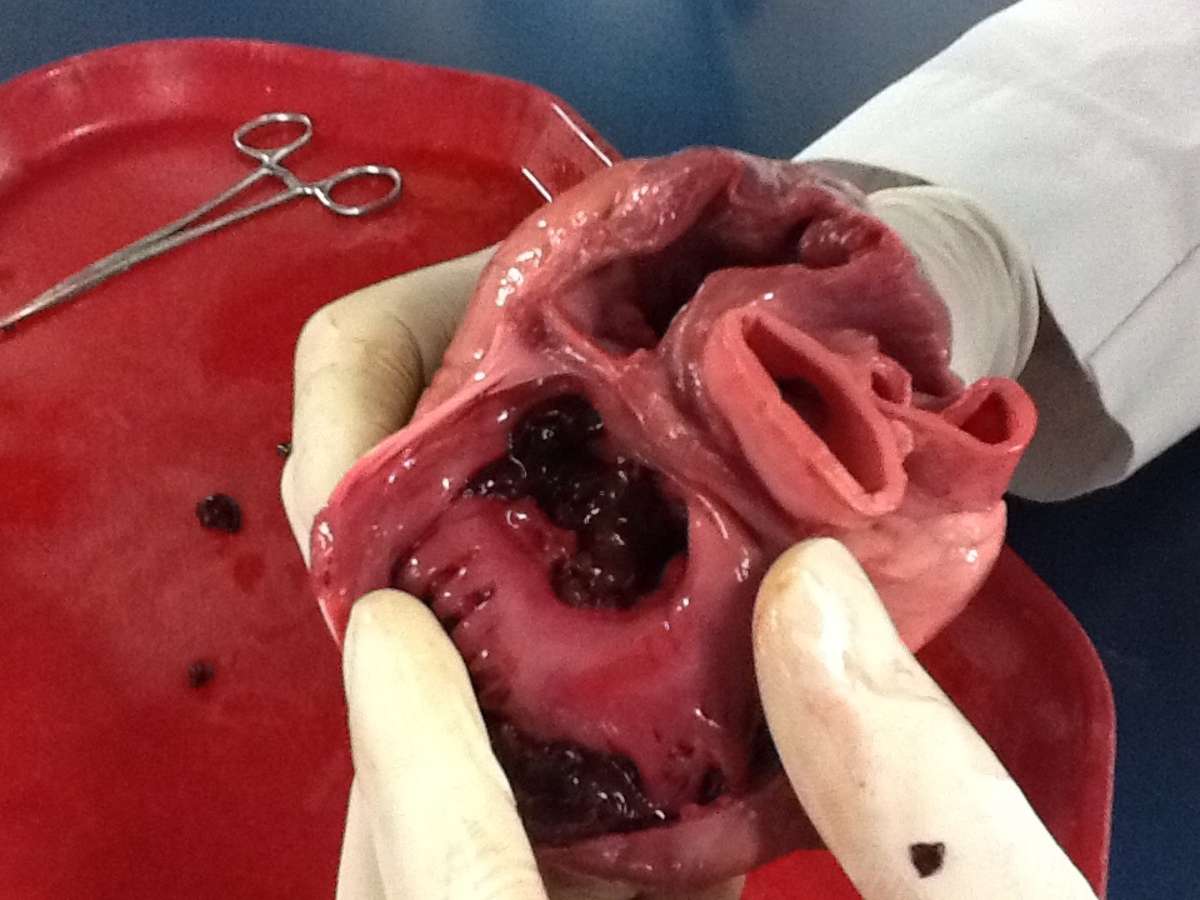
The problem with synthetic heart tissue was that the final shape of the output was pretty unpredictable, balancing of the newly arranged layers was tricky and different layers of the tissue couldn’t be separated out.

Now, why do the researchers have to peel off the layers anyway? Turns out, this is important to coat the layer with protective molecules to prevent breakdown and malfunction. Tests to determine influencing factors of the tissue’s durability such as, time, location, and different coating molecules, could be conducted by separating out layers, according to Milica Radisic, a chemical engineer at the University of Toronto and one of the study authors.
Radisic’s Tissue-Velcro is the solution researchers have come up with. This works much like the actual Velcro; one side of each layer has an array of loops made of the biodegradable polymer, and the other has T-shaped hooks of the same material. These sides attach perfectly, and can be separated without disturbing the working of the rest of the organ, or the polymer and molecules used in the layer.
Tests on neonatal mice have proved highly successful, as the Tissue-Velcro fits perfectly over the hole in the heart tissue of the mice. Removal of a few layers, doesn’t affect the structural integrity of the set-up. The layers were coated with epithelial cells that protect the polymers and molecules and prevent inflammation of the heart.

The current use of Tissue-Velcro is for study and research, and less in actual surgeries. Effect of death and individual cell survival are being researched.
[adinserter block=”7″]
Author: Technology Blog

