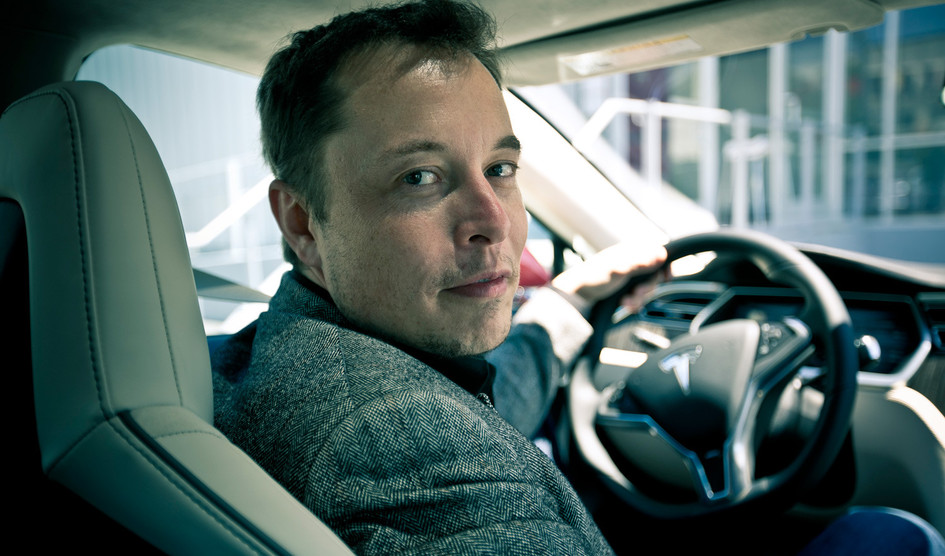
With driverless cars and continuous advancements in technology in the field of transport taking place, future generation might not drive. But what we are talking about here is an absolute ban on driving.
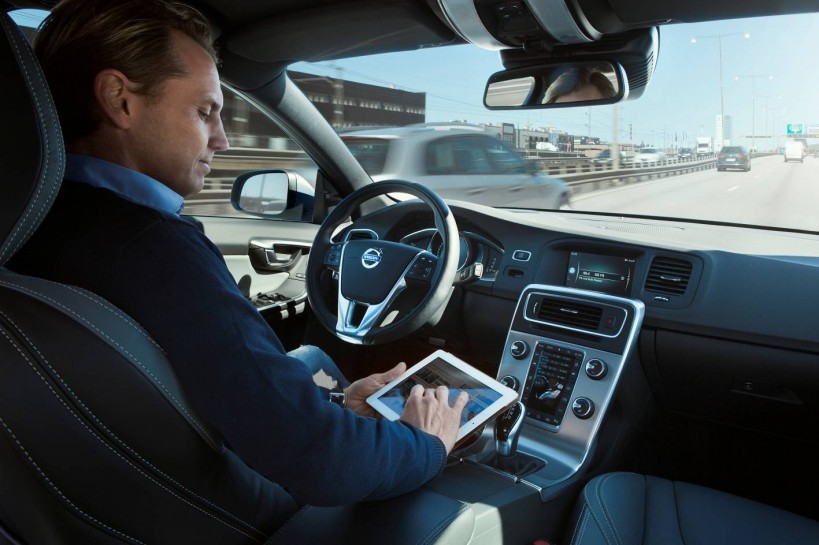
We’ll be too lazy to lift our hands to control the steering wheel anyway, in the future. So what calls for the ban?
Driving is the most dangerous task an average person will be undertaking in their entire lifetime. We drive to places daily. To work and back, to the grocery store and back…in that process, we multitask. We take selfies, we drink coffee, we text and we listen to music in the car or motorcycle. But did you know that actions such as drinking coffee, talking on the cell phone or eating, could reduce one’s reaction time same as an ounce of alcohol? Now that might not seem as much, but driving accidents have been increasing every year from easily avoidable actions on the part of the driver. More than 1.2 million people are killed in car accidents globally each year (which is more than the total casualties suffered by both sides in the Korean War).
Let’s say that you are sober and completely in control, looking out for the red lights and stop signs. But your office has been working you late and you are too sleepy to look straight. BAM! According to the National Sleep Foundation, 69 percent of adult drivers report driving while drowsy at least once a month.
Autonomous vehicles don’t need rest. They do not get distracted while on the job. They are fitted with cameras, infrared sensors, networked maps and a host of other software, which enables them to foresee and plan accordingly to avoid danger in ways that the human mind is too “scattered” to solve. They can brake faster, swerve quicker and also communicate with each other more efficiently and effectively than human-navigated vehicles.
Tesla CEO Elon Musk shocked the world when he proclaimed, “people may outlaw driving cars because it’s too dangerous.”
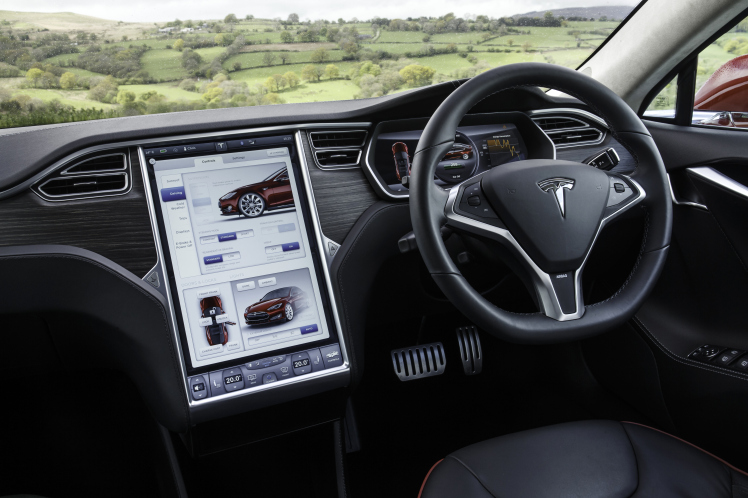
But according to the Eno Center for Transportation in Washington, D.C., about 21,000 a year would be saved if even a partial fraction of people stop driving manually. The faith in this belief that autonomous vehicles is the lifesaving solution can be evident seen in many countries. For example, the University of Michigan just dedicated 32 acres to build a self-driving test track. And the British government recently invested more than £50 million for trials to make British a global hub of self-driving cars tester and their component manufacturer.
[adinserter block=”7″]
Author: Technology Blog

