Trans Fats: What Are These And Why These Sneaky Culprits Are Dangerous?
Imagine a villain lurking in your favorite cookies, pastries, and even some savory snacks. This hidden enemy isn’t a sugar monster or a calorie counter, but something more insidious: trans fats.
What are Trans Fats?
Unlike their healthier cousins, unsaturated and saturated fats, trans fats are a type of unsaturated fat created by a process called hydrogenation. This process adds hydrogen atoms to vegetable oils, making them solidify and giving them a longer shelf life. While convenient for manufacturers, trans fats wreak havoc on our health.
Why are Trans Fats Bad?
The biggest concern with trans fats is their ability to raise LDL (“bad”) cholesterol levels while lowering HDL (“good”) cholesterol levels. This imbalance increases the risk of heart disease, stroke, type 2 diabetes, and even some types of cancer.
Where Do Trans Fats Hide?
Trans fats can be sneaky, often hiding under innocent-sounding names on food labels like “partially hydrogenated oils” or “shortening.” They lurk in:
- Fried foods: French fries, onion rings, and fried chicken are all common culprits.
- Baked goods: Cookies, pastries, doughnuts, and cakes often contain trans fats to improve texture and shelf life.
- Microwave popcorn: The convenient coating on some popcorn bags can be loaded with trans fats.
- Non-dairy creamers: Some coffee creamers use trans fats for a richer mouthfeel.
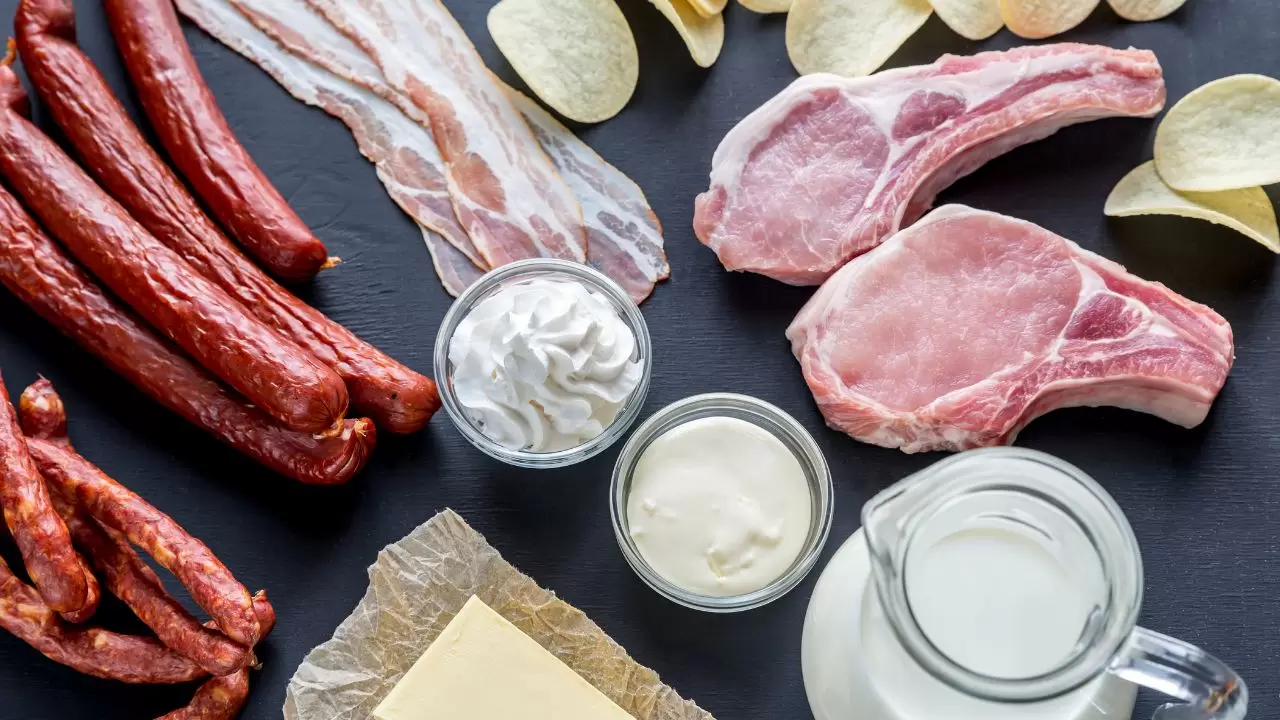
- Processed meats: Sausages, hot dogs, and frozen pizzas may contain trans fats.

So, how can you avoid these hidden nasties?
i. Read food labels carefully: Look for “partially hydrogenated oils” and avoid products that list them.
ii. Choose whole foods over processed foods: Fresh fruits, vegetables, and whole grains are naturally trans fat-free.
iii. Limit fried and baked goods: Opt for baked or grilled options whenever possible.
iv. Check for “trans fat-free” labels: Many food manufacturers have reduced or eliminated trans fats from their products.
The Good News:
The good news is that many countries, including the US, have taken steps to limit the use of trans fats in processed foods. This has led to a significant decrease in trans fat consumption and a subsequent drop in heart disease rates.
By being mindful of what you eat and reading food labels carefully, you can take control of your health and avoid the hidden dangers of trans fats. Remember, even small changes can make a big difference in the long run!
Additional Tips:
- When cooking, opt for healthy oils like olive oil, avocado oil, or canola oil.
- Choose lean protein sources like fish, beans, and poultry.
- Get regular exercise to help manage your cholesterol levels.
Let’s all work together to keep trans fats out of our diets and create a healthier future for ourselves and our loved ones.

