
These Are The Best and Worst Foods For Jaundice Patients
Jaundice is a condition in which the skin and whites of the eyes turn yellow. It is caused by a buildup of bilirubin, a yellow pigment that is produced when the body breaks down red blood cells. Jaundice can be caused by a number of factors, including liver disease, infections, and certain medications. The severity of jaundice can vary from mild to severe. In mild cases, the only symptom may be a yellow tint to the skin. In more severe cases, jaundice can also cause symptoms such as fatigue, nausea, vomiting, and itching.
Jaundice is usually not a serious condition, but it can be a sign of a more serious underlying medical problem. If you are experiencing jaundice, it is important to see a doctor to determine the cause and get treatment. The treatment includes medicines and proper diet. Food plays an important role in recovering from jaundice so you should know which foods are best and which are worst to eat during justice. Here is a list:
1 Fresh Fruits and Vegetables
Fresh produce is full of fibre and antioxidants that help with digestion and reduce the risk of liver damage. Citrus fruits (grapefruits, limes, and lemons), cruciferous vegetables (brussels sprouts, cauliflower, and broccoli), tomatoes, avocados, olives, melons, papayas, turnips, beets, grapes, blueberries, spinach, ginger, and garlic are among the fruits and vegetables that particularly help the liver.
2. Coffee and herbal tea
Herbal teas and coffee both include significant quantities of antioxidants, which help with digestion and remove toxins from the body, in addition to caffeine. It is well recognised that drinking coffee in moderation lowers the incidence of liver cirrhosis, toxic liver enzymes, and inflammation.
3. Whole grains
Whole grain foods contain a range of nutrients that are good for the liver, including healthy fats, fibre, minerals, and antioxidants. For instance, within 12 weeks of regular ingestion, beta-glucan-rich oats improve liver function.
4. Legumes and Nuts
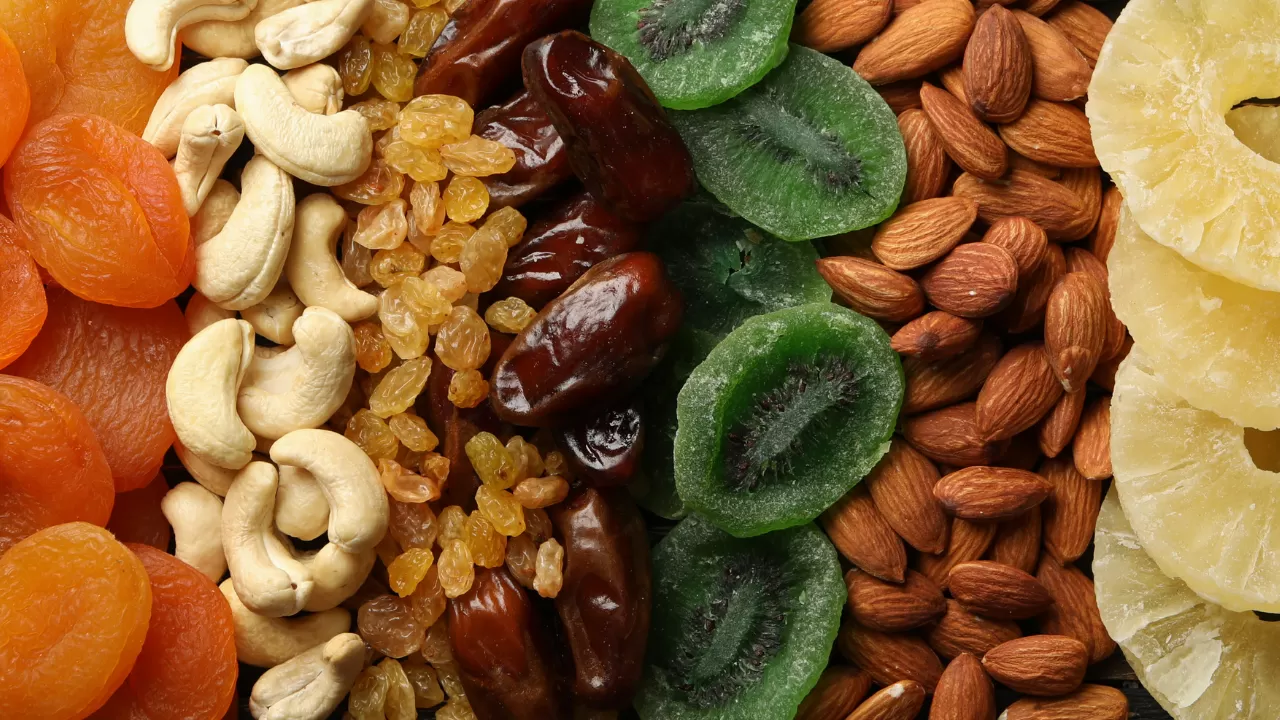
Nuts and legumes, which include peas, lentils, horse gramme, kidney, and other beans, are foods that are good for the liver. Because they are high in fibre, good fats, vitamin E, and phenolic acid, these foods for jaundice treatment are quite useful and speed up healing.
5. Lean Proteins
Lean proteins that are kind on the liver include tofu, fish, and lentils. Salmon and mackerel are two of the greatest oily fish species to eat if you have jaundice because they include zinc and omega-3, which promotes healthier metabolism.
6. Water
Water facilitates digestion and aids the kidneys and liver in removing toxins from the body. Therefore, the best strategy to treat jaundice is to consume adequate water.
The Worst food for a jaundice patient is:
1. Liquor
Alcohol is poisonous and bad for the liver. Additionally, it harms a number of interior body tissues. Chronic inflammation, liver dysfunction, and liver fibrosis can all be caused by excessive alcohol use. When jaundice is identified, alcohol must be completely avoided.
2. Refined carbohydrates
Large quantities of refined sugar are found in foods like white bread, pasta, soda, and baked goods. Unneeded refined sugar and carbs can harm the liver, cause obesity, and cause type 2 diabetes.
3. Foods that are processed, smoked, and canned
These foods are known to contain a lot of preservatives, including foods that have been canned or smoked to prevent jaundice. For instance, deli meats and canned vegetables are high in salt, which can dry the body, strain the liver, and impede digestion. Because packaged foods that contain 1.5 grammes of salt per 100 grammes or 0.6 grammes of sodium are thought to be high in salt, you should avoid them.
4. Trans and saturated fats
Saturated and trans fats are prohibited from a jaundice diet because they raise insulin resistance. Insulin aids in the digestion of sugar and controls blood sugar levels. Uncontrolled consumption of saturated and trans fats has been linked to obesity and malnutrition, both of which put the liver at danger. It is advised that diabetes patients minimise their consumption of fried, oily, and quick meals. Whole milk, cheese, full-fat yoghurts, and other dairy products all contain too much saturated fat and ought to be avoided.
5. Shellfish, uncooked or raw fish
Shellfish and raw or undercooked fish may include germs, viruses, parasites, and other poisons that might harm the liver and other digestive systems.
6. Pork and beef
A damaged liver cannot easily process the lipids and animal amino acids found in beef and pork. These meals also put a lot of stress on the liver, making them foods to stay away from if you have jaundice.
If you follow these tips, you can help to improve your liver function and clear bilirubin from your body. This will help to reduce the symptoms of jaundice and speed up your recovery.

