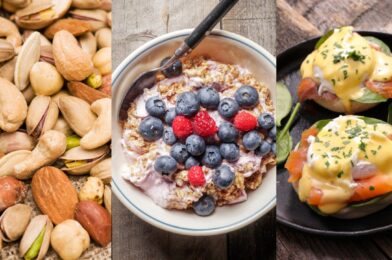
Boiled Egg Vs Omelette : Which is more nutritious?

Boiled Egg Vs Omelette : Which is more nutritious?
Eggs are a great source of protein, vitamins, and minerals. They are also relatively low in calories and fat. But when it comes to boiled eggs vs omelettes, which is more nutritious?

Boiled Eggs

Boiled eggs are a simple and healthy way to enjoy eggs. They are a good source of protein, vitamins B12, D, and riboflavin, and choline. They are also low in calories and fat.

Omelettes

Omelettes can be a more versatile way to enjoy eggs. They can be made with a variety of ingredients, such as vegetables, cheese, and meat. This can add extra nutrients to your omelette, but it can also add calories and fat.

Which is More Nutritious?

In general, boiled eggs are more nutritious than omelettes. This is because they are cooked without any added fats or oils. Omelettes, on the other hand, can be cooked with butter, oil, or cheese, which can add extra calories and fat.

However, omelettes can also be a healthy option if they are made with healthy ingredients. For example, an omelette made with vegetables and lean protein can be a good source of vitamins, minerals, and fiber. Boiled eggs and omelets are both nutritious options, but boiled eggs have a slight edge in terms of overall health benefits. They are lower in calories, fat, and cholesterol than omelets, and they do not require any added oils or fats for cooking. Omelets can be a healthy option if they are made with healthy ingredients, such as vegetables and lean protein. However, it is important to be mindful of the added calories and fat that can be introduced by these ingredients. Ultimately, the best choice for you depends on your individual needs and preferences.

Ultimately, the best choice for you depends on your individual needs and preferences. If you are looking for a quick and healthy snack, a boiled egg is a great option. If you are looking for a more filling and versatile meal, an omelette can be a good choice. Just be sure to choose healthy ingredients for your omelette.

Here are some additional tips for making a healthy omelette:

  • Use a non-stick pan to cook your omelette with minimal oil.
  • Fill your omelette with vegetables, such as spinach, mushrooms, and peppers.
  • Add lean protein, such as chicken, turkey, or beans.
  • Use low-fat cheese or skip the cheese altogether.
  • By following these tips, you can make an omelette that is both nutritious and delicious.

It is also important to eat eggs in moderation. Too much of anything can be bad for you, and eggs are no exception. The American Heart Association recommends that people limit their cholesterol intake to 300 milligrams per day. One large egg contains about 187 milligrams of cholesterol. So, if you are watching your cholesterol intake, you may want to limit your egg consumption to two or three per day.

Tagged : / / / /

Dental Health : 7 Superfoods For Healthy And Strong Teeth

Dental Health : 7 Superfoods for healthy and strong teeth
Your teeth are one of your most important assets, and taking care of them is essential for good overall health. Eating a healthy diet is a great way to keep your teeth strong and healthy, and there are certain foods that are particularly beneficial for dental health.

Here are 7 superfoods for healthy and strong teeth:

1. Leafy greens: Leafy greens like kale, spinach, and collard greens are packed with nutrients that are essential for dental health, including calcium, vitamin C, and folic acid. Calcium helps to strengthen tooth enamel, vitamin C helps to keep gums healthy, and folic acid helps to promote cell growth and repair.

2. Dairy products: Dairy products like milk, yogurt, and cheese are also good sources of calcium, as well as phosphorus and other nutrients that are important for dental health. Phosphorus helps to strengthen tooth enamel and rebuild tooth enamel after it has been eroded by acids.

3. Lean protein: Lean protein sources like chicken, fish, eggs, and beans are important for building and repairing tissues, including gum tissue. Lean protein is also a good source of phosphorus.

4. Water-rich fruits and vegetables: Water-rich fruits and vegetables like apples, celery, carrots, and cucumbers help to clean the teeth and stimulate the flow of saliva. Saliva helps to wash away food particles and bacteria, and it also contains minerals that help to protect the teeth.

5. Crunchy foods: Crunchy foods like nuts, seeds, and whole-grain breads help to clean the teeth and stimulate the flow of saliva. Crunchy foods are also good sources of fiber, which helps to balance the sugars in the diet and reduce the risk of tooth decay.

6. Green tea: Green tea contains catechins, which are plant compounds that have antibacterial and anti-inflammatory properties. Catechins can help to reduce plaque buildup and inflammation in the gums.

7. Strawberries: Strawberries contain vitamin C, which is important for gum health. Strawberries also contain malic acid, which can help to naturally whiten teeth.

Here are some tips for incorporating these superfoods into your diet:

  • Add leafy greens to your smoothies, salads, and stir-fries.
  • Snack on dairy products like yogurt and cheese.
  • Include lean protein sources in every meal.
  • Eat plenty of water-rich fruits and vegetables throughout the day.
  • Munch on nuts and seeds instead of processed snacks.
  • Drink green tea instead of coffee or soda.
  • Add strawberries to your breakfast cereal, yogurt, or smoothies.

    By eating a healthy diet that includes these superfoods, you can help to keep your teeth strong and healthy for a lifetime.

Tagged : / / / /

8 Amazing Benefits Of Eating Dark Chocolates

8 Amazing Benefits Of Eating Dark Chocolates
Dark chocolate is a delicious and nutritious treat that has been enjoyed for centuries. It is made from cocoa beans, which are a good source of antioxidants, minerals, and other beneficial compounds.

Here are eight of the most impressive health benefits of dark chocolate:

1. Improves heart health
Dark chocolate is rich in flavanols, which are plant compounds that have been shown to improve heart health. Flavanols can help to lower blood pressure, improve blood flow, and reduce inflammation.

A study published in the journal “Heart” found that people who ate the most dark chocolate had a 23% lower risk of death from heart disease than those who ate the least.

2. Protects the brain
Dark chocolate contains antioxidants that can help to protect the brain from damage. These antioxidants can help to improve cognitive function, memory, and mood.

A study published in the journal “Neurology” found that people who ate dark chocolate regularly had a better memory and performed better on cognitive tests than those who did not eat dark chocolate.

3. Reduces the risk of cancer
Dark chocolate contains compounds that have been shown to have anti-cancer properties. These compounds can help to protect cells from damage and prevent the growth of cancer cells.

A study published in the journal “Cancer Epidemiology, Biomarkers & Prevention” found that people who ate the most dark chocolate had a 57% lower risk of developing colorectal cancer than those who ate the least.

4. Improves blood sugar control
Dark chocolate can help to improve blood sugar control in people with type 2 diabetes. Flavanols in dark chocolate can help to improve insulin sensitivity and reduce blood sugar levels.

A study published in the journal “Diabetes Care” found that people with type 2 diabetes who ate dark chocolate regularly had lower blood sugar levels than those who did not eat dark chocolate.

5. Boosts the immune system
Dark chocolate contains antioxidants that can help to boost the immune system. These antioxidants can help to protect the body from infection and disease.

A study published in the journal “PLoS ONE” found that people who ate dark chocolate regularly had a stronger immune system than those who did not eat dark chocolate.

6. Improves mood
Dark chocolate contains compounds that can help to improve mood. These compounds can help to reduce stress, anxiety, and depression.

A study published in the journal “The Journal of Psychopharmacology” found that people who ate dark chocolate regularly had a better mood and felt less anxious than those who did not eat dark chocolate.

7. Improves skin health
Dark chocolate contains antioxidants that can help to improve skin health. These antioxidants can help to protect the skin from damage and reduce the signs of aging.

A study published in the journal “Skin Pharmacology and Physiology” found that people who ate dark chocolate regularly had smoother, more hydrated skin than those who did not eat dark chocolate.

8. Promotes weight loss
Dark chocolate can help to promote weight loss by reducing appetite and increasing metabolism. Flavanols in dark chocolate can help to increase feelings of fullness and reduce cravings for unhealthy foods.

A study published in the journal “Obesity” found that people who ate dark chocolate regularly lost more weight and had a lower body mass index (BMI) than those who did not eat dark chocolate.

It is important to note that dark chocolate is high in calories and fat, so it should be consumed in moderation. The recommended serving size of dark chocolate is one ounce (28 grams).

However, when consumed in moderation, dark chocolate is a delicious and nutritious treat that can offer a variety of health benefits.

Tagged : / / / /

5 Healthy Foods That Become Unhealthy If Consumed At Night

5 Healthy Foods That Become Unhealthy If Consumed At Night
While it’s important to eat healthy foods throughout the day, there are some foods that are best avoided at night. This is because your body metabolizes food differently at night, and eating certain foods can disrupt your sleep and lead to other health problems.

Here are five healthy foods that can become unhealthy if consumed at night:

1. Fruits with high water content

Fruits like watermelon, cucumber, and celery are all high in water content. While eating these fruits is great for your hydration levels, it can also lead to frequent urination at night, which can disrupt your sleep. Some fruits are high in carbohydrates, which can cause a spike in blood sugar levels. This can lead to insomnia and other sleep problems.

2. Curd

Curd is a good source of protein and calcium, but it can be unhealthy if eaten at night because it is difficult to digest. Curd can also cause gas and bloating, which can make it difficult to sleep.

3. Chicken

Chicken is a lean protein source, but it is also high in tyrosine. Tyrosine is an amino acid that is converted into dopamine, a neurotransmitter that can keep you awake. Eating chicken before bed can make it difficult to fall asleep.

4. Cauliflower and broccoli

Cauliflower and broccoli are both healthy vegetables, but they are also high in fiber. Fiber can be difficult to digest, and eating cauliflower or broccoli before bed can cause indigestion and discomfort.

5. Chocolates

Chocolates are high in sugar and caffeine, both of which can disrupt sleep. Sugar can cause a spike in blood sugar levels, followed by a crash. This can lead to insomnia and other sleep problems. Caffeine is a stimulant that can keep you awake and make it difficult to fall asleep.

Here are some tips for choosing healthy foods to eat at night:

  • Choose foods that are easy to digest, such as yogurt, oatmeal, and bananas.
  • Avoid foods that are high in sugar, caffeine, and fat.
  • Eat a small dinner or snack a few hours before bed.
  • Drink plenty of water throughout the day, but avoid drinking too much water close to bedtime.

By following these tips, you can choose healthy foods that will help you sleep better and wake up feeling refreshed.

Tagged : / / /

The Magic Of Black : 10 Black Foods That Are Super Healthy

The Magic Of Black : 10 Black Foods That Are Super Healthy
Black foods are often overlooked when it comes to healthy eating, but they offer a number of unique nutritional benefits. The dark color of black foods is due to the presence of anthocyanins, which are powerful antioxidants. Anthocyanins have been shown to have a number of health benefits, including reducing inflammation, improving heart health, and protecting against cancer.

Here are 10 black foods that are super healthy:

1. Black beans: Black beans are a good source of protein, fiber, and complex carbohydrates. They are also low in calories and fat. Black beans can help to lower cholesterol levels, regulate blood sugar levels, and improve digestion.

2. Black rice: Black rice, also known as forbidden rice, is a type of whole grain rice that is high in antioxidants and nutrients. Black rice is a good source of fiber, protein, and iron. It is also low in calories and fat. Black rice can help to improve heart health, reduce inflammation, and boost the immune system.

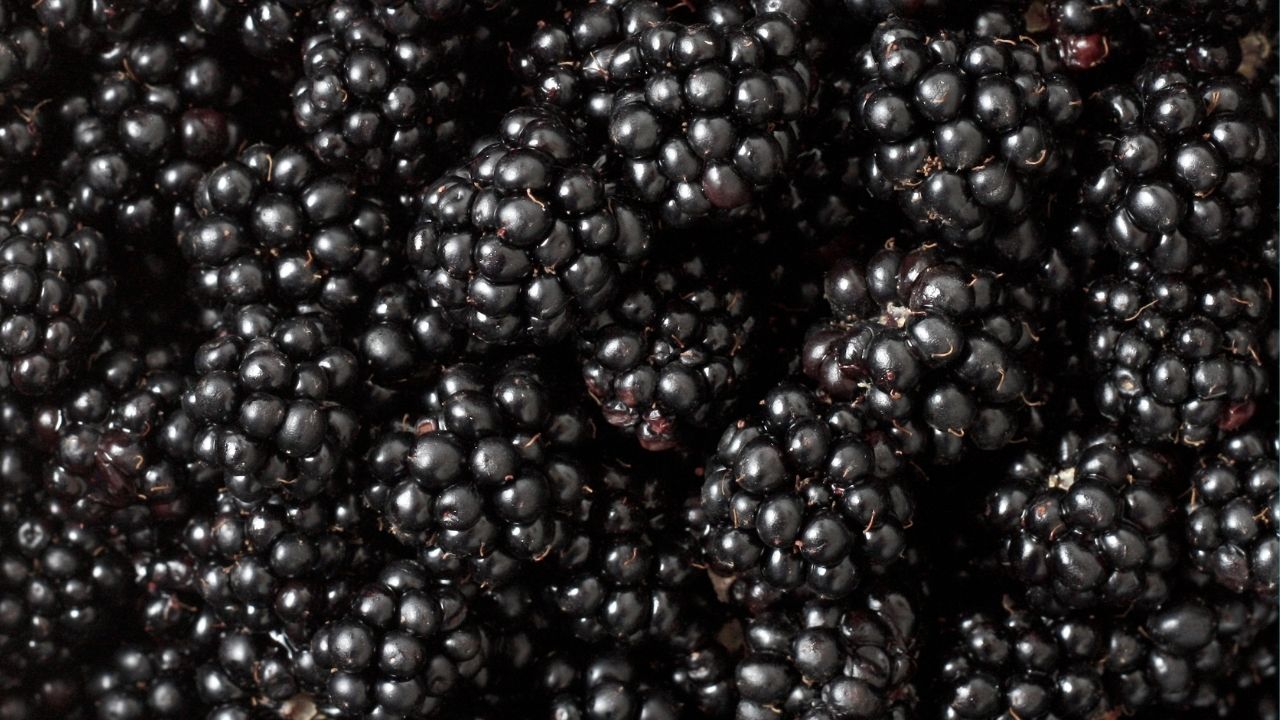
3. Blackberries: Blackberries are a delicious and nutritious fruit that is high in antioxidants, vitamins, and minerals. Blackberries are a good source of vitamin C, vitamin K, and dietary fiber. They are also low in calories and fat. Blackberries can help to improve heart health, reduce inflammation, and boost the immune system.

4. Black lentils: Black lentils are a good source of protein, fiber, and complex carbohydrates. They are also low in calories and fat. Black lentils can help to lower cholesterol levels, regulate blood sugar levels, and improve digestion.

5. Black sesame seeds: Black sesame seeds are a good source of protein, fiber, and healthy fats. They are also a good source of calcium, magnesium, and iron. Black sesame seeds can help to improve heart health, boost the immune system, and strengthen bones.

6. Black quinoa: Black quinoa is a type of whole grain that is high in protein, fiber, and complex carbohydrates. It is also a good source of iron, magnesium, and zinc. Black quinoa can help to improve heart health, lower cholesterol levels, and regulate blood sugar levels.

7. Black tea: Black tea is a good source of antioxidants and polyphenols. Black tea has been shown to improve heart health, reduce inflammation, and boost the immune system.

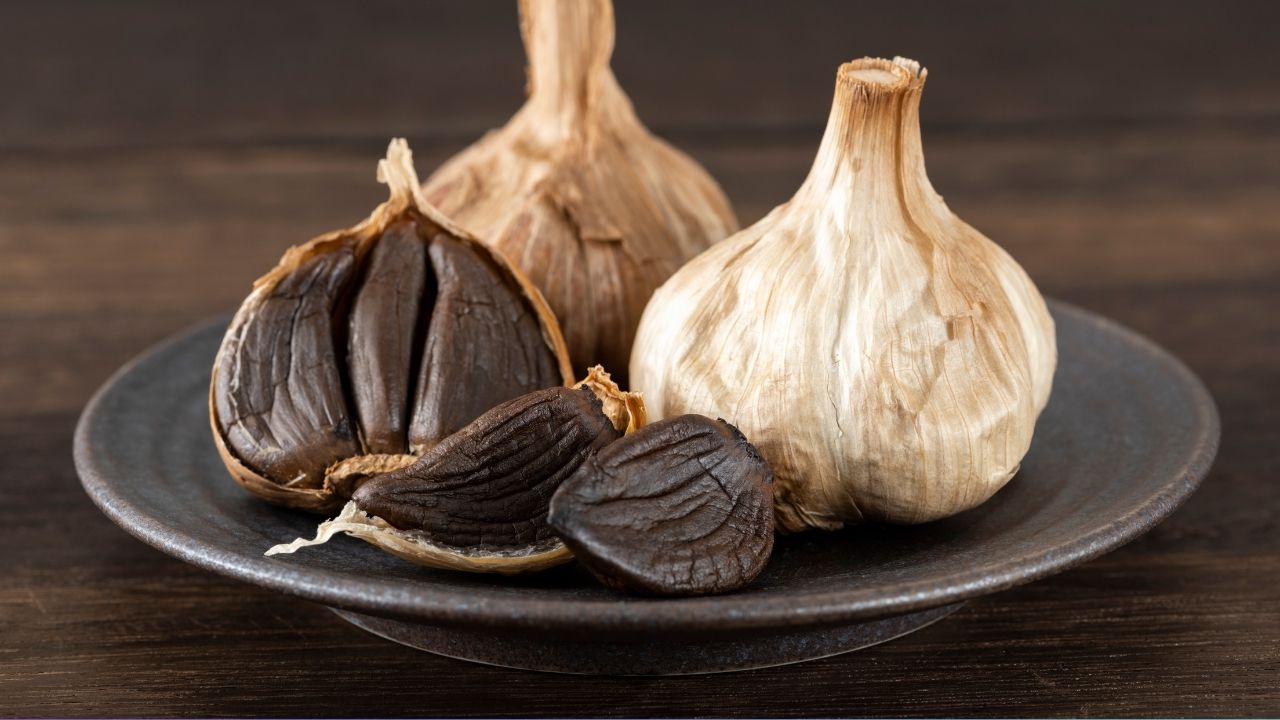
8. Black garlic: Black garlic is a type of fermented garlic that has a milder flavor and less odor than regular garlic. Black garlic is high in antioxidants and has been shown to have a number of health benefits, including improving heart health, reducing inflammation, and boosting the immune system.

9. Black mushrooms: Black mushrooms, such as shiitake and black trumpet mushrooms, are a good source of protein, fiber, and antioxidants. Black mushrooms have been shown to improve heart health, boost the immune system, and fight cancer.

10. Black soybeans: Black soybeans are a good source of protein, fiber, and healthy fats. They are also a good source of iron, calcium, and magnesium. Black soybeans can help to improve heart health, lower cholesterol levels, and regulate blood sugar levels.

Black foods are a delicious and nutritious way to improve your health. By incorporating black foods into your diet, you can boost your antioxidant intake, improve your heart health, and reduce your risk of chronic diseases.

Tagged : / / /

From Improving Digestion to Enhancing Vision, Here Re 6 Health Benefits Of Sweet Potatoes

From Improving Digestion to Enhancing Vision, Here Re 6 Health Benefits Of Sweet Potatoes
Sweet potatoes are a delicious and nutritious root vegetable that is packed with vitamins, minerals, and antioxidants. They are a good source of fiber, vitamin A, vitamin C, potassium, and manganese. Sweet potatoes are also low in calories and fat, making them a healthy choice for people of all ages.

Here are six health benefits of sweet potatoes that you might not know about:

1. Support healthy vision : Sweet potatoes are a rich source of beta-carotene, which is converted to vitamin A in the body. Vitamin A is essential for good vision, especially night vision. Sweet potatoes can also help to protect the eyes from age-related macular degeneration, a leading cause of blindness.

2. Boosts the immune system : Sweet potatoes are a good source of vitamin C, which is an antioxidant that helps to protect the body from damage caused by free radicals. Free radicals are unstable molecules that can damage cells and contribute to diseases such as cancer and heart disease. Vitamin C also helps to support the immune system and fight off infection.

3. Improve digestion : Sweet potatoes are a good source of fiber, which is essential for good digestion. Fiber helps to keep the digestive system healthy and regular. It also helps to bulk up stool and prevent constipation.
.
4. Regulate blood sugar levels : Sweet potatoes have a low glycemic index, which means that they do not cause blood sugar levels to spike rapidly. This makes them a good choice for people with diabetes or prediabetes. Sweet potatoes also contain complex carbohydrates, which provide sustained energy release.

5. Reduce the risk of heart disease : Sweet potatoes are a good source of potassium, which is a mineral that helps to lower blood pressure. High blood pressure is a major risk factor for heart disease. Sweet potatoes also contain antioxidants that can help to protect the heart from damage.

6. Support brain function : Sweet potatoes are a good source of anthocyanins, which are antioxidants that have been shown to improve brain function and memory. Sweet potatoes also contain magnesium, which is a mineral that is essential for nerve function.

Tips for adding sweet potatoes to your diet

Sweet potatoes are a versatile vegetable that can be enjoyed in many different ways.
Here are a few tips:

Roast sweet potatoes with olive oil and herbs for a delicious and healthy side dish.
Add sweet potatoes to soups, stews, and curries.
Make a sweet potato mash or puree.
Use sweet potatoes to make fries, chips, or pancakes.
Add sweet potatoes to smoothies or baked goods.

Conclusion
Sweet potatoes are a nutritious and delicious root vegetable that can be enjoyed in many different ways. They offer a variety of health benefits, including supporting healthy vision, boosting the immune system, improving digestion, regulating blood sugar levels, reducing the risk of heart disease, and supporting brain function.

If you are looking for a healthy and delicious way to add more nutrients to your diet, consider adding sweet potatoes to your meals and snacks.

Tagged : / / / /

8 Benefits That Make Banana A Superfruit

8 Benefits That Make Banana A Superfruit
Bananas are one of the most popular fruits in the world, and for good reason. They are delicious, affordable, and easy to find. But did you know that bananas are also a superfruit? They are packed with nutrients and offer a variety of health benefits.

Here are 8 benefits that make bananas a superfruit:

1. Good source of potassium

Potassium is an essential mineral that plays a role in many important bodily functions, such as regulating blood pressure, muscle contraction, and fluid balance. One medium banana contains about 422 milligrams of potassium, which is about 10% of the daily recommended intake.

2. High in fiber

Fiber is another important nutrient that helps to keep your digestive system healthy. It also helps to you feel full after eating, which can aid in weight loss. One medium banana contains about 3 grams of fiber, which is about 12% of the daily recommended intake.

3. Good source of vitamin C

Vitamin C is an antioxidant that helps to protect your cells from damage. It also plays a role in immune function and wound healing. One medium banana contains about 12 milligrams of vitamin C, which is about 13% of the daily recommended intake for men and 16% for women.

4. Good source of vitamin B6

Vitamin B6 is a B vitamin that is essential for energy production, brain function, and red blood cell formation. One medium banana contains about 0.4 milligram of vitamin B6, which is about 20% of the daily recommended intake for men and 25% for women.

5. Good source of manganese

Manganese is a mineral that is essential for bone health, metabolism, and blood sugar control. One medium banana contains about 0.3 milligram of manganese, which is about 17% of the daily recommended intake for men and 21% for women.

6. May support digestive health

Bananas contain a type of fiber called prebiotics. Prebiotics are not digested by the human body, but they feed the good bacteria in your gut. A healthy gut microbiome is important for overall digestive health, as well as immune function and mental health.

7. May help to lower blood pressure

The high potassium content in bananas may help to lower blood pressure. Potassium helps to balance out the effects of sodium, which can raise blood pressure.

8. May support heart health

The combination of potassium, fiber, and vitamin C in bananas may help to support heart health. These nutrients can help to lower cholesterol, reduce inflammation, and improve blood pressure.

Overall, bananas are a nutrient-rich superfruit that offer a variety of health benefits. They are a good source of potassium, fiber, vitamin C, vitamin B6, and manganese. Bananas may also support digestive health, lower blood pressure, and support heart health.

Tagged : / / / /

8 Everyday Vegetables That Are Not Of Indian Origin

8 Everyday Vegetables That Are Not Of Indian Origin
Indian cuisine is known for its rich flavors and diverse range of vegetarian dishes. However, many of the vegetables that are now staples of Indian cuisine were actually introduced to the country from other parts of the world.

Here are 10 vegetables that are not of Indian origin:

1. Potatoes: Potatoes are a staple food in many Indian dishes, but they are actually native to the Andes region of South America. Potatoes were introduced to India by the Portuguese in the 16th century and quickly became popular due to their high nutritional value and versatility.

2. Tomatoes: Tomatoes are another essential ingredient in Indian cooking, but they are also not native to India. Tomatoes originated in Central and South America and were introduced to India by the Portuguese in the 16th century.

3. Chillies: Chillies are another popular ingredient in Indian cuisine, but they are actually native to the Americas. Chillies were introduced to India by the Portuguese in the 16th century and quickly became popular due to their unique flavor and aroma.

4. Okra: Okra is a versatile vegetable that is used in many Indian dishes. However, okra is actually native to Africa and was introduced to India by the Arabs in the 13th century.

5. Cauliflower: Cauliflower is a popular vegetable in Indian cuisine, but it is actually native to the Mediterranean region. Cauliflower was introduced to India by the Portuguese in the 16th century.

6. Cabbage: Cabbage is another popular vegetable in Indian cuisine, but it is actually native to Europe and Asia. Cabbage was introduced to India by the Portuguese in the 16th century.

7. Corn: Corn is a popular vegetable in Indian cuisine, but it is actually native to Mesoamerica. Corn was introduced to India by the Portuguese in the 16th century.

8. Carrots: Carrots are a popular vegetable in Indian cuisine, but they are actually native to Afghanistan. Carrots were introduced to India by the Mughals in the 16th century.

How did these vegetables become so popular in India?

There are a few reasons why these vegetables became so popular in India. First, many of these vegetables were introduced to India during colonial times. The Portuguese, British, and Mughals all brought new vegetables to India, which were then adopted by the local population.

Second, many of these vegetables are well-suited to the Indian climate. For example, potatoes, tomatoes, and chillies are all heat-tolerant crops that can be grown in many parts of India.

Third, many of these vegetables are versatile and can be used in a variety of dishes. For example, potatoes can be used to make curries, fries, and samosas. Tomatoes can be used to make curries, sauces, and chutneys. Chillies can be used to add flavor to curries, vegetables, and rice dishes.

Tagged : / / / / /

5 Reasons Why You Should Eat A Custard Apple Everyday In Its Season

5 Reasons Why You Should Eat A Custard Apple Everyday In Its Season
Custard apples, also known as sitaphal, are a delicious and nutritious fruit that is native to tropical and subtropical regions of the world. They are in season during the winter months, and they are a great way to add variety to your diet and boost your health.

Here are five reasons why you should eat a custard apple every day in its season:

1. They are packed with nutrients.

Custard apples are a good source of vitamins A, C, and K, as well as minerals such as potassium, magnesium, and copper. They are also a good source of fiber and antioxidants.

2. They are good for your digestive system.

The fiber in custard apples helps to keep your digestive system healthy and regular. It also helps to promote satiety, which can help you to lose weight or maintain a healthy weight.

3. They can boost your immunity.

The vitamin C in custard apples helps to boost your immune system and protect you from infection.

4. They are good for your heart.

The potassium in custard apples helps to regulate blood pressure and reduce the risk of heart disease.

5. They are delicious and versatile.

Custard apples have a sweet and creamy taste, and they can be enjoyed in a variety of ways. You can eat them fresh, add them to smoothies or yogurt, or use them to make desserts.

Here are a few tips for incorporating custard apples into your diet:

  • Add sliced or diced custard apples to your next yogurt parfait or oatmeal bowl.
  • Make a custard apple smoothie by blending custard apples with milk, yogurt, and banana.
  • Add custard apples to your favorite fruit salad.
  • Use custard apples to make a custard apple pie or crumble.
  • Freeze custard apples and use them to make custard apple popsicles.

    Custard apples are a delicious and nutritious fruit that can be enjoyed in a variety of ways. By eating a custard apple every day in its season, you can reap the many health benefits that this fruit has to offer.

Tagged : / / / / /

6 Root Vegetables That Help In Weight Loss

6 Root Vegetables That Help In Weight Loss
Root vegetables are a great addition to any diet, but they can be especially beneficial for weight loss. Root vegetables are low in calories and high in fiber, which can help you feel full and satisfied after eating. They are also a good source of vitamins, minerals, and antioxidants.

Here are six root vegetables that can help you lose weight:

1. Carrots

Carrots are a low-calorie vegetable that is high in fiber and vitamins A, C, and K. Carrots are also a good source of beta-carotene, which is an antioxidant that can help to protect your cells from damage.

2. Beets

Beets are a low-calorie vegetable that is high in fiber and vitamins C, B9, and K. Beets are also a good source of nitrates, which can help to lower blood pressure and improve athletic performance.

3. Turnips

Turnips are a low-calorie vegetable that is high in fiber and vitamins C and K. Turnips are also a good source of potassium, which can help to regulate blood pressure.

4. Sweet Potatoes

Sweet potatoes are a low-calorie vegetable that is high in fiber and vitamins A and C. Sweet potatoes are also a good source of potassium and manganese.

5. Radishes

Radishes are a low-calorie vegetable that is high in fiber and vitamins C and K. Radishes are also a good source of anthocyanins, which are antioxidants that can help to protect your cells from damage.

6. Taro

Taro is a low-calorie vegetable that is high in fiber and vitamins C, B6, and K. Taro is also a good source of potassium and magnesium.

How to incorporate root vegetables into your diet

Root vegetables can be eaten raw, cooked, or roasted. They can be added to soups, stews, stir-fries, and salads. Root vegetables can also be used to make healthy snacks, such as carrot sticks and beet chips.

Here are a few tips for incorporating root vegetables into your diet:

Add grated carrots to your morning oatmeal or yogurt.
Snack on roasted radishes or beet chips.
Add diced sweet potatoes to your next soup or stew.
Make a turnip salad with olive oil, vinegar, and your favorite herbs and spices.
Roast taro root and serve it as a side dish with your favorite protein.
By incorporating root vegetables into your diet, you can enjoy a variety of delicious and nutritious meals and snacks. Root vegetables are a great way to boost your weight loss efforts and improve your overall health.

Tagged : / / /

8 Benefits of Eating Yam You Did Not Know About

8 Benefits of Eating Yam You Did Not Know About
Yams are a starchy tuber vegetable that is native to Africa and Asia. They are a good source of complex carbohydrates, fiber, and vitamins and minerals. Yams are also a good source of antioxidants, which can help to protect the body against damage from free radicals.

Here are eight lesser-known benefits of eating yam:

1. Boosts brain health

Yams are a good source of vitamin B6, which is essential for brain health. Vitamin B6 helps to produce the neurotransmitters dopamine and serotonin, which are important for mood regulation and cognitive function.

2. Improves digestion

Yams are a good source of fiber, which helps to keep the digestive system healthy. Fiber helps to bulk up stool and promote regular bowel movements. Fiber can also help to reduce the risk of constipation, hemorrhoids, and diverticulitis.

3. Regulates blood sugar levels

Yams are a good source of complex carbohydrates, which are digested more slowly than simple carbohydrates. This helps to regulate blood sugar levels and prevent spikes and crashes.

4. Boosts immunity

Yams are a good source of vitamin C, which is essential for immune function. Vitamin C helps the body to produce white blood cells, which fight off infection.

5. Protects heart health

Yams are a good source of potassium, which is essential for heart health. Potassium helps to regulate blood pressure and reduce the risk of heart disease.

6. Promotes healthy skin

Yams are a good source of vitamin A, which is essential for healthy skin. Vitamin A helps to repair damaged skin cells and protect the skin from the sun’s harmful UV rays.

7. Reduces inflammation

Yams contain antioxidants, which can help to reduce inflammation in the body. Inflammation is a risk factor for many chronic diseases, such as heart disease, cancer, and arthritis.

8. Promotes weight loss

Yams are a low-calorie food that is high in fiber. Fiber can help you to feel full and satisfied after eating, which can help with weight loss.

In addition to these eight benefits, yams are also a good source of other vitamins and minerals, such as manganese, copper, and magnesium. Yams are also a good source of prebiotics, which are fibers that feed the beneficial bacteria in the gut.

Yams can be enjoyed in a variety of ways. They can be boiled, baked, roasted, or mashed. Yams can also be added to soups, stews, and stir-fries.

Here are some tips for incorporating yams into your diet:

  • Add sliced or diced yams to your next soup or stew.
  • Mashed yams are a delicious and healthy alternative to mashed potatoes.
  • Roast yams with other root vegetables, such as carrots and beets.
  • Add yams to a veggie burger or stir-fry.
  • Make yam chips by slicing yams thinly and baking them in the oven until crispy.

    Yams are a nutritious and versatile food that can be enjoyed in a variety of ways. By incorporating yams into your diet, you can reap the many benefits that they have to offer.

Tagged : / / / / /

Science Behind Food Preferences : Why Do Some People Like Salty Foods While Others Prefer Sweets?

Science Behind Food Preferences : Why Do Some People Like Salty Foods While Others Prefer Sweets?
Humans have a natural preference for sweet and salty foods. This preference is thought to have evolved from our need to seek out energy-rich foods and avoid harmful foods.

Sweet foods are a good source of calories, which are essential for energy production. Salty foods are a good source of sodium, which is an essential mineral for fluid balance and nerve function.

Our taste buds are equipped with receptors that detect sweet and salty tastes. When we eat sweet or salty foods, these receptors send signals to our brains that trigger a sense of pleasure.

The science of sweet taste

The sweet taste is detected by a family of receptors called T1R. These receptors are located on the surface of taste bud cells. When a sweet molecule binds to a T1R receptor, it triggers a cascade of biochemical events that leads to the release of neurotransmitters. These neurotransmitters send signals to the brain that trigger a sense of pleasure.

The science of salty taste

The salty taste is detected by a protein called ENaC. ENaC is located on the surface of taste bud cells. When a sodium ion binds to ENaC, it opens a channel that allows sodium ions to enter the cell. This influx of sodium ions triggers the release of neurotransmitters. These neurotransmitters send signals to the brain that trigger a sense of pleasure.

Why do people have different preferences for sweet and salty foods?

There are a number of factors that can influence a person’s preference for sweet and salty foods, including:

1. Genetics: Some people are genetically predisposed to prefer sweet or salty foods. This is because they have certain gene variations that affect their taste bud sensitivity to sweet and salty tastes.

2. Early life experiences: Our early life experiences can also shape our preferences for sweet and salty foods. For example, if we are exposed to a lot of sweet or salty foods as children, we are more likely to prefer those foods as adults.

3. Culture: Culture can also play a role in our preferences for sweet and salty foods. For example, people from some cultures tend to eat more salty foods than people from other cultures.

4. Health status: Certain health conditions, such as diabetes and high blood pressure, can also affect our preferences for sweet and salty foods.

How to make healthier choices?

Even though we have a natural preference for sweet and salty foods, it is important to make healthy choices when it comes to our diet. Eating too much sugar and salt can lead to a number of health problems, such as obesity, heart disease, and stroke.

Here are some tips for making healthier choices when it comes to sweet and salty foods:

  • Limit your intake of processed foods. Processed foods are often high in sugar and salt. Instead of eating processed foods, opt for whole, unprocessed foods, such as fruits, vegetables, and whole grains.
  • Season your own food. This way, you can control the amount of salt you add to your food.
  • Choose healthier snacks. Instead of snacking on sugary or salty treats, opt for healthier snacks, such as fruits, vegetables, and nuts.
  • Read food labels carefully. This will help you to identify foods that are high in sugar and salt.

    By following these tips, you can make healthier choices when it comes to sweet and salty foods, and reduce your risk of developing chronic diseases.

Tagged : / / / /

7 Best Fruits to Eat If You Are Trying to Lose Weight

7 Best Fruits to Eat If You Are Trying to Lose Weight
Fruits are a delicious and nutritious part of a healthy diet. They are low in calories, high in fiber, and packed with vitamins, minerals, and antioxidants. Eating fruits can help you lose weight or maintain a healthy weight.

Here are the seven best fruits to eat if you are trying to lose weight:

1. Berries
Berries, such as blueberries, raspberries, strawberries, and blackberries, are low in calories and high in fiber. They are also a good source of vitamin C, which can help boost your metabolism.

2. Apples
Apples are a good source of fiber and pectin, a type of soluble fiber that can help you feel full after eating. Apples also contain polyphenols, which have been shown to boost metabolism and promote weight loss.

3. Grapefruits
Grapefruits are a low-calorie fruit that is a good source of vitamin C and fiber. Grapefruits also contain naringin, a compound that has been shown to boost metabolism and promote weight loss.

4. Watermelon
Watermelon is a low-calorie fruit that is high in water content. This makes it a good choice for people who are trying to lose weight, as it can help you feel full without adding too many calories to your diet.

5. Papaya
Papaya is a low-calorie fruit that is a good source of fiber and vitamin C. Papaya also contains papain, an enzyme that can help with digestion.

6. Kiwis
Kiwis are a low-calorie fruit that is a good source of fiber, vitamin C, and potassium. Kiwis also contain actinidin, an enzyme that can help with protein digestion.

7. Oranges
Oranges are a low-calorie fruit that is a good source of vitamin C and fiber. Oranges also contain hesperidin, a compound that has been shown to boost metabolism and promote weight loss.

These are just a few of the many fruits that can help you lose weight. When choosing fruits, be sure to select a variety of different colors to ensure that you are getting all of the nutrients that you need.

Here are some tips for incorporating fruits into your weight loss diet:

  • Eat fruits as a snack or dessert.
  • Add fruits to your meals. For example, you can add berries to your oatmeal or yogurt, or add sliced apples to your sandwich.
  • Drink fruit smoothies. Fruit smoothies are a convenient way to get your daily dose of fruits.
  • Choose fresh fruits over canned or processed fruits. Canned and processed fruits often contain added sugar and preservatives.

    Eating fruits is a healthy way to lose weight or maintain a healthy weight. By incorporating fruits into your diet, you can reap the many benefits that they have to offer.

Tagged : / / / / /

7 Best Foods To Eat As The First Thing In The Morning

7 Best Foods To Eat As The First Thing In The Morning
Having a healthy and nutritious breakfast is the best way to start your day. It gives you the energy you need to power through your morning and helps you to focus and be productive.

Here are seven of the best foods to eat first thing in the morning:

1. Oatmeal
Oatmeal is a great way to start your day because it is packed with fiber and complex carbohydrates. These nutrients will give you sustained energy throughout the morning and help you to feel full. Oatmeal is also a good source of protein, which is essential for building and repairing muscle tissue.

2. Berries
Berries are a nutrient-rich food that is packed with vitamins, minerals, and antioxidants. They are also a good source of fiber, which can help you to feel full and satisfied. Berries can be eaten fresh, frozen, or dried. They can also be added to oatmeal, yogurt, or smoothies.

3. Nuts
Nuts are a good source of protein, fiber, and healthy fats. They are also a good source of essential vitamins and minerals, such as vitamin E, magnesium, and copper. Nuts can be eaten on their own or added to oatmeal, yogurt, or smoothies.

4. Yogurt
Yogurt is a good source of protein, calcium, and probiotics. Probiotics are live bacteria that are beneficial for gut health. Eating yogurt first thing in the morning can help to improve your digestion and boost your immune system.

5. Eggs
Eggs are a good source of protein, healthy fats, and vitamins. They are also a good source of choline, an essential nutrient that is important for brain health. Eggs can be scrambled, fried, boiled, or poached. They can also be added to omelets, quiches, or breakfast burritos.

6. Dates
Dates are a sweet and nutritious fruit that is packed with vitamins, minerals, and fiber. They are a good source of potassium, which is an essential mineral that is important for blood pressure regulation. Dates are also a good source of magnesium, which is important for muscle and nerve function.

7. Banana
Bananas are a convenient and nutritious snack that is packed with vitamins, minerals, and fiber. They are a good source of potassium, which is an essential mineral that is important for blood pressure regulation. Bananas are also a good source of vitamin C, which is important for immune function.

These are just a few of the many healthy foods that you can eat first thing in the morning. By choosing a variety of nutritious foods, you can start your day off right and set yourself up for success.

Tagged : / / / / /

Top 10 Countries with Highest Number of Vegetarian People

Top 10 Countries with Highest Number of Vegetarian People
Vegetarianism is the practice of abstaining from the consumption of meat. There are many reasons why people choose to be vegetarian, including ethical, environmental, and health concerns.

Here are the top 10 countries with the highest number of vegetarian people, according to a 2023 survey by Gallup:

1. India (39% )
2. Taiwan (13%)
3. Israel ( 12% )
4. Italy (10%)
5. Germany (9%)
6. Mexico (8%)
7. United Kingdom (7%)
8. United Kingdom (7%
9. Brazil (5% )
10. Australia (5%)

Why are these countries at the top of the list?

There are a number of reasons why these countries have a high percentage of vegetarian people. Some of the most common reasons include:

1. Religion: Hinduism, Buddhism, and Jainism are all religions that promote vegetarianism. India, Taiwan, and Israel all have large populations of Hindus, Buddhists, and Jains.
2. Culture: In some countries, vegetarianism is simply part of the culture. For example, in India, vegetarianism has been practiced for centuries.
3. Health: Many people choose to be vegetarian for health reasons. Vegetarians tend to have lower rates of heart disease, stroke, and some types of cancer.
4. Environment: Some people choose to be vegetarian for environmental reasons. Meat production has a negative impact on the environment, including climate change and water pollution.

Benefits of being vegetarian

There are many benefits to being vegetarian, including:

Improved health: Vegetarians tend to have a lower risk of heart disease, stroke, and some types of cancer.
Reduced environmental impact: Meat production has a negative impact on the environment, including climate change and water pollution.
Ethical benefits: Many people choose to be vegetarian because they believe it is wrong to kill animals for food.

Conclusion

Vegetarianism is a popular dietary choice in many countries around the world. The countries with the highest number of vegetarians are India, Taiwan, Israel, Italy, Germany, Mexico, the United Kingdom, the United States, Brazil, and Australia. There are many reasons why people choose to be vegetarian, including ethical, environmental, and health concerns.

Tagged : / / /
Verified by ExactMetrics