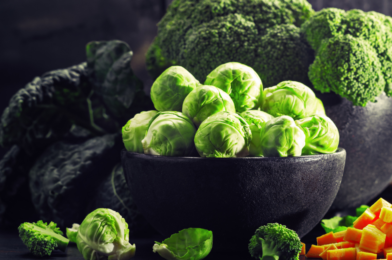
5 Nutrient-Dense Vegetables That Are Superfoods for Your Health

5 Nutrient-Dense Vegetables That Are Superfoods for Your Health
Vegetables are an essential part of a healthy diet. They are low in calories and fat, and they are packed with vitamins, minerals, and antioxidants. Some vegetables are more nutrient-dense than others, meaning that they contain more nutrients per calorie. These nutrient-dense vegetables are often referred to as “superfoods.”

Here are 5 of the most nutrient-dense vegetables that you should add to your diet:

1. Kale
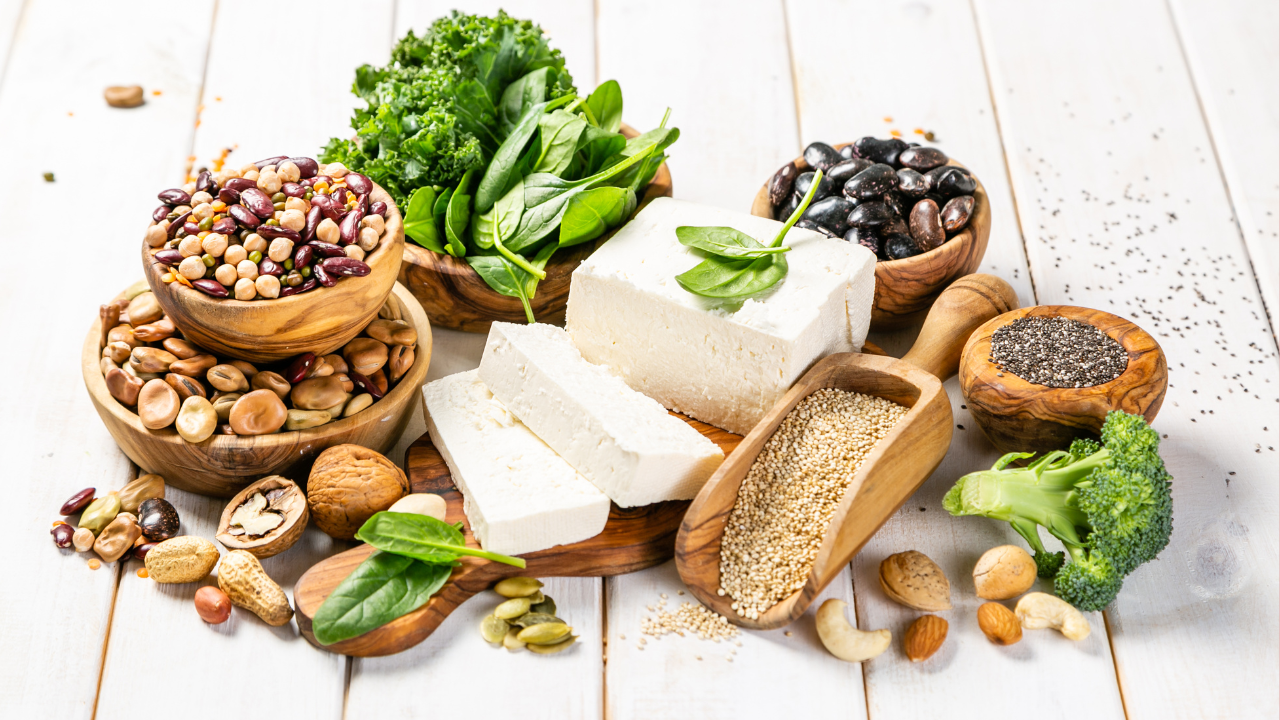
Kale is a leafy green vegetable that is packed with vitamins A, C, and K. It is also a good source of calcium, potassium, and fiber. Kale is known for its antioxidant properties, which can help protect cells from damage. It can be eaten raw, cooked, or juiced.

2. Broccoli
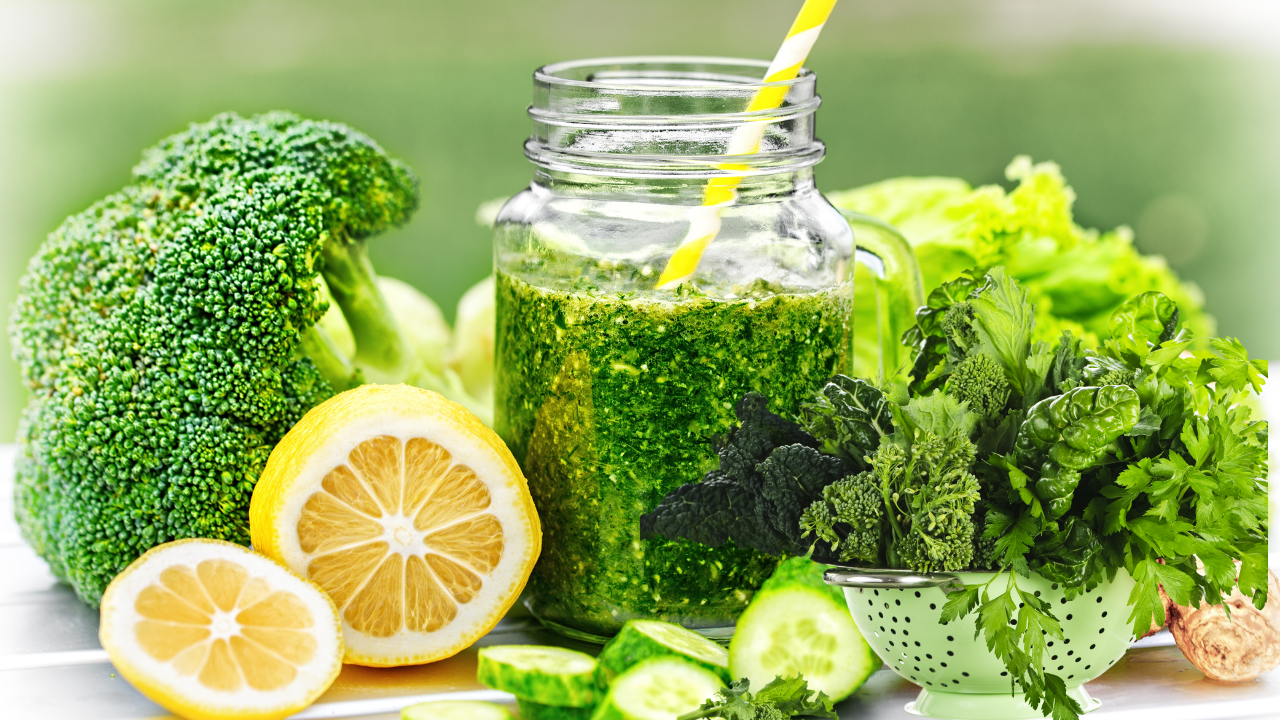
Broccoli is another leafy green vegetable that is high in nutrients. It is a good source of vitamins C, K, and A, as well as fiber and potassium. Broccoli is also a good source of sulforaphane, an antioxidant that has been shown to have cancer-fighting properties. Broccoli can be eaten raw, cooked, or steamed.

3. Spinach
Spinach is a leafy green vegetable that is low in calories and fat, but high in nutrients. It is a good source of vitamins A, C, and K, as well as folate and magnesium. Spinach is also a good source of lutein and zeaxanthin, antioxidants that are important for eye health. Spinach can be eaten raw, cooked, or juiced.

4. Sweet Potatoes
These are a root vegetable that is high in vitamins A and C. They are also a good source of fiber, potassium, and manganese. Sweet potatoes are a good source of beta-carotene, an antioxidant that is converted to vitamin A in the body. Sweet potatoes can be eaten baked, roasted, or mashed.

5. Carrots
Carrots are a root vegetable that is high in vitamin A. They are also a good source of fiber, potassium, and vitamin K. Carrots are a good source of beta-carotene, an antioxidant that is converted to vitamin A in the body. Carrots can be eaten raw, cooked, or juiced.

These are just a few of the many nutrient-dense vegetables that are available. By adding these vegetables to your diet, you can improve your overall health and well-being.

Here are some tips for incorporating more nutrient-dense vegetables into your diet:

  • Add vegetables to your breakfast, lunch, and dinner.
  • Snack on vegetables throughout the day.
  • Try new vegetables and find ones that you enjoy.
  • Cook vegetables in a variety of ways to keep them interesting.
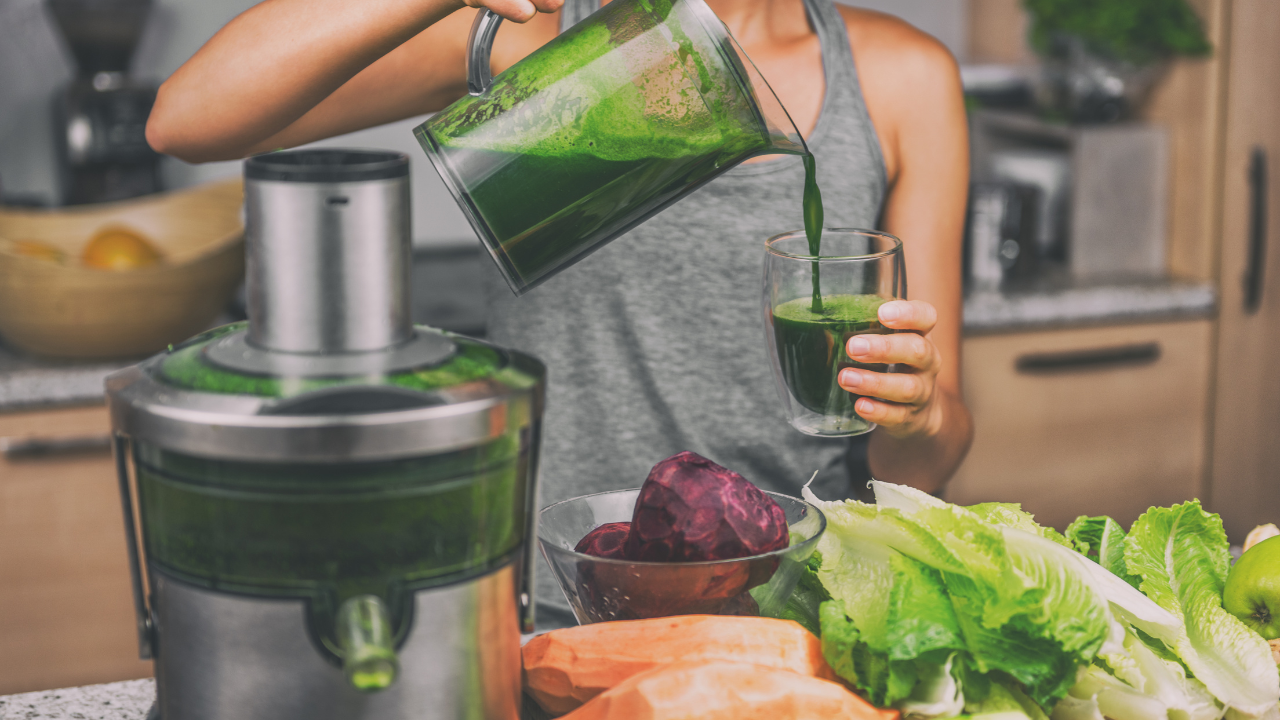
  • Add vegetables to smoothies and juices.
    By following these tips, you can make sure that you are getting the nutrients you need from vegetables.
Tagged : / / / /

7 Most Expensive Spices In The World!

10 Most Expensive Spices In The World!
Spices have always been prized by gourmets and chefs alike for their use in cooking, flavouring, and even medicine. Regardless of where they came from, applications and commerce grew as soon as travellers and explorers learned about spices. The use of spices in rituals and other religious practises, as well as in the establishment of empires and the beginning of wars, has been significant throughout human history.

The top 7 most costly spices can currently be found in spice collections at home or in commercial kitchens all over the world. They are primarily grown in some of the most exotic regions in the world.
The top seven spices in terms of price:

1. Saffron


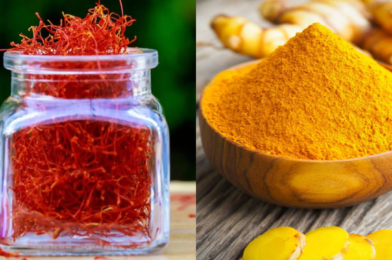
The crocus flower’s stigmas are used to make saffron, which is prized for its powerful, earthy flavour. Saffron is also the priciest spice in the entire world, with a pound costing hundreds of dollars. Iran, Afghanistan, Italy, and Spain are the main growing regions for saffron.

2. Vanilla

This spice has a sweet, deep flavour and is made from the seed pods of a tropical orchid. Madagascar, Uganda, Comoros, Papua New Guinea, Tahiti, Indonesia, and Mexico are the primary growing regions for vanilla. Even though there are many other places in the world where vanilla is produced, the aforementioned nations continue to set the standard for quality and consistency.

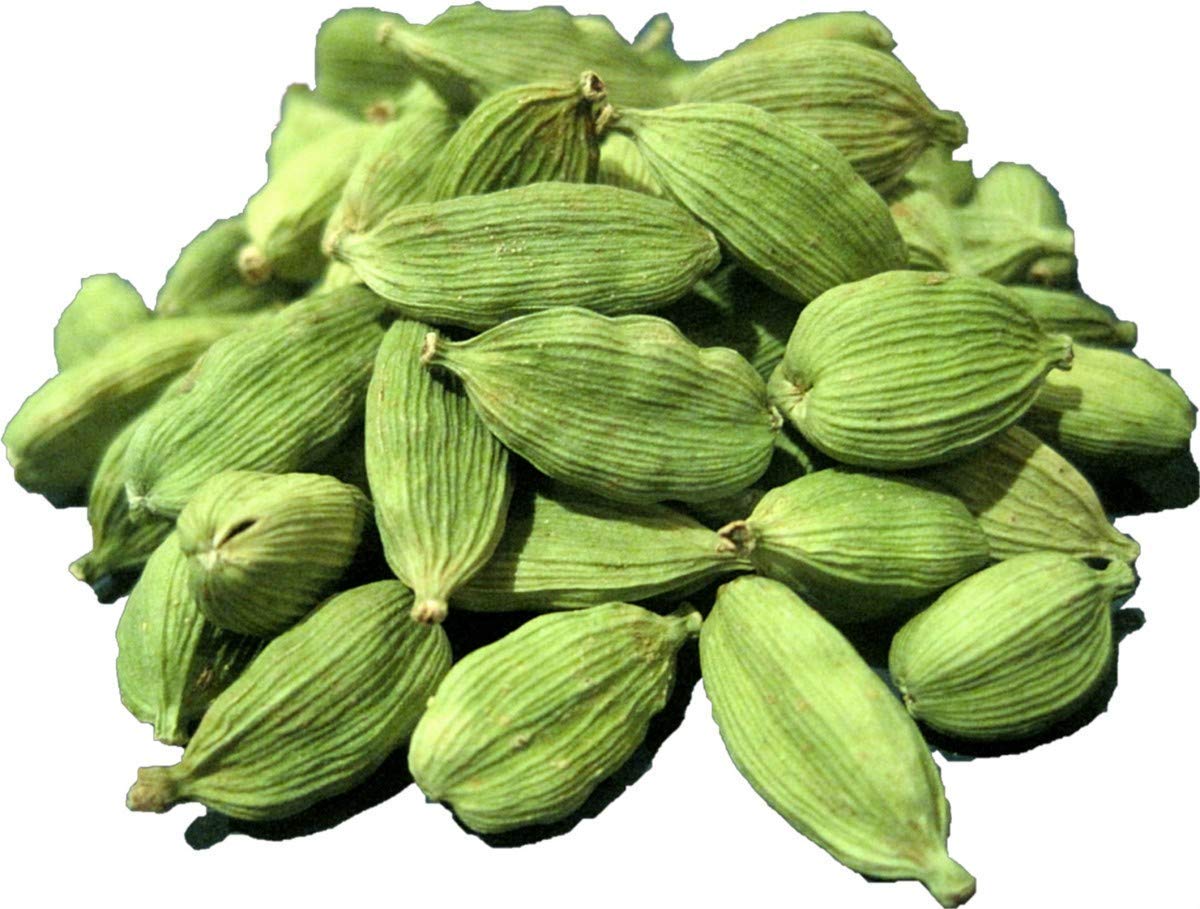
3. Green Cardamom


The seeds of this tropical plant related to the ginger family are used to make this spice, which is prized for its distinctive flavour and complex blend of savoury and sweet undertones. Most of the world’s cardamom is grown in Guatemala, India, and even Sri Lanka. We highly recommend using green cardamom, which is frequently referred to as the “Queen of Spices.”

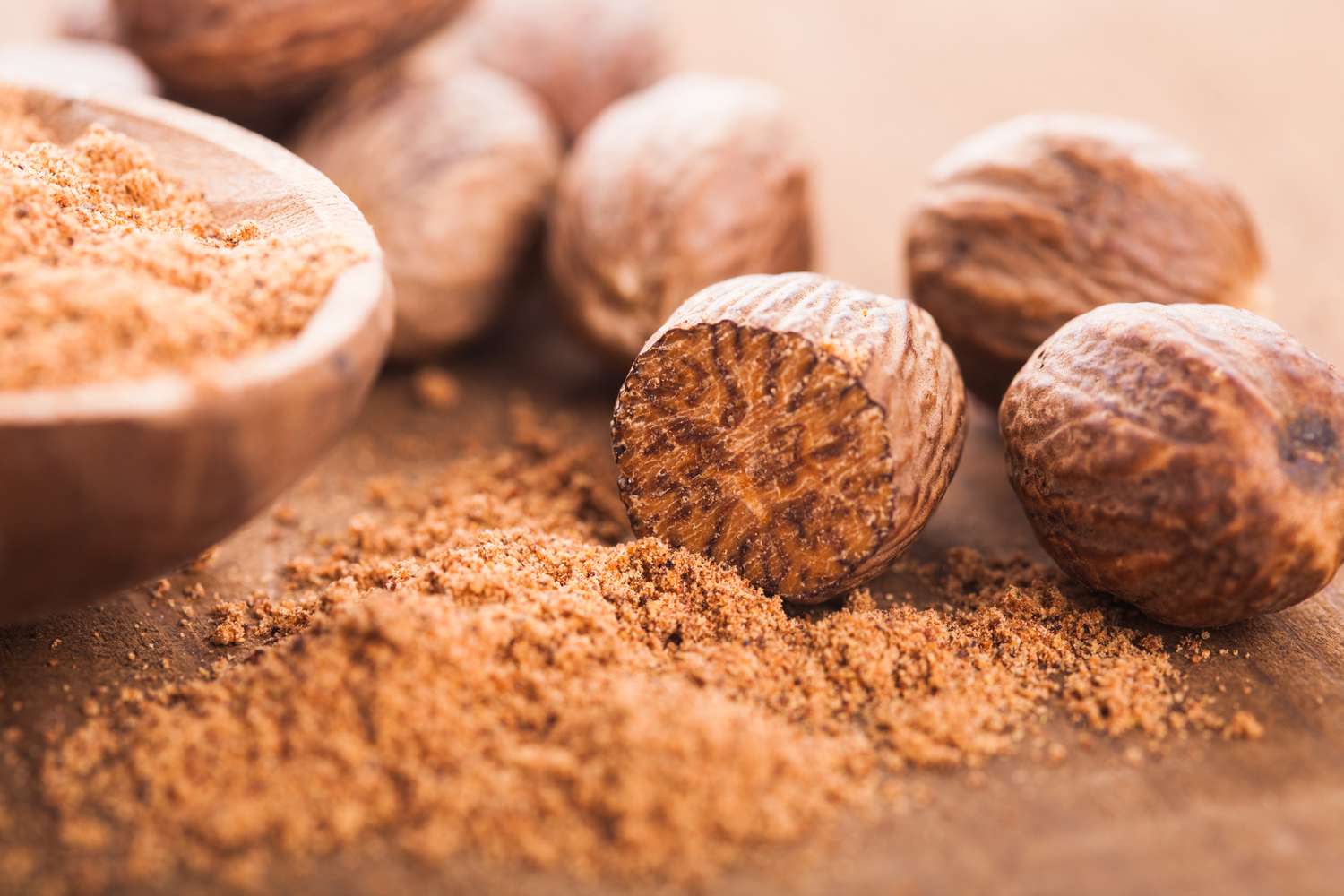
4. Nutmeg


Nutmeg is a tropical tree seed, not a nut, and is prized for its comforting, nutty flavour. The Banda Islands in Indonesia are where nutmeg is primarily farmed, but it is also grown in Grenada, Sri Lanka, and other Caribbean islands. Although it is frequently used in baked items, nutmeg also tastes great in savoury cream sauces and spice rubs.

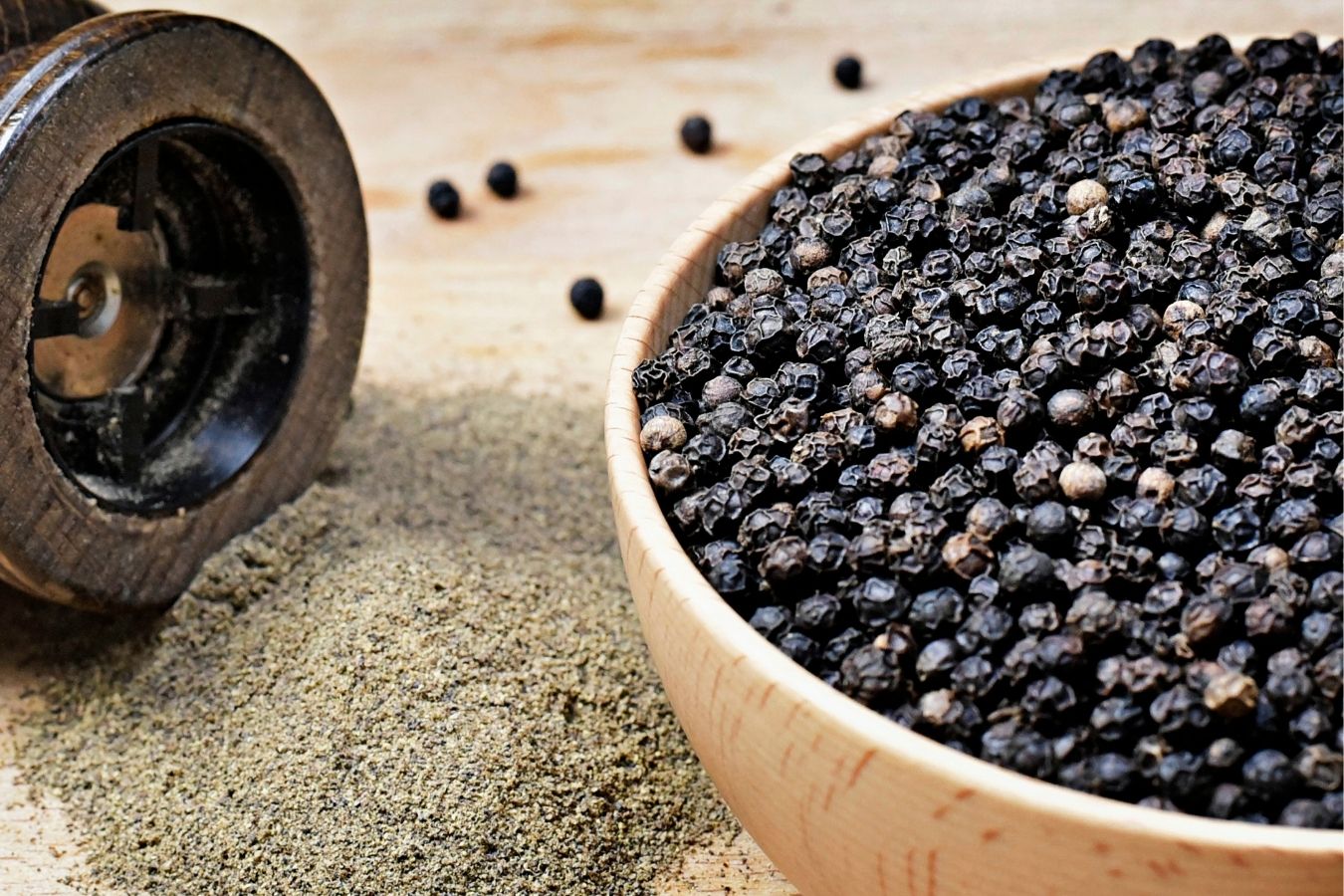
5. Black pepper


The dried berries of a tropical vine are the source of peppercorns, which have a harsh, pungent flavour. Most black pepper is grown in Brazil, Vietnam, and India. Black pepper is known as the “king of spices” since historically, due to its exorbitant price, it was only used by the wealthy.

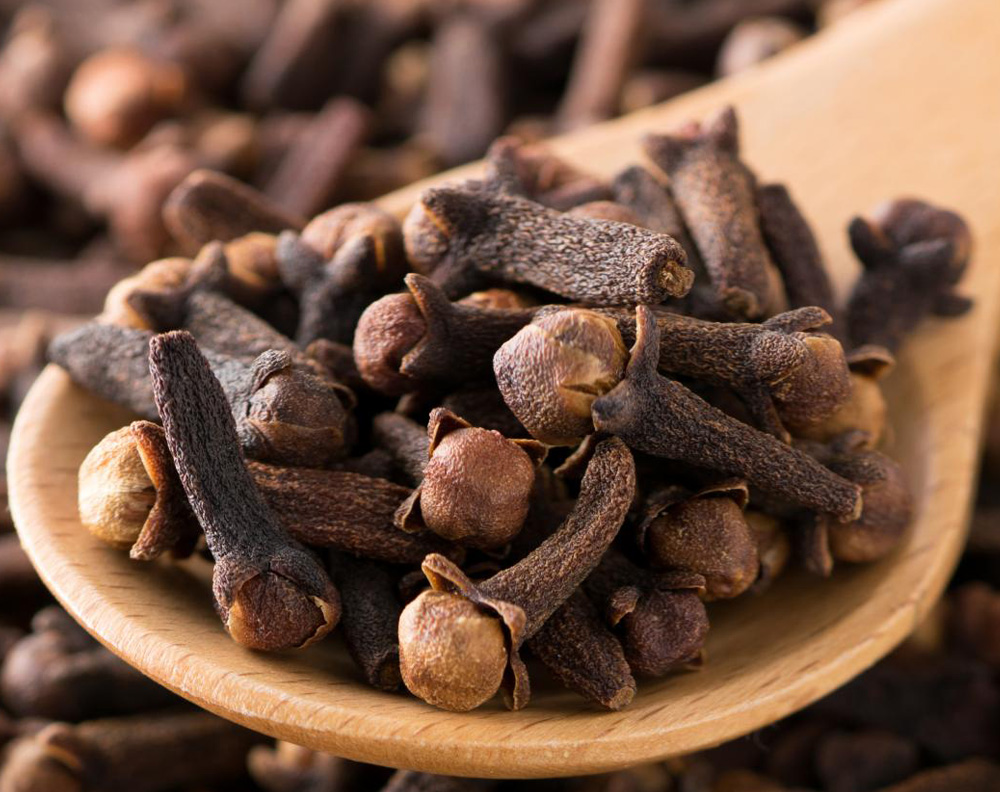
6. Cloves


The dried flower buds of a tropical tree are the source of cloves, which are prized for their warm, sweet flavour. The Maluku Islands of Indonesia, Sri Lanka, Madagascar, and the Comoros are where whole cloves are primarily farmed. They are frequently found in foods including baked products, beverages, and herbal remedies.

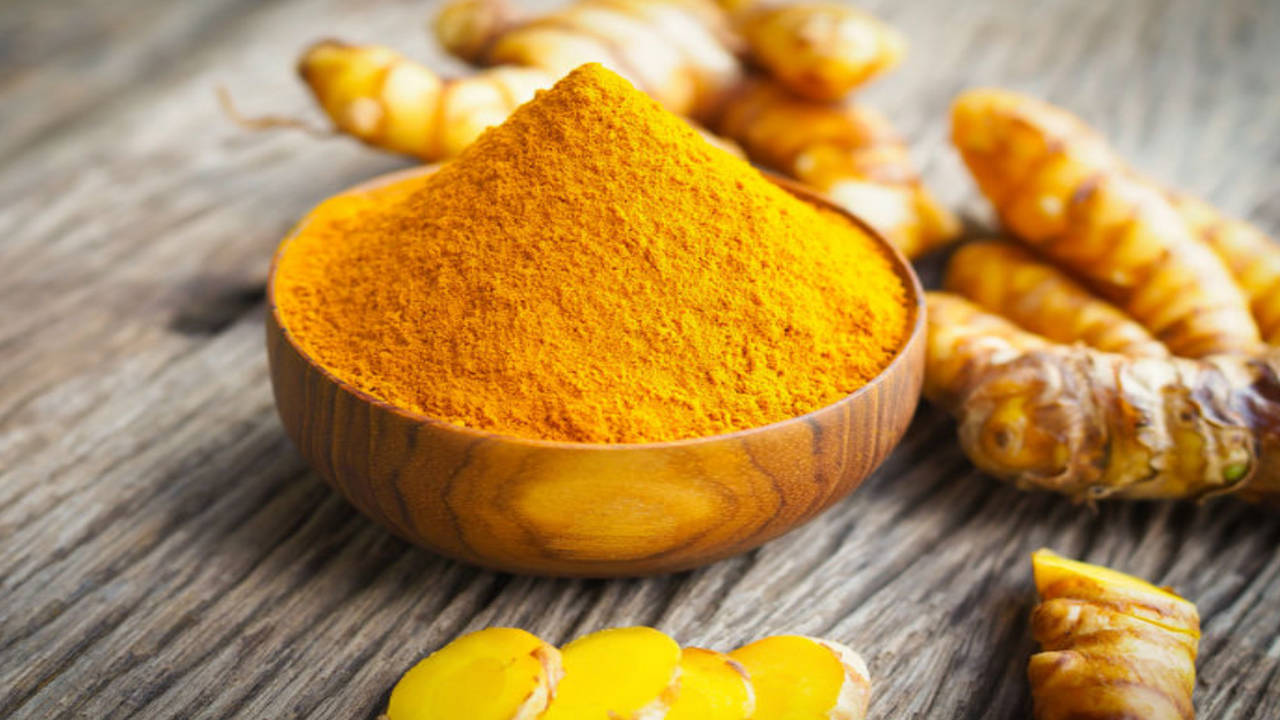
7. Turmeric


This spice, which comes from the root of a tropical plant, is prized for its distinctive, earthy flavour and bright yellow colour. Most turmeric is grown in Sri Lanka, China, and India. Vegan foods are frequently coloured with turmeric to give them a “cheesy” appearance.

Which of these do you use in your food regularly?

Tagged : / / / / / / /

What Would Happen If You Ate Potatoes Everyday? Are Potatoes A Healthy Food Or Unhealthy One?

What Would Happen If You Ate Potatoes Everyday? Are Potatoes A Healthy Food Or Unhealthy One?
Potatoes have long been a staple food in many cultures around the world. They are a good source of carbohydrates, vitamins, and minerals. But are they healthy? And what happens if you eat potatoes every day?

The Health Benefits of Potatoes

Potatoes are a good source of carbohydrates, which are the body’s main source of energy. They also contain vitamins C and B6, potassium, and fiber. Vitamin C is an antioxidant that helps protect the body against damage from free radicals. Potassium is important for heart health, and fiber can help regulate digestion and promote weight loss.

In addition to these nutrients, potatoes also contain resistant starch. Resistant starch is a type of carbohydrate that is not digested by the body. Instead, it travels to the colon where it is fermented by gut bacteria. This fermentation process produces short-chain fatty acids, which have a number of health benefits, including improved gut health, reduced inflammation, and weight loss.

What Happens if You Eat Potatoes Every Day?
If you eat potatoes every day, you are likely to get a good dose of the nutrients they contain. You may also find that you have more energy and that your digestion improves. The regular use of potatoes may have advantages. As long as you don’t deep fry it or top it with meals high in saturated fat, mixing it with other foods low in saturated fat could help lower your blood pressure, according to health experts. Potassium and fibre in potatoes are beneficial for heart health. Your heart is a vital muscle that requires potassium to maintain proper muscular function.

However, it is important to note that potatoes are also high in calories. If you eat too many potatoes, you may gain weight. It is also important to choose the right way to cook potatoes. Boiling or steaming potatoes is a healthier option than frying them. This is because frying potatoes adds extra fat and calories.

Overall, potatoes can be a healthy part of a balanced diet. However, it is important to eat them in moderation and to choose healthy cooking methods.

Here are some tips for eating potatoes in a healthy way:

  • Choose whole potatoes over processed potato products, such as french fries and potato chips.
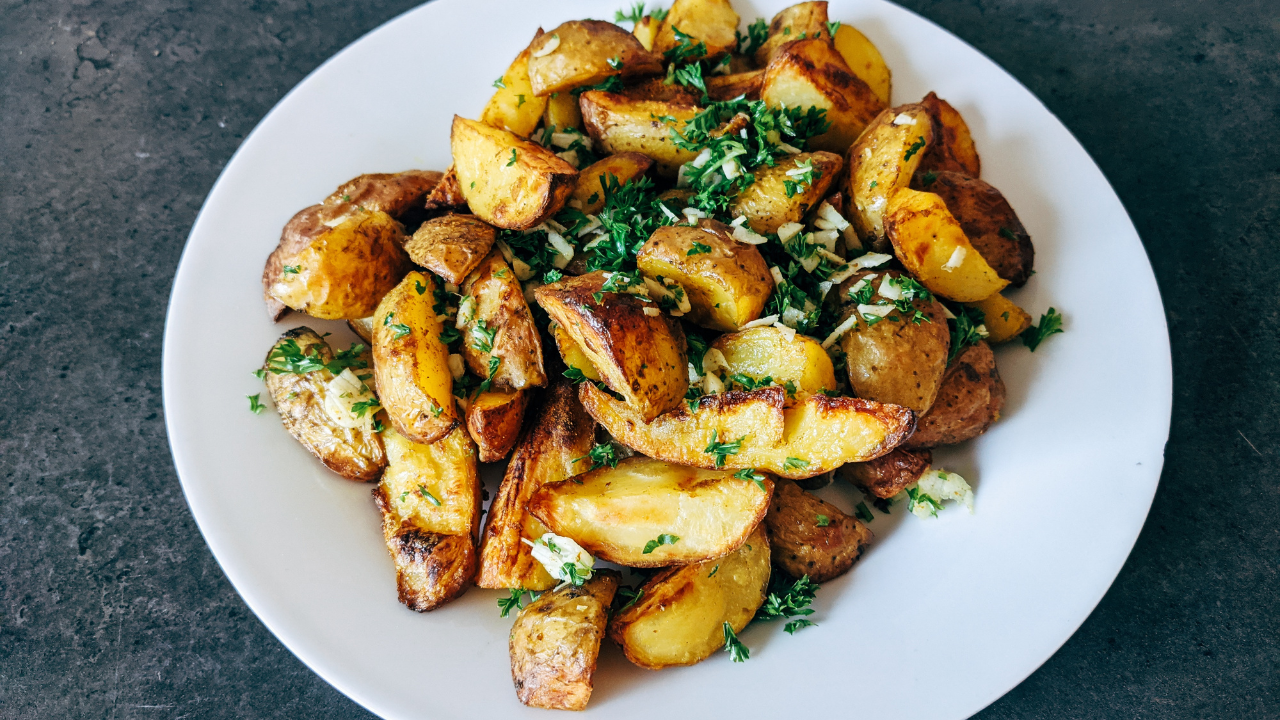
  • Boil, steam, or roast potatoes instead of frying them.
  • Add healthy toppings to your potatoes, such as vegetables, beans, or lean protein.
  • Limit your intake of potatoes if you are trying to lose weight.
    If you eat potatoes every day, you can enjoy the health benefits of this versatile vegetable. Just be sure to choose healthy cooking methods and to eat them in moderation.
Tagged : / / /

5 Simple Ways To Reduce Uric Acid In Your Body!

5 Simple Ways To Reduce Uric Acid In Your Body!
Uric acid is a waste product that is produced when your body breaks down purines. Purines are found in some foods, such as red meat, seafood, and organ meats. When you have too much uric acid in your blood, it can crystallize and form deposits in your joints, leading to a condition called gout.

There are a number of things you can do to reduce your uric acid levels and lower your risk of developing gout. Here are 5 simple ways to reduce uric acid:

1 Drink plenty of water
Water helps to flush uric acid out of your body. Aim to drink 8-10 glasses of water per day.

2 Reduce the consumption of purine rich foods
Red meat, fish and organ meat are purine rich foods. Avoid foods that are high in purines, such as red meat, seafood, and organ meats. Instead, focus on eating fruits, vegetables, and whole grains. These foods are low in purines and can help to lower uric acid levels.

3. Eat Vitamin C rich foods
Foods rich in Vitamin C help curb the formation of uric acid in the body. So increase your consumption of Vitamin C rich foods like Kiwi, Oranges, grapefruit, etc.

4. Eating more fibre
Include more fibre rich foods in your diet like chickpeas and lentils. These help reduce uric acid levels in the body.

5. Avoiding high sugar content beverages
Beverages that are high in sugar content are responsible for increasing uric acid levels in the body. So avoid drinking such beverages. If you like drinking your coffee with sugar, shift to lack coffee.

Apart from these 5 things you should also lose weight if you are overweight or obese, limit alcohol intake, manage your stress levels and get regular exercise.

Tagged : / / / /

6 Habits That Accelerate Belly Fat Loss

6 Habits That Accelerate Belly Fat Loss
Belly fat is a major health concern, as it is linked to an increased risk of heart disease, stroke, type 2 diabetes, and other chronic diseases. If you are looking to lose belly fat, there are a number of habits that you can adopt to help you reach your goals.

1. Eat a breakfast rich in protein.

Starting your day with a protein-rich breakfast is a great way to jumpstart your metabolism and help you lose belly fat. Protein helps to keep you feeling full and satisfied, which can prevent you from overeating later in the day. Good sources of protein for breakfast include eggs, Greek yogurt, oatmeal with protein powder, or nuts and seeds.

2. Drink warm water.

Drinking warm water can help to boost your metabolism and promote weight loss. Warm water helps to increase the body’s temperature, which can lead to an increase in calorie burn. Additionally, warm water can help to improve digestion and reduce bloating, which can contribute to belly fat.

3. Eat smaller, more frequent meals.

Eating smaller, more frequent meals can help to keep your metabolism revved up and prevent you from overeating. When you eat large meals, your body goes into “storage mode” and starts to store more calories as fat. However, when you eat smaller meals more often, your body has a chance to burn off the calories before they are stored as fat.

4. Limit your processed food intake.

Processed foods are often high in unhealthy fats, sugar, and calories. These foods can contribute to weight gain, especially belly fat. If you are looking to lose belly fat, it is important to limit your intake of processed foods.

5. Get regular exercise.

Exercise is one of the most important things you can do to lose belly fat. When you exercise, your body burns calories, which can help you to create a calorie deficit. A calorie deficit is when you burn more calories than you consume, which is essential for weight loss.

6. Get enough sleep.

When you don’t get enough sleep, your body produces more of the stress hormone cortisol. Cortisol can promote the accumulation of belly fat. Aim for 7-8 hours of sleep each night to help you lose belly fat and improve your overall health.

In addition to these habits, there are a few other things you can do to help you lose belly fat. These include:

  • Managing stress
  • Drinking plenty of water
  • Eating plenty of fruits and vegetables
  • Avoiding sugary drinks
  • Quitting smoking
    If you are serious about losing belly fat, it is important to make lifestyle changes that you can stick with in the long term. By adopting the habits listed above, you can start to see results in no time.

Here are some additional tips for losing belly fat:

  • Set realistic goals. Don’t try to lose too much weight too quickly. Aim to lose 1-2 pounds per week.
  • Be patient. It takes time to lose belly fat. Don’t get discouraged if you don’t see results immediately.
  • Find a support system. Having people to support you on your weight loss journey can make a big difference.
    Remember, losing belly fat is not a quick fix. It takes hard work and dedication. But if you are willing to put in the effort, you can reach your goals and improve your health.
Tagged : / / /

Influencer Eating Raw Vegan Foods For 4 Years Dies! Here Is Why You Should Not Eat A Completely Raw Diet

Influencer Eating Raw Vegan Foods For 4 Years Dies! Here Is Why You Should Not Eat A Completely Raw Diet
Zhanna Samsonova, a prominent vegan who for years only consumed raw food,  has passed away. According to accounts, Zhanna had been adhering to a wholly raw vegan diet for at least four years and subsisted solely on “fruits, sunflower seed sprouts, fruit smoothies, and juices.” Zhanna supposedly starved to death at the age of 39. Samsonova’s mother described the cause of death as a “cholera-like infection.”

Due to its potential health advantages, the raw vegan diet—a mix of veganism and raw foodism—has been gaining popularity. Fruits, vegetables, nuts, seeds, sprouted grains, legumes, and other plant-based foods are the mainstays of this diet. To keep the nutritional content of the nutrients, the preparation techniques frequently involve soaking, sprouting, mixing, or dehydrating. People who follow this diet think that raw foods are more nutrient-dense than cooked meals and can help with weight loss, heart health, and lowering the chance of developing diabetes.

Ayurveda suggests that eating raw food may not be ideal for the body. Although some foods, such as fruits, nuts, and salads, can be eaten raw, other foods should be cooked to enhance digestion and promote blood flow to the gut. According to studies, eating a raw vegan diet can reduce body fat percentages and raise cholesterol levels. It’s important to remember, though, that a poorly thought-out raw vegan diet might result in shortages of important nutrients including the vitamins B12 and D, selenium, zinc, iron, and some omega-3 fatty acids.

The death of Zhanna Samsonova is a tragic reminder of the potential dangers of raw food diets. If you are considering following a raw food diet, it is important to talk to your doctor first. They can help you determine if a raw food diet is right for you and can provide you with guidance on how to do it safely.

Here are some of the potential risks of raw food diets:

Nutrient deficiencies: Raw food diets can be low in essential nutrients, such as vitamin B12, iron, and calcium. This can lead to health problems, such as anemia, fatigue, and osteoporosis.

Foodborne illness: Raw foods can contain harmful bacteria that can cause food poisoning. This is especially true of foods that are eaten raw, such as fruits and vegetables.

Too Much Weight loss: Raw food diets can be very restrictive, which can lead to weight loss. This can be dangerous, especially if you are already underweight or have a history of eating disorders.

If you are considering following a raw food diet, it is important to talk to your doctor first. They can help you determine if a raw food diet is right for you and can provide you with guidance on how to do it safely.

Here are some tips for following a raw food diet safely:

i. Variety is key: Make sure to include a variety of raw foods in your diet to ensure that you are getting all the nutrients you need.
ii. Cook some foods: Not all foods need to be eaten raw. Some foods, such as beans and lentils, are easier to digest when cooked.
iii. Take supplements: If you are concerned about nutrient deficiencies, talk to your doctor about taking supplements.
iv. Listen to your body: If you feel tired, weak, or have other symptoms, stop following the diet and talk to your doctor.
Following a raw food diet can be a healthy way to eat. However, it is important to do it safely and to listen to your body.

Tagged : / / / / / /

7 Foods That Can Help You Lower Your Cholesterol

7 Foods That Can Help You Lower Your Cholesterol
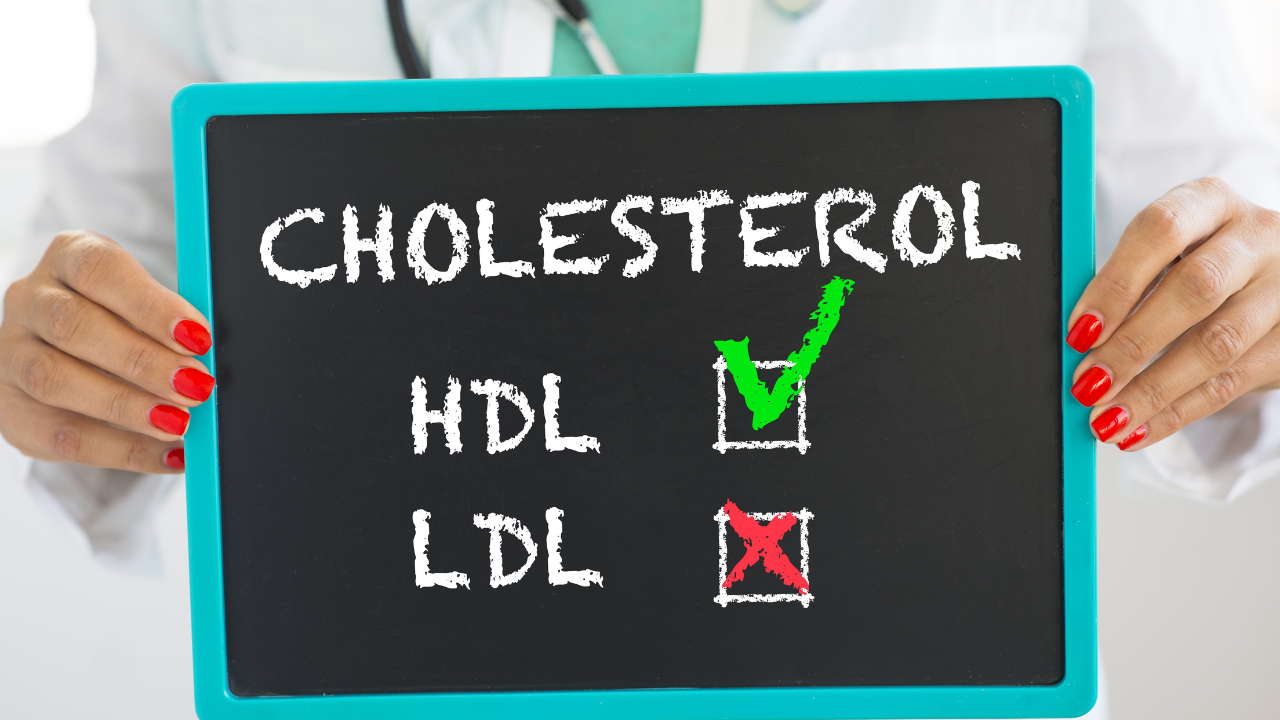
High cholesterol is a common condition that affects millions of people worldwide. It occurs when there is too much LDL cholesterol (also known as “bad” cholesterol) in the blood. LDL cholesterol can build up in the arteries, narrowing them and increasing the risk of heart disease, stroke, and other health problems.

There are a number of things you can do to lower your cholesterol, including eating a healthy diet, exercising regularly, and taking medication if necessary. However, one of the most effective ways to lower your cholesterol is to eat certain foods that have been shown to have cholesterol-lowering properties.

Here are 7 foods that can help you lower your cholesterol:

1. Oats: Oats are a good source of soluble fiber, which has been shown to lower LDL cholesterol levels. You can eat oats for breakfast, as a snack, or even add them to smoothies.

2. Beans: Beans are another good source of soluble fiber, and they also contain plant sterols, which can help block the absorption of cholesterol from the gut. Beans can be eaten in a variety of dishes, such as soups, salads, and burritos.

3. Apples: Apples are a good source of pectin, a soluble fiber that has been shown to lower LDL cholesterol levels. You can eat apples as a snack, add them to salads, or make them into applesauce.

4. Citrus fruits: Citrus fruits, such as oranges, grapefruits, and lemons, are a good source of vitamin C, which has been shown to help lower cholesterol levels. You can eat citrus fruits fresh, juiced, or as a frozen treat.

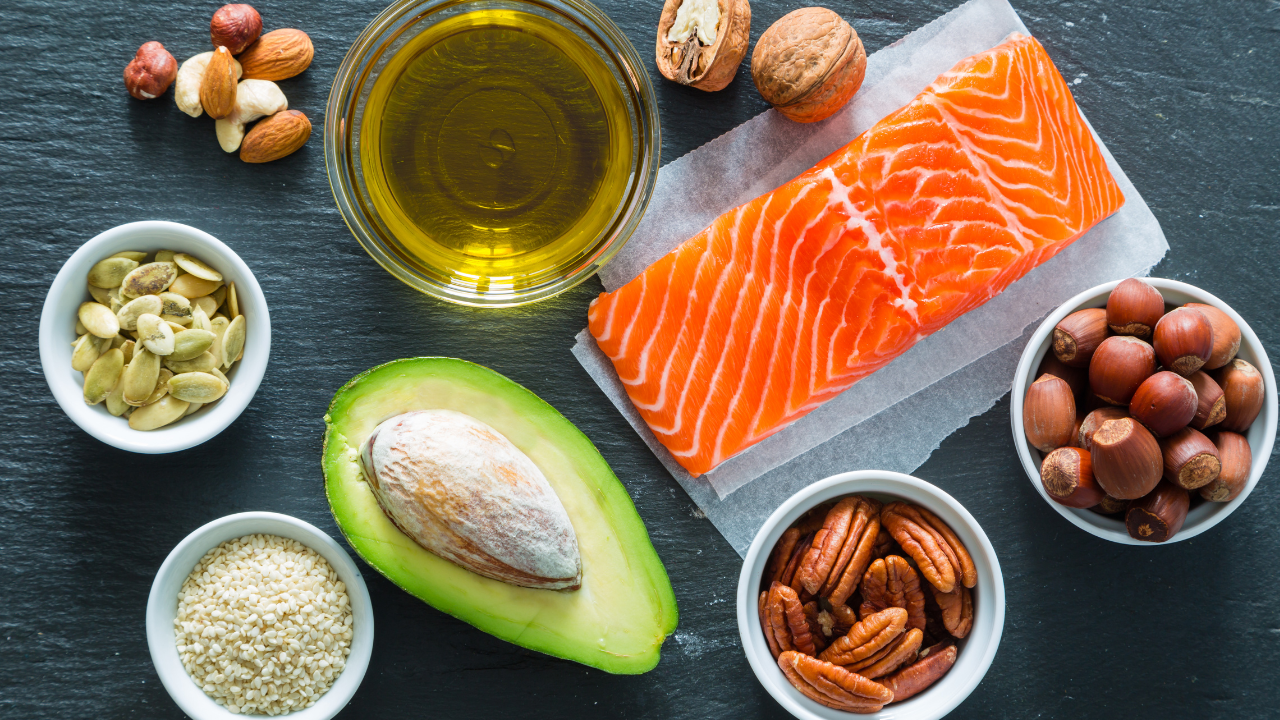
5. Nuts: Nuts are a good source of unsaturated fats, which can help lower LDL cholesterol levels. Some good choices of nuts include almonds, walnuts, and peanuts.

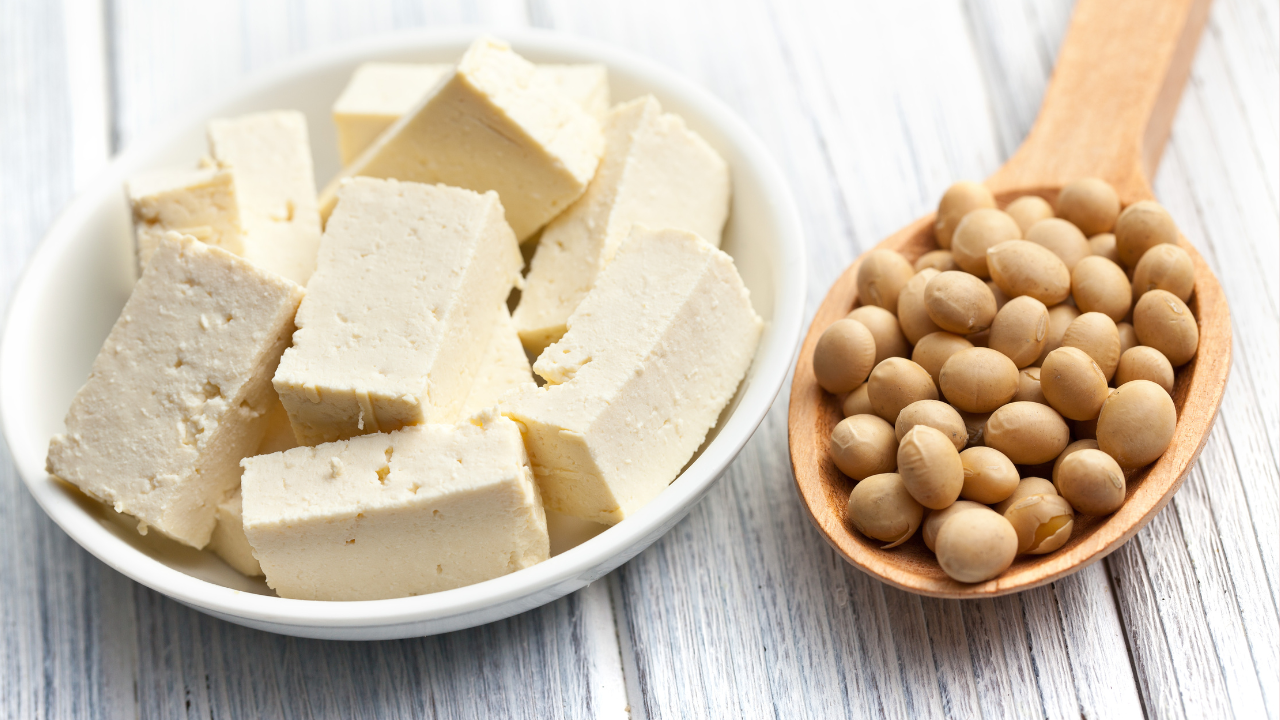
6. Soy products: Soy products, such as tofu, tempeh, and edamame, are a good source of soy protein, which has been shown to lower cholesterol levels. You can add soy products to a variety of dishes, such as stir-fries, salads, and soups.

7. Salmon: Salmon is a good source of omega-3 fatty acids, which have been shown to lower LDL cholesterol levels and raise HDL cholesterol levels (the “good” cholesterol). You can eat salmon grilled, baked, or poached.

These are just a few of the many foods that can help you lower your cholesterol. By incorporating these foods into your diet, you can help improve your cholesterol levels and reduce your risk of heart disease.

Here are some additional tips for lowering your cholesterol:

  • Limit your intake of saturated and trans fats.
  • Eat plenty of fruits, vegetables, and whole grains.
  • Choose lean protein sources, such as fish, chicken, and beans.
  • Limit your intake of processed foods and sugary drinks.
  • Exercise regularly.
Tagged : / / / / /

What Is Mindful Eating And How It Improves Your Health And Well-Being?

What Is Mindful Eating And How It Improves Your Health And Well-Being?
Mindful eating is the practice of paying attention to your food, on purpose, moment by moment, without judgment. It is a way of eating that can help you to enjoy your food more, eat less, and improve your overall health.

There are many benefits to mindful eating. It can help you to:

i. Lose weight or maintain a healthy weight
Mindful eating can help you to become more aware of your hunger and fullness cues, so that you eat only when you are truly hungry and stop eating when you are full.
ii. Improve your digestion
Mindful eating can help you to chew your food more thoroughly, which can improve your digestion and absorption of nutrients.
iii. Reduce stress
Mindful eating can help you to relax and enjoy your food, which can reduce stress levels.
iv. Improve your overall health
Mindful eating can help you to make healthier food choices, which can improve your overall health.

Here are 5 ways to be mindful while eating:

1. Eat slowly and without distractions
When you eat slowly, you give your body time to register that you are full. Distractions, such as watching TV or working on your computer, can make it harder to focus on your food and eat mindfully.

2. Pay attention to your body
Notice how your body feels before, during, and after you eat. Are you hungry? Full? What are your physical sensations?

3. Focus on the taste of your food
Notice the different flavors, textures, and smells of your food. How does it taste? What does it feel like in your mouth?

4. Be aware of your emotions
Are you eating because you are hungry, or are you eating for other reasons, such as stress or boredom? Be aware of your emotions and how they are affecting your eating.

5. Approach your meal with gratitude
Take a moment before you eat to appreciate the food you are about to eat. Think about where your food came from and the people who helped to prepare it.

Mindful eating is a skill that takes practice. The more you practice, the better you will become at it. Start by trying to be mindful for a few minutes at each meal. As you get more comfortable, you can gradually increase the amount of time you spend eating mindfully.

Here are some additional tips for mindful eating:

  • Eat in a quiet place where you won’t be interrupted.
  • Put your phone away.
  • Focus on your food and nothing else.
  • Take small bites and chew your food thoroughly.
  • Pay attention to how your food makes you feel.
  • Stop eating when you are full.

    Mindful eating is a simple but powerful way to improve your health and well-being. By following these tips, you can learn to eat more mindfully and enjoy your food more.

Tagged : / / / / /

How Baby Corns Are a Super Food for Diabetic People

How Baby Corns Are a Super Food for Diabetic People
Baby corn is a miniature version of fully grown corn, but it packs a big nutritional punch. It is a low-calorie, high-fiber vegetable that is also a good source of vitamins, minerals, and antioxidants. For people with diabetes, baby corn can be a valuable addition to their diet. Here are some of the reasons why:

1. Low glycemic index
The glycemic index (GI) is a measure of how quickly a food raises blood sugar levels. Baby corn has a low GI, which means that it does not cause a sharp spike in blood sugar levels after eating.

2. High fiber content
Fiber helps to slow down the absorption of sugar into the bloodstream, which can help to keep blood sugar levels stable. Baby corn is a good source of soluble fiber, which is the type of fiber that has the most beneficial effects on blood sugar control.

3. Low in calories and fat
Baby corn is a low-calorie food, which makes it a good choice for people who are trying to lose weight or manage their weight. It is also a low-fat food, which is important for people with diabetes who are at risk of heart disease.

4. Rich in vitamins and minerals
Baby corn is a good source of vitamins A, C, and K, as well as the minerals magnesium, phosphorus, and potassium. These vitamins and minerals are essential for overall health and well-being, and they can also help to improve blood sugar control.

5. Antioxidant-rich
Baby corn is a good source of antioxidants, which can help to protect the body against damage from free radicals. Free radicals are unstable molecules that can damage cells, and they have been linked to a number of chronic diseases, including diabetes.

In addition to these health benefits, baby corn is also a versatile vegetable that can be enjoyed in a variety of dishes. It can be eaten raw, cooked, or stir-fried. It can also be added to soups, salads, and casseroles.

If you are looking for a healthy and delicious way to add more vegetables to your diet, baby corn is a great option. It is a low-calorie, high-fiber food that is also a good source of vitamins, minerals, and antioxidants. Baby corn can be a valuable addition to the diet of people with diabetes, as it can help to keep blood sugar levels stable.

Tagged : / / / / /

7 Vegetarian Super Foods That Are Great For Bone Health

7 Vegetarian Super Foods That Are Great For Bone Health
Strong bones are essential for good health. They help us to stand upright, move around, and protect our vital organs. Unfortunately, as we age, our bones can become weaker and more prone to fractures.

There are many things that can contribute to weak bones, including genetics, diet, and lifestyle factors. So if you are worried that not many vegetarian foods help in bone health, let us deny that with this list. There are a number of foods that can help to keep our bones strong.

1. Tofu
Tofu is a great source of calcium, which is essential for bone health. It is also a good source of protein, which helps to build and maintain strong bones.

2. Soybeans
Soybeans are another good source of calcium and protein. They are also a good source of isoflavones, which have been shown to help protect against bone loss.

3. Broccoli
Broccoli is a good source of vitamin K, which is essential for bone health. It is also a good source of fiber, which can help to keep you feeling full and satisfied.

4. Kale
Kale is another good source of vitamin K. It is also a good source of calcium, magnesium, and vitamin C, all of which are important for bone health.

5. Almonds
Almonds are a good source of calcium, magnesium, and vitamin K. They are also a good source of healthy fats, which can help to protect your bones from inflammation.

6. Fortified plant milks
Fortified plant milks, such as almond milk, soy milk, and oat milk, are a good source of calcium and vitamin D. They are also a good source of protein and other nutrients that are important for overall health.

7. Legumes
Legumes, such as beans, lentils, and peas, are a good source of calcium, magnesium, and vitamin K. They are also a good source of protein and fiber, which can help to keep you feeling full and satisfied.

In addition to these foods, there are a number of other things that you can do to keep your bones strong, such as:

  • Getting enough exercise.
  • Getting enough sunlight.
  • Avoiding smoking.
  • Limiting your alcohol intake.
  • Taking a calcium and vitamin D supplement.

By following these tips, you can help to keep your bones strong and healthy for life.

Tagged : / / / / /

Does Spinach Juice Really Give You Kidney Stones? Read On To Find Out!

Does Spinach Juice Really Give You Kidney Stones? Read On To Find Out!
Spinach is a nutrient-rich vegetable that is often touted as a superfood. However, like any food, spinach can have side effects when consumed in excess.

4 Disadvantages of drinking spinach juice:

i. Bloating
Spinach is high in fiber, which can cause gas and distension. If you are prone to bloating, it is best to start with small amounts of spinach juice and gradually increase your intake.

ii. Kidney stones
Spinach is high in oxalates, which can form kidney stones in people who are prone to them. If you have a history of kidney stones, it is best to avoid spinach juice or drink it in moderation.

iii. Interference with medications
Spinach juice can interfere with the absorption of certain medications. For example, spinach juice can reduce the effectiveness of the blood thinner warfarin. If you are taking any medications, it is important to talk to your doctor before drinking spinach juice.

iv. Allergic reactions
Spinach juice can cause allergic reactions in some people. If you have an allergy to spinach, you should avoid drinking spinach juice.

It is important to note that these are just some of the potential disadvantages of drinking spinach juice. If you are considering drinking spinach juice, it is important to talk to your doctor first to make sure it is safe for you.

Overall, spinach juice is a healthy beverage that can provide a number of benefits. However, it is important to be aware of the potential side effects before consuming it. If you have any concerns, talk to your doctor.

Here are some additional tips for reducing the side effects of spinach juice:

  • Drink spinach juice with other fruits and vegetables to dilute the oxalate content.
  • Drink spinach juice in moderation.
  • Avoid spinach juice if you have a history of kidney stones or are taking certain medications.
    If you experience any side effects after drinking spinach juice, stop drinking it and talk to your doctor.
Tagged : / / / / /

What Is The Importance of Vitamin B 12 And What Are Some Vegetarian Sources Of It?

What Is The Importance of Vitamin B 12 And What Are Some Vegetarian Sources Of It?
Those who have been diagnosed with a deficiency of Vitamin B12 should know that it is a very important Vitamin and should be consumed regularly. Vitamin B12 is an essential nutrient that plays a number of important roles in the body, including:

1. Nervous system function: Vitamin B12 is essential for the production of myelin, a fatty sheath that surrounds and protects nerve cells. This helps to ensure that nerve cells can transmit signals efficiently.

2. Blood cell production: Vitamin B12 is also essential for the production of red blood cells. Red blood cells carry oxygen throughout the body, so a deficiency in vitamin B12 can lead to anemia.

3. DNA synthesis: Vitamin B12 is also involved in the synthesis of DNA, the genetic material of cells. This is important for cell growth and repair.

A deficiency in vitamin B12 can lead to a number of health problems, including:

  • Anemia: Anemia is a condition in which the body does not have enough healthy red blood cells. This can cause symptoms such as fatigue, shortness of breath, and pale skin.
  • Neurological problems: A deficiency in vitamin B12 can also lead to neurological problems, such as numbness, tingling, and difficulty walking.
  • Heart disease: A deficiency in vitamin B12 has also been linked to an increased risk of heart disease.

Best Vegetarian Sources of Vitamin B12

For people who follow a vegetarian or vegan diet, it is important to get enough vitamin B12 from other sources. Some good vegetarian sources of vitamin B12 include:

  • Fortified cereals: Many breakfast cereals are fortified with vitamin B12.
  • Soy milk: Soy milk is a good source of vitamin B12, especially if it is fortified.
  • Yeast extract: Nutritional yeast is a type of yeast that is often used as a seasoning. It is a good source of vitamin B12.
  • Tempeh: Tempeh is a fermented soybean product that is a good source of vitamin B12.
  • Fortified vegan products: There are also a number of vegan products that are fortified with vitamin B12, such as vegan sausages, burgers, and cheeses.

It is important to note that not all fortified foods contain the same amount of vitamin B12. It is also important to check the label to make sure that the food is fortified with vitamin B12.

If you are concerned about getting enough vitamin B12 on a vegetarian or vegan diet, you should talk to your doctor. They can help you to create a plan to make sure that you are getting enough of this essential nutrient.

Tagged : / / / /

6 Health Benefits of Eating Fox Nuts That You Probably Don’t Know About!

6 Health Benefits of Eating Fox Nuts That You Probably Don’t Know About!
Fox nuts, also known as makhana, are a type of lotus seed that is native to India. They are a popular snack food in many parts of Asia, and they are also gaining popularity in the West due to their many health benefits.

Nutritional profile

Fox nuts are a good source of protein, fiber, and several vitamins and minerals. They are also low in calories and fat, making them a healthy snack option for people who are trying to lose weight or maintain a healthy weight.

Health Benefits of Eating Fox Nuts
Fox nuts, also known as makhana, are a type of lotus seed that is native to India. They are a popular snack food in many parts of Asia, and they are also gaining popularity in the West due to their many health benefits.

Fox nuts offer a variety of health benefits, including:

1. Weight loss: Fox nuts are low in calories and fat, and they are a good source of protein and fiber. These nutrients can help you feel full and satisfied, which can help you eat fewer calories overall.

2. Blood sugar control: Fox nuts are a good source of magnesium, which is a mineral that helps regulate blood sugar levels. This makes them a good snack option for people with diabetes or those who are at risk for developing diabetes.

3. Heart health: Fox nuts are a good source of potassium, which is a mineral that helps regulate blood pressure. They are also a good source of magnesium, which is a mineral that helps protect the heart from damage.

4. Digestion: Fox nuts are a good source of fiber, which is a nutrient that helps keep the digestive system healthy. Fiber can help prevent constipation and other digestive problems.

5. Antioxidants: Fox nuts are a good source of antioxidants, which are compounds that help protect the body from damage caused by free radicals. Free radicals can damage cells and contribute to the development of chronic diseases such as cancer and heart disease.

6. Skin health: Fox nuts are a good source of zinc, which is a mineral that is essential for skin health. Zinc helps to keep the skin hydrated and protected from damage.

How to eat fox nuts

Fox nuts can be eaten raw, roasted, or cooked. They can be added to salads, soups, or stir-fries. They can also be eaten as a snack on their own.

Conclusion

Fox nuts are a healthy and versatile snack food that can be enjoyed by people of all ages. They offer a variety of health benefits, including weight loss, blood sugar control, heart health, digestion, skin health, and more.

If you are looking for a healthy and delicious snack, consider adding fox nuts to your diet.

Tagged : / /

Why Skipping Roti for Weight Loss is Not a Good Idea?

Why Skipping Roti for Weight Loss is Not a Good Idea?
Roti is a staple food in many Indian households, and for good reason. It’s a versatile and delicious food that can be enjoyed with a variety of dishes. However, many people believe that skipping roti is the best way to lose weight. This is not necessarily true. In fact, skipping roti can actually be counterproductive for weight loss.

Here are some of the reasons why skipping roti is not a good idea for weight loss:

1. Roti is a good source of carbohydrates
Carbohydrates are an important part of a healthy diet, and they provide your body with energy. When you skip roti, you may end up feeling tired and sluggish, which can make it difficult to stick to your weight loss plan.

2. Roti is a good source of fiber
Fiber is essential for gut health, and it can also help you feel full after eating. When you skip roti, you may not be getting enough fiber in your diet, which can lead to overeating and weight gain.

3. Roti can be part of a healthy weight loss diet
If you’re trying to lose weight, it’s important to focus on eating a balanced diet that includes all the essential nutrients. Roti can be part of a healthy weight loss diet, as long as you’re mindful of your portion size and choose whole wheat roti over refined roti.

If you’re looking to lose weight, there are better ways to do it than skipping roti. Instead, focus on making other changes to your diet, such as eating more fruits and vegetables, lean protein, and healthy fats. You should also make sure to get regular exercise.

Here are some tips for losing weight without skipping roti:

Choose whole wheat roti over refined roti : Whole wheat roti is a better source of fiber and nutrients than refined roti.

Eat smaller portions of roti : A good rule of thumb is to eat one roti per meal.

Pair roti with healthy foods : Roti can be a healthy part of your diet if you pair it with healthy foods, such as vegetables, lean protein, and healthy fats.

Get regular exercise : Exercise is essential for weight loss and overall health. Aim for at least 30 minutes of moderate-intensity exercise most days of the week.

Losing weight can be challenging, but it doesn’t have to be difficult. By making small changes to your diet and lifestyle, you can reach your weight loss goals without having to give up roti. Here are some additional tips for losing weight without skipping roti:

  • Make sure you’re getting enough protein. Protein helps you feel full and satisfied, which can help you eat less overall.
  • Drink plenty of water. Water helps you feel full and can also help boost your metabolism.
  • Get enough sleep. When you’re sleep-deprived, your body produces more of the stress hormone cortisol, which can lead to weight gain.
  • Manage stress. Stress can lead to unhealthy eating habits, so it’s important to find ways to manage stress in a healthy way.

    Losing weight is a journey, not a destination. There will be ups and downs along the way, but if you stay focused and committed, you will reach your goals.

Tagged : / / / /

These 5 Indian Spices And Herbs In Your Kitchen Help Control Cholesterol

These 5 Indian Spices And Herbs In Your Kitchen Help Control Cholesterol
Cholesterol is a type of fat found in your blood. It is essential for your body to function properly, but too much cholesterol can increase your risk of heart disease. There are a number of things you can do to control your cholesterol levels, including eating a healthy diet, exercising regularly, and taking medication if necessary.

Indian spices and herbs can be a great way to add flavor to your meals and help control your cholesterol levels. Here are some of the most effective Indian spices and herbs for cholesterol control:

1. Turmeric: Turmeric is a powerful antioxidant that has been shown to lower LDL (bad) cholesterol and raise HDL (good) cholesterol. It also has anti-inflammatory properties that can help protect your heart.

2. Cinnamon: Cinnamon is another antioxidant that can help lower LDL cholesterol and raise HDL cholesterol. It also has blood-sugar-lowering effects that can be helpful for people with diabetes.

3. Fenugreek: Fenugreek is a fiber-rich spice that can help lower cholesterol by binding to bile acids in the gut. Bile acids are made from cholesterol, so by binding to them, fenugreek helps to reduce the amount of cholesterol that is absorbed into the bloodstream.

4. Garlic: Garlic is a powerful herb that has been shown to lower cholesterol in a number of ways. It can help to reduce the production of cholesterol in the liver, increase the breakdown of cholesterol, and prevent the absorption of cholesterol from the gut.

5. Ginger: Ginger is a versatile spice that can be used in a variety of dishes. It has anti-inflammatory and antioxidant properties that can help protect your heart and lower cholesterol levels.

How to use Indian spices and herbs to control cholesterol:

There are a number of ways to use Indian spices and herbs to control cholesterol. You can add them to your food when you cook, or you can take them as supplements.

If you are adding them to your food, you can start by adding small amounts and gradually increasing the amount as you get used to the taste. You can also try blending them with other spices to create a more complex flavor.

If you are taking them as supplements, you can find them in capsule or powder form. Be sure to talk to your doctor before taking any supplements, as they may interact with other medications you are taking.

Conclusion:

Indian spices and herbs can be a delicious and effective way to control your cholesterol levels. By adding them to your diet, you can help to lower your LDL cholesterol, raise your HDL cholesterol, and protect your heart.

Tagged : / / / /
Verified by ExactMetrics