How Baby Corns Are a Super Food for Diabetic People

How Baby Corns Are a Super Food for Diabetic People
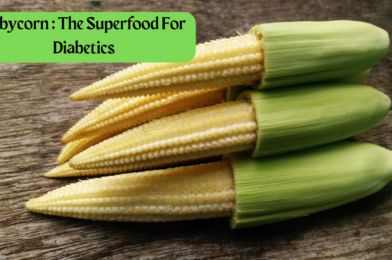
Baby corn is a miniature version of fully grown corn, but it packs a big nutritional punch. It is a low-calorie, high-fiber vegetable that is also a good source of vitamins, minerals, and antioxidants. For people with diabetes, baby corn can be a valuable addition to their diet. Here are some of the reasons why:

1. Low glycemic index
The glycemic index (GI) is a measure of how quickly a food raises blood sugar levels. Baby corn has a low GI, which means that it does not cause a sharp spike in blood sugar levels after eating.

2. High fiber content
Fiber helps to slow down the absorption of sugar into the bloodstream, which can help to keep blood sugar levels stable. Baby corn is a good source of soluble fiber, which is the type of fiber that has the most beneficial effects on blood sugar control.

3. Low in calories and fat
Baby corn is a low-calorie food, which makes it a good choice for people who are trying to lose weight or manage their weight. It is also a low-fat food, which is important for people with diabetes who are at risk of heart disease.

4. Rich in vitamins and minerals
Baby corn is a good source of vitamins A, C, and K, as well as the minerals magnesium, phosphorus, and potassium. These vitamins and minerals are essential for overall health and well-being, and they can also help to improve blood sugar control.

5. Antioxidant-rich
Baby corn is a good source of antioxidants, which can help to protect the body against damage from free radicals. Free radicals are unstable molecules that can damage cells, and they have been linked to a number of chronic diseases, including diabetes.

In addition to these health benefits, baby corn is also a versatile vegetable that can be enjoyed in a variety of dishes. It can be eaten raw, cooked, or stir-fried. It can also be added to soups, salads, and casseroles.

If you are looking for a healthy and delicious way to add more vegetables to your diet, baby corn is a great option. It is a low-calorie, high-fiber food that is also a good source of vitamins, minerals, and antioxidants. Baby corn can be a valuable addition to the diet of people with diabetes, as it can help to keep blood sugar levels stable.

Tagged : / / / / /

5 Strong Reasons Why You Should Drink Water From A Copper Bottle

5 Strong Reasons Why You Should Drink Water From A Copper Bottle
For centuries, people have been drinking water from copper vessels or bottles. There are many benefits to doing so, both for your health and for the environment.

Health benefits of drinking water from copper

Copper is an essential mineral for human health. It helps with the formation of red blood cells, the absorption of iron, and the production of collagen. Copper also has antimicrobial properties, which can help to keep you healthy by fighting off bacteria and viruses. When water is stored in a copper vessel or bottle, it reacts with the copper to form copper ions. These ions have been shown to have a number of health benefits, including:

1. Improved digestion
Copper is essential for the production of stomach acid, which helps to break down food and absorb nutrients. Copper also helps to regulate the movement of food through the digestive tract.

2. Boosted immunity
Copper is a key component of the immune system. It helps to produce white blood cells, which fight off infection. Copper also helps to repair damage to cells and tissues, which can help to prevent infection.

3. Reduced inflammation
Copper has anti-inflammatory properties. It helps to reduce inflammation in the body, which can help to relieve pain and improve overall health.

4. Protection against cancer
Copper has been shown to have some protective effects against cancer. It helps to repair DNA damage, which can help to prevent cancer cells from developing.

5. Anti-aging effects
Copper is essential for the production of collagen, which is a protein that gives the skin its elasticity and strength. Drinking water from copper can help to improve the appearance of the skin and reduce the signs of aging.

Environmental benefits of drinking water from copper

Copper is a sustainable material that can be recycled indefinitely. When you drink water from a copper vessel or bottle, you are helping to reduce waste and protect the environment.

How to drink water from a copper vessel or bottle?

To drink water from a copper vessel or bottle, simply fill it with fresh water and let it sit for at least 8 hours. The longer the water sits, the more copper ions will be released. You can also add a slice of lemon or lime to the water, which will help to enhance the flavor and the health benefits.

Safety precautions

It is important to note that drinking too much copper can be toxic. The recommended daily intake of copper is 0.9 mg for adults. If you are pregnant or breastfeeding, you should talk to your doctor before drinking water from a copper vessel or bottle.

Conclusion

Drinking water from a copper vessel or bottle is a healthy and sustainable way to hydrate. There are many potential health benefits, and it is a great way to reduce your environmental impact. If you are considering drinking water from copper, be sure to talk to your doctor first to make sure it is safe for you.

Tagged : / /

7 Vegetarian Super Foods That Are Great For Bone Health

7 Vegetarian Super Foods That Are Great For Bone Health
Strong bones are essential for good health. They help us to stand upright, move around, and protect our vital organs. Unfortunately, as we age, our bones can become weaker and more prone to fractures.

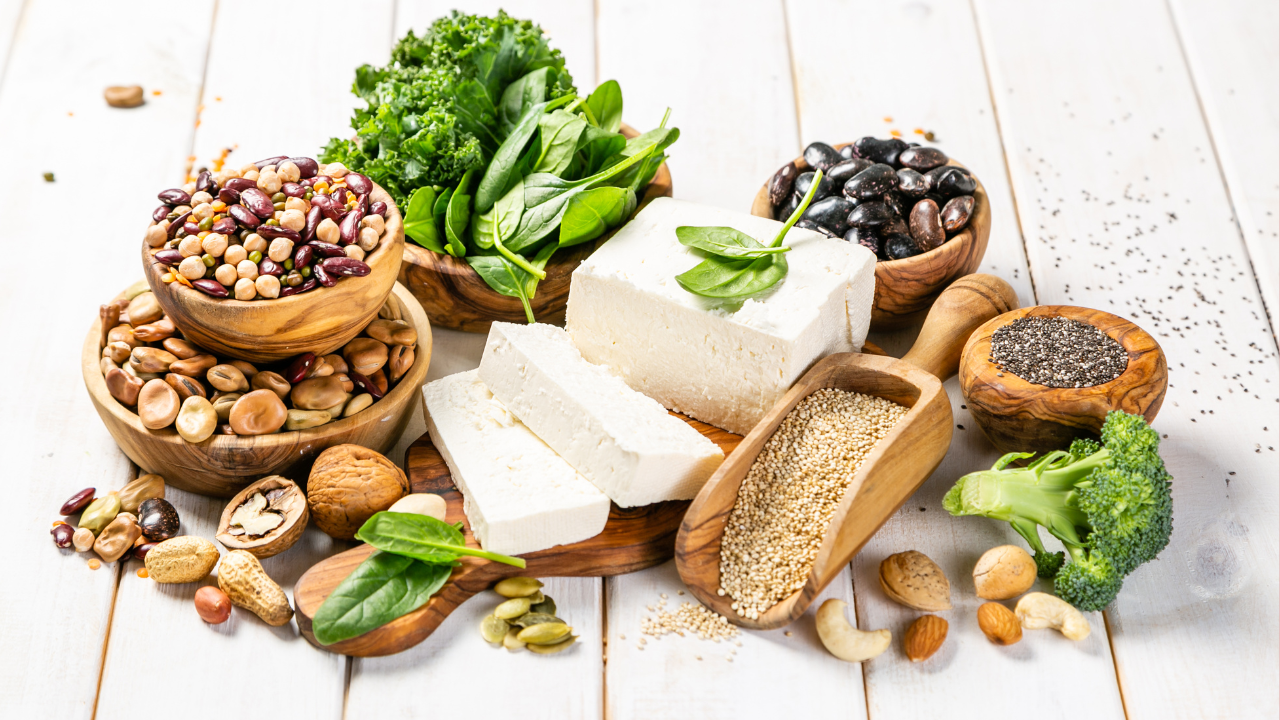
There are many things that can contribute to weak bones, including genetics, diet, and lifestyle factors. So if you are worried that not many vegetarian foods help in bone health, let us deny that with this list. There are a number of foods that can help to keep our bones strong.

1. Tofu
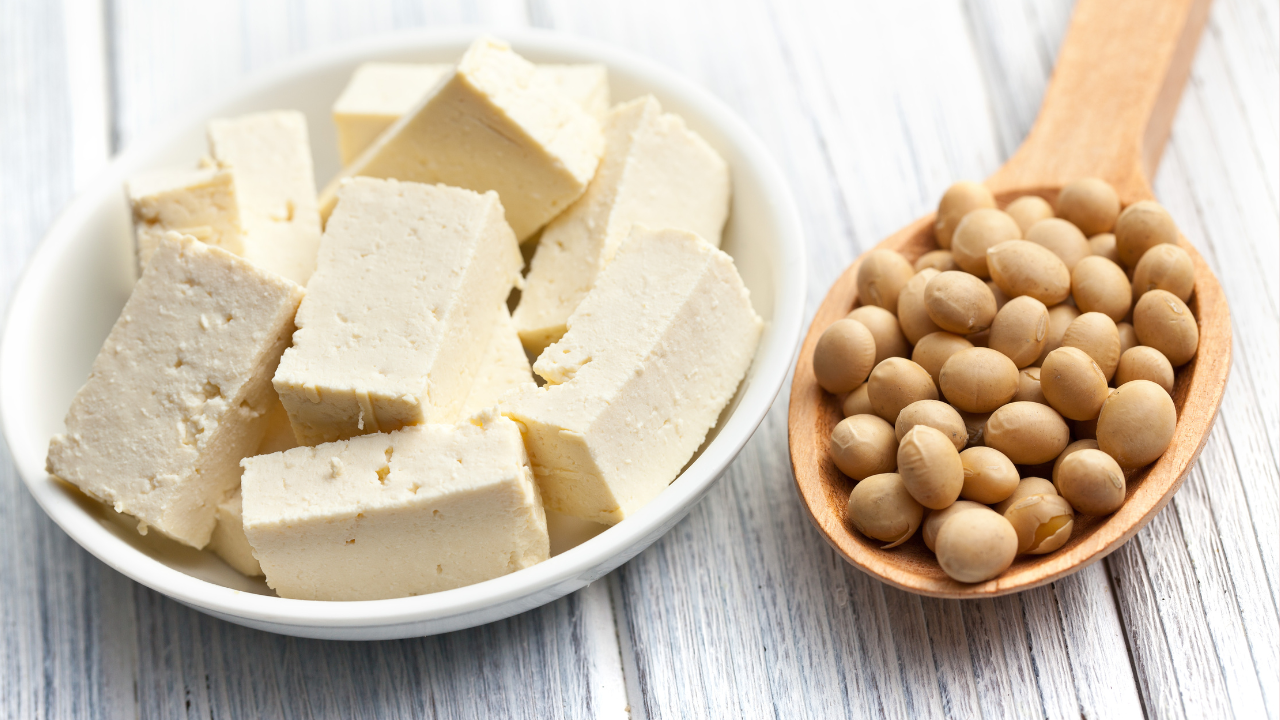
Tofu is a great source of calcium, which is essential for bone health. It is also a good source of protein, which helps to build and maintain strong bones.

2. Soybeans
Soybeans are another good source of calcium and protein. They are also a good source of isoflavones, which have been shown to help protect against bone loss.

3. Broccoli
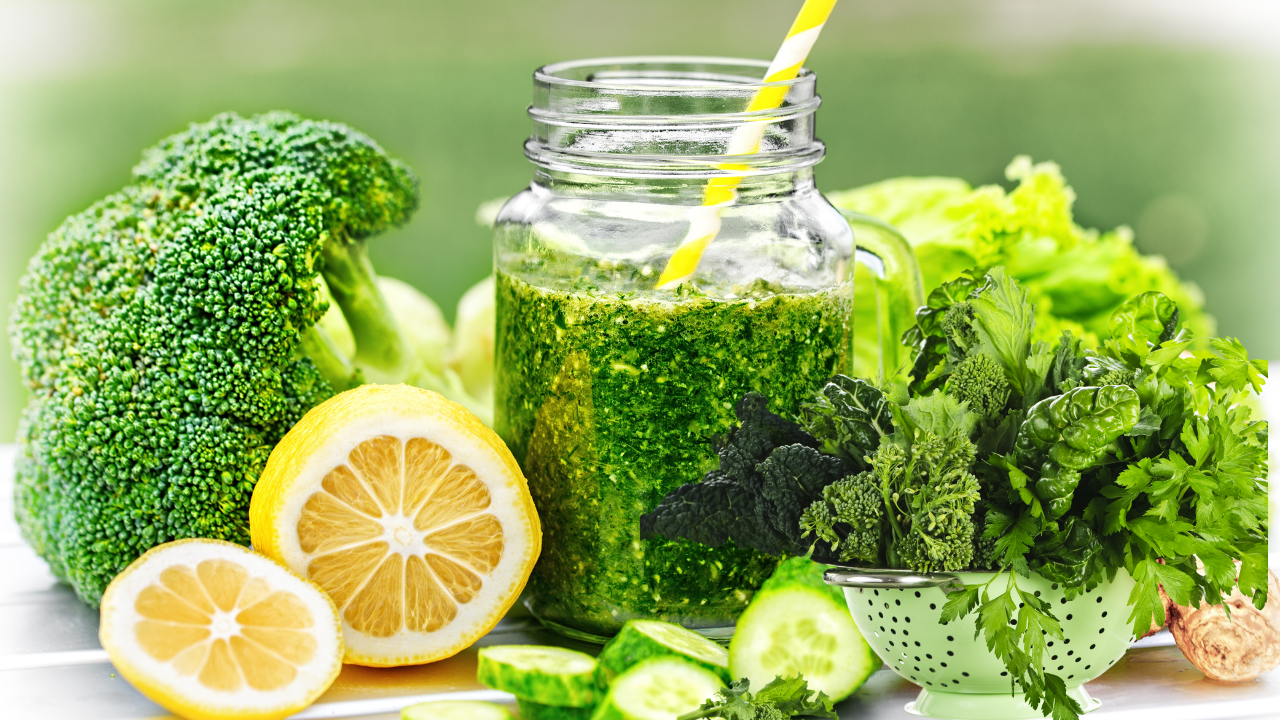
Broccoli is a good source of vitamin K, which is essential for bone health. It is also a good source of fiber, which can help to keep you feeling full and satisfied.

4. Kale
Kale is another good source of vitamin K. It is also a good source of calcium, magnesium, and vitamin C, all of which are important for bone health.

5. Almonds
Almonds are a good source of calcium, magnesium, and vitamin K. They are also a good source of healthy fats, which can help to protect your bones from inflammation.

6. Fortified plant milks
Fortified plant milks, such as almond milk, soy milk, and oat milk, are a good source of calcium and vitamin D. They are also a good source of protein and other nutrients that are important for overall health.

7. Legumes
Legumes, such as beans, lentils, and peas, are a good source of calcium, magnesium, and vitamin K. They are also a good source of protein and fiber, which can help to keep you feeling full and satisfied.

In addition to these foods, there are a number of other things that you can do to keep your bones strong, such as:

  • Getting enough exercise.
  • Getting enough sunlight.
  • Avoiding smoking.
  • Limiting your alcohol intake.
  • Taking a calcium and vitamin D supplement.

By following these tips, you can help to keep your bones strong and healthy for life.

Tagged : / / / / /

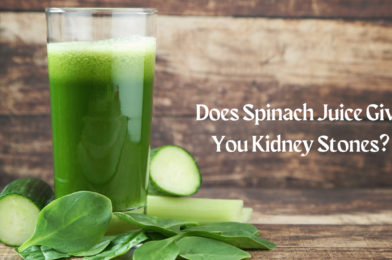
Does Spinach Juice Really Give You Kidney Stones? Read On To Find Out!

Does Spinach Juice Really Give You Kidney Stones? Read On To Find Out!
Spinach is a nutrient-rich vegetable that is often touted as a superfood. However, like any food, spinach can have side effects when consumed in excess.

4 Disadvantages of drinking spinach juice:

i. Bloating
Spinach is high in fiber, which can cause gas and distension. If you are prone to bloating, it is best to start with small amounts of spinach juice and gradually increase your intake.

ii. Kidney stones
Spinach is high in oxalates, which can form kidney stones in people who are prone to them. If you have a history of kidney stones, it is best to avoid spinach juice or drink it in moderation.

iii. Interference with medications
Spinach juice can interfere with the absorption of certain medications. For example, spinach juice can reduce the effectiveness of the blood thinner warfarin. If you are taking any medications, it is important to talk to your doctor before drinking spinach juice.

iv. Allergic reactions
Spinach juice can cause allergic reactions in some people. If you have an allergy to spinach, you should avoid drinking spinach juice.

It is important to note that these are just some of the potential disadvantages of drinking spinach juice. If you are considering drinking spinach juice, it is important to talk to your doctor first to make sure it is safe for you.

Overall, spinach juice is a healthy beverage that can provide a number of benefits. However, it is important to be aware of the potential side effects before consuming it. If you have any concerns, talk to your doctor.

Here are some additional tips for reducing the side effects of spinach juice:

  • Drink spinach juice with other fruits and vegetables to dilute the oxalate content.
  • Drink spinach juice in moderation.
  • Avoid spinach juice if you have a history of kidney stones or are taking certain medications.
    If you experience any side effects after drinking spinach juice, stop drinking it and talk to your doctor.
Tagged : / / / / /

What Is The Importance of Vitamin B 12 And What Are Some Vegetarian Sources Of It?

What Is The Importance of Vitamin B 12 And What Are Some Vegetarian Sources Of It?
Those who have been diagnosed with a deficiency of Vitamin B12 should know that it is a very important Vitamin and should be consumed regularly. Vitamin B12 is an essential nutrient that plays a number of important roles in the body, including:

1. Nervous system function: Vitamin B12 is essential for the production of myelin, a fatty sheath that surrounds and protects nerve cells. This helps to ensure that nerve cells can transmit signals efficiently.

2. Blood cell production: Vitamin B12 is also essential for the production of red blood cells. Red blood cells carry oxygen throughout the body, so a deficiency in vitamin B12 can lead to anemia.

3. DNA synthesis: Vitamin B12 is also involved in the synthesis of DNA, the genetic material of cells. This is important for cell growth and repair.

A deficiency in vitamin B12 can lead to a number of health problems, including:

  • Anemia: Anemia is a condition in which the body does not have enough healthy red blood cells. This can cause symptoms such as fatigue, shortness of breath, and pale skin.
  • Neurological problems: A deficiency in vitamin B12 can also lead to neurological problems, such as numbness, tingling, and difficulty walking.
  • Heart disease: A deficiency in vitamin B12 has also been linked to an increased risk of heart disease.

Best Vegetarian Sources of Vitamin B12

For people who follow a vegetarian or vegan diet, it is important to get enough vitamin B12 from other sources. Some good vegetarian sources of vitamin B12 include:

  • Fortified cereals: Many breakfast cereals are fortified with vitamin B12.
  • Soy milk: Soy milk is a good source of vitamin B12, especially if it is fortified.
  • Yeast extract: Nutritional yeast is a type of yeast that is often used as a seasoning. It is a good source of vitamin B12.
  • Tempeh: Tempeh is a fermented soybean product that is a good source of vitamin B12.
  • Fortified vegan products: There are also a number of vegan products that are fortified with vitamin B12, such as vegan sausages, burgers, and cheeses.

It is important to note that not all fortified foods contain the same amount of vitamin B12. It is also important to check the label to make sure that the food is fortified with vitamin B12.

If you are concerned about getting enough vitamin B12 on a vegetarian or vegan diet, you should talk to your doctor. They can help you to create a plan to make sure that you are getting enough of this essential nutrient.

Tagged : / / / /

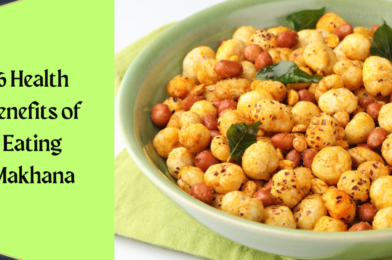
6 Health Benefits of Eating Fox Nuts That You Probably Don’t Know About!

6 Health Benefits of Eating Fox Nuts That You Probably Don’t Know About!
Fox nuts, also known as makhana, are a type of lotus seed that is native to India. They are a popular snack food in many parts of Asia, and they are also gaining popularity in the West due to their many health benefits.

Nutritional profile

Fox nuts are a good source of protein, fiber, and several vitamins and minerals. They are also low in calories and fat, making them a healthy snack option for people who are trying to lose weight or maintain a healthy weight.

Health Benefits of Eating Fox Nuts
Fox nuts, also known as makhana, are a type of lotus seed that is native to India. They are a popular snack food in many parts of Asia, and they are also gaining popularity in the West due to their many health benefits.

Fox nuts offer a variety of health benefits, including:

1. Weight loss: Fox nuts are low in calories and fat, and they are a good source of protein and fiber. These nutrients can help you feel full and satisfied, which can help you eat fewer calories overall.

2. Blood sugar control: Fox nuts are a good source of magnesium, which is a mineral that helps regulate blood sugar levels. This makes them a good snack option for people with diabetes or those who are at risk for developing diabetes.

3. Heart health: Fox nuts are a good source of potassium, which is a mineral that helps regulate blood pressure. They are also a good source of magnesium, which is a mineral that helps protect the heart from damage.

4. Digestion: Fox nuts are a good source of fiber, which is a nutrient that helps keep the digestive system healthy. Fiber can help prevent constipation and other digestive problems.

5. Antioxidants: Fox nuts are a good source of antioxidants, which are compounds that help protect the body from damage caused by free radicals. Free radicals can damage cells and contribute to the development of chronic diseases such as cancer and heart disease.

6. Skin health: Fox nuts are a good source of zinc, which is a mineral that is essential for skin health. Zinc helps to keep the skin hydrated and protected from damage.

How to eat fox nuts

Fox nuts can be eaten raw, roasted, or cooked. They can be added to salads, soups, or stir-fries. They can also be eaten as a snack on their own.

Conclusion

Fox nuts are a healthy and versatile snack food that can be enjoyed by people of all ages. They offer a variety of health benefits, including weight loss, blood sugar control, heart health, digestion, skin health, and more.

If you are looking for a healthy and delicious snack, consider adding fox nuts to your diet.

Tagged : / /

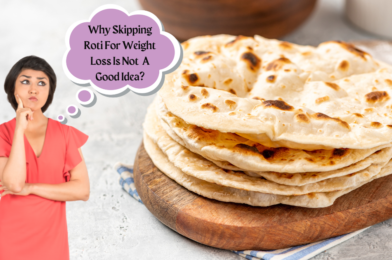
Why Skipping Roti for Weight Loss is Not a Good Idea?

Why Skipping Roti for Weight Loss is Not a Good Idea?
Roti is a staple food in many Indian households, and for good reason. It’s a versatile and delicious food that can be enjoyed with a variety of dishes. However, many people believe that skipping roti is the best way to lose weight. This is not necessarily true. In fact, skipping roti can actually be counterproductive for weight loss.

Here are some of the reasons why skipping roti is not a good idea for weight loss:

1. Roti is a good source of carbohydrates
Carbohydrates are an important part of a healthy diet, and they provide your body with energy. When you skip roti, you may end up feeling tired and sluggish, which can make it difficult to stick to your weight loss plan.

2. Roti is a good source of fiber
Fiber is essential for gut health, and it can also help you feel full after eating. When you skip roti, you may not be getting enough fiber in your diet, which can lead to overeating and weight gain.

3. Roti can be part of a healthy weight loss diet
If you’re trying to lose weight, it’s important to focus on eating a balanced diet that includes all the essential nutrients. Roti can be part of a healthy weight loss diet, as long as you’re mindful of your portion size and choose whole wheat roti over refined roti.

If you’re looking to lose weight, there are better ways to do it than skipping roti. Instead, focus on making other changes to your diet, such as eating more fruits and vegetables, lean protein, and healthy fats. You should also make sure to get regular exercise.

Here are some tips for losing weight without skipping roti:

Choose whole wheat roti over refined roti : Whole wheat roti is a better source of fiber and nutrients than refined roti.

Eat smaller portions of roti : A good rule of thumb is to eat one roti per meal.

Pair roti with healthy foods : Roti can be a healthy part of your diet if you pair it with healthy foods, such as vegetables, lean protein, and healthy fats.

Get regular exercise : Exercise is essential for weight loss and overall health. Aim for at least 30 minutes of moderate-intensity exercise most days of the week.

Losing weight can be challenging, but it doesn’t have to be difficult. By making small changes to your diet and lifestyle, you can reach your weight loss goals without having to give up roti. Here are some additional tips for losing weight without skipping roti:

  • Make sure you’re getting enough protein. Protein helps you feel full and satisfied, which can help you eat less overall.
  • Drink plenty of water. Water helps you feel full and can also help boost your metabolism.
  • Get enough sleep. When you’re sleep-deprived, your body produces more of the stress hormone cortisol, which can lead to weight gain.
  • Manage stress. Stress can lead to unhealthy eating habits, so it’s important to find ways to manage stress in a healthy way.

    Losing weight is a journey, not a destination. There will be ups and downs along the way, but if you stay focused and committed, you will reach your goals.

Tagged : / / / /

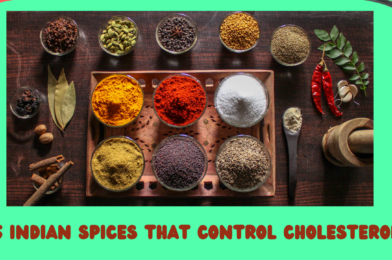
These 5 Indian Spices And Herbs In Your Kitchen Help Control Cholesterol

These 5 Indian Spices And Herbs In Your Kitchen Help Control Cholesterol
Cholesterol is a type of fat found in your blood. It is essential for your body to function properly, but too much cholesterol can increase your risk of heart disease. There are a number of things you can do to control your cholesterol levels, including eating a healthy diet, exercising regularly, and taking medication if necessary.

Indian spices and herbs can be a great way to add flavor to your meals and help control your cholesterol levels. Here are some of the most effective Indian spices and herbs for cholesterol control:

1. Turmeric: Turmeric is a powerful antioxidant that has been shown to lower LDL (bad) cholesterol and raise HDL (good) cholesterol. It also has anti-inflammatory properties that can help protect your heart.

2. Cinnamon: Cinnamon is another antioxidant that can help lower LDL cholesterol and raise HDL cholesterol. It also has blood-sugar-lowering effects that can be helpful for people with diabetes.

3. Fenugreek: Fenugreek is a fiber-rich spice that can help lower cholesterol by binding to bile acids in the gut. Bile acids are made from cholesterol, so by binding to them, fenugreek helps to reduce the amount of cholesterol that is absorbed into the bloodstream.

4. Garlic: Garlic is a powerful herb that has been shown to lower cholesterol in a number of ways. It can help to reduce the production of cholesterol in the liver, increase the breakdown of cholesterol, and prevent the absorption of cholesterol from the gut.

5. Ginger: Ginger is a versatile spice that can be used in a variety of dishes. It has anti-inflammatory and antioxidant properties that can help protect your heart and lower cholesterol levels.

How to use Indian spices and herbs to control cholesterol:

There are a number of ways to use Indian spices and herbs to control cholesterol. You can add them to your food when you cook, or you can take them as supplements.

If you are adding them to your food, you can start by adding small amounts and gradually increasing the amount as you get used to the taste. You can also try blending them with other spices to create a more complex flavor.

If you are taking them as supplements, you can find them in capsule or powder form. Be sure to talk to your doctor before taking any supplements, as they may interact with other medications you are taking.

Conclusion:

Indian spices and herbs can be a delicious and effective way to control your cholesterol levels. By adding them to your diet, you can help to lower your LDL cholesterol, raise your HDL cholesterol, and protect your heart.

Tagged : / / / /

4 Reasons Why People With High Blood Pressure Should Eat Bottle Gourd Regularly

4 Reasons Why People With High Blood Pressure Should Eat Bottle Gourd Regularly
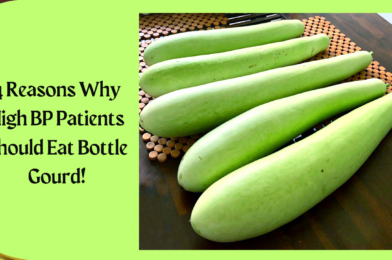
Bottle gourd, also known as lauki or doodhi, is a versatile vegetable that can be cooked in a variety of ways. It is a good source of vitamins, minerals, and antioxidants, and it has several health benefits, including for people with high blood pressure.

1. Low in sodium

Bottle gourd is low in sodium, which is an important factor for people with high blood pressure. Sodium can contribute to high blood pressure by causing the body to retain fluid. Bottle gourd is also a good source of potassium, which helps to counteract the effects of sodium.

2. High in potassium

Potassium is an important mineral for heart health. It helps to regulate blood pressure by balancing the effects of sodium. Potassium also helps to keep the heart beating regularly and to prevent heart arrhythmias.

3. High in fiber

Bottle gourd is a good source of fiber, which can help to lower blood pressure. Fiber helps to keep you feeling full, which can help you to eat fewer calories and maintain a healthy weight. Weight loss is often recommended for people with high blood pressure.

4. Contains antioxidants

Bottle gourd contains antioxidants, which can help to protect the body against damage from free radicals. Free radicals are unstable molecules that can damage cells and contribute to the development of chronic diseases, such as heart disease and cancer.

Other health benefits

In addition to its benefits for high blood pressure, bottle gourd also has other health benefits. It is a good source of vitamins A and C, which are important for vision, immunity, and skin health. It is also a good source of magnesium, which is important for muscle and nerve function.

How to eat bottle gourd?

Bottle gourd can be eaten cooked or raw. It is a versatile vegetable that can be used in a variety of dishes. Some popular ways to eat bottle gourd include:

Ghee roast: This is a simple and delicious dish that is made by roasting bottle gourd in ghee with spices.
Kheer: This is a sweet dish made with bottle gourd, milk, sugar, and spices.
Soup: Bottle gourd soup is a light and refreshing dish that is perfect for a summer day.
Salad: Bottle gourd salad is a healthy and satisfying way to get your daily dose of vegetables.

Conclusion

Bottle gourd is a healthy vegetable that has several benefits for people with high blood pressure. It is low in sodium, high in potassium, and a good source of fiber and antioxidants. Bottle gourd can be eaten cooked or raw, and it is a versatile vegetable that can be used in a variety of dishes. If you are looking for a healthy way to lower your blood pressure, adding bottle gourd to your diet is a great option. Talk to your doctor before making any major changes to your diet.

Tagged : / / /

5 Probiotic Foods That Are Good For Weight Loss And Solving Digestive Issues

5 Probiotic Foods That Are Good For Weight Loss And Solving Digestive Issues
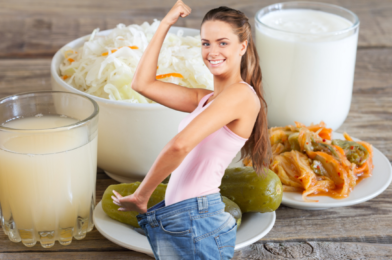
Probiotics are live microorganisms that have health benefits when consumed. These beneficial bacteria provide all sorts of powerful benefits for your body and brain, including:

  • Improved digestive health
  • Reduced depression
  • Promoted heart health
  • Boosted immunity
    There are many different ways to get probiotics, including taking supplements. However, one of the best ways to get probiotics is to eat probiotic foods. Here are 5 probiotic foods that are good for your body:

1. Yogurt

Yogurt is one of the most popular probiotic foods. It is made from milk that has been fermented with live bacteria. Yogurt is a good source of protein, calcium, and other nutrients. It can also help to improve digestion and boost immunity.

2. Kefir

Kefir is a fermented milk drink that is similar to yogurt. It is made from milk that has been fermented with kefir grains. Kefir is a good source of probiotics, as well as protein, calcium, and other nutrients. It can also help to improve digestion and boost immunity.

3. Sauerkraut

Sauerkraut is a fermented cabbage dish that is a good source of probiotics. It is made by fermenting cabbage with salt and sometimes other vegetables. Sauerkraut is a good source of fiber, vitamin C, and other nutrients. It can also help to improve digestion and boost immunity.

4. Kimchi

Kimchi is a fermented Korean dish that is made from cabbage, radishes, and other vegetables. It is a good source of probiotics, as well as fiber, vitamin C, and other nutrients. Kimchi can help to improve digestion and boost immunity.

5. Miso

Miso is a fermented soybean paste that is used in Japanese cuisine. It is a good source of probiotics, as well as protein, fiber, and other nutrients. Miso can help to improve digestion and boost immunity.

In addition to these 5 probiotic foods, there are many other foods that contain probiotics. These include tempeh, pickles, sourdough bread, and some cheeses.

If you are looking to lose weight and sort your digestive issues then these probiotic foods are a must in your diet because :
Improved digestion: Probiotics can help to improve digestion by increasing the production of digestive enzymes. This can help to break down food more efficiently and prevent constipation. Constipation can lead to weight gain, so improving digestion can help to promote weight loss.

Reduced appetite: Probiotics can help to reduce appetite by increasing the production of hormones that signal fullness. This can help you to eat less and feel satisfied sooner.

Increased metabolism: Probiotics can help to increase metabolism by increasing the number of calories that your body burns. This can help you to lose weight more easily.

Reduced inflammation: Inflammation is a major factor in weight gain. Probiotics can help to reduce inflammation by balancing the gut microbiome. This can help you to lose weight and improve your overall health.

Tagged : / / /

Which Oats are the Best: Steel Cut, Rolled, or Instant?

Which Oats are the Best: Steel Cut, Rolled, or Instant?

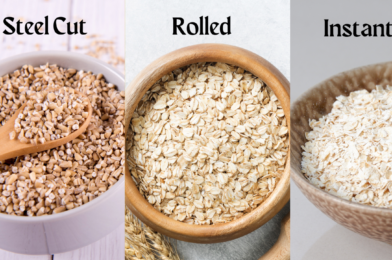
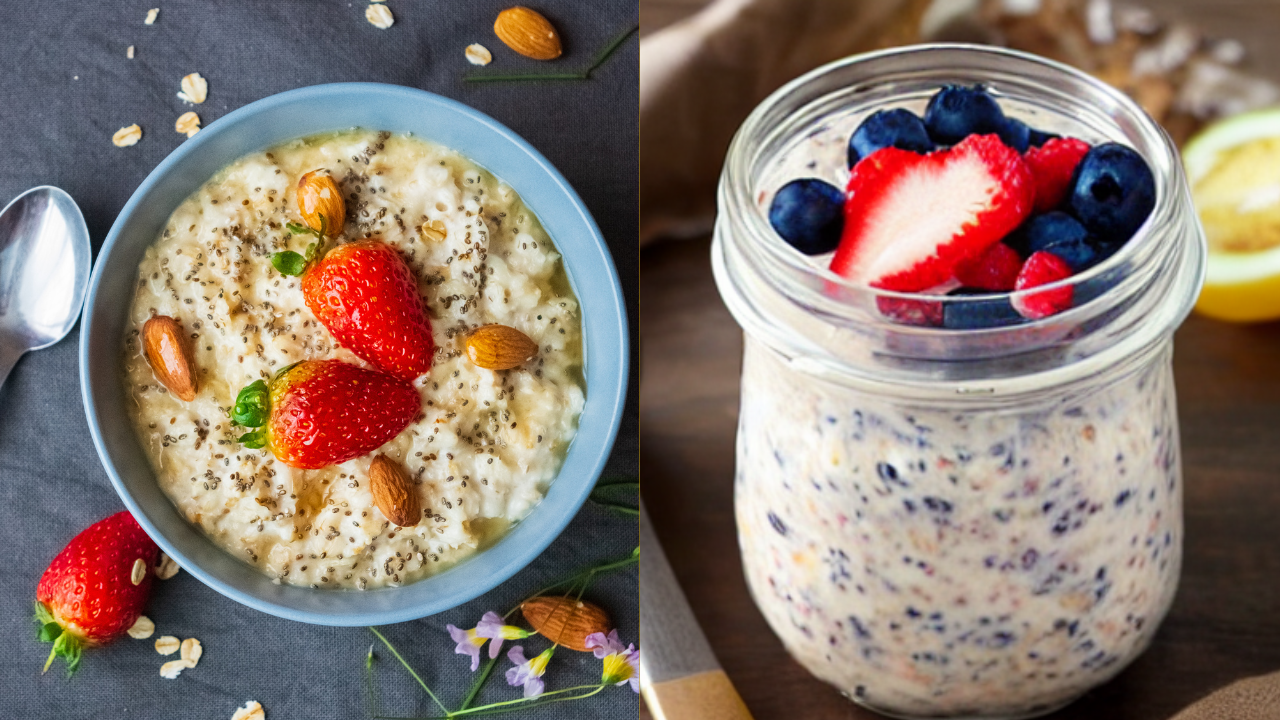
Oats are a healthy and versatile whole grain that can be enjoyed in many different ways. They are a good source of fiber, protein, and vitamins, and they can help to lower cholesterol and improve heart health. There are three main types of oats: steel cut, rolled, and instant. Each type has its own unique properties and benefits, so it is important to choose the right type for your needs.

1. Steel Cut Oats

Steel cut oats are the least processed type of oat. They are made by cutting whole oat groats into smaller pieces. This gives them a chewier texture and a nutty flavor. Steel cut oats take the longest to cook, about 20-30 minutes. However, they are also the most nutritious type of oat.

2. Rolled Oats

Rolled oats are made by steaming whole oat groats and then flattening them. This gives them a flatter, more even texture than steel cut oats. Rolled oats cook more quickly than steel cut oats, about 5-7 minutes. They are also a good source of fiber and protein.

3. Instant Oats

Instant oats are the most processed type of oat. They are made by steaming and rolling oat groats, and then they are chopped into smaller pieces. This gives them a very quick cooking time, about 1-2 minutes. Instant oats are also a good source of fiber and protein, but they are not as nutritious as steel cut or rolled oats.

Which Type of Oats is Best?

The best type of oats for you depends on your individual preferences and needs. If you are looking for a chewy, nutty texture and the most nutrition, then steel cut oats are the best choice. If you are looking for a quicker cooking time, then rolled oats are a good option. And if you are looking for the most convenient option, then instant oats are a good choice.

How to Choose the Right Oats for You?

Here are some factors to consider when choosing the right type of oats for you:

  • Cooking time: If you are short on time, then instant oats are the best option. However, if you have more time, then steel cut oats or rolled oats will give you a better texture and flavor.
  • Nutrition: If you are looking for the most nutritious option, then steel cut oats are the best choice. However, all three types of oats are a good source of fiber and protein.
  • Taste: Steel cut oats have a chewy texture and a nutty flavor, while rolled oats have a more even texture and a milder flavor. Instant oats have a soft texture and a slightly sweet flavor.
  • Personal preference: Ultimately, the best type of oats for you is the one that you enjoy the most. So experiment with different types of oats and find the one that you like the best.
Tagged : / / / / / /

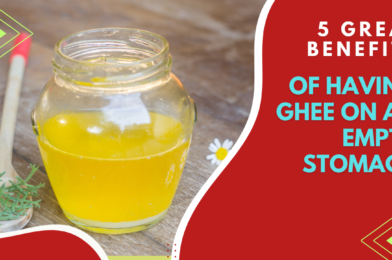
Most People Don’t Know These 5 Benefits Of Having Ghee On An Empty Stomach!

Most People Don’t Know These 5 Benefits Of Having Ghee On An Empty Stomach!
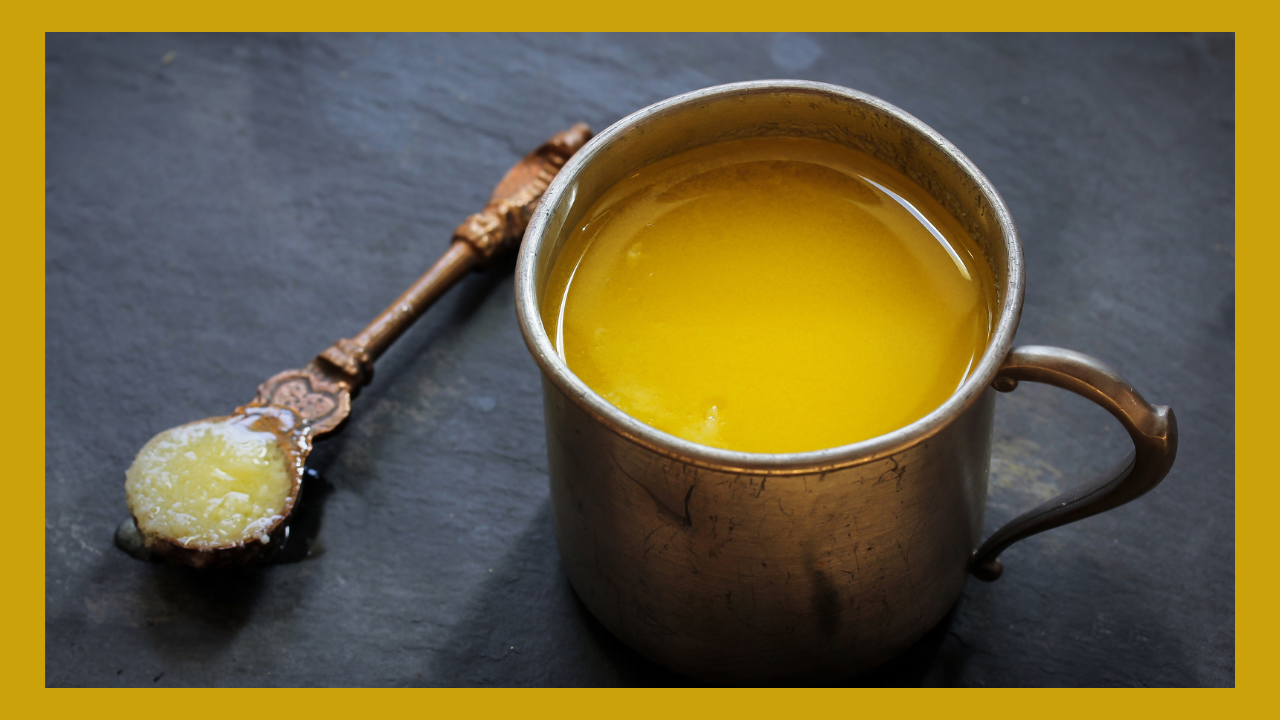
Ghee is a type of clarified butter that has been used for centuries in Indian cuisine. It is a rich source of nutrients, including vitamins A, D, E, and K. Ghee is also a good source of healthy fats, including butyric acid and medium-chain triglycerides.

There are many potential benefits to eating ghee on an empty stomach. Here are some of the most well-known benefits:

1. Improves digestion
Ghee is a natural laxative that can help to keep the digestive system healthy. It also contains butyric acid, which is a short-chain fatty acid that has been shown to promote the growth of healthy gut bacteria.

2. Boosts immunity
Ghee is a good source of antioxidants, which can help to protect the body against damage from free radicals. Free radicals are unstable molecules that can damage cells and lead to chronic diseases.

3. Improves skin health
Ghee is a natural moisturizer that can help to keep the skin hydrated and looking its best. It also contains vitamin A, which is essential for healthy skin.

4. Helps with weight loss
Ghee is a high-calorie food, but it is also a good source of healthy fats. These fats can help to keep you feeling full, which can make it easier to lose weight.

5. Protects against heart disease
Ghee contains medium-chain triglycerides, which have been shown to improve cholesterol levels and reduce the risk of heart disease.

It is important to note that these are just some of the potential benefits of eating ghee on an empty stomach. More research is needed to confirm these benefits. If you are considering adding ghee to your diet, it is important to start slowly and gradually increase your intake. Ghee is a high-calorie food, so it is important to make sure that you are not consuming too many calories overall. You should also talk to your doctor before starting to take ghee, especially if you have any health conditions.

Here are some tips for eating ghee on an empty stomach:

  • Start with a small amount, such as 1 teaspoon.
  • You can take it by itself or add it to your food.
  • If you are taking it by itself, you can mix it with warm water or milk.
  • You can also add it to your coffee or tea.
  • If you have any health conditions, talk to your doctor before starting to take ghee.

    Ghee is a healthy and versatile food that can be enjoyed in many different ways. If you are looking for a way to improve your health, adding ghee to your diet may be a good option for you.

Tagged : / / /

Edible Robotics: The Future of Food?

Edible Robotics: The Future of Food?
Edible robotics is a new field of research that is exploring the potential of using robots to create edible food products. This field is still in its early stages, but it has the potential to revolutionize the way we eat.

One of the most promising applications of edible robotics is in the development of new food delivery systems. For example, robots could be used to create edible capsules that could be swallowed and deliver nutrients directly to the body. This could be a valuable tool for people who are unable to eat solid food or who need to supplement their diet with specific nutrients.

Edible robotics could also be used to create new types of food with enhanced flavors, textures, and nutritional properties. For example, robots could be used to create edible sensors that could monitor the body’s nutritional needs and adjust the food accordingly. This could help people to eat healthier and maintain a balanced diet.

The RoboFood Project is a research project that is exploring the potential of edible robotics. The project is being conducted by a team of scientists at the Swiss Federal Institute of Technology in Lausanne (EPFL). The team is developing a variety of edible robots, including capsules that can deliver nutrients directly to the body, edible sensors that can monitor the body’s nutritional needs, and edible robots that can change their shape and texture in response to the user’s input.

The RoboFood Project is still in its early stages, but it has the potential to revolutionize the way we eat. Edible robotics could make it possible to create new and innovative food products that are healthier, more nutritious, and more personalized. This could have a significant impact on our health and well-being.

Here are some of the potential benefits of edible robotics:

  • Improved nutrition: Edible robots could be used to deliver specific nutrients directly to the body, which could help people to eat healthier and maintain a balanced diet.
  • New food experiences: Edible robots could be used to create new and innovative food products with enhanced flavors, textures, and nutritional properties. This could make eating more enjoyable and satisfying.
  • Personalized nutrition: Edible robots could be used to create personalized food products that are tailored to the individual’s nutritional needs. This could help people to achieve their health goals.
    The future of edible robotics is still uncertain, but the potential benefits are significant. As the field continues to develop, we can expect to see new and innovative food products that are made possible by edible robotics.
Tagged : / / / / /

These Are The Best and Worst Foods For Jaundice Patients

These Are The Best and Worst Foods For Jaundice Patients
Jaundice is a condition in which the skin and whites of the eyes turn yellow. It is caused by a buildup of bilirubin, a yellow pigment that is produced when the body breaks down red blood cells. Jaundice can be caused by a number of factors, including liver disease, infections, and certain medications. The severity of jaundice can vary from mild to severe. In mild cases, the only symptom may be a yellow tint to the skin. In more severe cases, jaundice can also cause symptoms such as fatigue, nausea, vomiting, and itching.

Jaundice is usually not a serious condition, but it can be a sign of a more serious underlying medical problem. If you are experiencing jaundice, it is important to see a doctor to determine the cause and get treatment. The treatment includes medicines and proper diet. Food plays an important role in recovering from jaundice so you should know which foods are best and which are worst to eat during justice. Here is a list:

1 Fresh Fruits and Vegetables
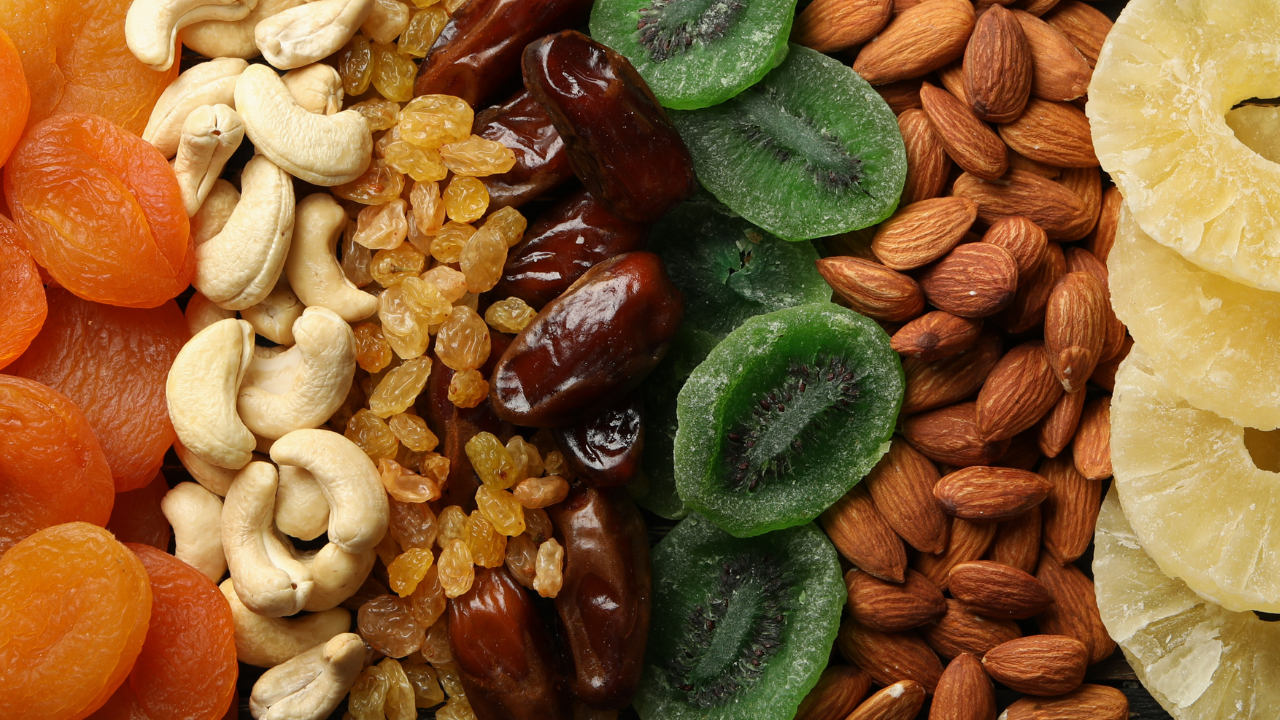
Fresh produce is full of fibre and antioxidants that help with digestion and reduce the risk of liver damage. Citrus fruits (grapefruits, limes, and lemons), cruciferous vegetables (brussels sprouts, cauliflower, and broccoli), tomatoes, avocados, olives, melons, papayas, turnips, beets, grapes, blueberries, spinach, ginger, and garlic are among the fruits and vegetables that particularly help the liver.

2. Coffee and herbal tea
Herbal teas and coffee both include significant quantities of antioxidants, which help with digestion and remove toxins from the body, in addition to caffeine. It is well recognised that drinking coffee in moderation lowers the incidence of liver cirrhosis, toxic liver enzymes, and inflammation.

3. Whole grains
Whole grain foods contain a range of nutrients that are good for the liver, including healthy fats, fibre, minerals, and antioxidants. For instance, within 12 weeks of regular ingestion, beta-glucan-rich oats improve liver function.

4. Legumes and Nuts
Nuts and legumes, which include peas, lentils, horse gramme, kidney, and other beans, are foods that are good for the liver. Because they are high in fibre, good fats, vitamin E, and phenolic acid, these foods for jaundice treatment are quite useful and speed up healing.

5. Lean Proteins
Lean proteins that are kind on the liver include tofu, fish, and lentils. Salmon and mackerel are two of the greatest oily fish species to eat if you have jaundice because they include zinc and omega-3, which promotes healthier metabolism.

6. Water
Water facilitates digestion and aids the kidneys and liver in removing toxins from the body. Therefore, the best strategy to treat jaundice is to consume adequate water.
The Worst food for a jaundice patient is:

1. Liquor
Alcohol is poisonous and bad for the liver. Additionally, it harms a number of interior body tissues. Chronic inflammation, liver dysfunction, and liver fibrosis can all be caused by excessive alcohol use. When jaundice is identified, alcohol must be completely avoided.

2. Refined carbohydrates
Large quantities of refined sugar are found in foods like white bread, pasta, soda, and baked goods. Unneeded refined sugar and carbs can harm the liver, cause obesity, and cause type 2 diabetes.

3. Foods that are processed, smoked, and canned
These foods are known to contain a lot of preservatives, including foods that have been canned or smoked to prevent jaundice. For instance, deli meats and canned vegetables are high in salt, which can dry the body, strain the liver, and impede digestion. Because packaged foods that contain 1.5 grammes of salt per 100 grammes or 0.6 grammes of sodium are thought to be high in salt, you should avoid them.

4. Trans and saturated fats
Saturated and trans fats are prohibited from a jaundice diet because they raise insulin resistance. Insulin aids in the digestion of sugar and controls blood sugar levels. Uncontrolled consumption of saturated and trans fats has been linked to obesity and malnutrition, both of which put the liver at danger. It is advised that diabetes patients minimise their consumption of fried, oily, and quick meals. Whole milk, cheese, full-fat yoghurts, and other dairy products all contain too much saturated fat and ought to be avoided.

5. Shellfish, uncooked or raw fish
Shellfish and raw or undercooked fish may include germs, viruses, parasites, and other poisons that might harm the liver and other digestive systems.

6. Pork and beef
A damaged liver cannot easily process the lipids and animal amino acids found in beef and pork. These meals also put a lot of stress on the liver, making them foods to stay away from if you have jaundice.

If you follow these tips, you can help to improve your liver function and clear bilirubin from your body. This will help to reduce the symptoms of jaundice and speed up your recovery.

Tagged : / / /

10 Countries And Their Strange Dining Etiquettes You Should Know!

10 Countries And Their Strange Dining Etiquettes You Should Know!
Every country has different food habits and so different dining etiquettes. Dining etiquette varies from culture to culture, and there are some countries where the rules of etiquette are particularly strict. Here are 10 countries from across the world that are known for their strict dining etiquette:

1. Kazakhstan
If your host in Kazakhstan serves you a cup of tea that is only half full, don’t feel bad. It is a good sign, unlike a full cup of tea that is seen as a sign that the host might want you to leave.

2. India
In India, food is always eaten with right hand as the left hand is considered unclean. Also, Do not put your hand in your mouth while eating, just push the food in with your thumb.

3. Egypt
In Egypt, leaving a meal or gathering to refill your glass is viewed as impolite. You should wait for someone else to offer to do it (often a neighbour). The same goes for offering to replenish your neighbor’s glasses.

4. France
When bread is placed on the table in France, it is not an appetiser but rather something to go with your meal. You’re supposed to rip off pieces and use them to scoop sauces up or transfer food to a fork. Also, In France, eating out is a rather frequent occurrence. However, splitting the bill is viewed as being extremely crude whether you’re out with friends or strangers. Offer to cover the entire bill, or let someone else do it.

5. Italy
In Italy, it is considered rude to start eating before everyone at the table has been served. You should also avoid picking your teeth at the table. It is also customary to finish everything on your plate, as this is seen as a sign of appreciation. Also, you should not ask for extra cheese or spices or condiments for your pizza if you have not already been given.

6. Japan
Never tip in Japanese restaurants as they consider it rude. In Japanese culture, chopsticks placed vertically in rice in offerings made to the dead and at funerals. It is therefore considered bad manners and bad luck to do so during the course of a meal.

7. China
Never finish the entire food on your plate. Leave a little of it on your plate to show that you have been given more than enough food by your hosts and that you are full.

8. Portugal
If you ask for salt and pepper in Portugal, it is considered rude because it means that you are insulting the seasoning skills of the chef.

9. Chile
Never ever use your hands to eat anything in Chile as it is considered extremely ill-mannered. They even eat fries and burgers with fork and knife.

10. Spain
In Spain, it is considered rude to leave food on your plate. You should also avoid asking for a doggy bag. It is also customary to make eye contact with the person you are speaking to while you are eating.

Tagged : / / /
Verified by ExactMetrics