5 Fascinating After-Death Rituals from Around the World

5 Fascinating After-Death Rituals from Around the World
Death is a universal human experience, but how we honor and commemorate the departed varies widely across cultures. Across the globe, people have developed unique and often awe-inspiring rituals to honor their loved ones after they pass away. Here are five fascinating after-death rituals from around the world:

1. Sky Burials in Tibet: In Tibetan Buddhist tradition, bodies are often offered to vultures in a ritual known as a sky burial. The belief is that by giving the body back to nature in this way, the soul can be freed from the physical form more quickly and continue its journey. This practice is a powerful reminder of the impermanence of life and the interconnectedness of all beings.
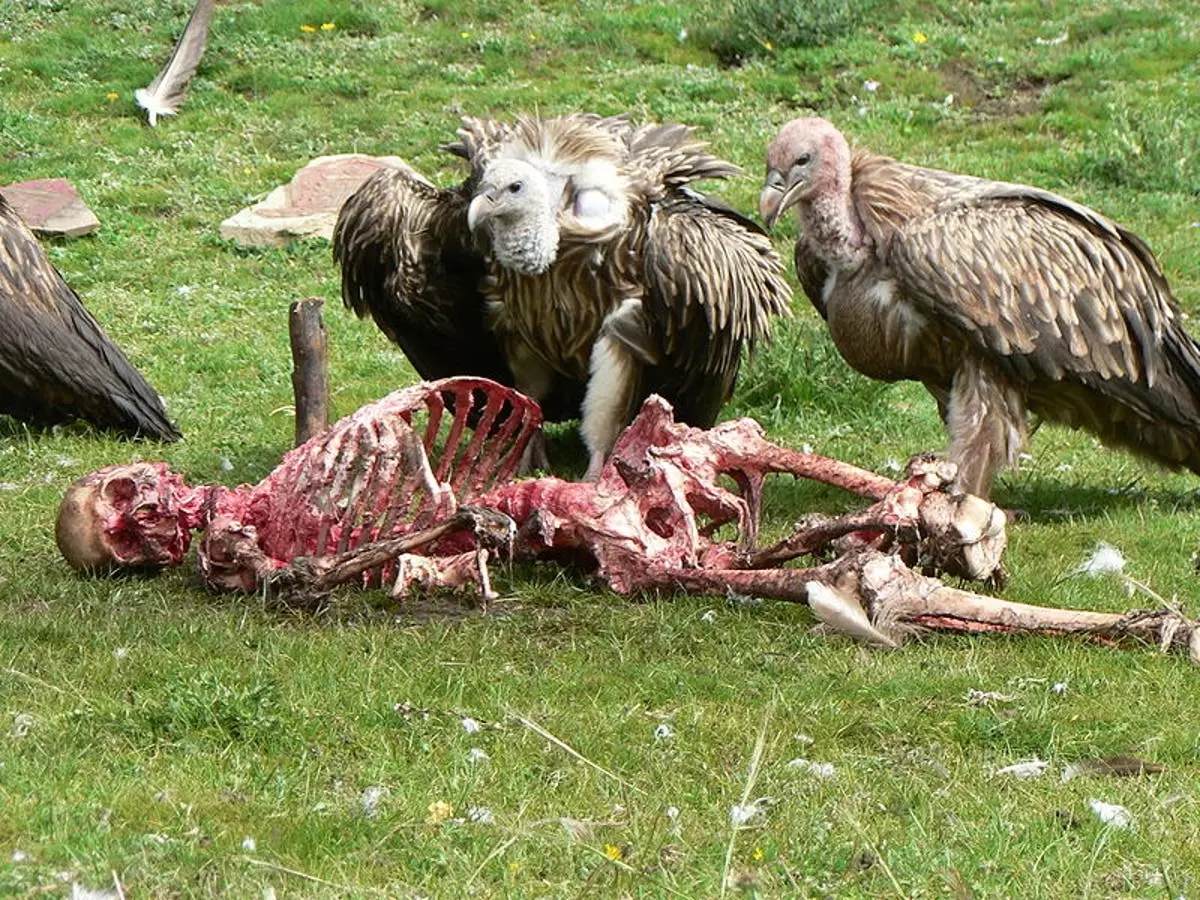
Sky Burials

2. Dia de los Muertos in Mexico: Dia de los Muertos, or Day of the Dead, is a vibrant celebration that takes place annually in Mexico and other Latin American countries. During this time, families gather to honor and remember their deceased loved ones. Altars, or ofrendas, are adorned with colorful decorations, marigold flowers, photographs, and offerings of food and drink. It’s a joyous occasion filled with music, dancing, and storytelling, as families believe that the spirits of the dead return to visit their earthly homes.

Mexico 2

3. The Hanging Coffins of Sagada, Philippines: In the mountainous region of Sagada in the Philippines, some indigenous tribes practice the tradition of hanging coffins. Instead of burying their dead underground, they place the deceased in coffins made of wood or hollowed-out logs and hang them from the cliffs. This ritual is believed to bring the deceased closer to the heavens and protect their spirits from being disturbed by animals or floods.
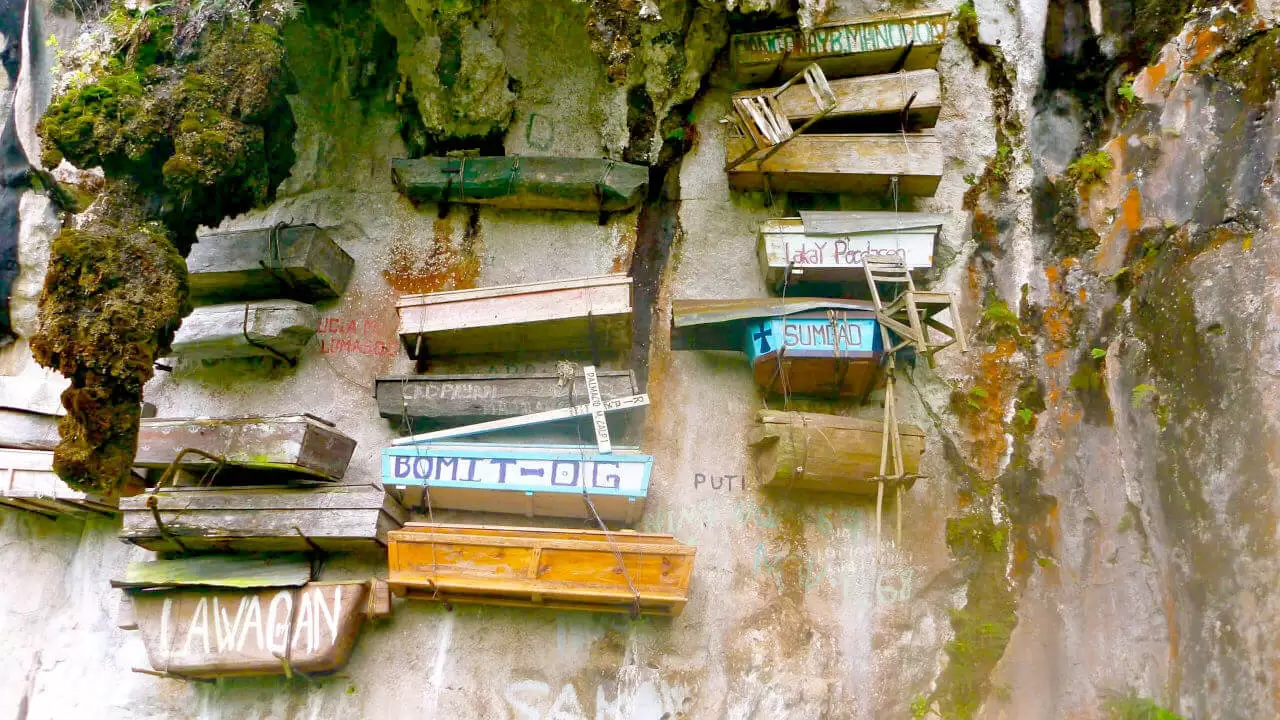
Hanging Coffins Sagada Luzon Philippines 02

4. Water Burials in Hinduism: In Hinduism, the Ganges River holds immense spiritual significance, and many Hindus believe that having their ashes scattered in the river after cremation will release their soul from the cycle of rebirth. Families often travel long distances to perform this ritual, known as asthi visarjan, ensuring that their loved one’s soul finds eternal peace in the sacred waters of the Ganges.
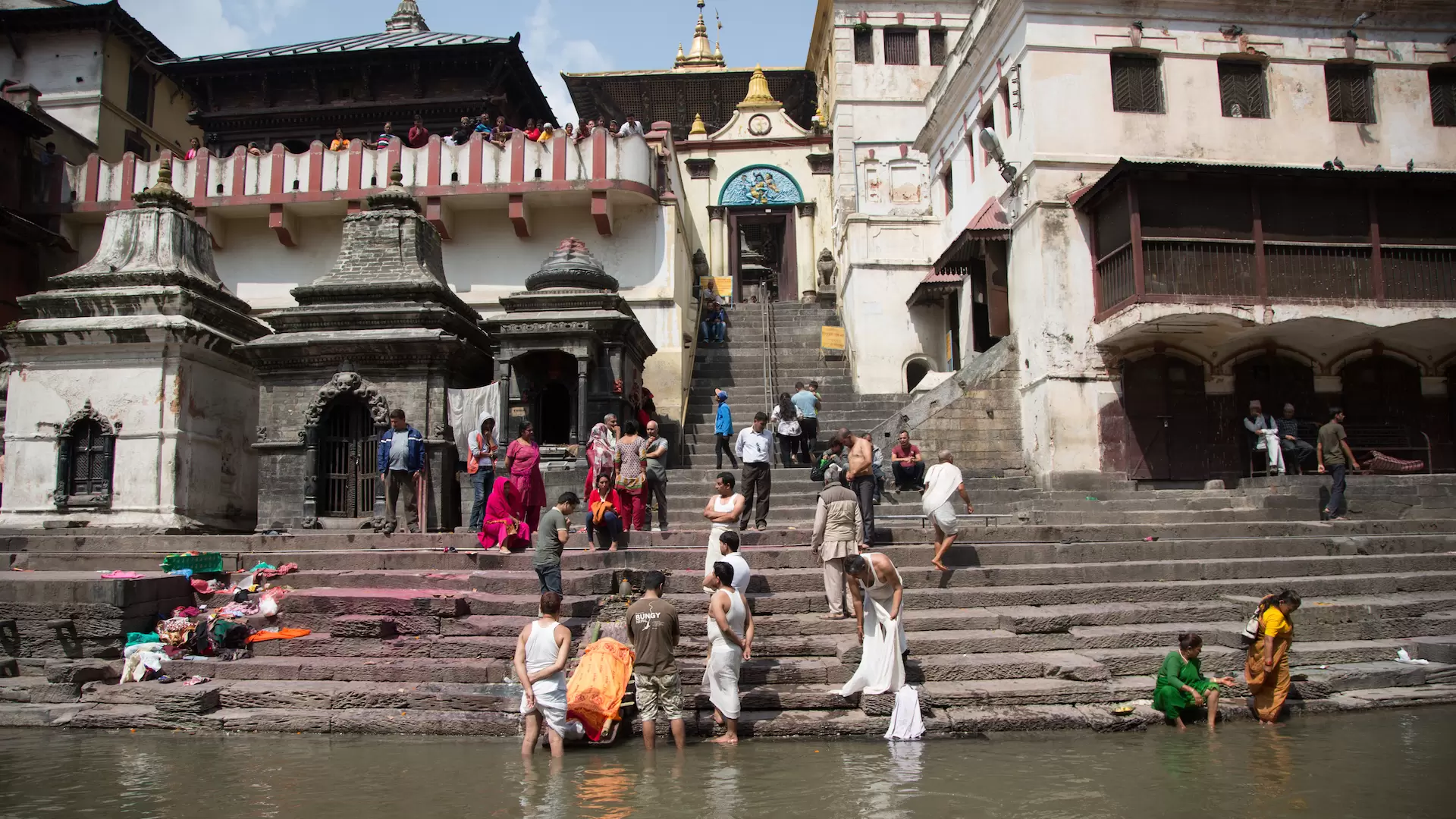
Water Burials

5. Turning of the Bones in Madagascar: In Madagascar, the Malagasy people practice a unique ritual called famadihana, or the turning of the bones. Every five to seven years, families gather to exhume the remains of their ancestors, wrap them in fresh burial shrouds, and dance with the bodies to live music. This ritual is a celebration of life and a way to reconnect with ancestors, reinforcing the belief that death is not the end but a continuation of existence in the spirit world.
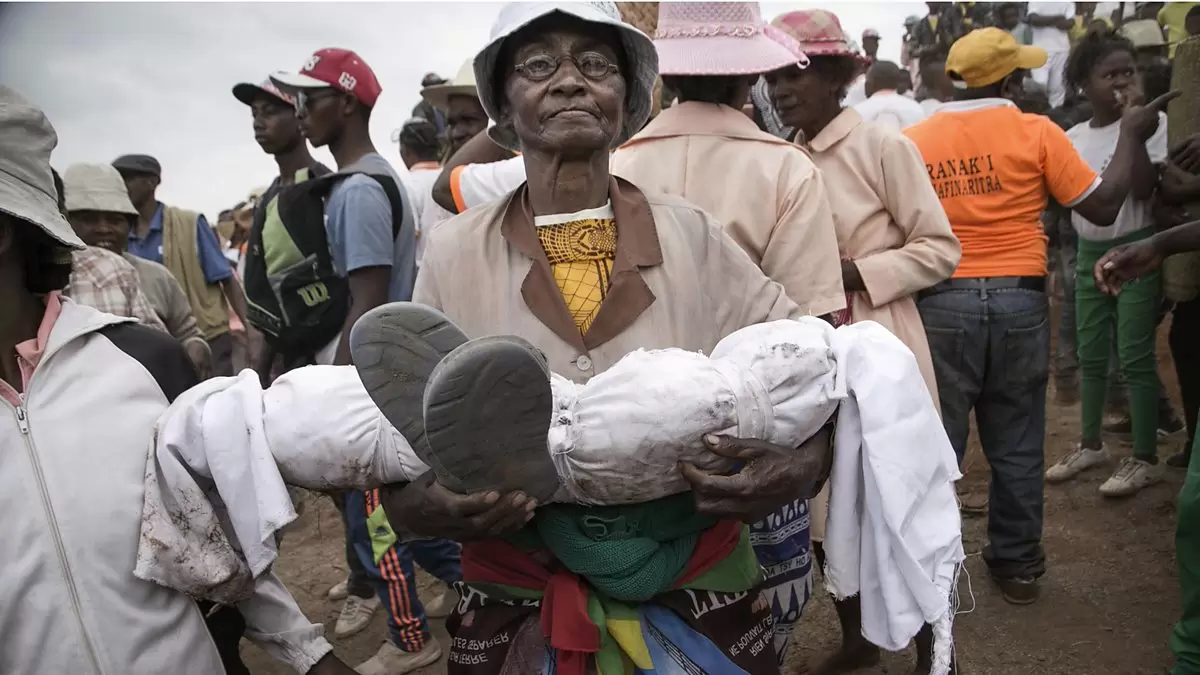
Turning Bones

These fascinating after-death rituals serve as poignant reminders of the diversity of human cultures and the ways in which we honor and remember those who have passed on. They reflect our universal desire to find meaning in life and death and to honor the memories of our loved ones in ways that are both unique and deeply meaningful.

Tagged : / / /

Nishiyama Onsen Keiunkan – The Oldest Hotel in the World – Run By The Same Family Since 1300 Years!

Nishiyama Onsen Keiunkan – The Oldest Hotel in the World – Run By The Same Family Since 1300 Years!
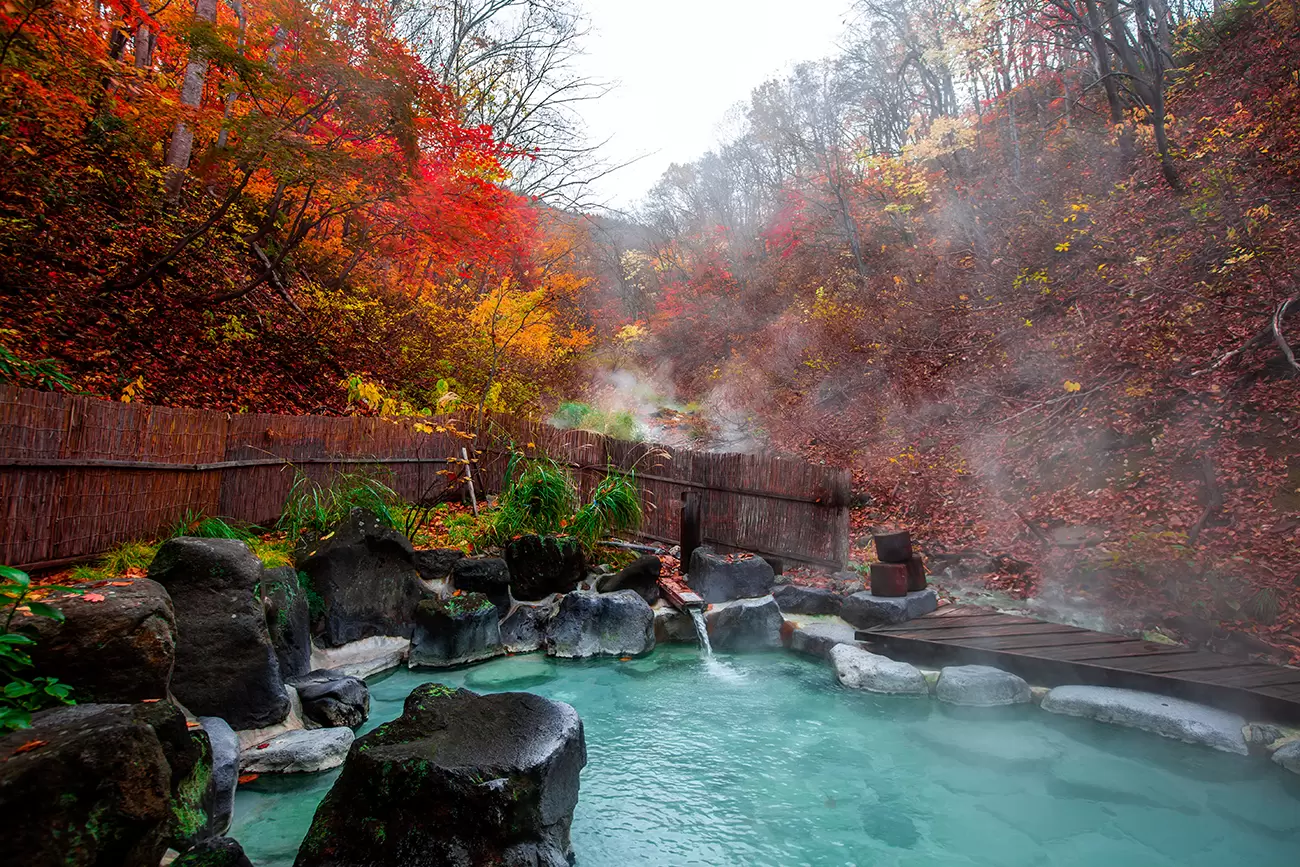
Nestled amidst the serene mountains of Yamanashi, Japan, lies a testament to time – the Nishiyama Onsen Keiunkan. Boasting a legacy that stretches back to 705 AD, this hot spring hotel (called Onsen in Japanese) holds the coveted title of the oldest continuously operating hotel in the world, recognized by Guinness World Records in 2011. But its charm goes far beyond its age. Let’s delve into the heart of this historic haven.

A Journey Through Time

Founded by Fujiwara Mahito, the Keiunkan has witnessed over 13 centuries of history unfold. Imagine samurai seeking solace in its steaming waters, pilgrims finding respite on their journeys, and generations of families cherishing moments here. Each era has left its imprint, visible in the traditional architecture, the flowing calligraphy adorning walls, and the timeless wisdom passed down through generations.

More Than Just a Hotel

Stepping into the Keiunkan is like stepping into another world. Imagine 37 rooms designed in the classic Japanese style, adorned with tatami mats and artwork echoing the region’s heritage. Savor the delectable Kaiseki cuisine, a multi-course culinary masterpiece showcasing seasonal flavors. Immerse yourself in the natural wonder of the onsen, fed by a natural spring that has flowed ceaselessly for over 1300 years. The hotel is more than just accommodation; it’s an experience that transcends time and transports you to the heart of Japanese culture.

Japanese Hot Springs

A Legacy of Family Hospitality

One of the most remarkable aspects of the Keiunkan is its long-standing family ownership. For 52 generations, the same family had meticulously managed the hotel, passing down traditions and ensuring the highest standards of hospitality. This continued till 2017 but after that no family member showed interest in continuing with this family business. So, Kenjiro Kawano, the general manager of Keiunkan, was chosen to be the new president. Kawano was not able to inherit Yushima, the holding firm, because he was not related to the owner. Yushima was dissolved and Keiunkan’s ownership was transferred to Nishiyama Onsen Keiunkan Limited, a new holding company. The continuity of a single family for so long is perhaps the key to its success. Each generation has added their own touch while preserving the essence of the experience, creating a unique blend of tradition and modern comfort.

A Glimpse into the Future

Despite its long history, the Keiunkan continues to evolve. Modern amenities like Wi-Fi access and upgraded facilities blend seamlessly with the traditional charm. The family actively seeks sustainable practices, ensuring the hot spring’s natural wonder is preserved for future generations.

A Timeless Invitation

The Nishiyama Onsen Keiunkan is more than just a hotel; it’s a living testament to history, culture, and family legacy. It’s an invitation to step back in time, to experience the essence of Japanese hospitality, and to create memories that will last a lifetime. So, if you seek a unique travel experience that transcends the ordinary, consider a journey to the oldest hotel in the world. Perhaps, amidst its serenity, you’ll discover a timeless connection to yourself and the world around you.

Tagged : / / / / /

5 Creatures That Die After Giving Birth to Their Offspring

5 Creatures That Die After Giving Birth to Their Offspring
In the animal kingdom, reproduction takes many forms, and some are more dramatic than others. While most creatures raise their young to some degree, there are a few fascinating exceptions where the parents die shortly after giving birth. This ultimate sacrifice ensures the survival of their offspring, showcasing the incredible diversity and complexity of life’s strategies.

1. Pacific Octopus:

Octo Scaled

The majestic Pacific octopus is perhaps the most well-known example of a semelparous creature, meaning they reproduce only once in their lifetime. After a meticulous months-long egg-laying process, the female octopus devotes all her remaining energy to caring for her thousands of eggs, constantly cleaning and aerating them until they hatch. This takes such a toll that she dies shortly after, never witnessing her offspring reach adulthood.

2. Atlantic Salmon:

Atlantic Salmon Getty Small

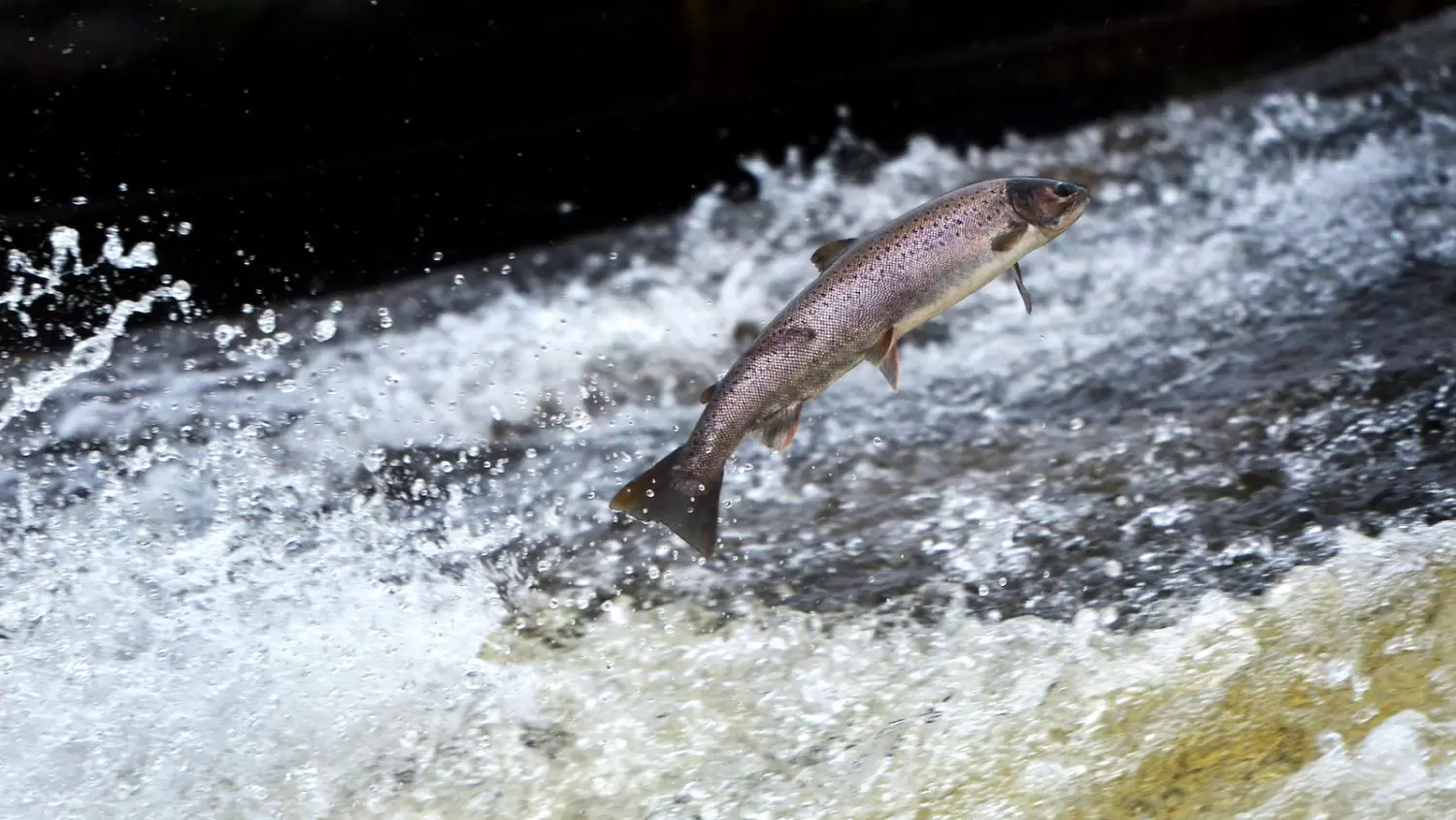
The journey of the Atlantic salmon is an epic one. Born in freshwater, they migrate to the ocean to mature, then undertake a perilous journey back upstream to spawn. After releasing their eggs and milt, these magnificent fish undergo significant physiological changes. Their bodies weaken, they stop eating, and eventually succumb to exhaustion and the harsh environment, ensuring their fertilized eggs have the best chance of survival.

3. Mayfly:

Mayfly

Mayflies are the epitome of short-lived creatures, existing as adults for only a few hours to a day. Their sole purpose in this fleeting adult stage is reproduction. After emerging from their aquatic nymph stage, they mate, lay eggs, and then die, leaving the next generation to continue the cycle. Their brief adult lives highlight the beauty and impermanence of life in all its forms.

4. Social Spiders:

Spider

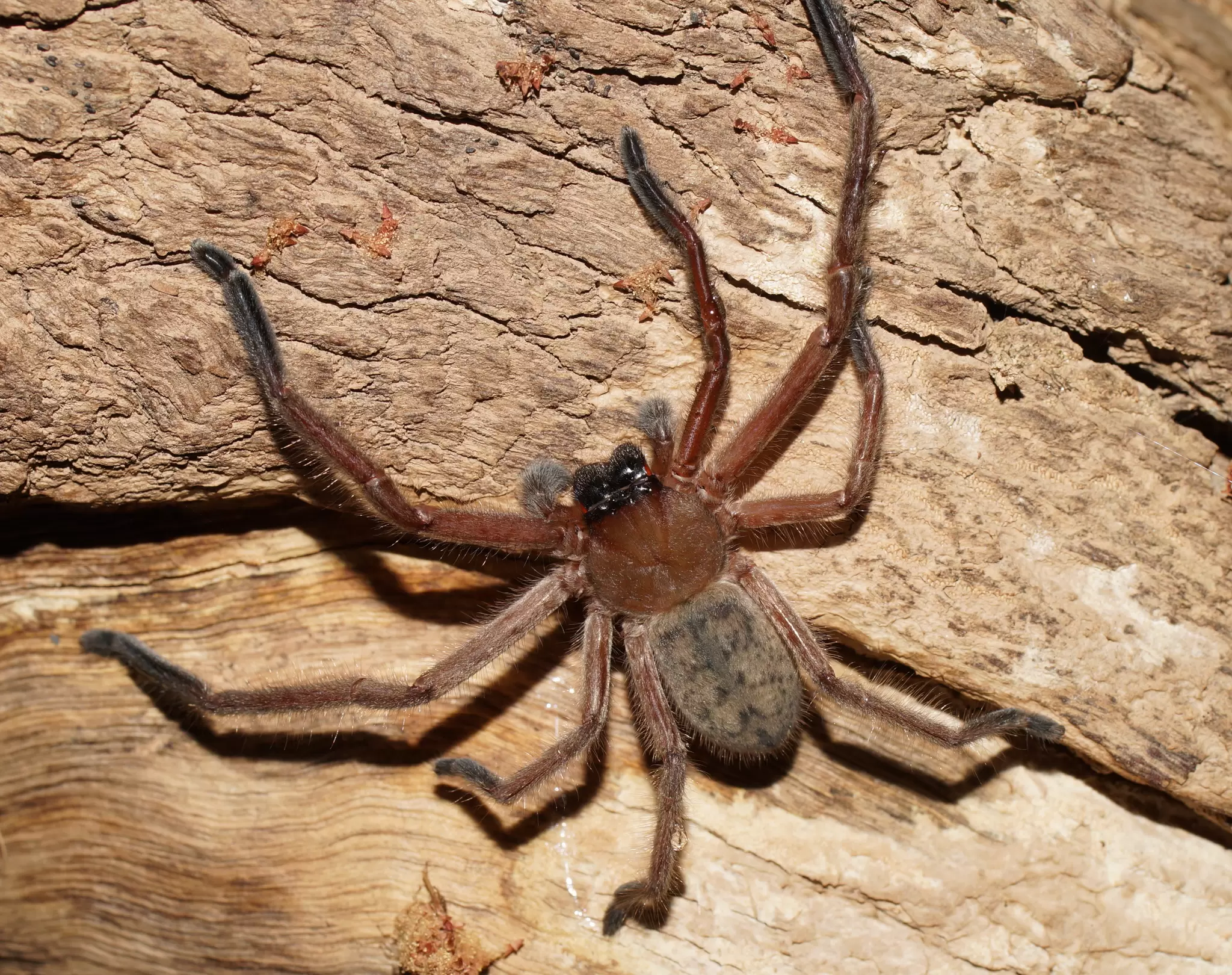
While not all spider species exhibit this behavior, some social spiders, like the aptly named “social huntsman spider,” live in large colonies with complex social structures. The breeding responsibility falls solely on the queen, who lays hundreds of eggs at a time. After this immense reproductive effort, her body deteriorates, and she dies within a few weeks, leaving her daughters to care for the next generation.

5. Antechinus:

Ante

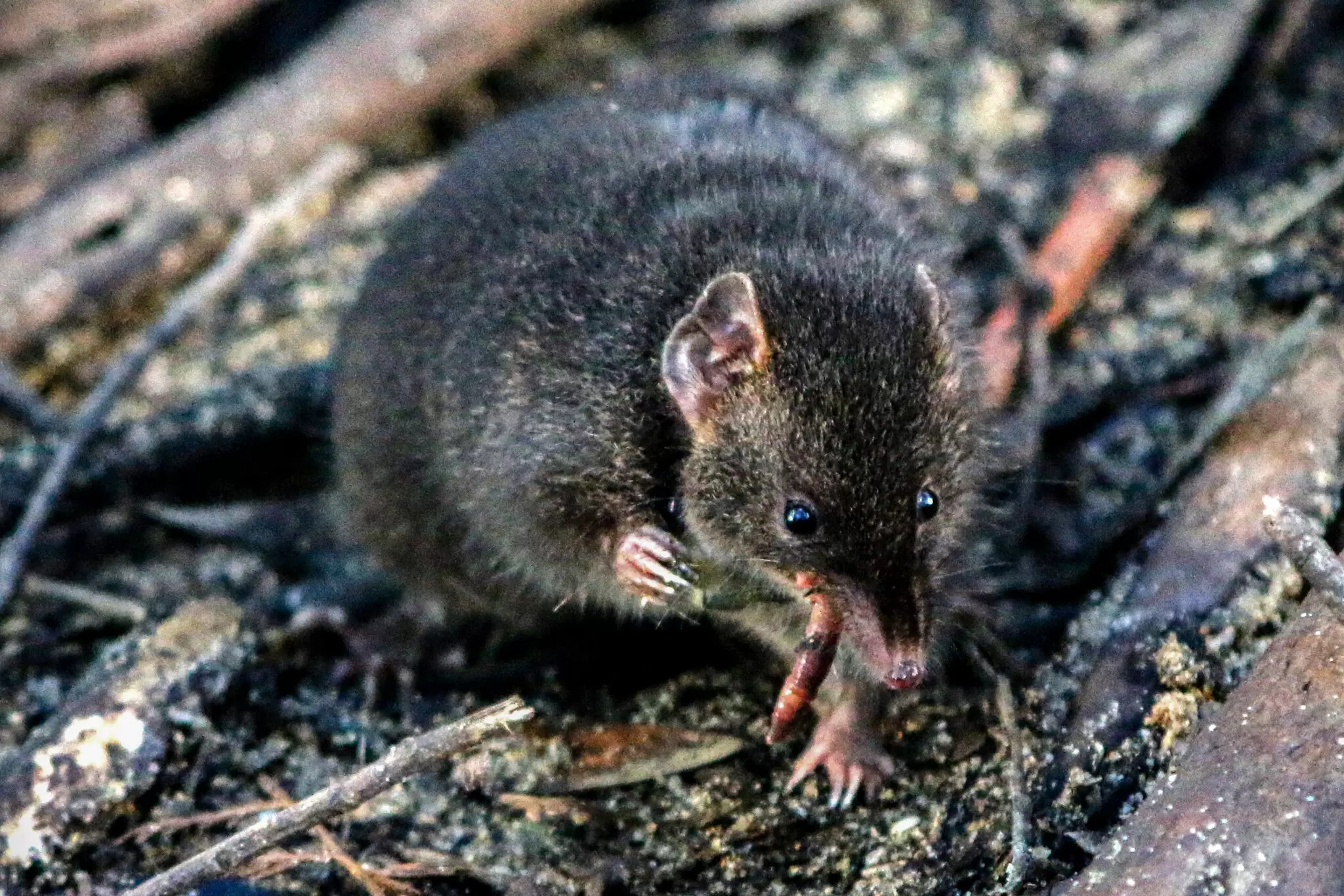
These small, marsupial mammals native to Australia undergo a dramatic physical transformation during their breeding season. The males engage in intense competition for mates, producing large amounts of stress hormones that ultimately lead to organ failure and death within a few weeks. The females, on the other hand, experience delayed embryonic development, allowing them to raise their young even after the males have perished.

These are just a few examples of the diverse reproductive strategies found in the animal kingdom. While the concept of death after giving birth may seem counterintuitive, it highlights the remarkable adaptations creatures have made to ensure the survival of their offspring, even at the ultimate cost. It serves as a reminder of the intricate balance of life and the fascinating ways nature thrives and perpetuates itself.

Tagged : / / /
Verified by ExactMetrics