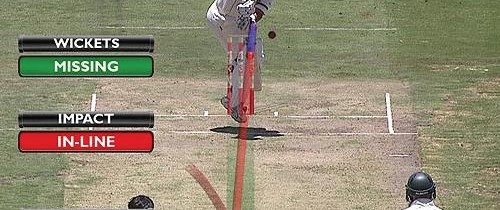
Hot Spot:
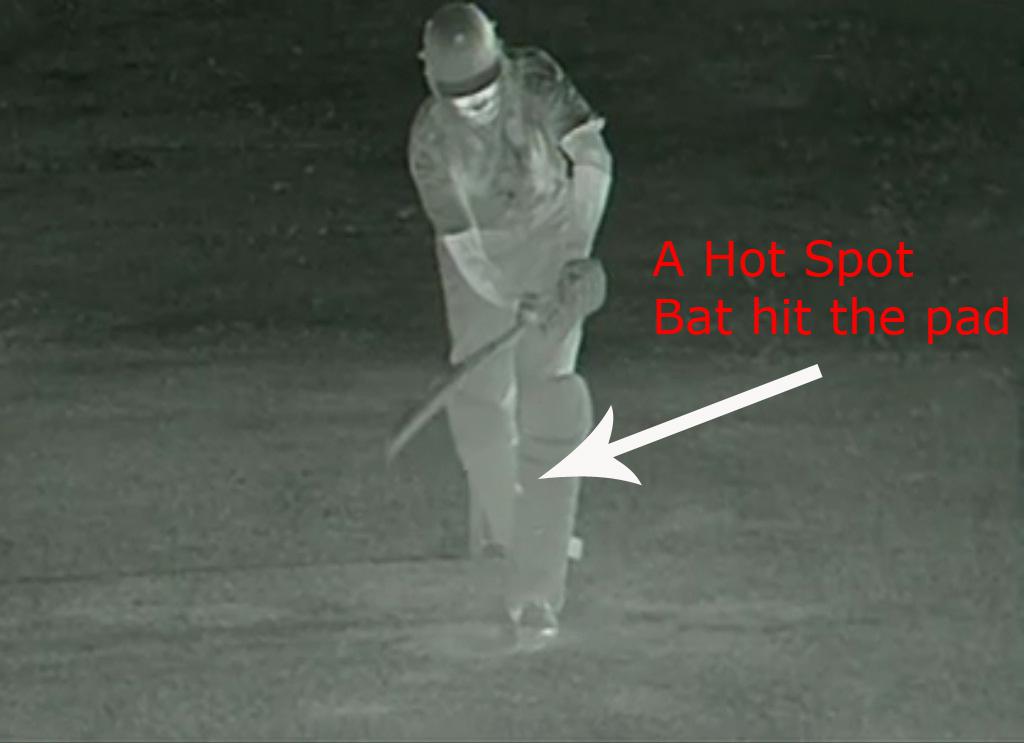
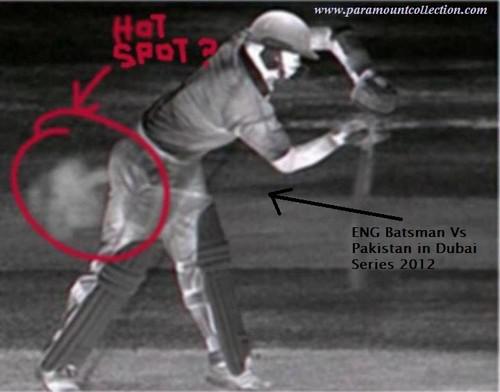
This technology is used to see that whether the ball hit the bat, pad or batsman. If the bat touches the ball, a small amount of heat is generated which is indicated by a change to that area of bat. It uses two infra-red cameras, positioned at any end of the ground. These cameras sense and measure heat from the friction generated by a strike of ball on pad, bat, ground or glove. Its implementation is very expensive and its equipment are very sensitive. Hotspots have been used experimentally in various game but still to get full approval for usage.
Stump camera:
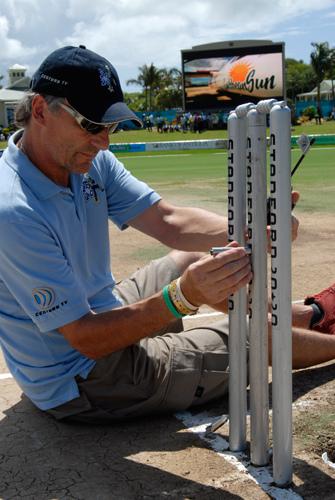
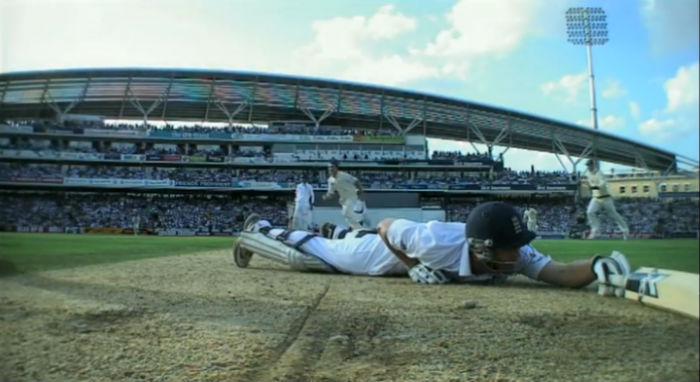
Stump camera is probably the oldest technology which is used for a long time in cricket matches for broadcasting. It is a tiny camera placed inside the middle stump of both the end of the pitch to give a unique angle to television viewers. Sometimes, the stump camera produces stunning views and facilitate to judge stump out/ run out scenarios
Super slow motion:
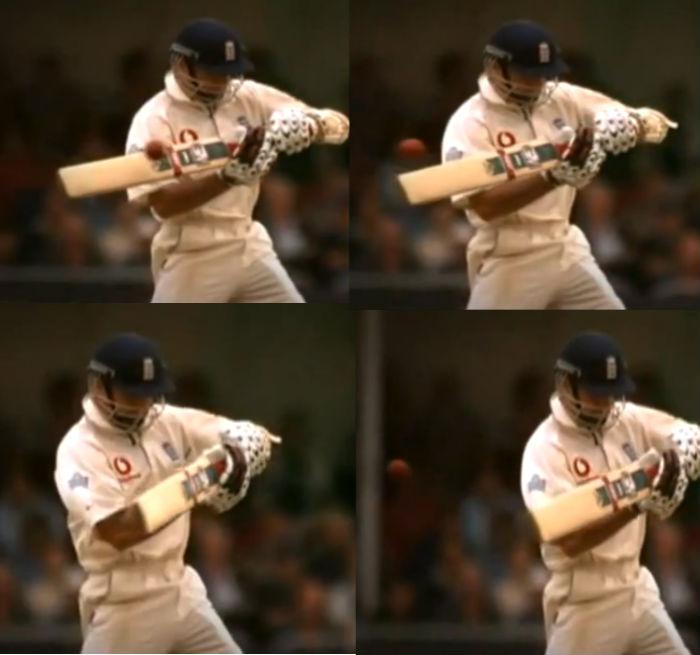
This technology uses a high speed camera to film live motions of the match and shows that in super slow motion. It is not only to entertain the TV viewers but also to just run out scenarios which are too fast to judge. Pictures are played back frame by frame to judge various probable scenarios and to arrive at a correct decision. It is popularly called Super SLO MO.
Speed gun:
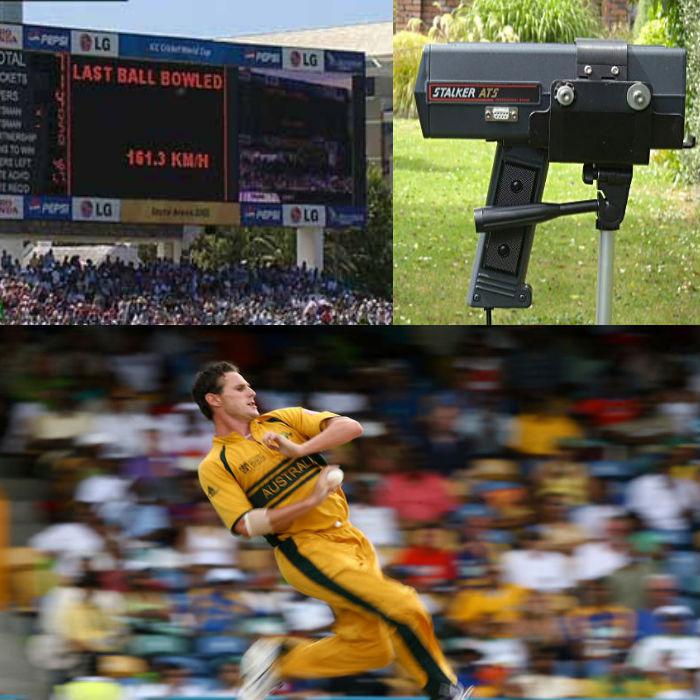
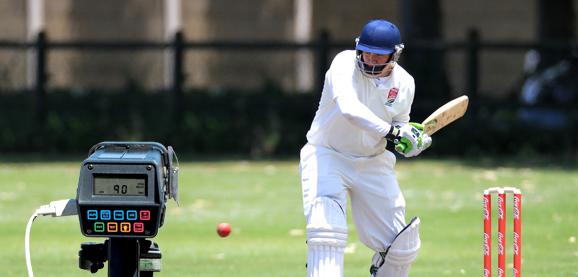
Speed gun is a small Doppler radar unit and it is used to detect speed of any moving object specially, the bowling speed of a ball when it is thrown to the batsman. It has got a great deal of entertainment value. The statistics is not only used for record keeping but also help in post match analysis about how a bowler varies speed of the ball to deceive the batsman.
Heart beat Monitor:
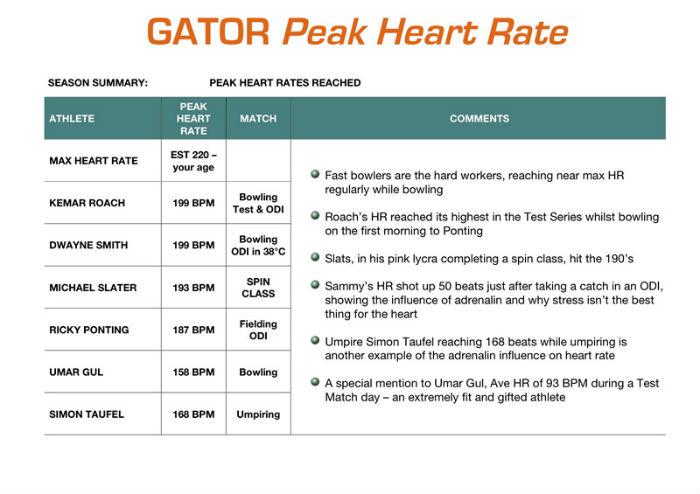
It is also known as Gator monitor. It is used to track the rate of heartbeat of the cricketer when he is playing on field. It determines how a player is geared up for a scenario and how much involved he is! It has a great entertainment value.
Real time commentary by on field players:
In a cricket match, players and umpires are given the microphones while the match is on. They interact with the commentators, live from the field. This has tremendous entertainment value. As the technology advances there may be various applicability of the same.

Dart fish:
It is similar to hawkeye and it shows the path of the ball to the television viewers, when it is released from the hand of the bowler.
Decision Review System (DRS):
This is a new technology/ system in which a team can challenge umpire’s decision (Taken manually) a certain number of times. This umpire referral system has been implemented in some international matches. It was first practiced in 2008 in a test match between India and Sri Lanka. The umpire referral is handled by the third umpire. In DRS, players are free to challenge the decisions of the umpire who is on the field and ask for the decision of the TV officials. The players can challenge three unsuccessful challenges per innings.
Spider Cam
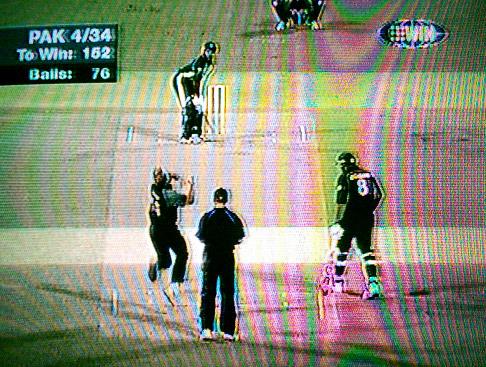
This is essentially an overhead camera which is hung in a networks of wires overhead . With this, this cam can virtually go and access any corner of the field. Many times, it generates stunning views of the field scenario.

There are several other technology in cricket like impact sensitive LED stamps, Ball path tracer etc. Which are being deployed intermittently to assist the spectators to better analyze and understand the nuances of the cricket match. We will be looking forward to many more new technology in cricket field in near future.
Source (Technology in Cricket):
l http://www.topendsports.com/sport/cricket/technology.htm
l http://www.ndtv.com/photos/gadgets/10-technologies-that-power-cricket-on-tv-9321
l http://booktwo.org/wp-content/uploads/2013/07/cricket-1.jpg
ll http://technologybrunch.com/wp-content/uploads/2013/04/hotspot.jpg
l http://www.flixya.com/files-photo/R/A/C/RACE_VICTOR-2475080.jpg
l https://c1.staticflickr.com/1/94/215529715_e5faae65e8.jpg
l http://www.ndtv.com/photos/gadgets/10-technologies-that-power-cricket-on-tv-9321
Author: Technology Blog

