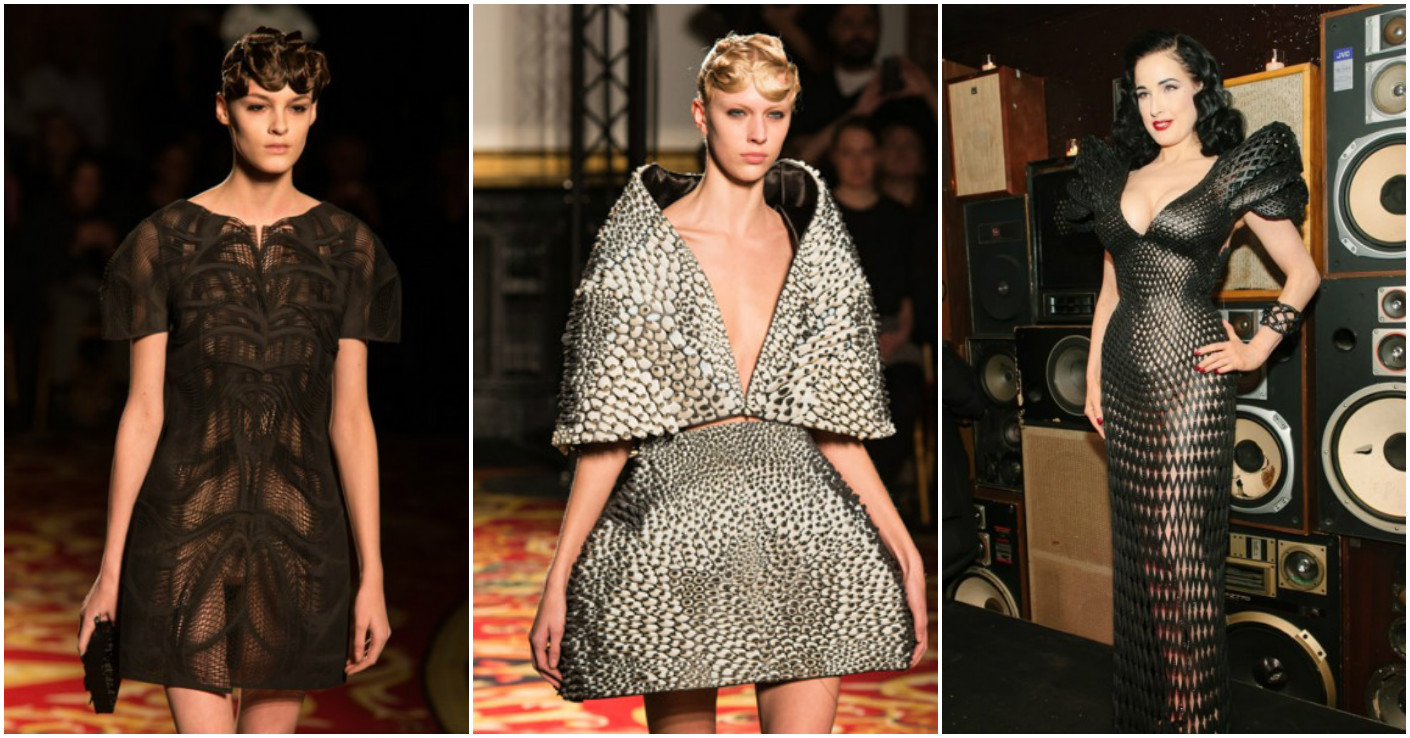
Entertainment/ creativity
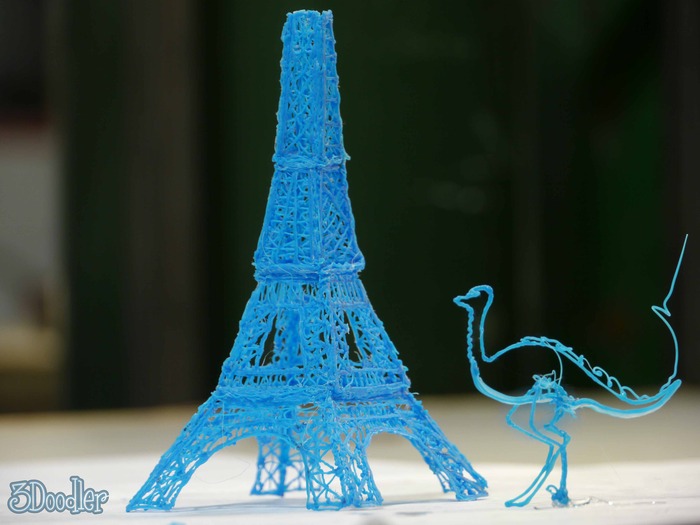
3D printing can be a source of non-stop fun and imagination is the only limit. 3Doodles pen and home 3D printers paved the way in this regard.
 Space mission
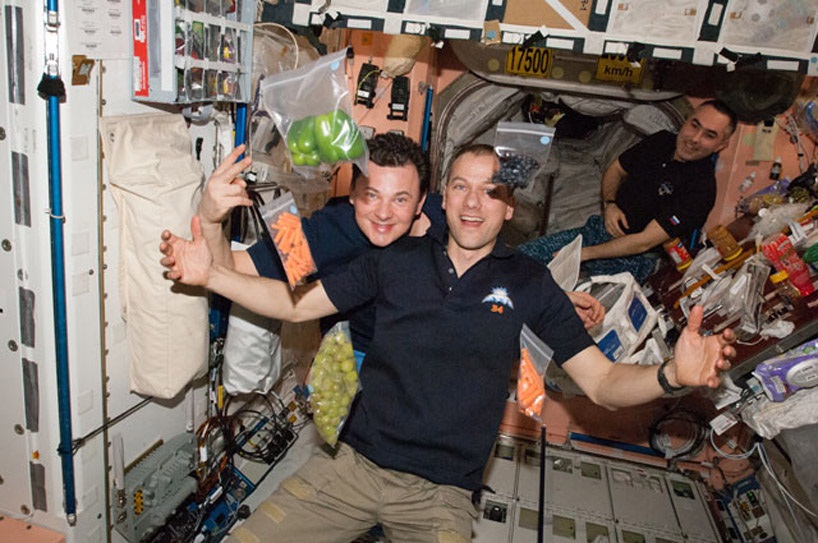
Food supply and storage is a problem in a long duration space mission. The picture below depicts the joy of the space crew on arrival of fresh supply of food in International Space Station.
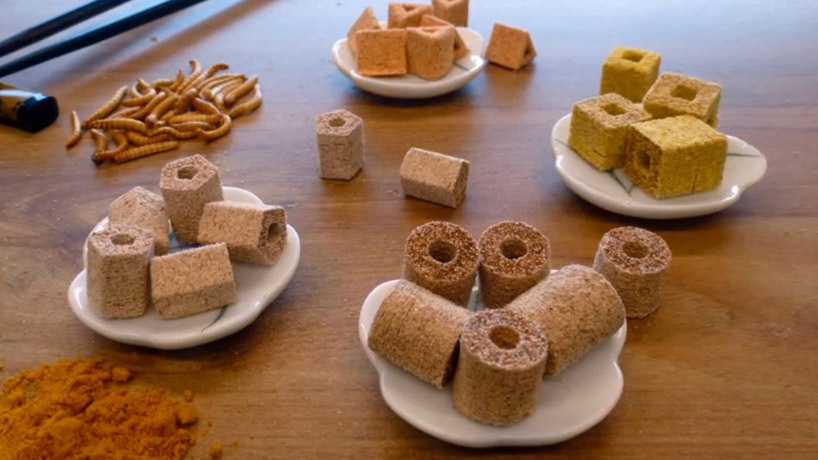
NASA is expanding the frontier of the space mission. Eye is firmly set on a Mars mission in which food supply is planned through 3D printing. Research is going on to develop food cartridges of various food layers and to have cartridge shelf life of at least 5 years. various types and tastes of foods can be prepared through combination of various cartridges.
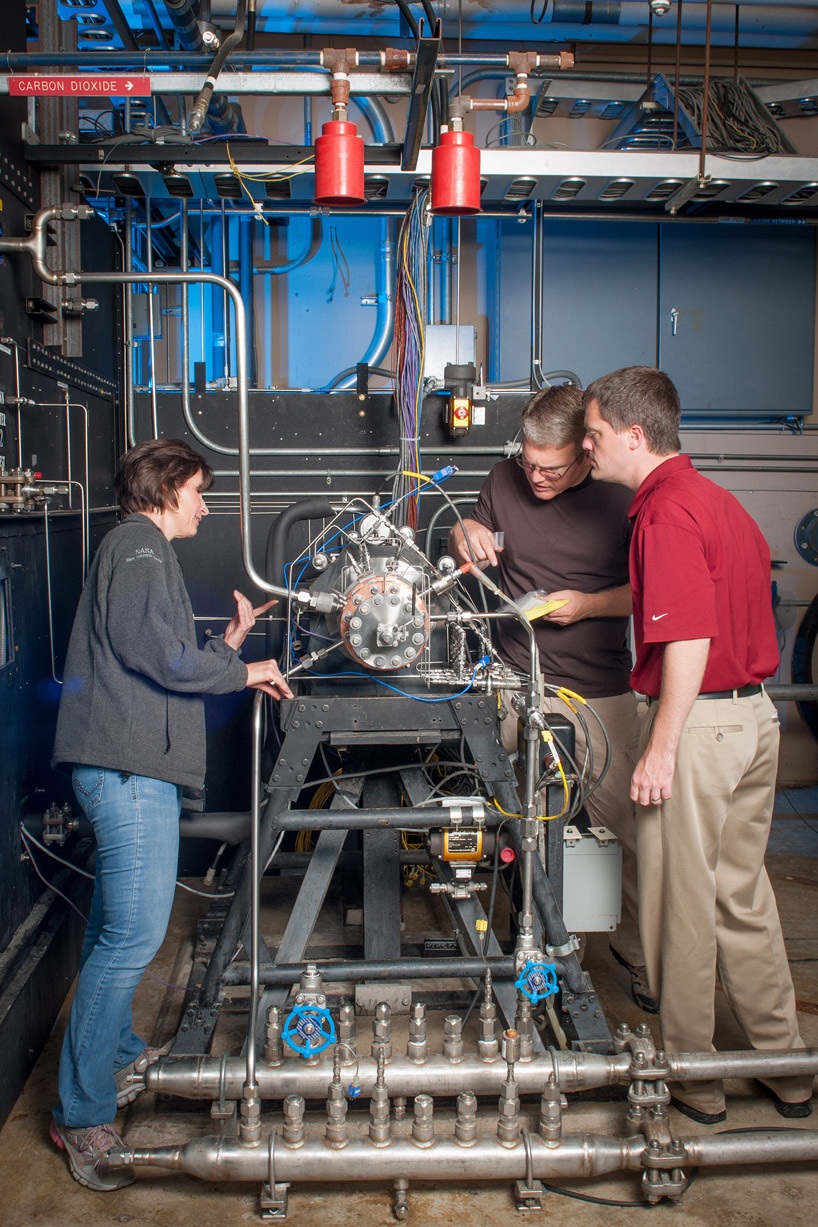
Rocket propulsion technology
NASA and aerojet rocketdyne have recently tested a 3D printed liquid oxygen and gaseous hydrogen rocket injector assembly by using laser high-power laser beams to melt and fuse fine metallic powders into three dimensional structures. The significance of this process is highlighted with the fact that the traditional processes would take more than a year to make this kind of assembly, but with these new process it can be produced in less than four months. This is a neat reduction of 70 percent time/ cost.
Food Technology
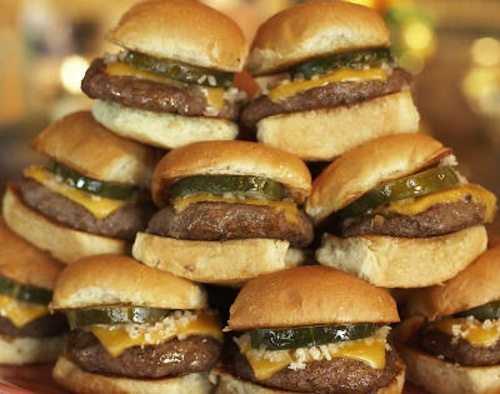
Bioprinting and producing food for mass consumption can be a viable solution for hungry mass but this technology has to go a long way to be commercially viable. It needs live cells to print the food. Stem cells are collected from animals . these stem cells can be converted to any form of cells and they can easily replicate themselves. So, it is possible to develop stem cell cartridges ( also called bioink) and use them to print food of your choice.
convincing the world to eat lab-grown meat will be a difficult proposition. At present the total process cost is very high. For example, printing a burger will cost approximately $300,000. Things will change soon for sure.
Warfare technology
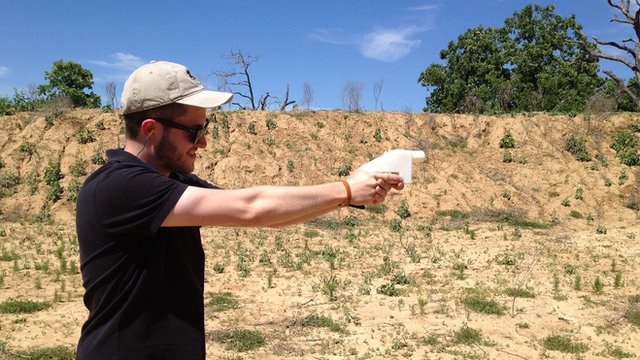
Demonstrations have been made that entire working gun can be printed by 3D technology. Though it poses a security concern but if we think about the positive side of it far outweighs the negative side. It is possible that soldiers or rescue teams can print their equipment according to the surroundings and needs. It makes the operation far more effective. We have to closely guard this technology from the extremist elements.
Distributed object array
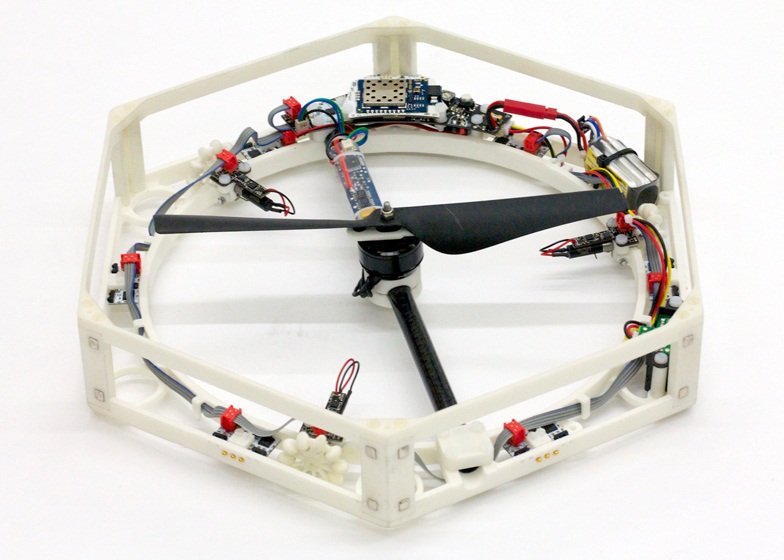
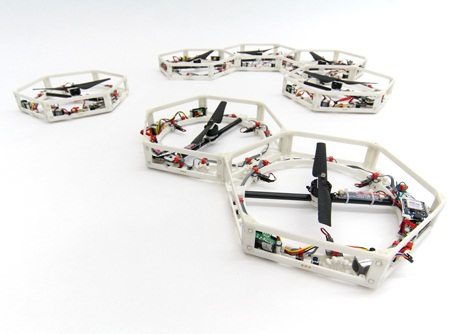
Research team in Zürich has created a flock of helicopter robots that can detect each others’ positions and join together to create a larger flying machine. Each robot is having 3D-printed plastic body with magnets fixed to the sides of the frame and a single propeller fitted in the middle. Is it sounding more like Transformer kind of concept? It is !!. It will have the advantage of an autonomous small vehicle and in full blown form it will be huge structure capable of carrying out heavy duty operation. Depending on circumstances the ultimate structure can be as big or as small as needed.
Bioprinting
According to Technology Blog, this can probably be the most important future usage. In bioprinting, instead of inks, plastics and other artificial materials, replicated stem cells will be used to create organs that the body can recognize and accept.
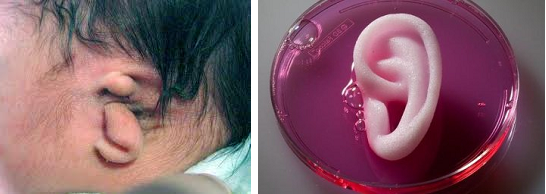
Scientists at the Wake Forest Institute for Regenerative Medicine have developed tissue aimed at replicating the outer ear using bioprinting
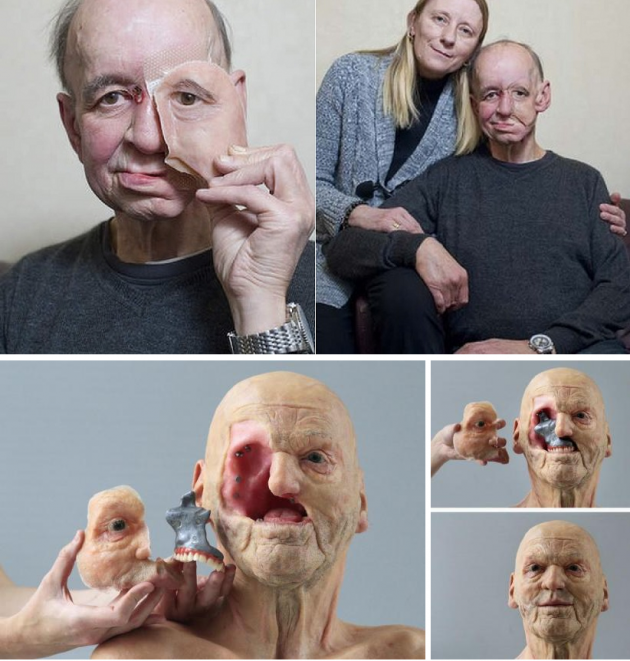
Eric Moger survived the removal of a large tumor under his face but lived for a period with an unsightly hole. Doctors used 3D printing to produce a fleshy prosthetic. Pictured also is a life-size model of a similar complex anaplastology case created by anaplastologist Jan De Cubber at the Belgian company Materialise, the biggest 3D printer in Europe.
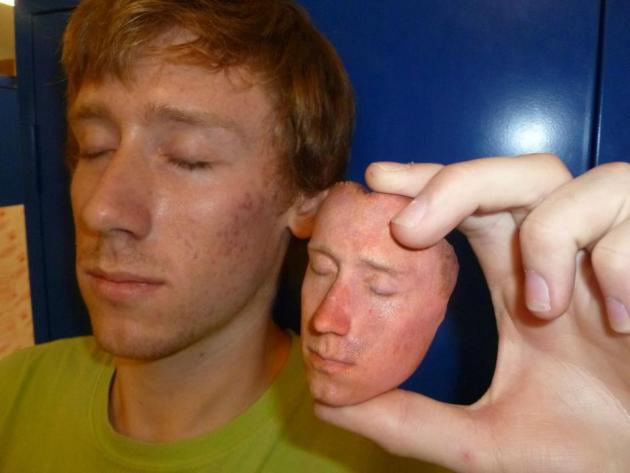
Are you thinking of creating clone with this? Well it may be a possibility in near future.
Author: Technology Vista

