Adani Takes Flight: India’s First Indigenous Drone Takes Off

Adani Takes Flight: India’s First Indigenous Drone Takes Off
Marking a significant milestone in India’s defense and technological advancements, the Adani Group recently unveiled the country’s first indigenously manufactured medium-altitude, long-endurance (MALE) drone, the Drishti 10 Starliner. This sophisticated piece of technology signifies a giant leap forward in India’s self-reliance in the domain of unmanned aerial vehicles (UAVs).

The Drishti 10 is equipped with an array of impressive capabilities:

Endurance: With a staggering 36-hour flight time, this drone can stay airborne for extended periods, enabling long-range surveillance and reconnaissance missions.
Payload Capacity: Capable of carrying up to 450 kg of payload, the Starliner can be equipped with a variety of sensors and weapons, making it adaptable to diverse military requirements.
All-Weather Operations: Certified for all-weather flying, the drone can operate effectively in challenging weather conditions, ensuring uninterrupted mission execution.

Strategic Significance

The development and deployment of the Drishti 10 hold immense strategic significance for India. It strengthens the country’s maritime security posture, particularly along its vast coastline, by providing enhanced surveillance and intelligence gathering capabilities. Additionally, the drone’s potential applications extend beyond maritime operations, encompassing border security, disaster management, and communication relay.

Indigenous Development & Aatmanirbhar Bharat

The Drishti 10 stands as a testament to India’s growing prowess in indigenous defense technology development. This achievement aligns perfectly with the government’s “Aatmanirbhar Bharat” initiative, promoting self-reliance in critical sectors like defense. The successful development of this drone signifies India’s growing ability to design, manufacture, and deploy cutting-edge military technology, reducing dependence on foreign imports.

The Future of UAVs in India

The unveiling of the Drishti 10 marks a pivotal moment in India’s drone journey. It paves the way for further advancements in indigenous UAV technology and opens doors for a wider range of applications in various sectors. With continued focus on research and development, India is poised to become a leading player in the global UAV market, ensuring its strategic autonomy and technological leadership in the years to come.


Tagged : / / /

The Allure of Beauty: Why Do We Trust Pretty Faces More?

The Allure of Beauty: Why Do We Trust Pretty Faces More?
Have you ever noticed that you’re more likely to smile back at a person with a symmetrical face than someone with less conventional features? Or perhaps you find yourself instinctively trusting someone with a radiant smile more readily than someone with a neutral expression? It might seem unfair, but our brains are wired to make quick judgments based on visual cues, and facial attractiveness is often a major factor in those judgments.

The Halo Effect: Beauty Bias in Action

This phenomenon, known as the halo effect, describes our tendency to attribute positive characteristics to people we perceive as attractive. We might assume they’re more intelligent, competent, trustworthy, and even kind simply because they fit our societal standards of beauty. This bias, while pervasive, is deeply rooted in our evolutionary history.

Evolutionary Roots of Beauty Bias

In our ancestral past, symmetrical features and clear skin were often indicators of good health and fertility, making them desirable traits for potential mates. Over time, these associations became ingrained in our subconscious, leading us to unconsciously connect beauty with positive qualities.

Beyond Aesthetics: The Complexities of Trust

However, it’s important to remember that beauty is subjective and cultural. What one person finds attractive, another might not. Moreover, relying solely on appearance to judge someone’s character is not only inaccurate but also unfair. Trust should be built on genuine interactions, shared experiences, and consistent actions, not just a fleeting glance.


Moving Beyond the Bias

So, how can we overcome this ingrained bias and make more objective judgments about people? Here are a few tips:

i. Be aware of your own biases: Recognizing that we all have these biases is the first step to overcoming them.
ii. Focus on getting to know people: Instead of making snap judgments based on looks, take the time to have conversations, listen to their stories, and observe their actions.
iii. Challenge stereotypes: Don’t fall into the trap of assuming someone with a certain appearance is automatically more or less trustworthy.
iv. Celebrate diversity: Beauty comes in all shapes, sizes, and colors. Appreciate the unique features and personalities that make each person special.

Remember, true beauty lies not in the superficial, but in the depths of character, kindness, and genuine connection. Let’s strive to see beyond the surface and build relationships based on mutual respect and understanding.

Tagged : / / / /

5 Quirky Signs That Say You Have A Neanderthal Ancestry

5 Quirky Signs That Say You Have A Neanderthal Ancestry
While most modern humans have around 2% Neanderthal DNA, some individuals might carry a bit more, potentially influencing their physical traits and even certain behaviors.

Intrigued? Here are 5 quirky signs that might hint at your Neanderthal ancestry:

1. You’re a Redhead: ‍

Red hair, a recessive trait, is surprisingly common among people with higher levels of Neanderthal DNA. This fiery hue is linked to a mutation in the MC1R gene, which also happens to be present in some Neanderthals. So, if you’re rocking red locks, there’s a chance you inherited them from our prehistoric cousins!

2. You’re Built for Strength and Stamina:

Neanderthals were known for their robust physiques and impressive endurance. If you have a naturally muscular build, good spatial reasoning skills, and a knack for long-distance running, it could be a nod to your Neanderthal heritage. These traits were likely adaptations to their harsh environment and nomadic lifestyle.

3. You Have a Keen Eye for Faces:

Neanderthals might have had an edge when it came to recognizing faces. Studies suggest that people with higher Neanderthal DNA scores tend to perform better in facial recognition tasks. This could be due to variations in genes related to visual processing, inherited from our ancient relatives.

4. You’re a Night Owl:

Neanderthals may have been more active at night than during the day. If you’re someone who thrives in the evening hours and struggles to wake up early, it could be a sign of your Neanderthal ancestry. This nocturnal tendency might be linked to differences in genes that regulate sleep-wake cycles.

5. You Have a Habit of Smoking:

This one might seem surprising, but hear me out! Recent research suggests a possible link between Neanderthal DNA and nicotine dependence. A specific gene variant associated with smoking addiction appears to be more common in individuals with higher Neanderthal DNA levels. However, it’s important to remember that smoking is a complex behavior influenced by various factors, and this is just one emerging piece of the puzzle.

Remember, these are just potential indicators, not definitive proof.

If you’re truly curious about your Neanderthal heritage, a DNA ancestry test can provide a more accurate picture. But even without a test, these quirky signs can be a fun way to ponder the fascinating connections between our modern selves and our ancient ancestors.

Tagged : / / /

10 Reasons to Start Your Day with a Glass of Fennel Water

10 Reasons to Start Your Day with a Glass of Fennel Water
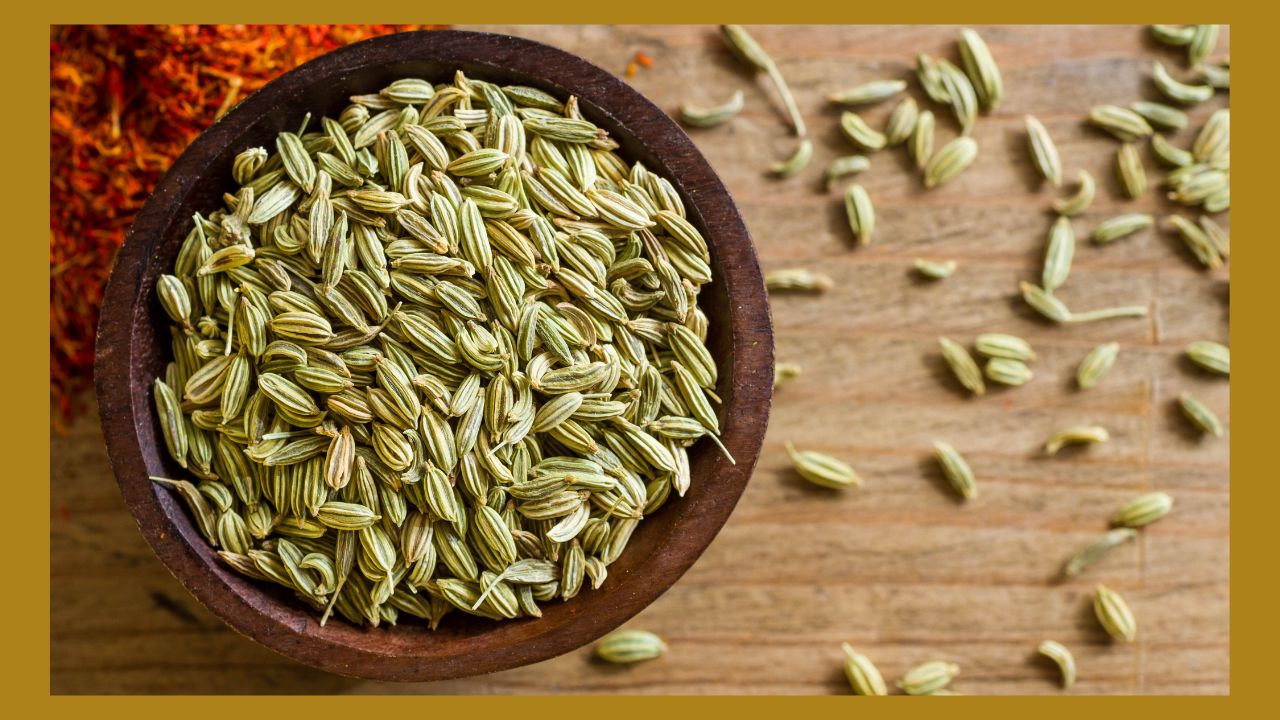
Fennel, with its licorice-like aroma and flavor, isn’t just a delicious addition to your meals. It boasts a range of health benefits that can be yours with a simple ritual: drinking fennel water every morning. So ditch the caffeine jolt and start your day on a healthy note with this refreshing beverage.

1. Digestive Dream Team: Fennel seeds relax your digestive muscles, encouraging the flow of digestive juices. This translates to relief from indigestion, bloating, and constipation.

2. Quelling Inflammation: Fennel’s anti-inflammatory properties work wonders throughout your body, reducing pain and swelling.

3. Immune System Ally: Packed with vitamin C and antioxidants, fennel water gives your immune system a much-needed boost.

4. Weight Management Warrior: Feeling fuller for longer is easier with fennel water. This translates to reduced calorie intake and support for your weight management goals.

5. Detox Delight: Need a gentle detox? Fennel water acts as a natural diuretic, aiding the body in eliminating toxins through urine.

6. Glowing Skin Secret: Hydrated, radiant skin? Yes, please! Fennel water helps achieve both.

7. Blood Sugar Balance: Fennel may play a role in maintaining healthy blood sugar levels, a boon for those with diabetes or prediabetes.

8. Balancing Act: Say hello to balanced pH levels! Fennel water’s alkaline nature contributes to overall health.

9. Kiss Bad Breath Goodbye: Fennel seeds’ inherent antiseptic and deodorizing properties leave you feeling confident and minty fresh.

10. Energy Explosion: Improved circulation and digestion, courtesy of fennel water, translate to a surge in energy levels.

Making Fennel Water Magic:

It’s as simple as 1-2-3! Steep 1 tablespoon of fennel seeds in 1 cup of hot water for 10-15 minutes. Fancy a twist? Add cucumber or lemon slices for extra flavor. Strain and enjoy warm or cold.

So, start your day with a refreshing glass of fennel water and unlock a treasure trove of health benefits. You might just be surprised at how much better you feel!

Tagged : / / / / /

9 Tips to Give Your Brain More Restful Moments (Besides Sleep)

9 Tips to Give Your Brain More Restful Moments (Besides Sleep)
We all know the importance of a good night’s sleep. But in our fast-paced world, it’s easy to forget that our brains need more than just slumber to function optimally. Just like our bodies need breaks from constant movement, our minds crave moments of respite from the constant barrage of information and stimulation.

So, how do we give our brains the rest they deserve? Well, it doesn’t have to involve a complete overhaul of your life. Here are 9 simple tips you can incorporate into your daily routine to create more restful moments for your brain:

1. Embrace the Mindful Minute: Set a timer for one minute throughout your day and simply be present. Close your eyes, focus on your breath, or listen to the sounds around you without judgment. This quick break allows your mind to detach from the mental chatter and recharge.

2. Disconnect to Reconnect: In our hyperconnected world, constant notifications and digital distractions can be a major source of mental strain. Schedule regular “digital detox” periods where you switch off your phone and other devices. This allows your brain to decompress and refocus on the present moment.

3. Move Your Body, Still Your Mind: Exercise isn’t just good for your physical health; it’s also a fantastic way to give your brain a break. Engaging in activities like walking, yoga, or swimming helps reduce stress, improve focus, and boost cognitive function.

4. Get Creative, Get Lost: Pick up a hobby that allows you to express yourself creatively, whether it’s painting, playing music, writing, or gardening. Engaging in creative pursuits helps your brain enter a flow state, where you lose yourself in the activity and worries fade away.


5. Embrace the Power of Nature: Spending time in nature has been shown to have a profound impact on our mental well-being. Take a walk in the park, sit by a river, or simply gaze at the stars. Immersing yourself in the natural world can reduce stress, improve mood, and enhance cognitive function.

6. Savor the Simple Things: Take the time to appreciate the small pleasures in life. Savor a delicious meal, listen to your favorite music, or spend time with loved ones. These moments of mindfulness help us to slow down and appreciate the beauty of the present moment.

7. Laugh it Out: Laughter is truly the best medicine! Sharing a good laugh with friends, watching a funny movie, or even reading a comic strip can boost your mood, reduce stress, and give your brain a much-needed break from negativity.

8. Breathe Easy: Deep breathing exercises are a simple and effective way to calm the mind and reduce stress. Take a few minutes throughout your day to practice slow, deliberate breaths, focusing on the rise and fall of your chest. This can help to activate your parasympathetic nervous system, promoting relaxation and well-being.

9. Be Kind to Yourself: Remember, rest and relaxation are not luxuries; they are essential for optimal brain health and performance. Don’t feel guilty for taking breaks or prioritizing self-care. When you are kind to yourself, your brain will thank you for it.

By incorporating these simple tips into your daily routine, you can give your brain the restful moments it craves, leading to improved focus, creativity, and overall well-being. Remember, just like your body, your mind needs time to recharge and recover. So, give your brain the rest it deserves and watch it thrive!

Tagged : / /

Taming the Battery Beast: Simple Tricks to Stretch Your Android Phone’s Battery Life

Taming the Battery Beast: Simple Tricks to Stretch Your Android Phone’s Battery Life
In today’s fast-paced world, our smartphones are our lifelines, connecting us to information, communication, and entertainment. But with great power comes great responsibility (and a rapidly-draining battery). Fear not, Android users! Here are some simple yet effective tips to extend your phone’s battery life and keep it buzzing throughout the day:

1. Dim the Light, Brighten the Battery: Our displays are major battery guzzlers. Lowering the screen brightness is the easiest and most impactful way to save power. Utilize automatic brightness or manually adjust it to a comfortable level.
Silent Treatment for Background Apps:

2. Background apps, even the seemingly harmless ones, can silently drain your battery. Regularly check and force stop apps you’re not actively using. Consider using Android’s built-in battery optimization features to limit background activity.
Location, Location, Not-So-Crucial:

3. GPS and other location services are power-hungry. Keep location services turned off when not needed, like when browsing social media or listening to music. Use Wi-Fi whenever possible for location-based apps.
Power-Saving Prowess:

4. Most Android phones come with built-in power-saving modes. Activate these modes when your battery is low, as they automatically adjust settings like background activity and screen refresh rate to conserve power.

5. Charging Consciousness: Avoid letting your battery completely drain before charging. Aim to keep it above 20% for optimal battery health. Likewise, unplug your phone once it reaches 100% to prevent overcharging.

6. App Vigilance: Certain apps are notorious battery hogs. Identify and uninstall resource-intensive apps you rarely use. Look for battery-efficient alternatives to your favorite apps when possible.

7. Wi-Fi Wise Guy: Switch off Wi-Fi when you’re not connected to a network. Using cellular data constantly consumes more power than Wi-Fi.

8. Bluetooth Blues Buster: Similar to Wi-Fi, keep Bluetooth off when not actively using it for headphones or car connections.

9. Update Frenzy: Keep your phone’s software and apps updated. Updates often include bug fixes and performance improvements, including better battery management.

10. Bonus Tip: Use dark mode whenever possible. Not only is it easier on your eyes, but it can also save battery life on phones with OLED displays.

By implementing these simple tips, you can significantly improve your Android phone’s battery life and avoid the dreaded low-battery anxiety. Remember, a little mindfulness can go a long way in keeping your smartphone powered up and ready to face the day (or night)!

Tagged : / / / / / /

Stepping on the Scale: When and How to Weigh Yourself for the Most Accurate Results?

Stepping on the Scale: When And How To Weigh Yourself For The Most Accurate Results?
Ah, the humble scale. An object fraught with emotions, anticipation, and sometimes, disappointment. But what if I told you that getting an accurate reading from your bathroom companion doesn’t have to be a stressful experience? With a few simple tips and tricks, you can transform your weigh-ins from a numbers game into a valuable tool for understanding your body and tracking your progress.

Timing is Queen (or King) of the Scale:

Morning glory: This is your golden hour for weight measurement. Just after waking up, having used the restroom and before your first sip of coffee or bite of breakfast, your weight is least affected by the day’s fluctuations in food, drink, and activity. Consistency is key, so pick a specific time within this window and stick to it.

Weigh-in Wardrobe:

Strip down: Ditch the pajamas and heavy clothes. Even socks can throw off the scale’s accuracy. Aim for minimal clothing or, ideally, go bare-skinned for the most precise reading.

Balancing Act:

Barefoot and centered: Ditch the slippers and stand tall with your weight evenly distributed on both feet. Imagine you’re a tree rooting yourself to the ground for that extra bit of stability.

Scale Loyalty:

One true love: Different scales can have slight variations in their readings. Pick your trusty steed and stick to it for consistent comparisons.

Beyond the Numbers:

Trend watcher: Don’t get hung up on a single number. Weight naturally fluctuates throughout the day and week due to various factors like hydration, menstrual cycle, and muscle mass. Focus on tracking trends over time for a more reliable picture of your progress.

Celebrate the Whole You:

Weight is just a piece of the puzzle: Remember, your weight is just one indicator of your health, not the whole story. Focus on building healthy habits like regular exercise and balanced eating, listen to your body’s cues, and celebrate your progress in a multitude of ways – improved energy levels, better sleep, increased stamina – they all matter!

By following these simple tips, you can ensure your weigh-ins are accurate and a source of motivation, not frustration, on your journey to a healthier, happier you. So, step on the scale with confidence, knowing that you’re armed with the knowledge to interpret the numbers and celebrate your progress every step of the way.

Tagged : / / /

Does Charging an Electric Vehicle Cost More Than Running a Petrol Car?

Does Charging an Electric Vehicle Cost More Than Running a Petrol Car?
The ongoing debate about electric cars (EVs) often centers around their environmental benefits, but another crucial factor for many is cost. Specifically, the question of whether charging an EV is more expensive than filling up a petrol car remains a point of contention.

While the answer isn’t straightforward and depends on several variables, in most cases, charging an EV is cheaper than running a petrol car. Let’s delve into the factors that influence the cost comparison:

Cost of Electricity vs. Petrol:

Electricity prices: Electricity costs vary depending on location, time of day, and your chosen charging plan. However, the average cost per kilowatt-hour (kWh) of electricity is generally lower than the cost per liter of petrol.

EV energy efficiency: EVs are significantly more energy-efficient than petrol cars, meaning they can travel further on a single charge compared to the distance a petrol car can travel on a full tank.

Charging methods: The cost of charging an EV can vary depending on the charging method. Home charging is usually the most affordable, followed by public charging stations and fast chargers.
Example:

Let’s consider a scenario where an EV gets 4 miles per kWh and costs $0.10 per kWh to charge, while a petrol car gets 25 miles per gallon (mpg) and petrol costs $2.50 per gallon. To travel 100 miles, the EV would need 25 kWh of electricity, costing $2.50. The petrol car would need 4 gallons of petrol, costing $10.00. In this example, charging the EV is significantly cheaper than running the petrol car.

Additional Factors:

Maintenance costs: EVs generally have lower maintenance costs than petrol cars, as they have fewer moving parts and require less frequent oil changes.
Government incentives: Many governments offer incentives for purchasing and owning EVs, which can further reduce the overall cost of ownership.

Conclusion:

While the cost of charging an EV can vary depending on several factors, it is generally cheaper than running a petrol car in most situations. When considering the total cost of ownership, including fuel, maintenance, and government incentives, EVs often emerge as the more economical option.

However, it’s important to remember that the cost comparison can vary depending on individual circumstances. If you have access to cheap petrol and primarily drive short distances, a petrol car might still be the more affordable option. But for many drivers, the environmental benefits and lower running costs of EVs make them a compelling choice.

As EV technology continues to improve and charging infrastructure expands, the cost of owning and operating an EV is expected to become even more competitive with petrol cars. So, if you’re looking for a more sustainable and potentially cost-effective way to get around, an EV might be the perfect choice for you.

Tagged : / /

5 Amazing Benefits of Saffron: The “Sunshine Spice”

5 Amazing Benefits of Saffron: The “Sunshine Spice”
Saffron, often called the “sunshine spice” for its vibrant color and origin from the Crocus sativus flower, has been prized for centuries for its culinary and medicinal properties. This precious spice, renowned for its delicate flavor and aroma, boasts a surprising array of health benefits that go far beyond the kitchen.

Here are 5 amazing benefits of saffron that might just make you want to sprinkle it on everything:

1. Mood Booster: Saffron is known for its natural mood-enhancing properties. Studies have shown it to be as effective as some antidepressants in treating mild to moderate depression, thanks to its ability to increase serotonin and dopamine levels in the brain.

2. Anti-inflammatory Powerhouse: Saffron is packed with powerful antioxidants and anti-inflammatory compounds that can help reduce inflammation throughout the body. This can be beneficial for various conditions, including arthritis, heart disease, and even cancer.

3. Heart Health Hero: Saffron’s anti-inflammatory and antioxidant properties also contribute to improved heart health. It can help lower bad cholesterol levels, reduce blood pressure, and improve blood flow, all of which are important for maintaining a healthy heart.

4. Memory and Cognitive Enhancement: Studies suggest that saffron may help improve memory and cognitive function. It may even have neuroprotective properties that could help protect the brain from age-related decline and neurodegenerative diseases like Alzheimer’s.

5. Weight Management Support: Saffron may aid in weight management by suppressing appetite and reducing cravings. It may also help regulate blood sugar levels, which can further contribute to healthy weight management.

Beyond these benefits, saffron also offers:

  • Antibacterial and antiviral properties: Studies suggest that saffron may help fight off bacteria and viruses, potentially aiding the immune system.
  • Pain relief: Saffron has been used traditionally for pain relief, and some studies suggest it may be effective for treating menstrual cramps and other types of pain.
  • Aphrodisiac properties: Saffron has been used as an aphrodisiac for centuries, and some studies suggest it may improve sexual function in both men and women.

    Remember: While saffron is generally safe for most people, it is important to consult with your doctor before using it if you are pregnant, breastfeeding, or taking any medications.

So, the next time you’re looking for a way to boost your mood, improve your health, or simply add a touch of luxury to your dishes, consider reaching for the sunshine spice – saffron. It might just become your new favorite ingredient!

Tagged : / / /

Brush Your Way to a Sharper Mind: Dentist Warns of Link Between Poor Oral Hygiene and Dementia

Brush Your Way to a Sharper Mind: Dentist Warns of Link Between Poor Oral Hygiene and Dementia
We all know the importance of brushing our teeth for a sparkling smile and fresh breath. But did you know that neglecting your oral hygiene could have a much bigger impact on your health, potentially increasing your risk of dementia?

A recent study published in the Journal of the American Dental Association found a link between poor oral health and cognitive decline. Researchers analyzed data from over 50,000 adults and found that those with severe gum disease were twice as likely to develop dementia compared to those with healthy gums.

This isn’t the first study to suggest a connection between oral health and brain health. Several other studies have shown that chronic inflammation in the mouth, often caused by gum disease, can release harmful bacteria and toxins into the bloodstream. These toxins can then travel to the brain and contribute to the development of Alzheimer’s disease and other forms of dementia.

So, how can you protect your brain by taking care of your teeth? Here are a few tips:

  • Brush your teeth twice a day for two minutes each time. Use a fluoride toothpaste and don’t forget to floss daily.
  • Schedule regular dental checkups and cleanings. Your dentist can identify and treat any problems early on, before they become more serious.
  • Maintain a healthy diet. Eating plenty of fruits, vegetables, and whole grains can help reduce inflammation throughout your body, including in your mouth.
  • Limit your intake of sugary drinks and processed foods. These can contribute to the growth of harmful bacteria in your mouth.
  • Taking care of your oral health is not just about vanity; it’s about protecting your overall health and well-being. By following these simple tips, you can brush your way to a healthier smile and a sharper mind.

Here are some additional things to consider:

The research on the link between oral health and dementia is still ongoing, and more studies are needed to confirm the findings. While poor oral health may be a risk factor for dementia, it is not the only cause. Other factors, such as genetics and lifestyle, also play a role. Taking care of your oral health is important for everyone, regardless of your age or risk factors for dementia.

Remember, it’s never too late to start taking care of your teeth. By making a few simple changes to your daily routine, you can protect your oral health and potentially reduce your risk of developing dementia in the future.

So, brush away those worries and smile your way to a brighter future!

Tagged : / / / /

Fingerprints: AI Shatters the Myth of Uniqueness?

Fingerprints: AI Shatters the Myth of Uniqueness?
For centuries, fingerprints have been considered the gold standard of forensic identification. Their intricate swirls and loops were believed to be as unique as snowflakes, making them an infallible tool for catching criminals and solving mysteries. But a recent study, spearheaded by AI researchers at Columbia University, throws a monkey wrench into this long-held belief.

Using a new deep learning algorithm, the team analyzed tens of thousands of fingerprints and found some disturbing results: fingerprints from different individuals can, in some cases, exhibit remarkable similarities. While the traditional method focuses on minutiae (ridge endings and bifurcations), the AI model delved deeper, analyzing the overall flow and direction of the ridges. This new approach revealed previously unseen patterns and correlations, leading to the unsettling possibility that fingerprints might not be as unique as we thought.

This finding throws several implications into the air. Could fingerprint-based security systems be compromised? Might wrongful convictions based on fingerprint evidence need to be re-examined? While the researchers emphasize that their findings don’t render fingerprints irrelevant, it does call for a cautious re-evaluation of their role in identification.

There are a few caveats to consider, however. The AI model achieved only 75-90% accuracy in identifying matching fingerprints, leaving room for improvement. Additionally, the study focused on a specific population and may not represent global fingerprint diversity. Further research is needed to fully understand the implications of these findings.

Despite the uncertainties, the study marks a significant shift in our understanding of fingerprints. It highlights the power of AI in uncovering hidden patterns and challenging established beliefs. Moving forward, we need to embrace a more nuanced approach to fingerprint identification, one that acknowledges the potential for error and incorporates complementary forms of evidence.

This research also throws light on the fascinating complexity of the human body. Fingerprints, once thought to be a simple mark of individuality, now appear to be a product of intricate and not-fully-understood biological processes. It’s a reminder that even in the familiar, there’s always more to discover.

So, the next time you look at your fingerprint, remember: it’s a unique story etched on your skin, but a story that might have unexpected chapters yet to be revealed. Thanks to the tireless pursuit of knowledge, we’re one step closer to understanding the intricate secrets hidden within ourselves.

Tagged : / / / /

Sun-Kissed and Sensitive: The Right Way to Get Vitamin D if You Burn Easily

Sun-Kissed and Sensitive: The Right Way to Get Vitamin D if You Burn Easily
Sunshine – it warms our skin, brightens our mood, and provides our bodies with a vital dose of vitamin D. But for those of us with sensitive skin, the joy of soaking up the sun can come with a side of sunburn, making the quest for vitamin D a bit more challenging.

Fear not, sun-sensitive souls! There are ways to reap the benefits of sunshine without turning into a lobster. Here’s your guide to getting your vitamin D fix while keeping your skin happy:

i. Embrace the Early Bird (or Latecomer): UVB rays, the ones responsible for vitamin D production, are strongest between 10 am and 3 pm. But for sensitive skin, that midday sun can be a recipe for disaster. Instead, opt for early morning or late afternoon sun exposure, when the rays are gentler. Even 15-20 minutes of sun on your arms, legs, and back can be enough to boost your vitamin D levels.

ii. Befriend the Shade: You don’t have to be a sunbather to get vitamin D. Even indirect sunlight, like under a tree or umbrella, allows some UVB rays to penetrate, promoting vitamin D synthesis. So, grab a book, relax under the dappled shade, and let your body do its thing.

iii. Sunscreen Strategist: Sunscreen is your BFF, but choose wisely. Opt for a broad-spectrum sunscreen with SPF 30 or higher. Apply generously to exposed skin 15 minutes before sun exposure and reapply every two hours, or more often if swimming or sweating. Remember, sunscreen doesn’t completely block vitamin D production, so you can still get your fix while staying protected.

iv. Focus on Food: While sunlight is the best natural source of vitamin D, dietary sources can be a valuable backup. Fatty fish like salmon, tuna, and mackerel are rich in vitamin D, as are egg yolks, fortified milk, and mushrooms. Consider incorporating these foods into your diet to give your vitamin D levels an extra boost.

v. Supplement Smartly: If you’re still struggling to meet your vitamin D needs, talk to your doctor about supplements. They can recommend the right dosage based on your individual needs and blood levels.

vi. Listen to Your Skin: Above all, listen to your skin. If it starts to feel itchy, red, or uncomfortable, get out of the sun and seek shade. Sunburns are not worth the vitamin D, and they can increase your risk of skin cancer.

Remember, getting vitamin D is important for overall health and well-being, but it’s not worth sacrificing your skin’s health. By following these tips, you can enjoy the sunshine safely and ensure your body gets the vitamin D it needs to thrive.

So, go forth, sun-sensitive friends, and bask in the golden glow (responsibly, of course)! Your skin and your body will thank you for it.

Tagged : / / /

Why Do We Cherish Our Childhood Memories The Most?

Why Do We Cherish Our Childhood Memories The Most?
The warmth of a summer sun on skin, the scent of freshly baked cookies, the giddy laughter of playing in the rain – these are just a few glimpses into the treasure trove of childhood memories. But why do these seemingly ordinary moments hold such a powerful grip on our hearts, even decades later?

1. One reason lies in the untarnished spirit of youth. Childhood is a time of limitless possibility, where imagination reigns supreme and wonder paints the world in vibrant hues. Every experience, be it building a fort with blankets or catching fireflies in the twilight, feels uniquely profound. Unburdened by responsibilities and anxieties, we approached life with an open heart and a curious mind, creating memories that shimmer with the unfiltered intensity of pure experience.

2. Secondly, childhood memories act as anchors to our identity. They mark our first encounters with love, friendship, and joy, shaping our core values and beliefs. Whether it’s the comforting rhythm of our grandmother’s lullaby or the thrill of conquering a playground obstacle course, these experiences become ingrained in our sense of self. Revisiting them allows us to reconnect with who we were, offering a comforting reminder of our essence amidst the ever-changing landscape of life.

3. Furthermore, childhood memories act as a sanctuary from the complexities of adulthood. As we navigate the demanding world of career, relationships, and responsibilities, our past often feels simpler, a place of carefree laughter and boundless potential. Recalling these moments becomes a form of emotional refuge, a source of strength and reassurance that whispers, “You have overcome challenges before, you can do it again.”

While not all childhood memories are sun-drenched and playful, even the difficult ones can be cherished. They serve as invaluable lessons, teaching us resilience, empathy, and the ability to forgive. Revisiting them with maturity allows us to understand them anew, offering closure and paving the way for personal growth.

Ultimately, we cherish our childhood memories because they remind us of who we are, where we came from, and the beauty of a world viewed through unclouded eyes. They are whispers from a time when life was an adventure, a testament to the transformative power of untamed emotions and unbridled imaginations. So, the next time you find yourself lost in a warm reminiscence, remember: it’s not just nostalgia, it’s the heart whispering that life, in all its complexities, is still a grand and wondrous journey.

Tagged : / /

Lakshdweep: A Tropical Paradise Awaits, But Here’s What You Need to Know Before Booking

Lakshdweep: A Tropical Paradise Awaits, But Here’s What You Need to Know Before Booking
Lakshadweep, a string of 36 coral islands nestled in the Arabian Sea off the coast of Kerala, is a tropical paradise. Pristine beaches, turquoise waters teeming with marine life, and swaying coconut palms paint a picture-perfect postcard scene. But before you book your tickets and pack your bags, there are a few things you need to know about this unique Indian archipelago.

1. Getting There and Around:

Lakshadweep is only accessible by air or sea. Flights from Kochi, Agatti, and Bangalore connect you to the islands, while ferries from Kochi take longer but offer a more budget-friendly option. Once there, inter-island travel is primarily by local boats or helicopters.

2. Permits and Regulations:

Lakshadweep is a protected area, and entry requires a Protected Area Permit (PAP) issued by the Lakshadweep Administration. The PAP costs INR 300 and is valid for 30 days. Additionally, alcohol and non-vegetarian food (except for fish) are prohibited on the islands.

3. Choosing Your Island:

Each of Lakshadweep’s islands has its own charm. Agatti is the gateway island, with good air and ferry connectivity. Kadmat is known for its stunning lagoon and water sports. Bangaram is a haven for birdwatchers, while Minicoy boasts pristine beaches and a laid-back vibe. Choose an island that suits your interests and travel style.

4. Accommodation and Activities:

Lakshadweep offers a range of accommodation options, from beachside resorts and homestays to eco-friendly cottages. Kayaking, snorkeling, scuba diving, and fishing are popular activities, while dolphin watching and island hopping are unforgettable experiences.

5. Respecting the Local Culture:

Lakshadweep is a Muslim-majority community with a strong cultural identity. Dress modestly, especially when visiting villages. Be mindful of local customs and traditions, and avoid littering or harming the fragile marine ecosystem.

Lakshdweep is a dream destination, but mindful planning is essential. By following these tips and respecting the local culture, you can ensure a truly unforgettable vacation in this tropical paradise. Remember, Lakshadweep is not just a beach destination; it’s a chance to experience a unique way of life and connect with nature in its purest form. So pack your bags, grab your sunscreen, and get ready to discover the magic of Lakshadweep!

Tagged : / / / / /

India’s Bullet Train Dreams Gain Momentum as Land Acquisition Hurdles Clear

India’s Bullet Train Dreams Gain Momentum as Land Acquisition Hurdles Clear
After facing years of delays and land acquisition roadblocks, India’s ambitious high-speed railway project, popularly known as the “bullet train,” finally seems to be picking up steam. The National High-Speed Rail Corporation (NHSRCL) recently announced the completion of 100% land acquisition for the Mumbai-Ahmedabad corridor, a major milestone that paves the way for faster project advancement.

This achievement wasn’t easy. Over five and a half years, the project navigated complex social and bureaucratic landscapes, facing resistance from farmers, environmental concerns, and legal disputes. Yet, the NHSRCL’s perseverance and the revised Land Acquisition Act of 2013 helped clear the path.

Speeding into the Future:

With the land hurdle overcome, the project is now in full swing. Over 270 kilometers of groundwork have been completed, and all civil engineering contracts awarded for Gujarat and Maharashtra. The 508-kilometer corridor, once operational, will significantly reduce travel time between Mumbai and Ahmedabad, from seven hours to just over two.

More Than Just Speed:

Beyond speed, the bullet train promises economic benefits. It’s estimated to create over 90,000 jobs during construction and boost tourism and trade along the route. The project also represents a technological leap, incorporating Japanese Shinkansen technology and creating a knowledge transfer opportunity for India’s engineering sector.

Challenges Remain:

While the progress is undeniable, challenges remain. The section crossing Dadra and Nagar Haveli still needs land acquisition, and completing the project within the revised deadline of 2027 appears ambitious. Moreover, concerns about cost overruns and environmental impact need to be addressed with transparency.

Despite these challenges, the bullet train project symbolizes India’s aspirations for a faster, more connected future. Its success or failure will not only be measured in miles per hour but also in its ability to deliver economic prosperity, technological advancement, and a sustainable mode of transportation. As the train hurtles towards its destination, India’s eyes are firmly fixed on the tracks, anticipating the day when the dream of high-speed travel becomes a reality.

Tagged : / /
Verified by ExactMetrics