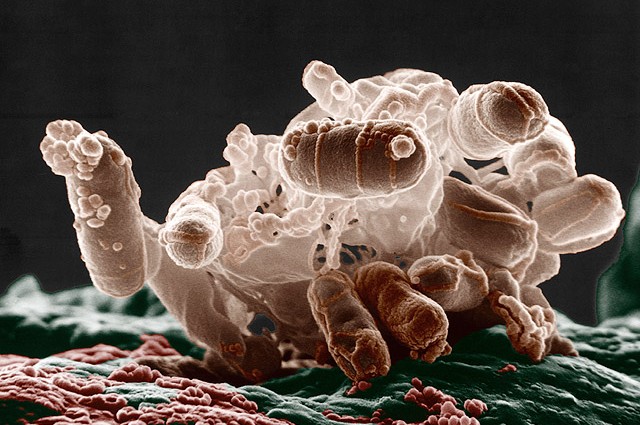
Scientists have come up with a method to do off with the deadly E.coli strains and salmonella outbreaks using genetically modified plants. In this form genetic engineering, the original plants are altered to procure antimicrobial proteins that can be extracted and applied to contaminated meat produce to combat food poisoning.
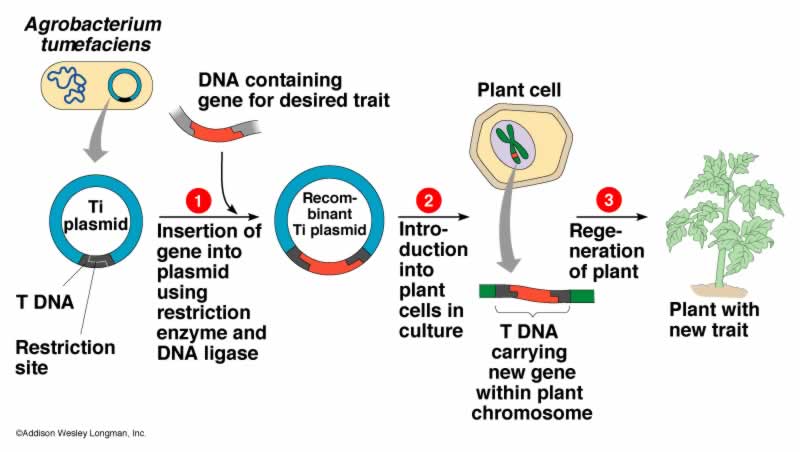
The team, led by scientists from two German biotech companies, Nomad Bioscience and Icon Genetics, engineered tobacco, leafy beets, spinach, chicory and lettuce to produce proteins called colicins which are capable of the killing deadly strains of E.coli.
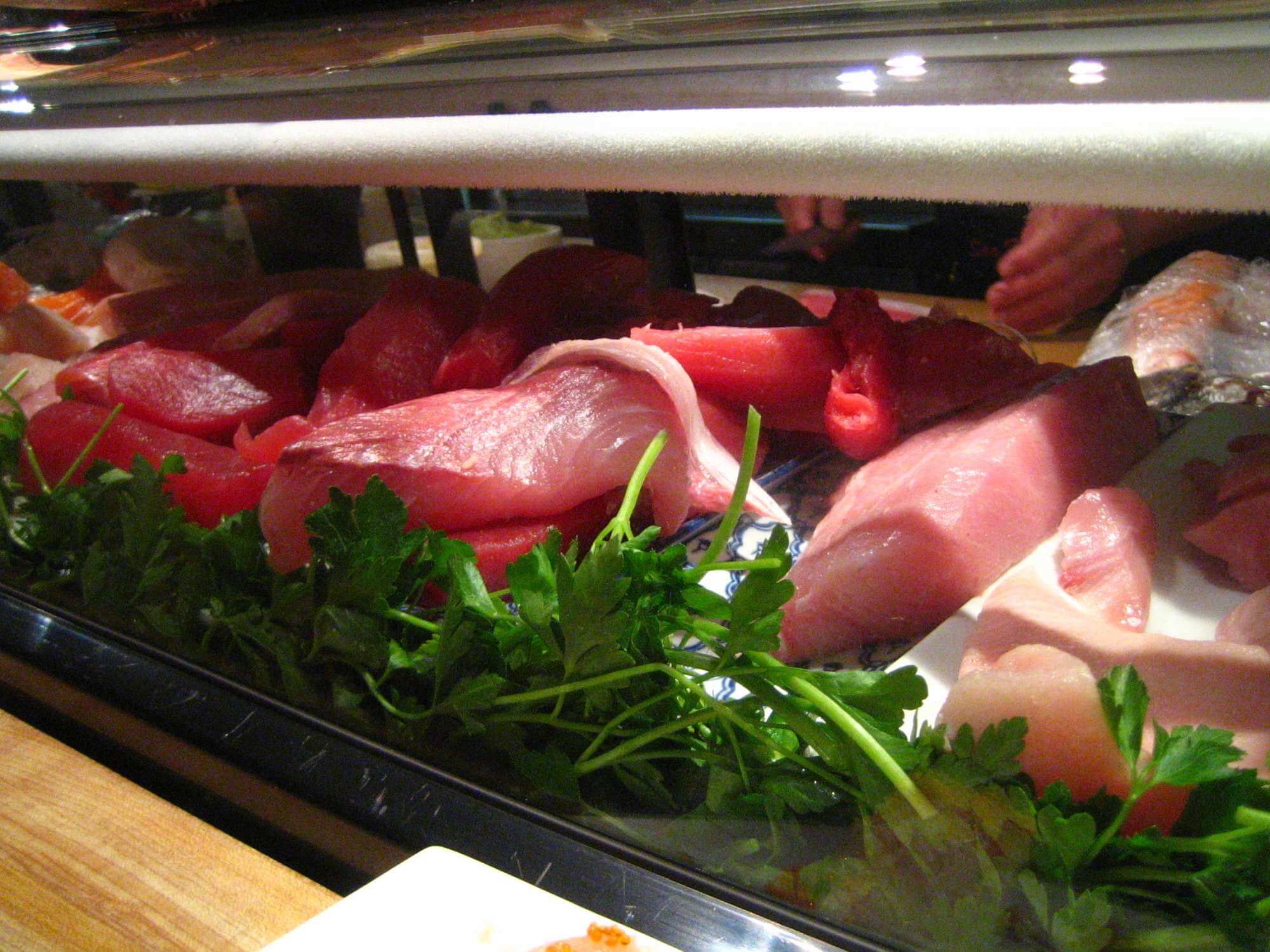
“All of the food outbreaks that have been recorded in the last 15 years or so could have been controlled very well by a combination of just two colicins, applied at very low concentrations. Colicins are 50 times more active against bacteria than normal antibiotics.” said Yuri Gleba, CEO of Nomad Bioscience and one of the authors of the paper. E. coli-laced pork steaks sprayed with a mixture of two types of colicins, at 4 milligrams of colicin per kilogram of meat, and found significant reductions in E. coli after just an hour.
In the United States, nearly 300,000 E. coli infections occur each year. According to the World Health Organization, up to 10 percent of E. coli infections could leading to life-threatening disease. The major source of E.coli has been identified in beef and pork, but the poisonous strains have been linked to organic produce which was treated with animal manure and not chemical fertilisers.
The host for growing colicins, usually end up poisoned to death, such is their potency. Engineering microbes to produce colicins end up killing the host. So, plants cells were used instead to produce colicin with amazing results. The scientists were successful in getting various plant types to produce large amounts of twelve different colicins, found naturally in E.coli.
“The yield that they’re getting through their plant source is much larger than what we would normally make in the lab with E. coli,” said William Cramer, a structural biologist who studies proteins at Purdue University.
“Normally the meat industry’s ready to spend two to five cents to treat one pound of meat,” said Gleba. “Our costs are lower than that.” Superiority of this process to the current employed one of heat and acid washes, is undeniable as this method doesn’t compromise the taste and quality of the meat.
While, Glebo is confident to securing the FDA approval because our intestines is accustomed to small amounts of colicins as they are naturally produced by E.coli. So degradation of the regulated quantity used, wouldn’t be a problem inside our bodies.
Francisco Diez-Gonzalez, a food safety microbiologist at the University of Minnesota, warns “To get approval for a food additive, you have to present a lot of toxicology studies and effectiveness studies,” he said. “I think it would be difficult to make the case that these colicins should qualify for GRAS, because they’re not typically part of the human diet.”
“We are already studying colicins for the control of Salmonella,” Gleba and his team informed.
[adinserter block=”7″]
Author: Technology Blog

